Zulily, an online retailer owned by private equity firm Regent LP, is shutting down and blaming Amazon via an antitrust lawsuit.
Why it matters: This isn't the first time that an e-commerce company has accused Amazon of abusing its market power, although it's the first to leverage information contained in the FTC's recent lawsuit.
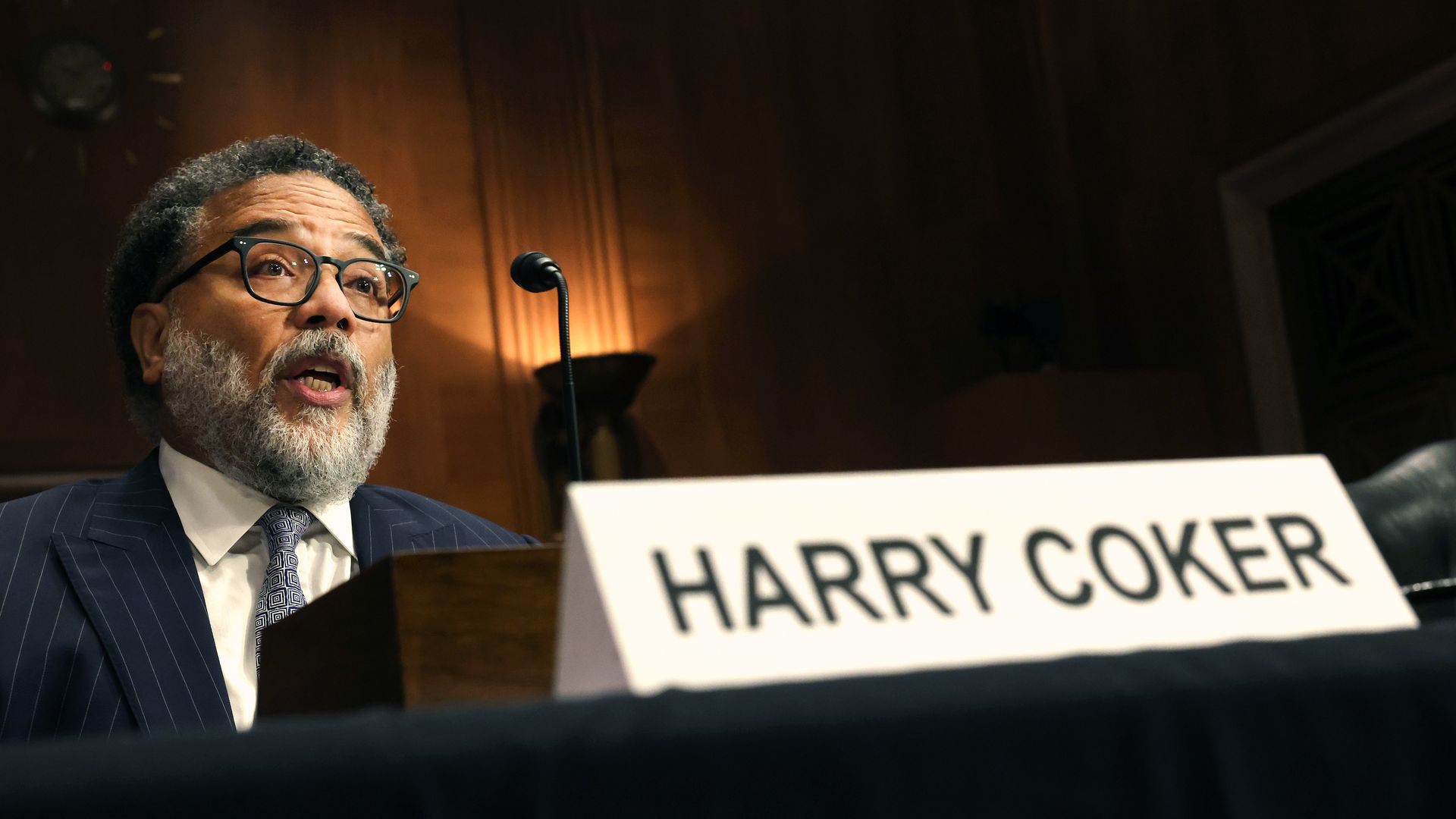
The Senate voted 59-40 on Tuesdayto confirm Harry Coker, Jr. as the U.S.'s next national cyber director.
Why it matters: Coker, once sworn in, will spearhead a range of the Biden administration's cybersecurity priorities, including implementation of the president's national cybersecurity strategy and an effort to harmonize a patchwork for federal cyber regulations.
Why it matters: The new position comes as media organizations look to leverage artificial intelligence in the newsroom and experiment with the technology, while still grappling with ethical choices to protect public trust.
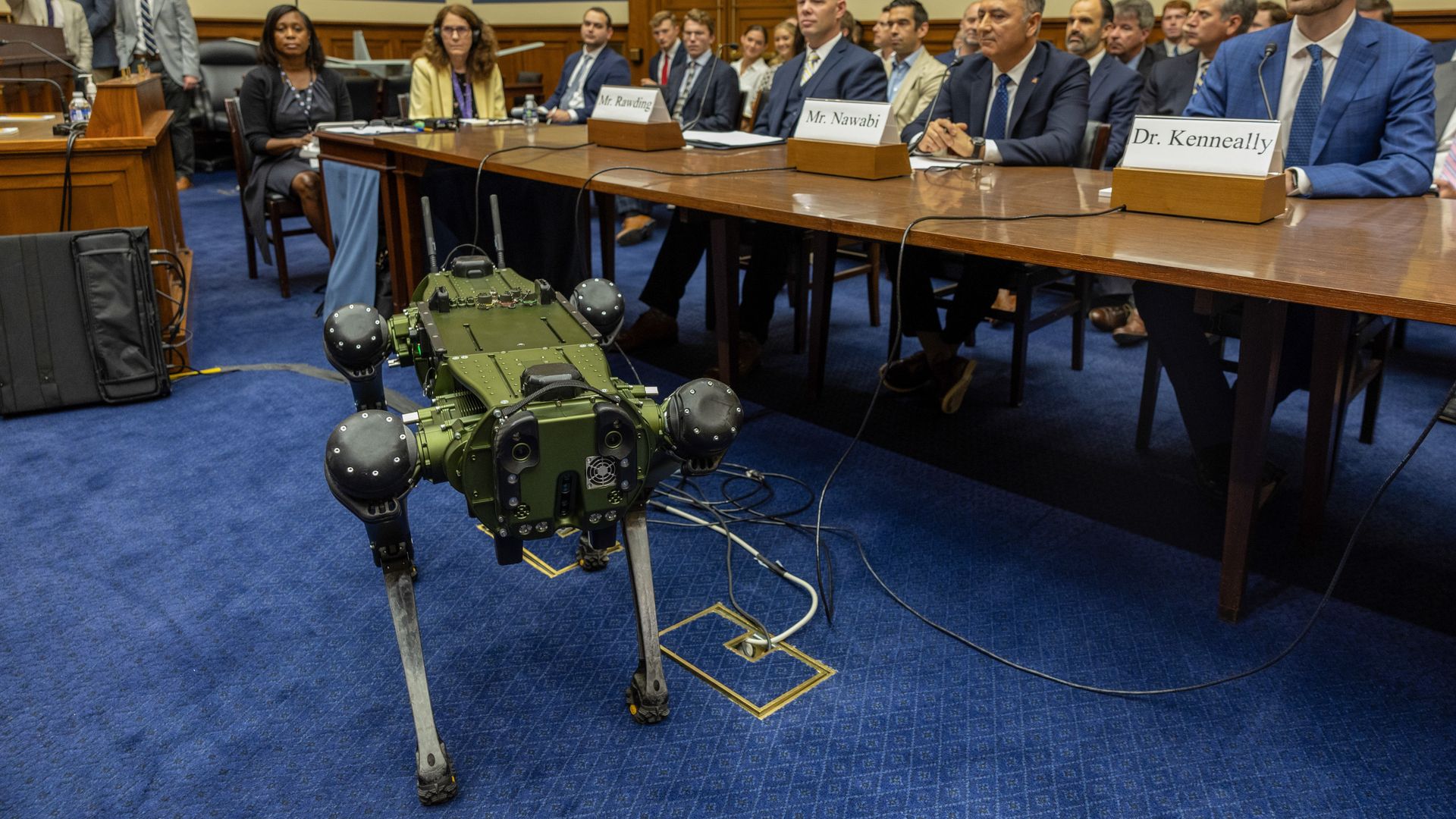
The future of border security includes robot dogs and AI-powered border inspectors.
Driving the news: U.S. Customs and Border Protection announced last week it had awarded Virginia-based Pangiam a contract to build an artificial intelligence tool to scan vehicles and cargo crossing the U.S.-Mexico border.
ChatGPT and similar tools aren't just helping craft letters to Santa — scammers are also using them to perfect their phishing lures with fake discount codes and shopping deals.
Why it matters: The end-of-year holiday shopping season has long been a popular time for cyberattacks and online scams targeting retailers and shoppers.
As AI begins powering workplaces from ports to casinos, labor unions are notching substantial contract wins and beginning to piece together an AI-focused safety net.
Why it matters: Workers say they're open to AI that improves job outcomes and safety, but around half of American adults tell an Axios Morning Consult poll they're worried that AI will cost them or their loved ones their jobs.
The U.S. government is building a "virtual wall" at the southern border by erecting hundreds of high-tech surveillance towers — some of which use artificial intelligence — to detect people in an effort to reduce drug smuggling and sky-high unauthorized migration.
Why it matters: A record-high number of people have entered the U.S. through the southern border this year, resulting in multiplecrises and exacerbating U.S. Customs and Border protection staffing shortages. But the new surveillance technology is giving rise to concerns over civil liberties, digital watchdogs say.
Google's Play Store violates antitrust laws, a federal jury found Monday, deciding a lawsuit filed by Epic Games.
Why it matters: For years, Google and Apple have argued that their app stores' rules and restrictions exist to benefit consumers. This decision, if it survives the appeal process, could upend how the two major mobile operating systems control the distribution of third-party apps on devices.
Disney is "just starting" when it comes to pairing its top franchises with the industry's best game development studios, the company's longtime head of gaming, Sean Shoptaw, told Axios in Los Angeles last week.
Why it matters: Disney is once again a rising force in the gaming industry, not by making its own games but by offering its biggest characters to a who's who of competing publishers and elite developers looking to craft a winner.
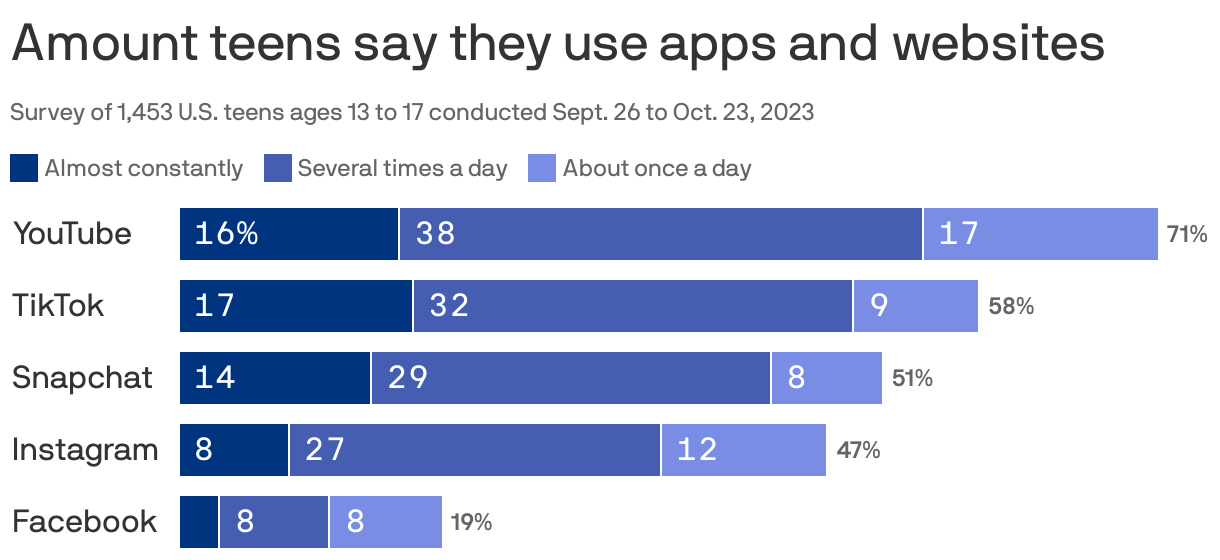
Nearly 1 in 5 teens say they're on YouTube or TikTok "almost constantly," according to a Pew Research Center report.
Why it matters: The report paints a picture of a rising generation whose lives are dominated by a handful of social platforms — amid ongoing debate over the possible mental health harms that could result.
A new project from Stanford University aims to help policymakers get their heads around a range of fast-developing new technologies, from AI and cryptography to robotics and synthetic biology.
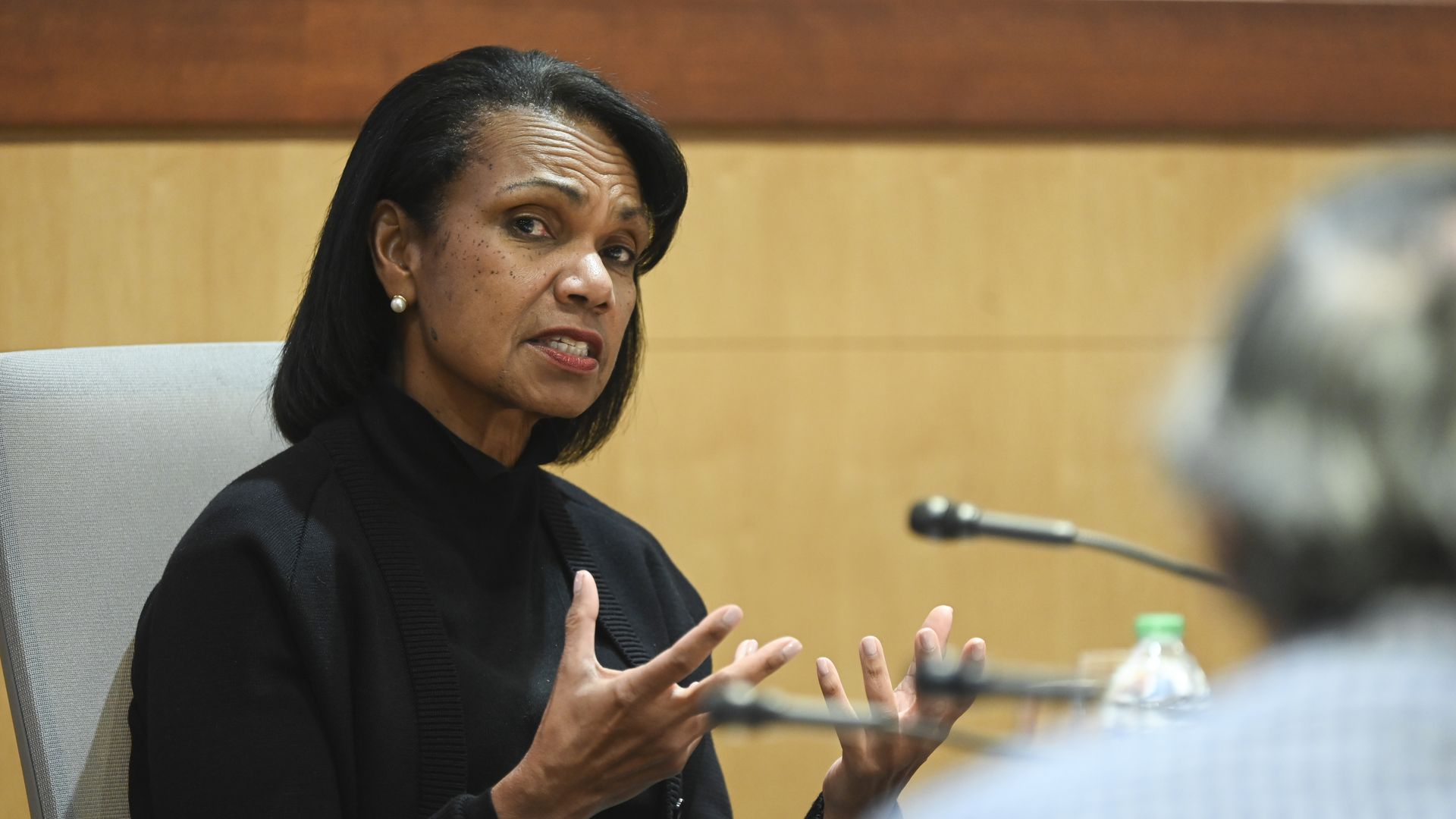
Why it matters: A similar effort by an earlier generation brought policy experts together with scientists to navigate the dangers of the nuclear era, Hoover Institution director and former U.S. Secretary of State Condoleezza Rice told reporters at Stanford.
The European Union's comprehensive AI regulations, finalized Friday after a 36-hour negotiating marathon, come with a catch: The EU is stuck in a legal void until 2025, when the rules come into force.
Why it matters: As the first global power to pass comprehensive AI legislation, the EU is once again setting what could become worldwide regulatory standards — much as it did on digital privacy rules — but the transition could be bumpy.








/2023/12/12/1702342901493.gif?w=3840)