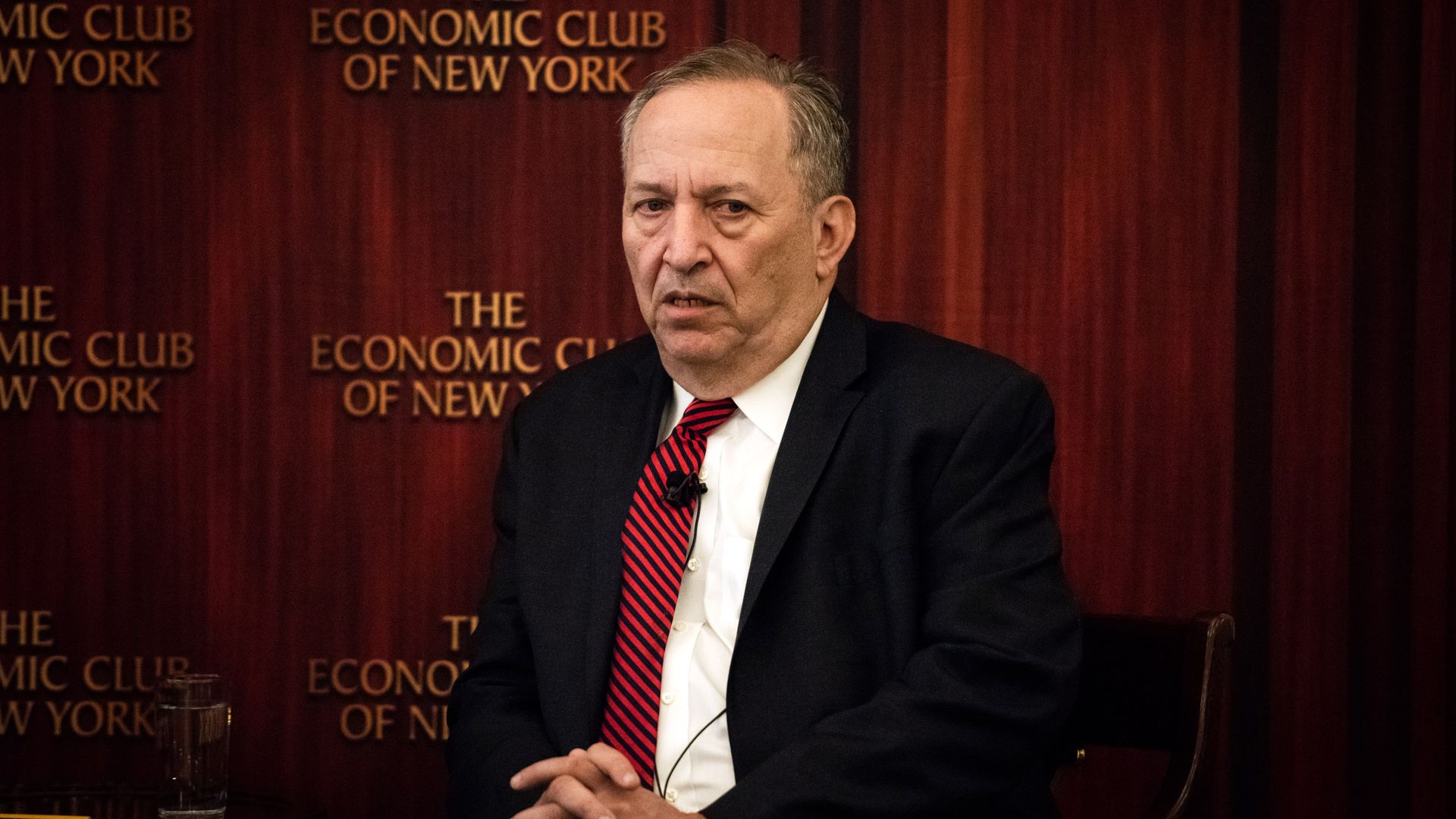
Larry Summers, a controversial former Treasury secretary and the president emeritus of Harvard University, is one of three men comprising the interim board of OpenAI.
Why it matters: Summers now holds enormous sway over the future of the organization that, more than any other, has driven the commercialization and widespread adoption of AI.
If we've learned anything from the mess at OpenAI, it's that the humans are still in charge, for now. Here's a timeline of everything we know that happened in OpenAI's c-suite and boardroom this week.
Why it matters: The culture clash inside OpenAI mirrors our own collective uncertainty and anxiety about the potential capabilities and risks of artificial intelligence.
OpenAI said late Tuesday that it had reached a deal in principle for Sam Altman to return as CEO, with a new board chaired by former Salesforce co-CEO Bret Taylor.
Why it matters: The move appears to resolve the roller-coaster drama that began Friday when OpenAI announced that its non-profit board had voted to remove Altman.
Iran-backed hackers are starting to take a more aggressive stance against Israel in its ongoing war with Hamas, researchers have found in recent weeks.
Why it matters: As the U.S. continues to support Israel, security experts have warned that Iran could retaliate by trying to hack American organizations and companies tied to other allies of Israel.
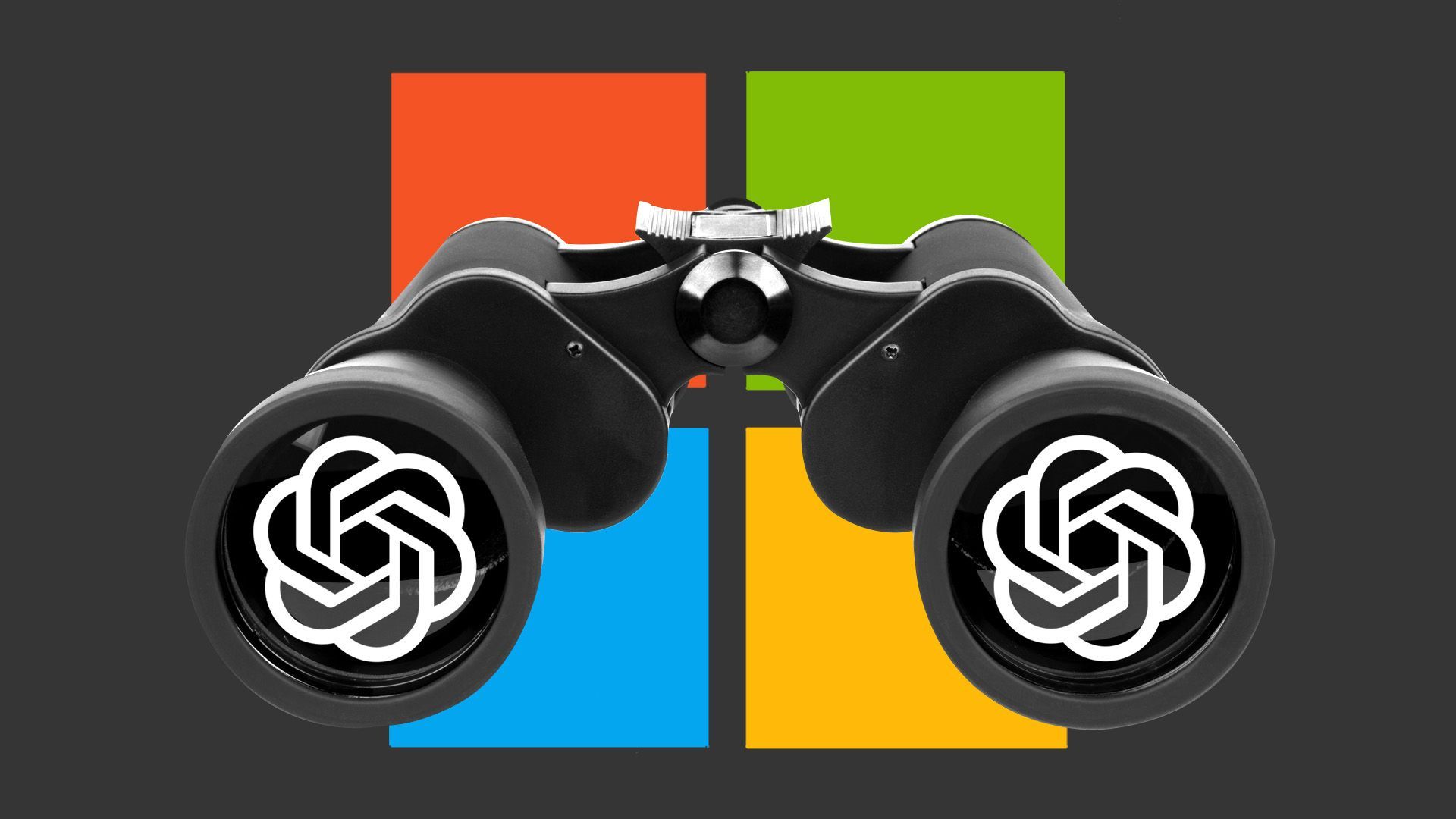
While negotiations between the OpenAI board and various factions continue, Microsoft has been readying office space and computing resources for an influx of OpenAI employees, Axios has learned.
Why it matters: Although Sam Altman's return to OpenAI remains a possibility, Microsoft is preparing for a world in which Altman and many of his former colleagues join their firm.
Ukraine's top two cyber officials were ousted Monday amid an embezzlement probe at the country's cybersecurity agency.
Why it matters: Russian state-backed hackers are still targeting Ukrainian organizations as part of the ongoing war — putting Ukraine's cyber defense agency in the center of wartime operations.
Nearly every high-level Washington meeting, star-studded conference and story about AI centers on one epic question: Can this awesome new power be constrained?
It cannot, experts repeatedly and emphatically told us.
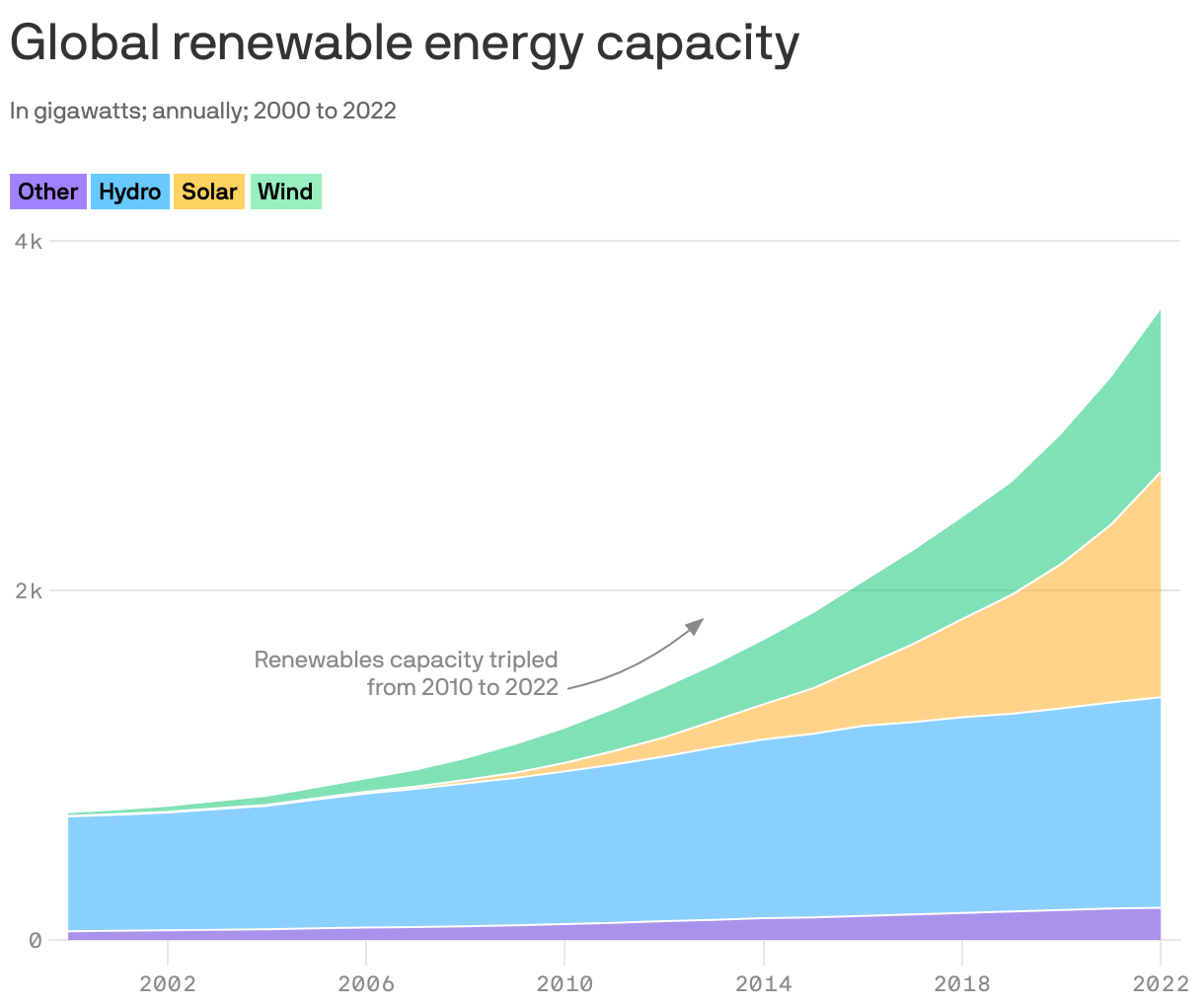
Data: BloombergNEF; Note: Wind generation includes onshore and offshore. Solar generation includes small-scale and utility-scale. Other includes geothermal and bioenergy; Chart: Deena Zaidi/Axios Visuals
Bolstering renewable energy, a goal likely headed for endorsement at COP28, is both consequential and achievable — even in light of previous pie-in-the-sky climate pledges.
Driving the news: Two new analyses find tripling global renewables capacity by 2030 is possible with stronger investment and policy support.
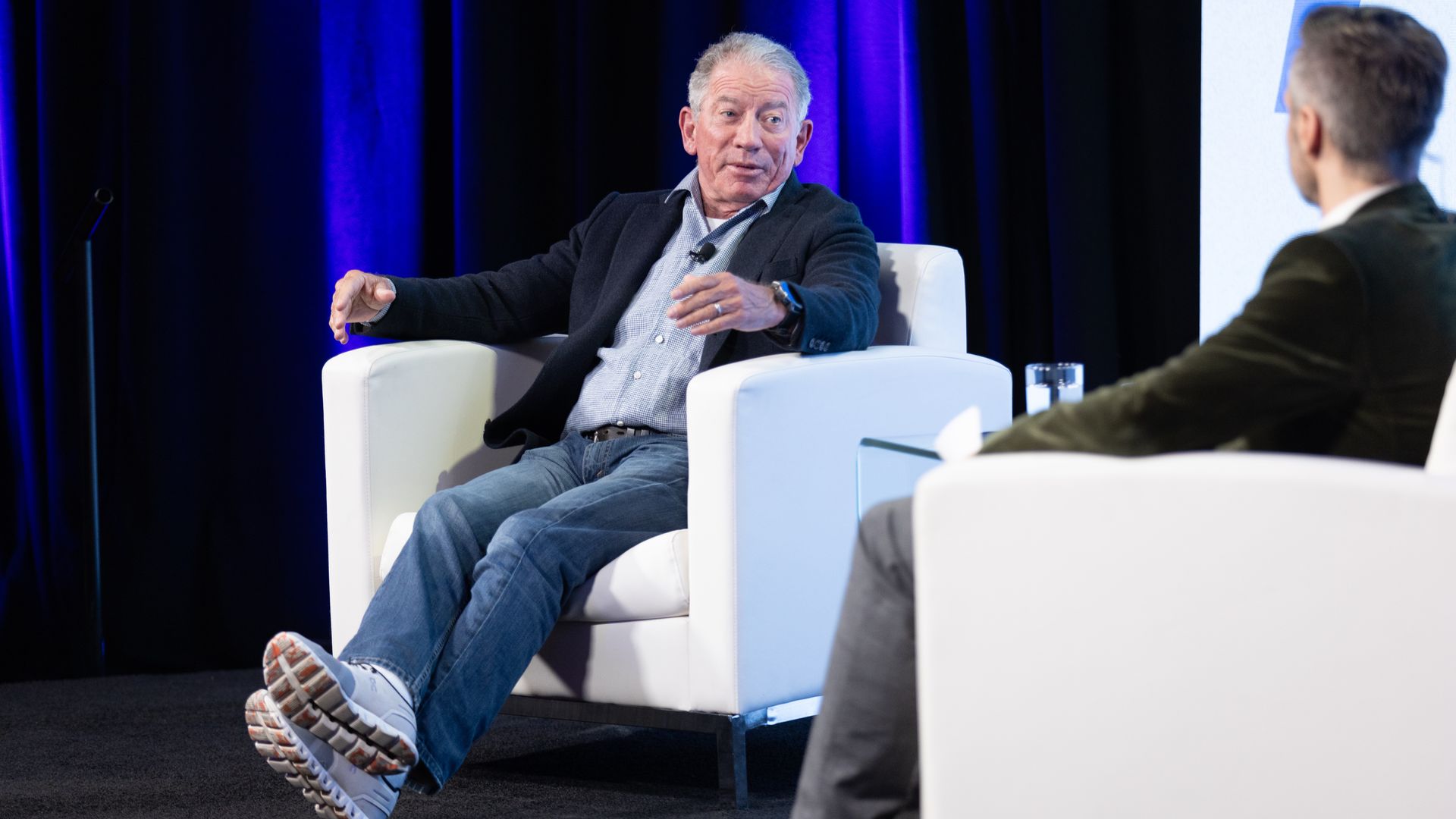
Enterprise AI startup C3.ai will announce later today a self-service version of its software that can be purchased online via Amazon's AWS Marketplace, CEO Tom Siebel tells Axios.
Why it matters: The move allows C3.ai to offer startups and individuals within companies much of the technology it has been selling directly to large corporations and government agencies.
The chaos at OpenAI in the wake of CEO Sam Altman's abrupt firing is no mere boardroom drama — it's a fight for the future of AI.
Why it matters: OpenAI and its ChatGPT product ignited the boom in AI, the most important new technology since the advent of the internet — and now the company is essentially up for grabs.
Microsoft CEO Satya Nadella said late Sunday night that ousted OpenAI CEO Sam Altman would join Microsoft and head up a new AI research unit — and 24 hours later, that's still Plan A.
The intrigue: A Plan B remains a possibility — and palatable to Microsoft: It involves the OpenAI board resigning and OpenAI going forward as an independent company with Altman back at the helm.
The OpenAI board's radio silence on its specific reasons for firing Sam Altman as CEO has invited speculation, including the possibility of a clash over the pace of AI development or a conflict over another technical breakthrough.
Yes, but: Their reasoning was actually more personal, according to a person familiar with the board's thinking: They had growing doubts they could trust Altman.
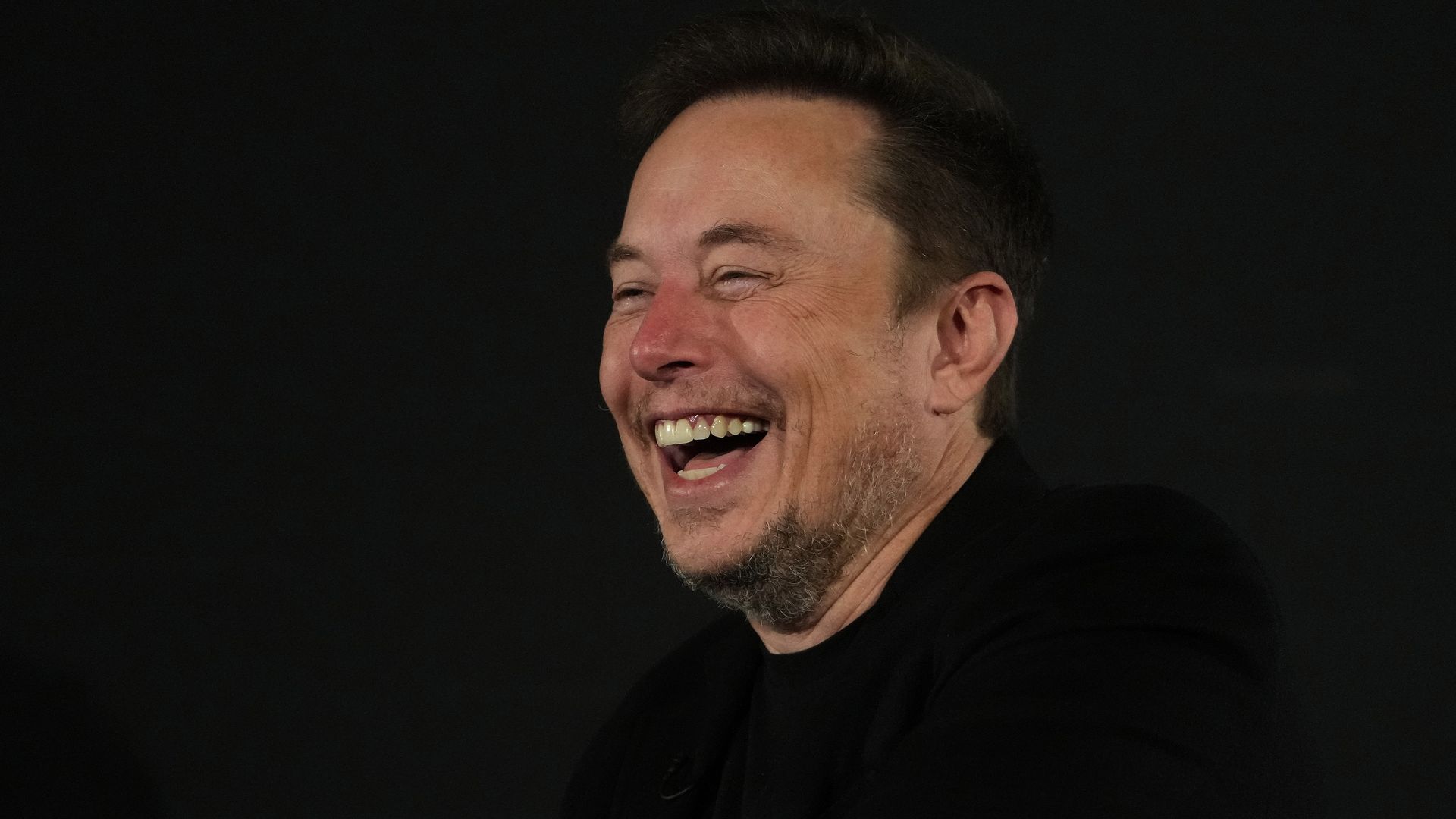
Elon Musk's X Corp. sued Media Matters for America for defamation on Monday after the left-leaning nonprofit released a report on ads on X running next to pro-Nazi content and helped trigger an advertiser exodus.
Driving the news: The lawsuit, filed in the U.S. District Court for the Northern District of Texas Fort Worth Division, alleged the organization's tactics were manipulative and deceptive.










/2023/11/21/1700562811530.gif?w=3840)