The big picture: Gen Z's internet-driven vocabulary isn't typically decoded by a dictionary — but older relatives may still want to be hip at the kids' table.
New technologies always arrive bearing new vocabularies. Here's a guide to the lingo of artificial intelligence.
Artificial intelligence (AI): A term coined in the 1950s by John McCarthy to describe efforts to develop machines that could reason and solve problems in human-like ways. Now widely applied to any software that can identify patterns in data.
Sam Altman's return to OpenAI as CEO is a win for him, but not a total win — and even now, the game still has more innings.
Why it matters: The company that sparked the generative-AI boom isn't going to collapse in chaos or lose all its employees to competitors, but its future still carries big question marks.
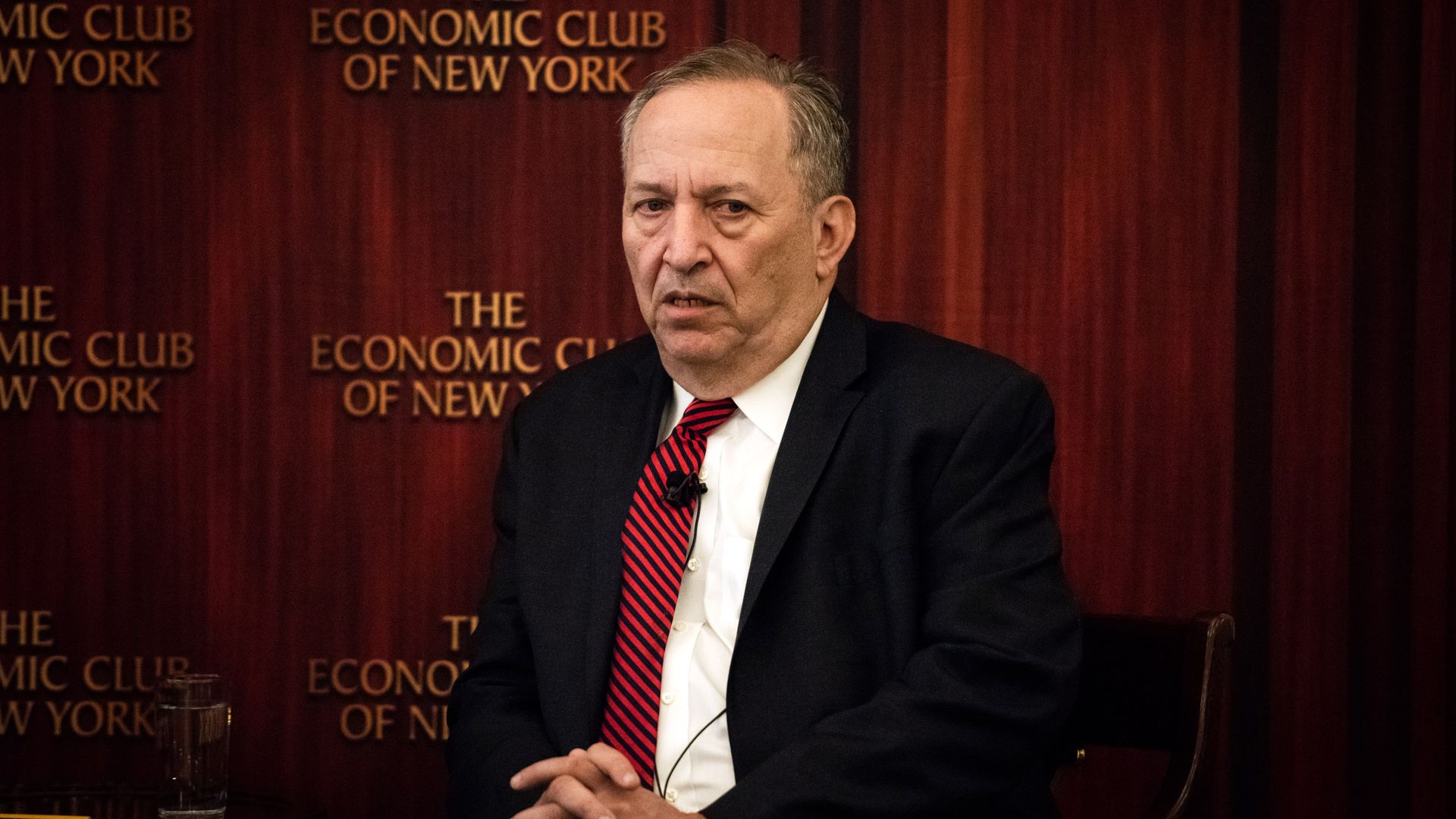
Larry Summers, a controversial former Treasury secretary and the president emeritus of Harvard University, is one of three men comprising the interim board of OpenAI.
Why it matters: Summers now holds enormous sway over the future of the organization that, more than any other, has driven the commercialization and widespread adoption of AI.
If we've learned anything from the mess at OpenAI, it's that the humans are still in charge, for now. Here's a timeline of everything we know that happened in OpenAI's c-suite and boardroom this week.
Why it matters: The culture clash inside OpenAI mirrors our own collective uncertainty and anxiety about the potential capabilities and risks of artificial intelligence.
OpenAI said late Tuesday that it had reached a deal in principle for Sam Altman to return as CEO, with a new board chaired by former Salesforce co-CEO Bret Taylor.
Why it matters: The move appears to resolve the roller-coaster drama that began Friday when OpenAI announced that its non-profit board had voted to remove Altman.