Pursuing an "Energy Star" program measuring the cybersecurity of a smart device could solve a fundamental problem facing manufacturers: consumers don't trust the security of their internet-connected products.
By the numbers: Fewer than 10% of U.S. adults in a new BlackBerry survey said they believe robot vacuums, smart refrigerators, smart air purifiers, smart ovens, pet cameras and autonomous vehicles are safe from cyber threats.
The Biden administration is barreling aheadwith the rollout of a new consumer product label by the spring that measures the security of smart devices — but affected companies still don't know what to expect.
The big picture: The administration is trying to rein in the rising number of cyberattacks and espionage campaigns that rely on insecure internet-connected devices, such as routers and smart cameras.
Elon Musk's $44 billion Twitter takeover is expected to close one week from today, with both sides privately expressing confidence. But of course, it can't be quite that straightforward.
State of play: Twitter shares this morning opened at $50 per share, which is more than $4 below the price Musk agreed to pay. That means either the confidence is misplaced, or there is some very easy money to be made right now.
AI's magical text-to-image generators, like Dall-E 2, have sparked fears of unemployment among professional illustrators — but Adobe, the leading maker of software tools for designers, sees AI as more of a creative assistant.
Driving the news: At at a conference this week, Adobe showed how it could build generative AI tools into Photoshop, Lightroom and other products.
A New York attorney has been accused of assaulting law enforcement officers during the U.S. Capitol riot after being arrested Thursday on felony and misdemeanor charges.
Driving the news: John O'Kelly, of East Williston, Long Island, allegedly illegally made his way to the West front of the Capitol grounds where rioters were fighting with law enforcement officers attempting to maintain a police barrier on Jan. 6 2021, per court documents filed in the U.S. District court in D.C.
Grocery delivery app Instacart has decided to push its highly anticipated IPO into 2023, believing the current stock market is too volatile, as first reported by The New York Times and confirmed by Axios.
The big picture: Only 65 companies have gone public on U.S. exchanges this year, which represents an 80.7% decline from last year, per Renaissance Capital.
Differing economic conditions around the world are leading to the existence of two contrasting crypto markets — one resembling the original vision laid out over a decade ago, and the other driven by a more recent evolution.
Driving the news: Dollar and other currency-pegged stablecoins are proving their worth in countries where the value of the local currency swings from one day to the next. But the U.S. and Canada's "disproportionate embrace of DeFi" has led to a very different cryptocurrency market, according to a new report from research firm Chainalysis.
Shares in Snap Inc. plummeted more than 20% Thursday after the camera app reported its slowest-ever quarter for revenue growth since going public in 2017. It also declined to provide revenue or earnings guidance for the fourth quarter, given uncertainty in the economy.
Why it matters: Wall Street was looking to Snap to deliver good news about the broader ad market. The company's share price had already declined more than 75% this year going into earnings.
Texas Attorney General Ken Paxton sued Google Thursday for allegedly collecting biometric identifiers without user consent.
Driving the news: The lawsuit alleges Google "has collected millions of biometric identifiers, including voiceprints and records of face geometry, from Texans through its products and services like Google Photos, Google Assistant, and Nest Hub Max," per a release from Paxton's office.
Hall of fame game designer Will Wright (Sim City, The Sims) is making a blockchain video game for the masses, not for NFT shoppers, he tells Axios.
Why it matters: Wright is the biggest name in the controversial blockchain gaming sector, in which there's an abundance of investment and player skepticism.
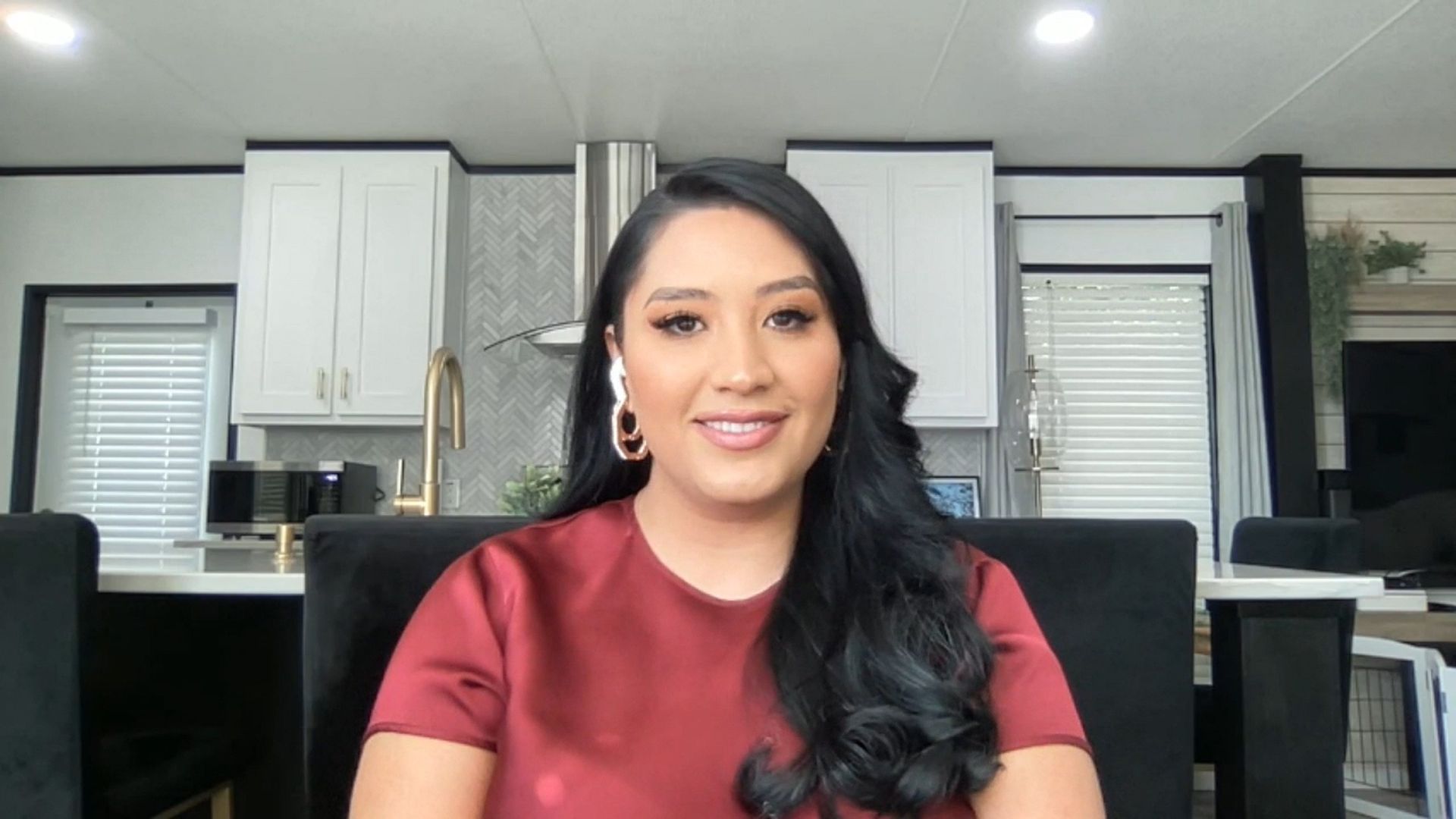
Vanesa Amaro has become a social media sensation — and made big bucks — thanks to her cleaning tips and frank talks about what it is like to be a Latina domestic worker, she told Noticias Telemundo.
The big picture: Over 61% of people who work cleaning houses in the U.S. are Hispanic, according to an analysis of census data from the Economic Policy Institute think tank.
The world of crypto runs 24/7 and has no borders, but it's no monolith. The rules, however, might be applied that way. And that creates a challenge.
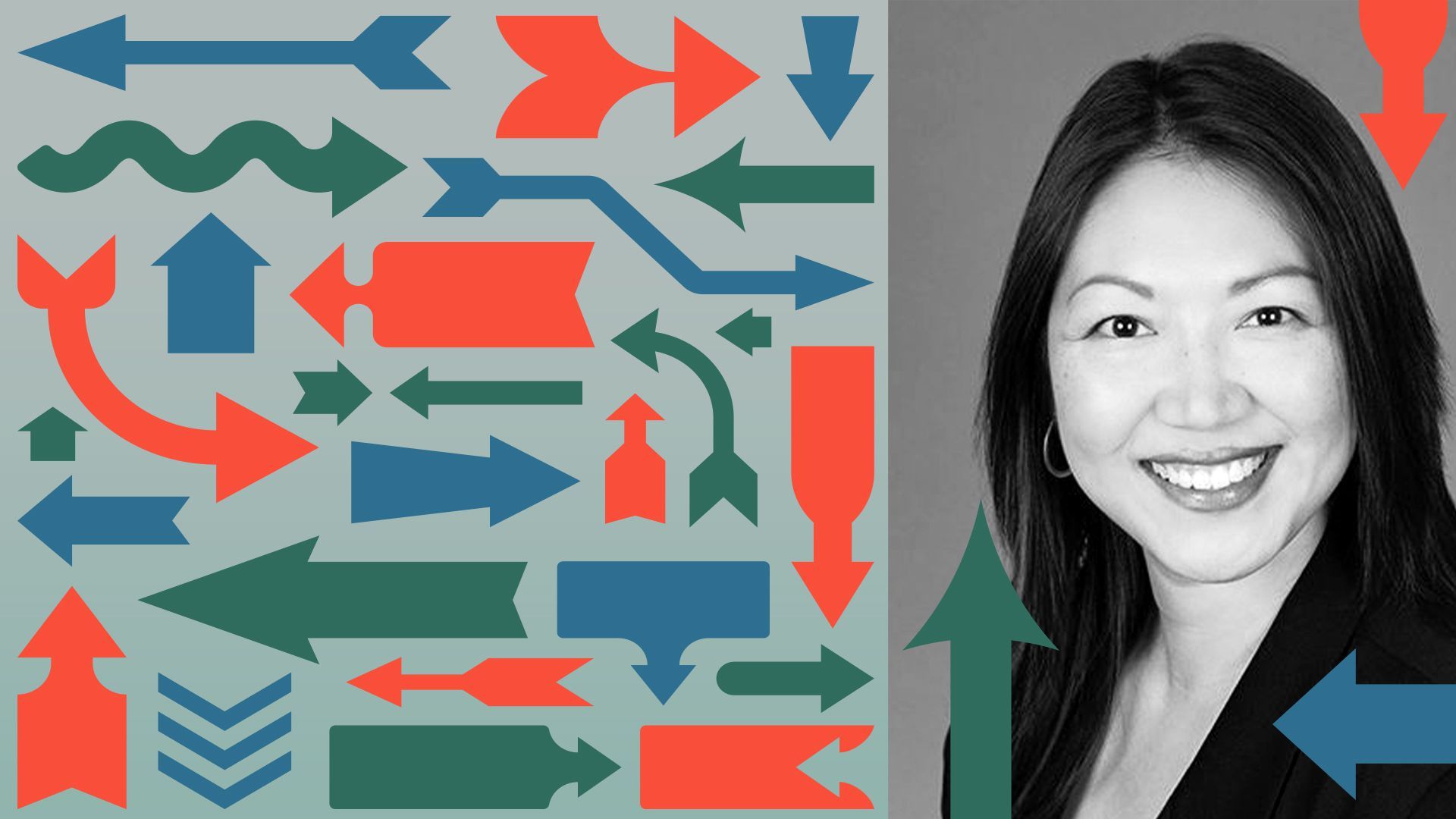
The big picture: "Law is jurisdictional, but crypto is not," Mitzi Chang, a partner at Goodwin, who also serves as co-chair of its fintech practice and digital currency and blockchain technology practice, tells Axios.
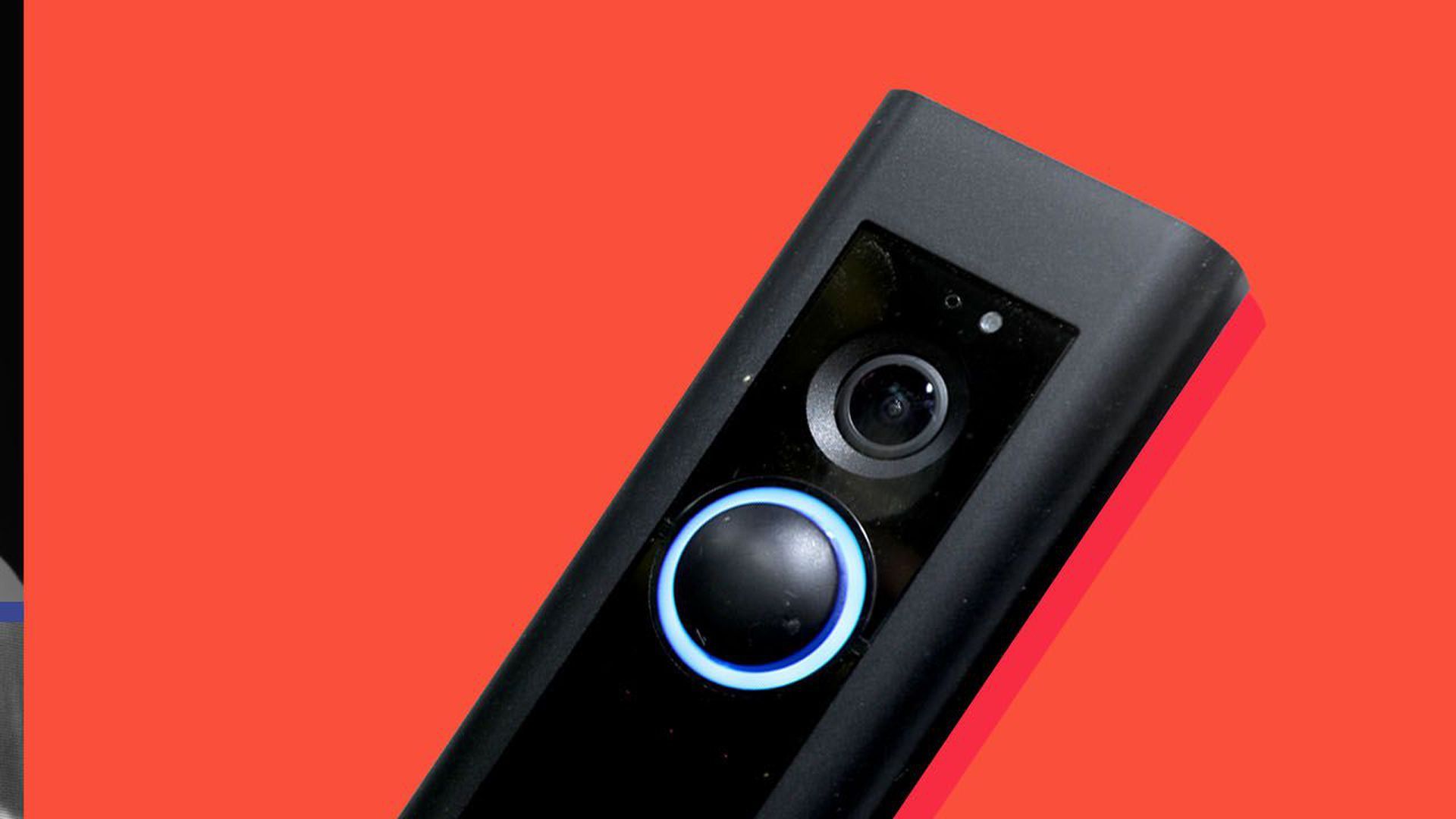
Homeowners are increasingly using doorbell cameras, such as Amazon's Ring product, to surveil and even harass delivery workers, according to a recent report from Data & Society.
Why it matters: Surveillance isn't just companies watching people — it's also people watching other people, and doorbell cameras are a prominent instance of this sort of distributed remote observation.
Propeller, a fund that invests in companies tackling climate change via ocean solutions, unveiled its first $100 million venture fund on Thursday.
Why it matters: This is the first major blue economy venture fund, and it could help catalyze other players in the climate tech world to look to the sea for new opportunities.
The key template that the far right and former President Trump's MAGA movement have used to organize online came not from the world of politics but from gaming, a leading misinformation researcher argues in a new book.
Catch up quick: Gamergate, in 2014, pitted some male gamers against the leaders of a movement to make video games more inclusive of women. As part of the conflict, online mobs deployed techniques and tactics that were later taken up by the Trumpist right, including the use of memes, false allegations and coordinated harassment.
Software that analyzes snippets of your speech to identify mental health problems is rapidly making its way into call centers, medical clinics and telehealth platforms.
The idea is to detect illnesses that might otherwise go untreated.