Any moment a consumer looks at a screen is now a moment that can be filled with advertising.
Why it matters: Smartphones, e-commerce platforms and connected devices, including smart TVs in hotel rooms and tablets in cars and at airports, have all made it possible for any business — from networking apps to grocers and ride-hailing companies — to target customers with digital ad messages.
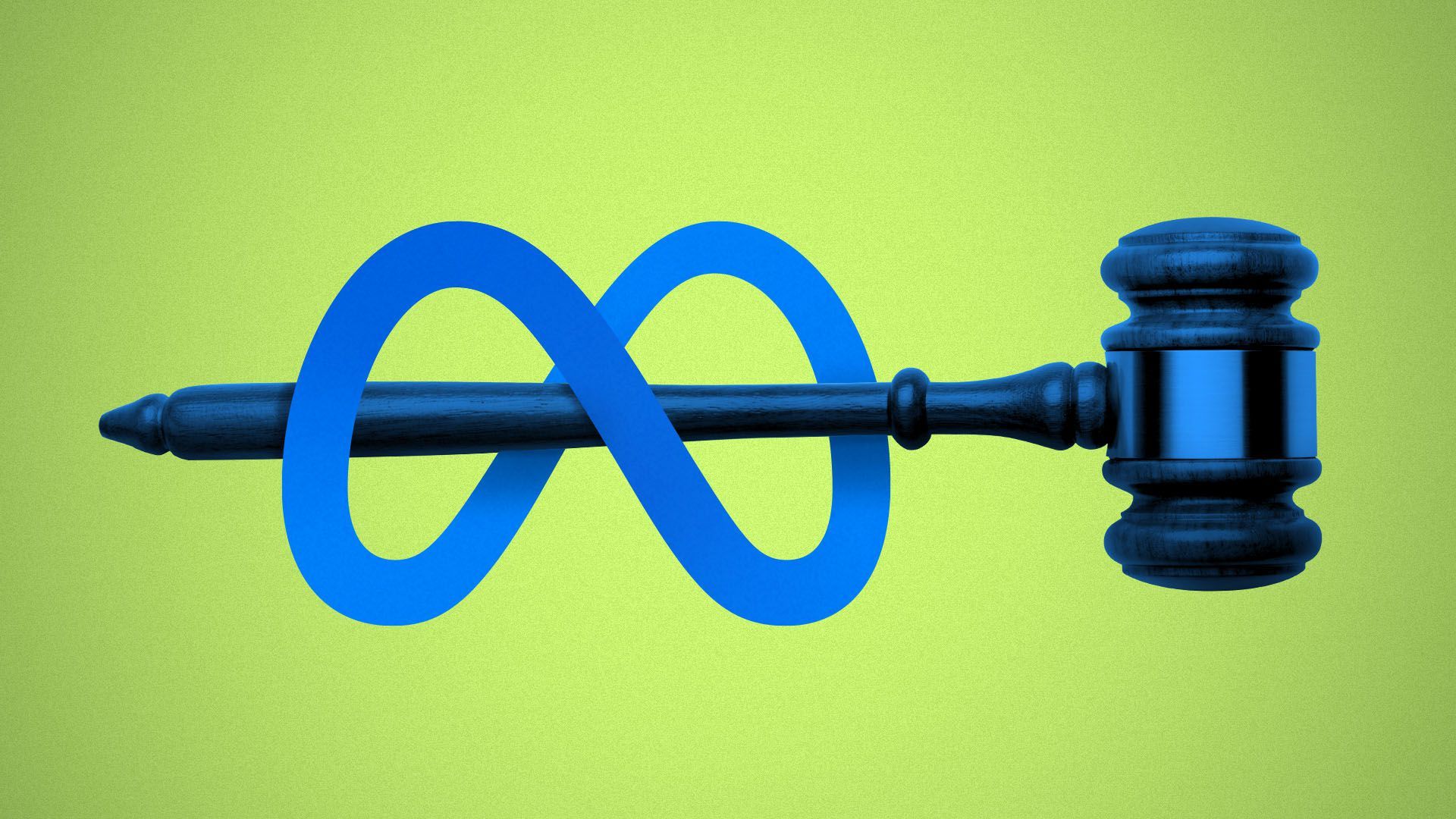
Meta's agreement to sell Giphy under orders from U.K. regulators marks the first time the social networking giant has been forced to unwind an acquisition — and widens the horizon for global regulatory efforts to rein in Big Tech companies.
The big picture: GIFs, the animated images Giphy distributes, were never that consequential themselves and might even be falling out of fashion today. But Meta paid $400 million for the company more than two years ago, and reversing that transaction will set a new precedent that tech giants can be made a bit smaller.
Trust in the tech sector has declined as Americans increasingly lump social media in with the companies that create hardware and software, according to data from Edelman shared first with Axios.
Why it matters: The shifting attitudes mean that confidence in technology is increasingly subject to partisan and economic divides.
Lyft and Uber both gave up on developing their own self-driving cars, but the ride-hailing networks are still proving instrumental in rolling out driverless technology.
Why it matters: Both companies are starting to blend others' robotaxis into their ride-hailing fleets in multiple cities.
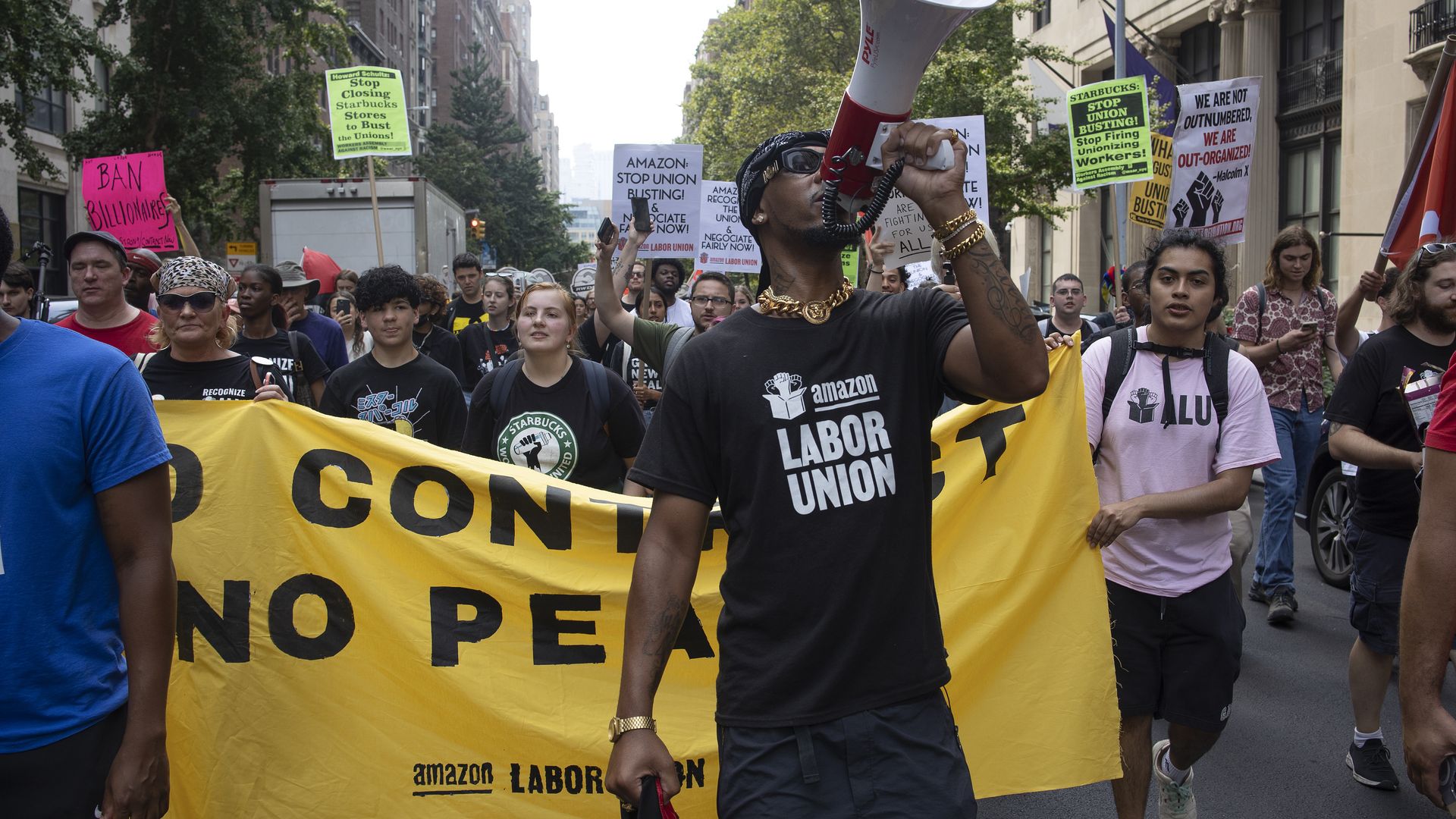
Workers at an Amazon warehouse near Albany, New York, overwhelmingly rejected a union bid on Tuesday, according to a count from the National Labor Relations Board.
Why it matters: The 406 to 206 vote against unionizing deals a major blow to the Amazon Labor Union. It would've been the second Amazon site in the U.S. to unionize.
Robo-advisors are gaining in popularity, offering investors cheaper, customized portfolios — but when it comes to crypto, even they won't take their own advice.
Why it matters: Most of the big traditional shops' robos won't touch crypto just yet, and the ones that do aren't necessarily eating their own cooking. That is — the core portfolios on which their performance is graded don't carry a dose of the crypto wares they offer customers.
Two of the largest independent studios creating games for Roblox, RedManta Games and Sonar Studios, confirmed to Axios they recently merged to form a new company, Twin Atlas.
Why it matters: While lots of big companies talk about their plans to develop a virtual world, Roblox has built one with a devoted young audience and a growing number of brands and game studios taking part. Its economy generates hundreds of millions of dollars in revenue per month.
Big Tech platforms are blocking abortion-pill distribution information and permitting false narratives about abortion to spread, more than 100 days after the Supreme Court's ruling overturning a constitutional right to abortion.
Why it matters: Social media firms were caught flat-footed by that sudden change in the legal and informational landscape at a time when there's an overwhelming, sudden need for solid information and access to healthcare services online.
New investments in "free speech" social media platforms, podcasts and video channels are upending the media landscape and giving voices to conservatives who feel rejected by traditional networks and outlets.
Why it matters: Many of today's conservative media moguls are both rich and politically active.
Microsoft announced layoffs across multiple divisions on Monday, Axios has confirmed.
Why it matters: The move is yet another example of large tech companies cutting jobs after earlier moving to slow or freeze hiring as the broader economy cools.