Twitter on Tuesday made good on its threat to sue Elon Musk for trying to back out of his $44 billion takeover.
What to know: The case will be heard in Delaware Chancery Court, a venue that specializes in corporate disputes and which previously has heard cases in which acquirers seek to renege on signed agreements.
Intel CEO Pat Gelsinger warned the company will delay its $20 billion chip site in Ohio if Congress fails to pass a bill with $52 billion for domestic semiconductor manufacturing.
The big picture: It's the most explicit statement by Gelsinger about the consequences of the legislation being stalled, and comes after Senate Minority Leader Mitch McConnell (R-Ky.) put negotiations in jeopardy.
Wefox, a German digital insurer, raised $400 million in Series D equity and debt funding led by existing investor Mubadala at a $4.5 billion valuation.
Why it matters: This is an up-round in a unicorn roadkill world.
Disney has reached an agreement with The Trade Desk, a global ad tech company, that makes it possible for brands to target automated ads across Disney properties using data matched on the back end from Disney and The Trade Desk.
Why it matters: This is one of the largest media-business efforts yet to craft a new ad-targeting system as third-party tracking fades away, and it's likely to trigger a series of similar partnerships between major media companies and other big ad tech firms.
Twitter has hired Rebecca Hahn, formerly the chief communications officer at the electric mobility company Bird, as its new vice president of global communications, Axios has learned.
Why it matters: The company has lacked a communications lead for the past few months, exacerbating stress from the fallout of its deal drama with Elon Musk.
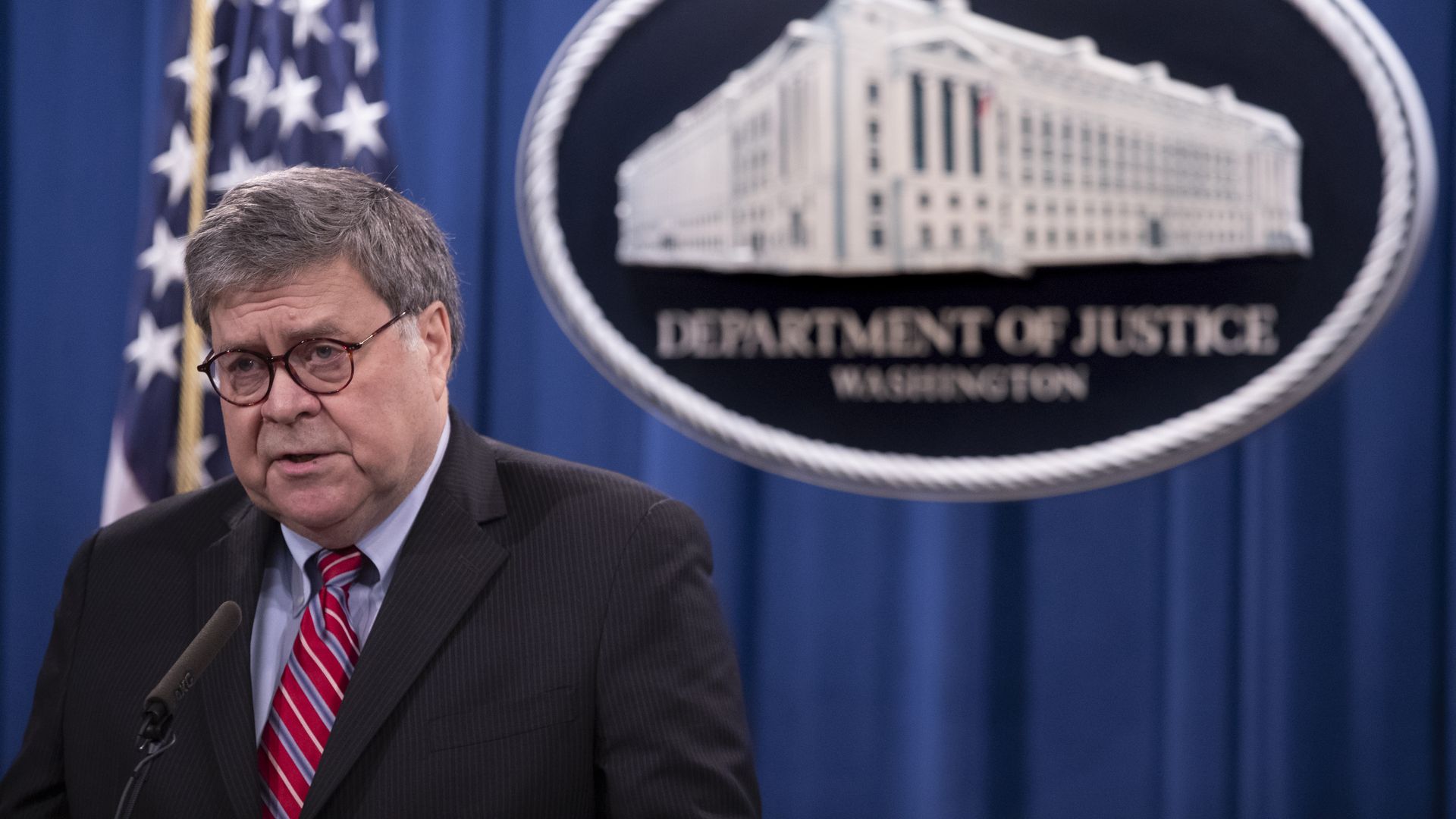
The Justice Department’s Apple investigation is taking too long, allowing harm to competitors and consumers to continue, several companies say.
Why it matters: Big Tech's dual D.C. threats are antitrust lawsuits and bills that would rewrite the rules for how they operate, but Apple has yet to feel the full brunt of either.
Twitter's deal fiasco with Elon Musk has overshadowed its business challenges, which will likely intensify as growth in the advertising market decelerates and the company deals with the operational fallout from the Musk mess.
Why it matters: Musk's initial $44 billion offer to buy Twitter was already an extraordinary premium on Twitter's stock, but it's an even bigger number considering the current market free fall.
Twitter on Monday said that Elon Musk's effort to abandon his $44 billion takeover of the company is "invalid and wrongful," according to a letter filed with the U.S. Securities & Exchange Commission.
Why it matters: This is an opening legal salvo in what soon will become a full-fledged brawl in Delaware Chancery Court.
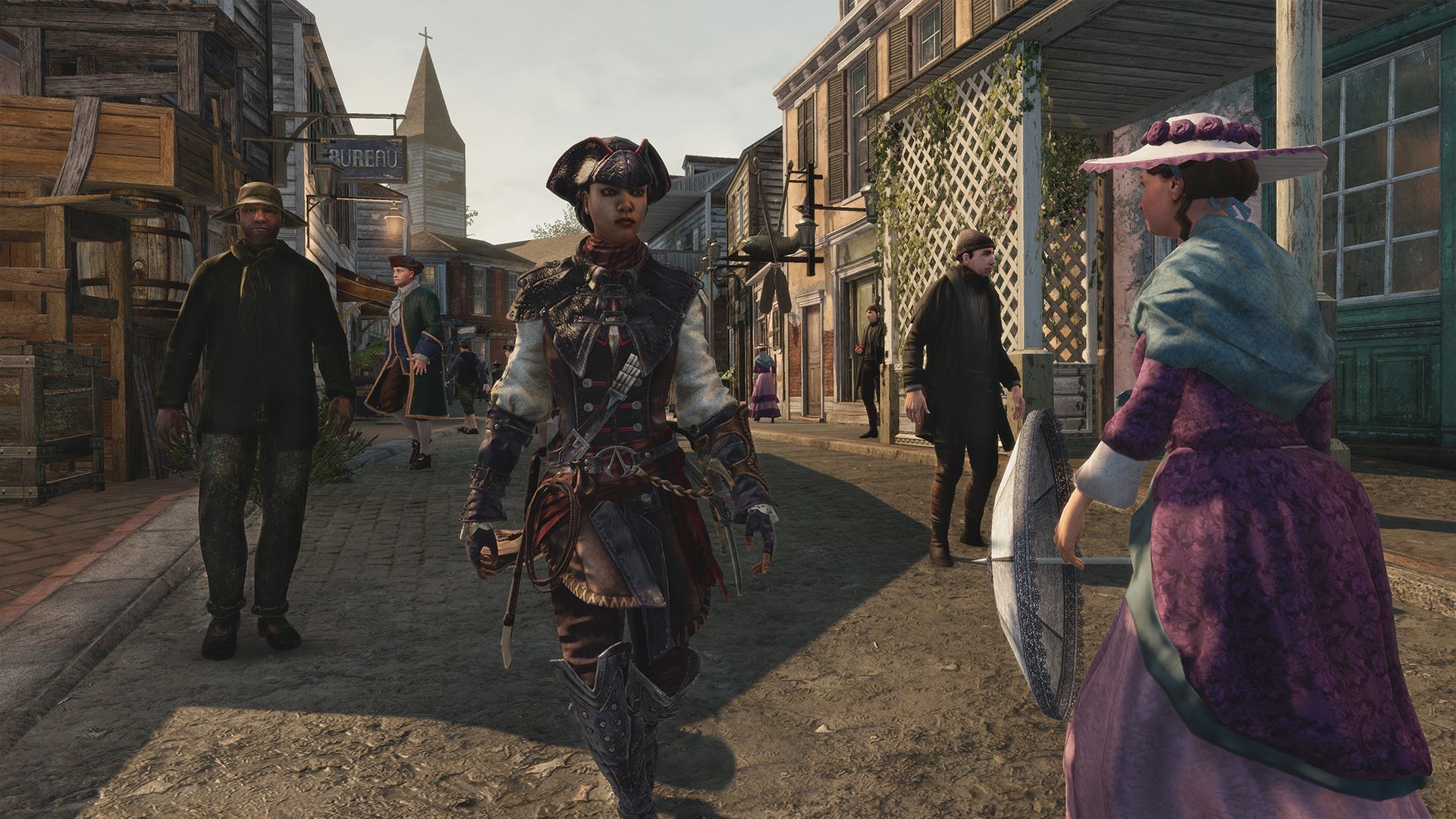
Worries that Ubisoft would soon block people who bought one of its older Assassin’s Creed games from playing it have been allayed, thanks to a statement from the game’s publisher.
Why it matters: Over the last 24 hours, we got a new scene in the ongoing drama about whether players should worry about losing access to games they download instead of buy on disc.
Why it matters: Dominion is seeking $1.6 billion in damages against Fox News, arguing that the network knowingly spread misinformation about the company's role in nonexistent voter fraud.
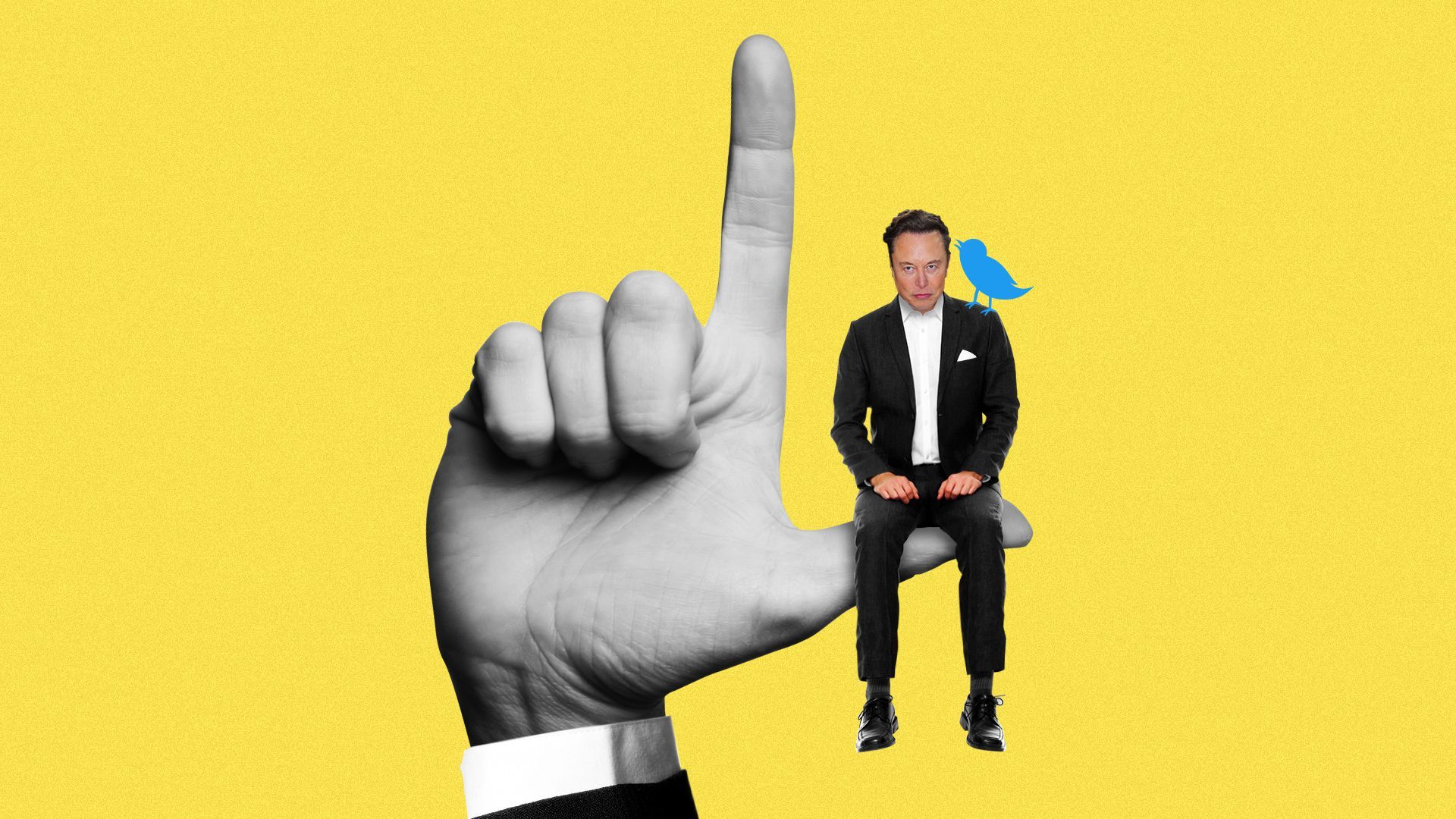
The Elon Musk vs. Twitter fracas has hurt almost everyonein its proximity, no matter how a Delaware judge may rule or if the two sides settle out of court. So let's rank them:
The biggest loser: Musk, who's committed more unforced errors than a toddler playing tennis against a wall.
Following heaps of advice from Axios readers, my wife and I recently told our 5½-year-old twins that we had video games in the house — and that we could play them.
Why it matters: This was a big step. There's no clear guideline about when to introduce your kids to games, not even for someone like me who's reported about games for two decades.
The architects and proponents of Elon Musk's bid to buy Twitter all describe the platform as a global public square whose health is essential for democracy.
Yes, but: Musk's efforts to exit the deal leave the company, and that public square, shakier than ever.
Sens. Amy Klobuchar (D-Minn.) and Elizabeth Warren (D-Mass.) wrote to leadership at Meta last week to press the company about reports it has been "censoring posts containing accurate information about abortion" since the Supreme Court overturned Roe v. Wade, according to a letter shared exclusively with Axios.
Driving the news: Klobuchar and Warren wrote to Meta CEO Mark Zuckerberg and Instagram CEO Adam Mosseri July 7.
Uber allegedly attempted to lobby politicians, including Joe Biden and Emmanuel Macron, to help the ride-sharing service in its "bare-knuckled global expansion" from 2013 to 2017, according to a joint media investigation published Sunday.
Why it matters: Uber's history of challenging or ignoring local laws and regulations has long been a matter of record. But these revelations, outlined in the Guardian-led probe, shared with nonprofit the International Consortium of Investigative Journalists (ICIJ) and outlets including the Washington Post, add new details and help fill out the portrait.