The Biden administration is open to cutting bait on an expansive China competitiveness bill and encouraging Congress to focus solely on passing some $52 billion for the semiconductor industry before leaving for August recess.
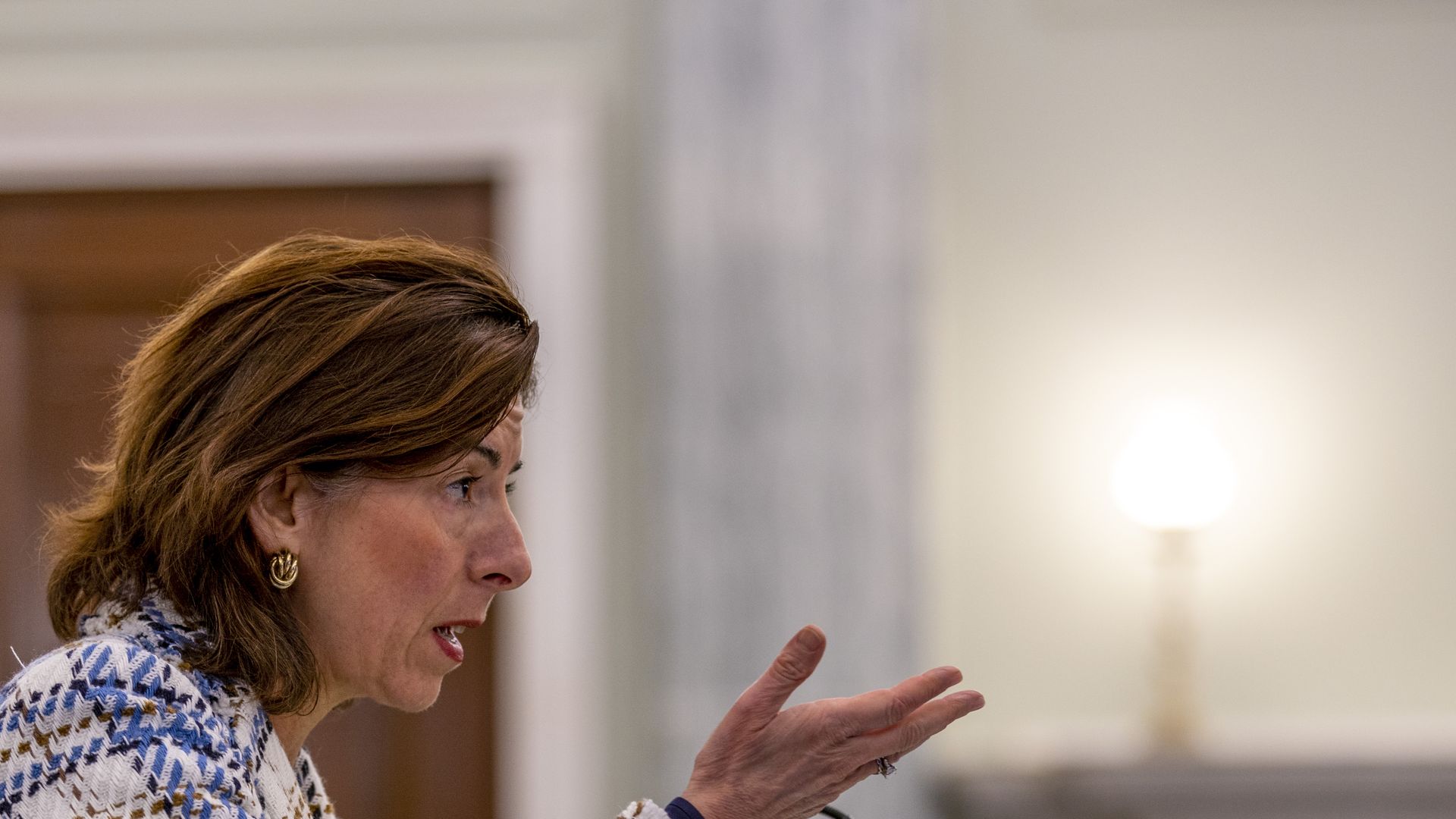
Driving the news: In an interview with Axios, Commerce Secretary Gina Raimondo said the country doesn't have the luxury of waiting for the House and Senate to hash out all the differences on their competing versions of the stalled legislation.
Valve’s new handheld console the Steam Deck has received a wave of positive reviews, but it also has helped to set a new standard in what an open device can offer.
Why it matters: Gaming devices, like PlayStations and iPhones, have classically restricted what they can play and where users can buy games. A new wave of consoles with open designs is giving players free rein to load any software they want and tinker with devices.
A new Walking Dead project debuting on Facebook this week will unfurl a months-long story that is shaped by the decisions of thousands or even millions of people playing a connected video game.
Why it matters: Its creators at GenVid call it a MILE, or massively interactive live event, and pitch it as part of the future of entertainment.
Amazon's video doorbell Ring has shared footage with law enforcement multiple times this year without users' consent, the company said in a letter made public Wednesday.
Why it matters: The proliferation of video doorbells has raised complicated questions surrounding privacy and law enforcement access to footage.
Unity Software, a San Francisco-based interactive gaming engine, agreed to buy Israeli app monetization company IronSource for around $4 billion in stock.
Why it matters: IronSource is the latest in an escalating series of SPAC splats, despite profits and increasing revenue, as it went public just one year ago via a Thoma Bravo-sponsored SPAC at an implied equity value of $11.1 billion.
Twitter, Facebook, Instagram, YouTube and TikTok all get failing marks when it comes to protecting LGBTQ users on their social networks, according to a new report from GLAAD.
Why it matters: Civil rights groups say there is a direct connection between the online harassment and discrimination faced by members of underrepresented groups and real-world violence and erosion of civil rights.
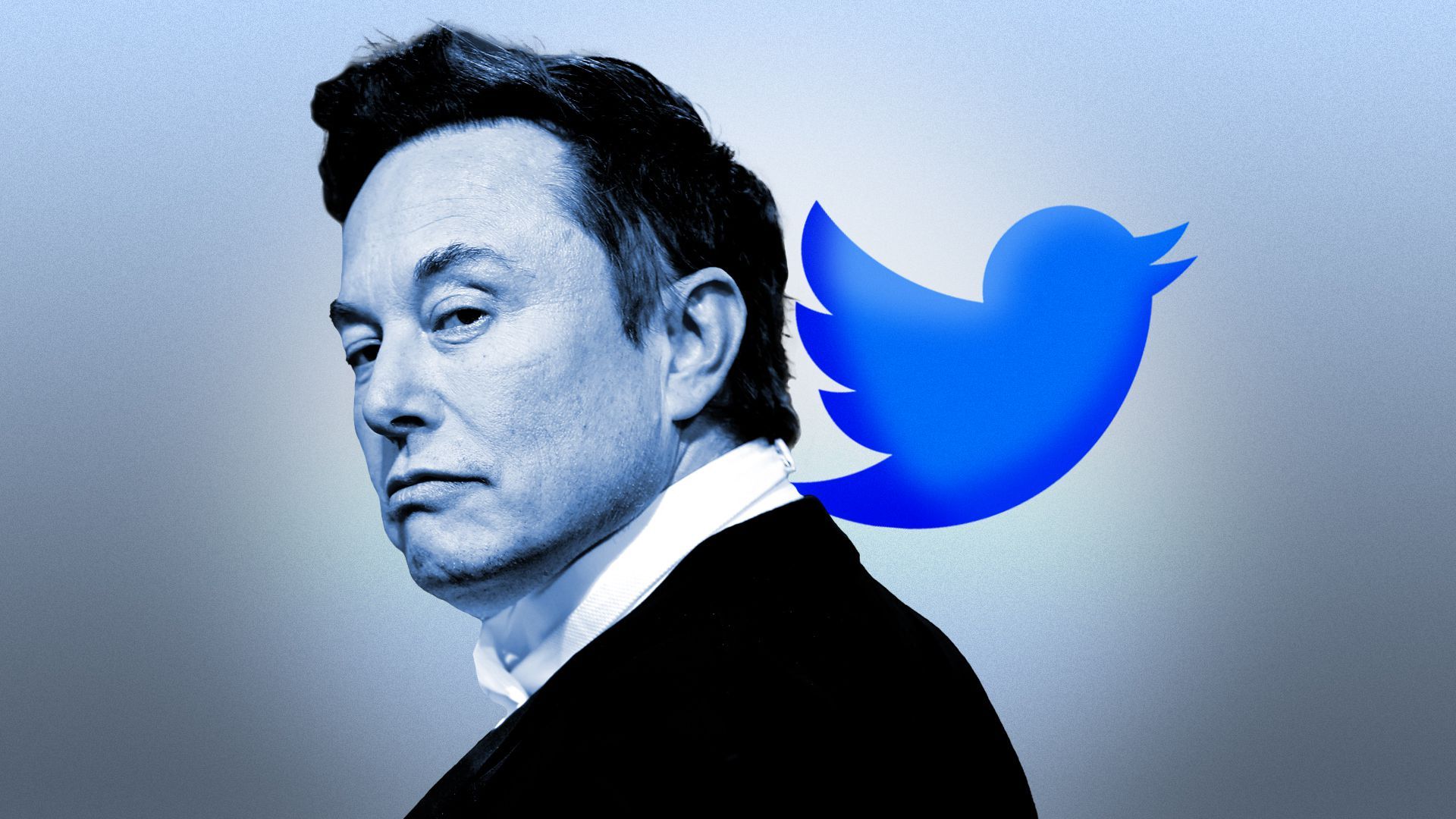
Twitter's lawsuit against Elon Musk reads much like the filing in a divorce proceeding: A few substantive charges mixed in with a bunch of dirty laundry and the complaints of a former lover who now feels jilted.
Driving the news: Twitter on Tuesday made good on its threat to sue Elon Musk for trying to back out of his $44 billion takeover, filing a 62-page complaint, augmented with another 180 pages or so of exhibits.
Creepy or cool? New products that let people keep relatives "alive" via AI are proliferating — offering, say, an interactive conversation with a recently departed dad who took the time to record a video interview before he passed.
Why it matters: As interest in genealogy and ancestryproliferates, these tools let families preserve memories and personal connections through generations — even giving children a sense of the physical presence of a relative who died before they were born.
Twitter on Tuesday made good on its threat to sue Elon Musk for trying to back out of his $44 billion takeover.
What to know: The case will be heard in Delaware Chancery Court, a venue that specializes in corporate disputes and which previously has heard cases in which acquirers seek to renege on signed agreements.
Intel CEO Pat Gelsinger warned the company will delay its $20 billion chip site in Ohio if Congress fails to pass a bill with $52 billion for domestic semiconductor manufacturing.
The big picture: It's the most explicit statement by Gelsinger about the consequences of the legislation being stalled, and comes after Senate Minority Leader Mitch McConnell (R-Ky.) put negotiations in jeopardy.
Wefox, a German digital insurer, raised $400 million in Series D equity and debt funding led by existing investor Mubadala at a $4.5 billion valuation.
Why it matters: This is an up-round in a unicorn roadkill world.
Disney has reached an agreement with The Trade Desk, a global ad tech company, that makes it possible for brands to target automated ads across Disney properties using data matched on the back end from Disney and The Trade Desk.
Why it matters: This is one of the largest media-business efforts yet to craft a new ad-targeting system as third-party tracking fades away, and it's likely to trigger a series of similar partnerships between major media companies and other big ad tech firms.
Twitter has hired Rebecca Hahn, formerly the chief communications officer at the electric mobility company Bird, as its new vice president of global communications, Axios has learned.
Why it matters: The company has lacked a communications lead for the past few months, exacerbating stress from the fallout of its deal drama with Elon Musk.
The Justice Department’s Apple investigation is taking too long, allowing harm to competitors and consumers to continue, several companies say.
Why it matters: Big Tech's dual D.C. threats are antitrust lawsuits and bills that would rewrite the rules for how they operate, but Apple has yet to feel the full brunt of either.
Twitter's deal fiasco with Elon Musk has overshadowed its business challenges, which will likely intensify as growth in the advertising market decelerates and the company deals with the operational fallout from the Musk mess.
Why it matters: Musk's initial $44 billion offer to buy Twitter was already an extraordinary premium on Twitter's stock, but it's an even bigger number considering the current market free fall.











/2022/07/12/1657650542387.gif?w=3840)