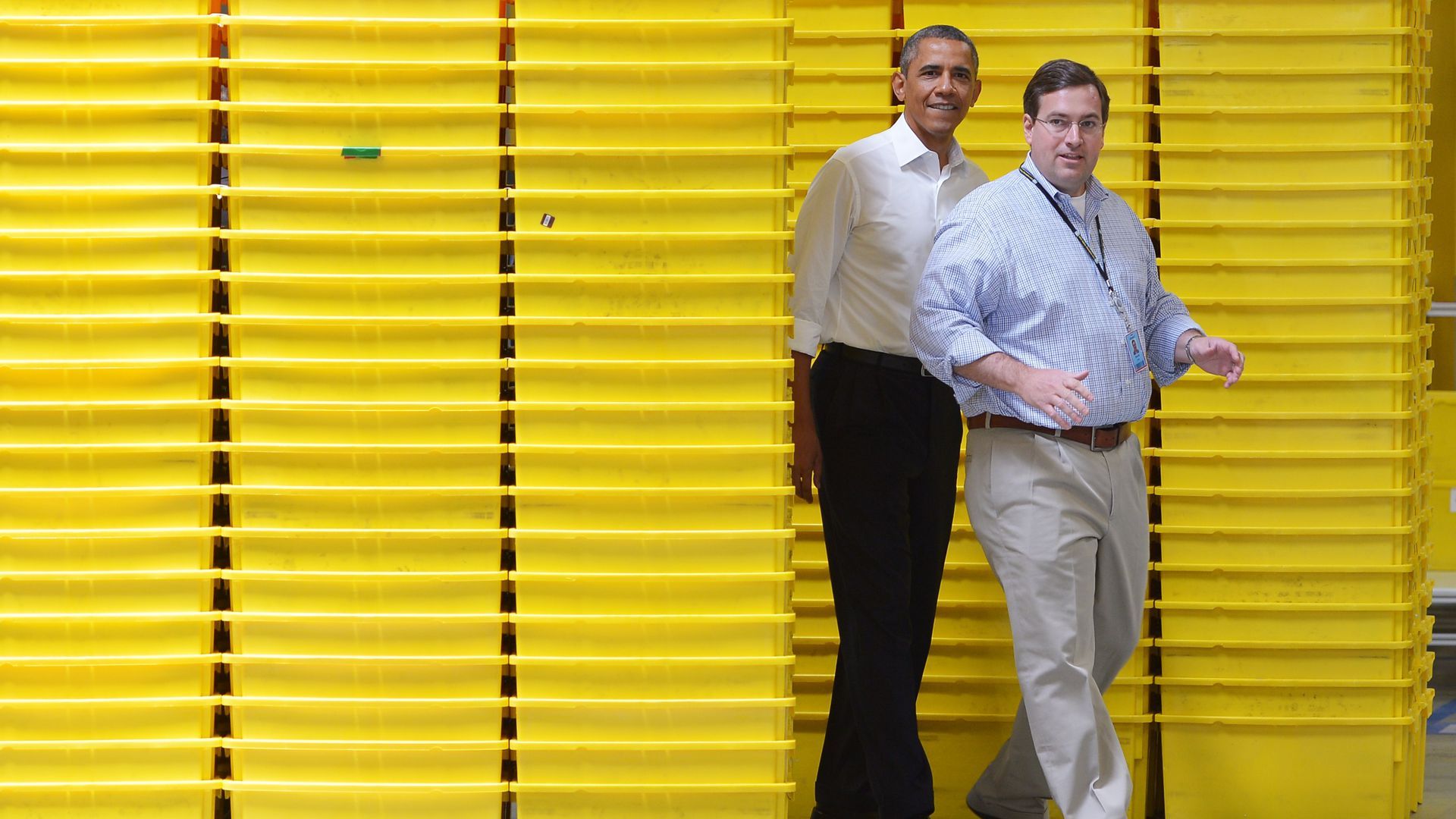
The head of Amazon's consumer business, Dave Clark, is leaving July 1, Amazon announced in a regulatory filing Friday.
Why it matters: Clark, who reports directly into CEO Andy Jassy, has helped to build Amazon's logistics operations into the powerhouse that it is now.
As of the end of 2021, Amazon had more than 400 fulfillment centers globally, 160 sortation centers, 1,000 delivery stations, 260,000 drivers, and 100 aircraft in its Amazon Air cargo fleet.
What he's saying: "Twenty-three years ago, I took what felt like a big personal bet when I joined Amazon out of grad school. We were a small company with only six fulfillment centers that year, but growing fast," Clark wrote in a note posted on Twitter.
"I've had an incredible time at Amazon but it’s time for me to build again. It's what drives me," he tweeted.
The big picture: This is the second big executive exit in Big Tech this week, following news that Sheryl Sandberg, Meta's chief operating officer, is stepping down from Facebook's parent company after 14 eventful years.
What to watch: As of Friday, Amazon had not named a replacement.
The company is "trying to be thoughtful in our plans for Dave’s succession and any changes we make. I expect to be ready with an update for you over the next few weeks," Jassy wrote.
Sony showed off some major games during a widely-viewed digital event yesterday, but only one of them will even come close to releasing during the 2022 holiday season.
Why it matters: The latter half of this year is looking unusually fallow for big game releases.
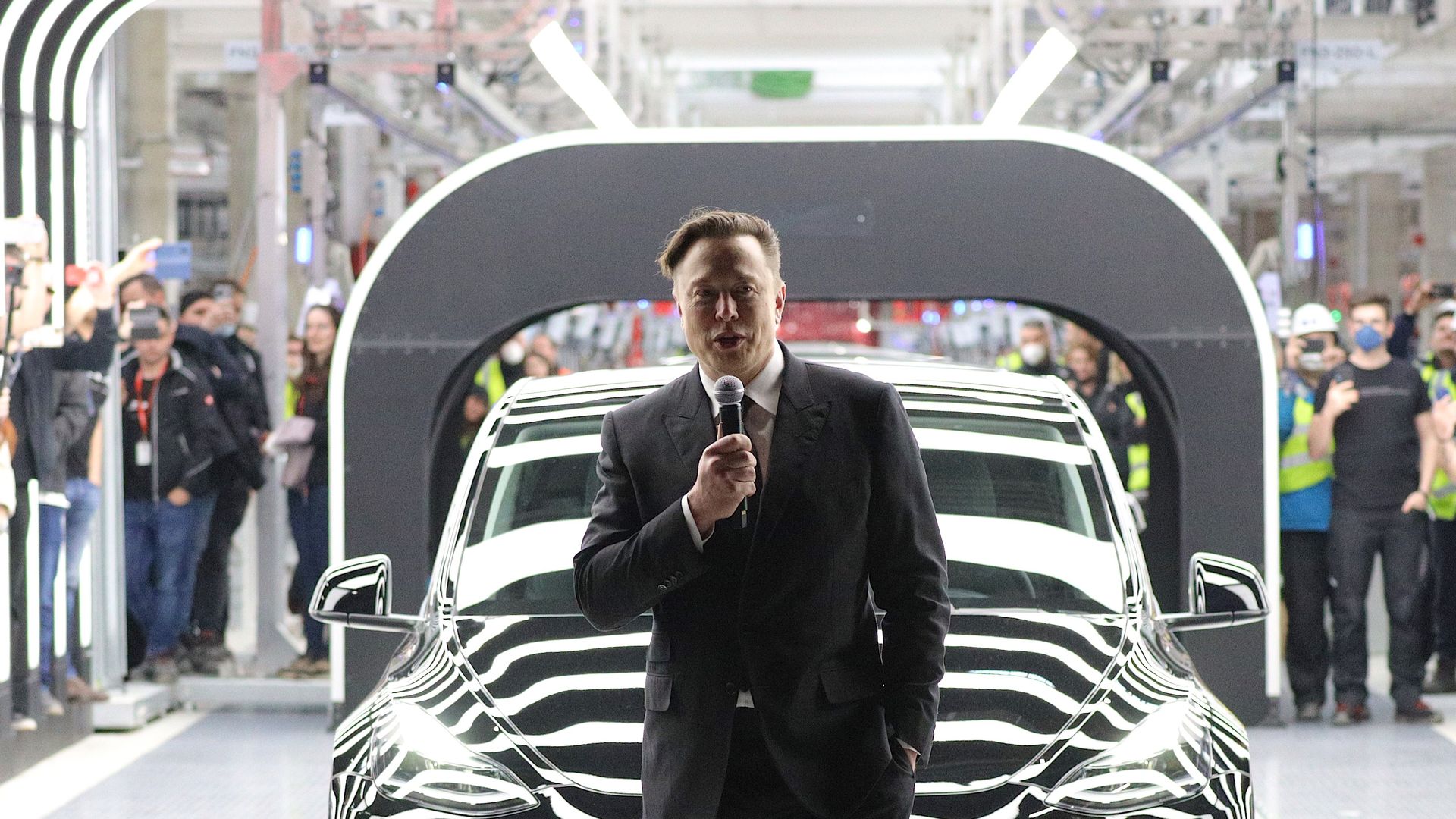
Tesla CEO Elon Musk was caught in a firestorm this week over remote work and is now saying he'll cut a portion of jobs at Tesla, leading shares in the electric vehicle to dip on Friday.
The big picture: The billionaire's bid to buy Twitter has put a new spotlight on his other companies.
Committee leaders in both the House and Senate are poised to introduce an online privacy bill, with key lawmakers releasing a bipartisan draft Friday.
Why it matters: The U.S. has lagged behind the E.U. and China in establishing national privacy rules for online platforms, but this bipartisan effort shows signs of life even as the looming midterms mark the unofficial end of legislating.
One crypto trading platform wants to allowits U.S. retail customers to make levered trades on future bitcoin and ether prices, proposing a different way of running an old market that is drawing ire from Wall Street firms with skin in the game.
What's happening: FTX, a global crypto exchange, has been seeking permission from U.S. regulators to execute its model of risk management for the clearing of margined trades in the futures derivatives market.
The Commodities Futures Trading Commission (CFTC) has sued the exchange, Gemini, over selling cash settled bitcoin futures products starting in 2017.
Why it matters: From the very beginning, Gemini has always positioned itself as the most pro-regulation, by the book actor in crypto. The fact that it's getting sued could represent a very aggressive signal from the Biden administration.
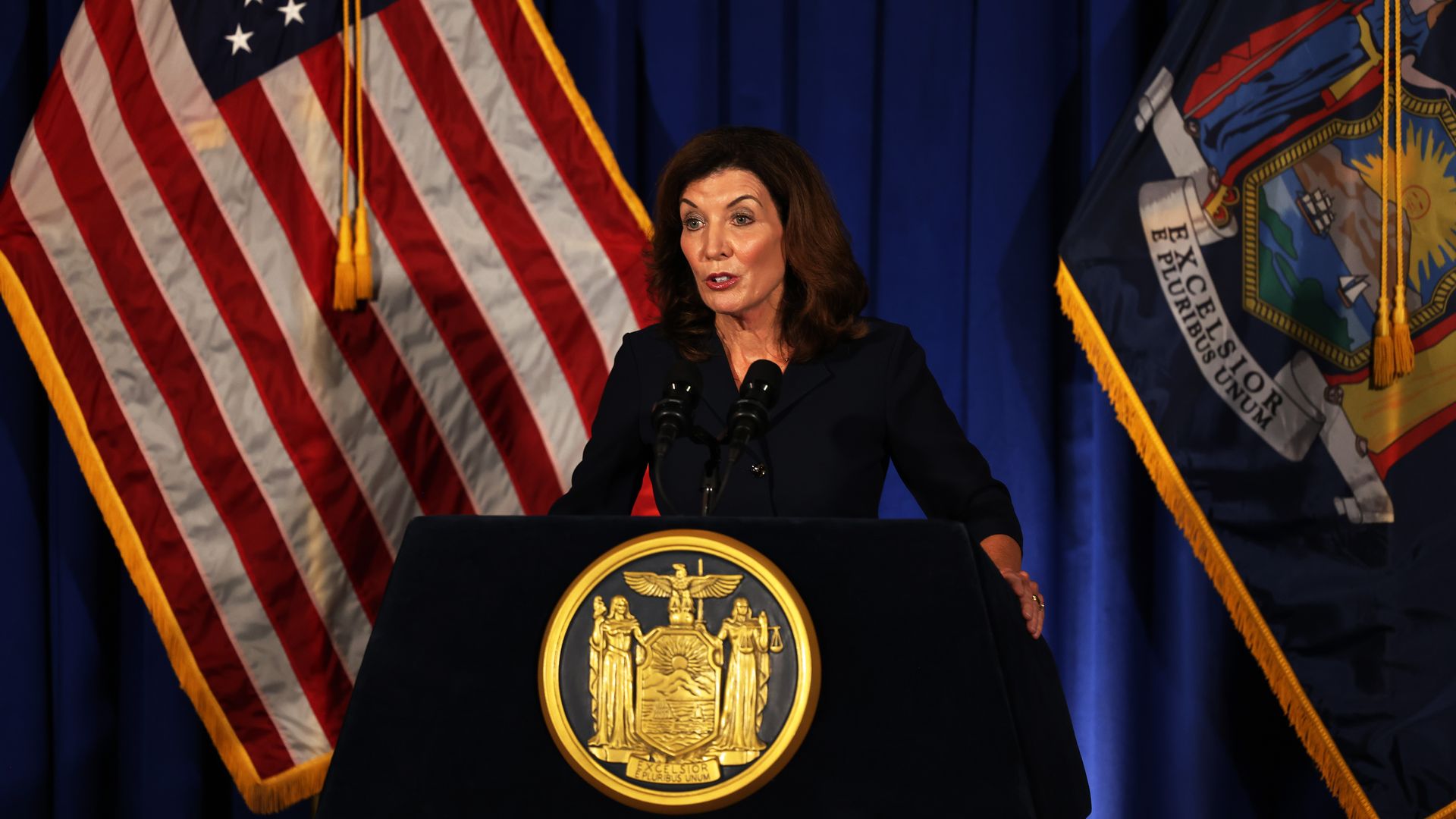
The New York State Senate passed a two-year crypto mining moratorium bill that now moves to Gov. Kathy Hochul's desk.
Why it matters: New York State is home to some of the more onerous cryptocurrency regulations in the country, which some say will stifle a blossoming industry and send it (read jobs) elsewhere.
A network of Twitter accounts previously linked to the Chinese government is targeting female journalists of Chinese heritage who work for western news outlets in a campaign of online harassment, according to a new report.
Why it matters: The campaign appears to be part of the Chinese government's efforts to silence criticism of Beijing abroad through coercion, intimidation, and retaliation.
Congress hasn't budged on President Biden's pick for a key tie-breaking FCC seat as the clock ticks down on the chance for a vote.
Why it matters: Without confirmation of Biden's nominee, Gigi Sohn, the communications regulator will remain deadlocked — hobbling efforts to enact the administration's agenda of expanding broadband access and promoting digital equity.
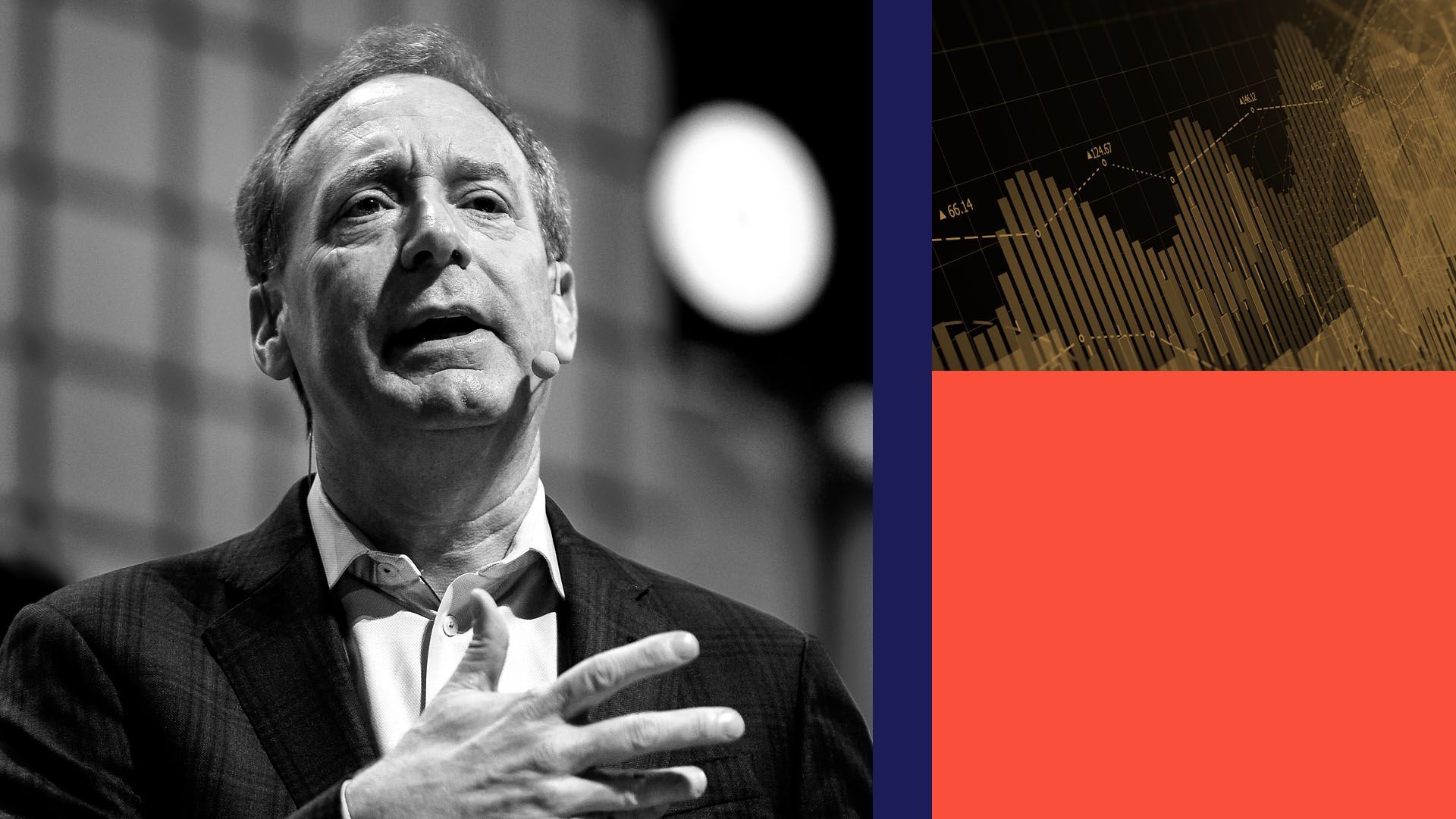
Microsoft is announcing today that it won't stand in the way of company employee efforts to unionize, putting it in stark contrast to other tech companies.
Why it matters: The announcement comes amid a growing movement to unionize parts of the tech workforce, and as Microsoft seeks to close a deal to purchase Activision Blizzard, some units of which have pursued unionization.
Facebook parent Meta announced a broad reorganization of its AI efforts Thursday, a move that will embed more work within product teams and will also see a top AI executive leave the company.
Why it matters: Like rivals Google and Microsoft, Meta is looking to make sure that machine learning and AI are used broadly throughout the company, not locked away in research units.
After more than two decades as a ruler of Silicon Valley, Sheryl Sandberg told me it's getting harder to predict where tech is headed. The trends, she said, will hit "deeper and more quickly than we think ... I don't know those future trends."
Why it matters: Sandberg and Mark Zuckerberg built a behemoth of a business out of Facebook. Her planned departure this fall as Meta COO, announced yesterday, comes amid a global reckoning around how technology is used.
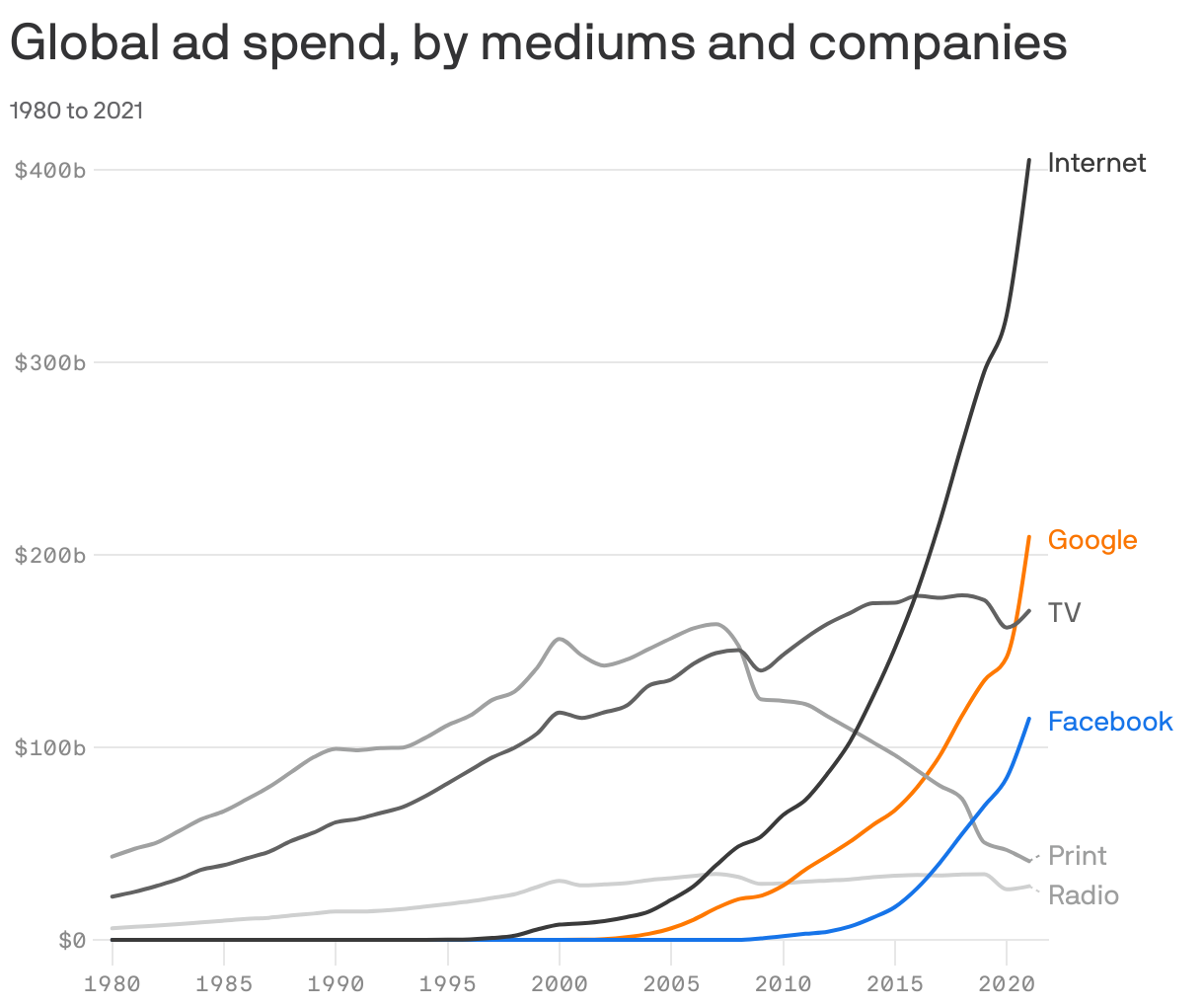
Data: Zenith, Google, Facebook; Chart: Jared Whalen/Axios
Sheryl Sandberg grew Meta's revenue from $272 million in 2008 to nearly $118 billion in 2021. That's over 43,000% higher.
Why it matters: Depending on who you ask, the corporate growth story she's responsible for is one of the most impressive in history — or one of the most reckless.
A coalition of child advocacy groups want the Federal Trade Commission to investigate Electronic Arts, warning the agency in a complaint Thursday that its popular FIFA video game exploits children and teens.
What's happening: 15 groups, including Fairplay and the Center for Digital Democracy, told the FTC that the game's use of loot boxes (boxes containing randomized virtual content, which can be bought with real money) exploits children by promising a competitive advantage and obscures the real cost with virtual currency.
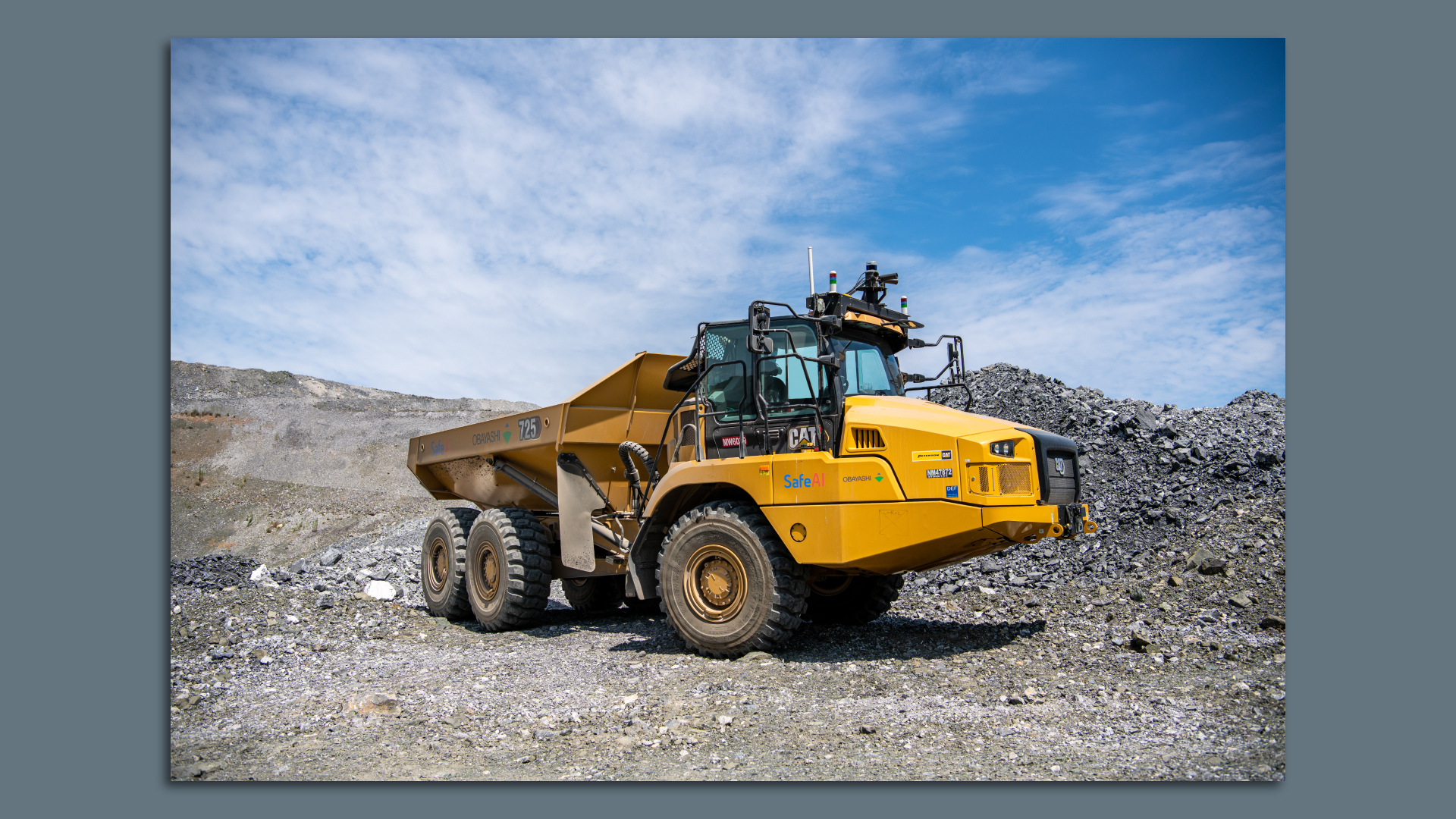
Autonomy startup SafeAI is partnering with German industrial titan Siemens to create electric, autonomous heavy trucks for Japanese construction giant Obayashi, Axios is first to report.
Why it matters: Construction and mining companies are under pressure to reduce their carbon footprint, improve safety and lower costs.
By electrifying and automating their fleets, they're leading an off-road transportation revolution that's just as important as the transformation of passenger cars.