Activision Blizzard’s big mobile gaming bet, Diablo Immortal, went live in the U.S. today, one day earlier than planned, replete with the kinds of in-game purchasing offers abundant in mobile games.
Why it matters: Diablo is the first of Blizzard’s revered, long-running PC franchises to be converted to mobile, and it's the first to be festooned with the kind of monetization systems that tend to be lucrative for publishers but controversial with many players.
The games industry’s annual June promotional circus will be a little quieter this year, as publishers telegraph difficulties filling out 2022’s release calendar.
Driving the news: There’s no Electronic Entertainment Expo this year, no giant trade show packing the Los Angeles Convention Center in the second week of June. But some smaller events, starting this week, will make that void feel less empty.
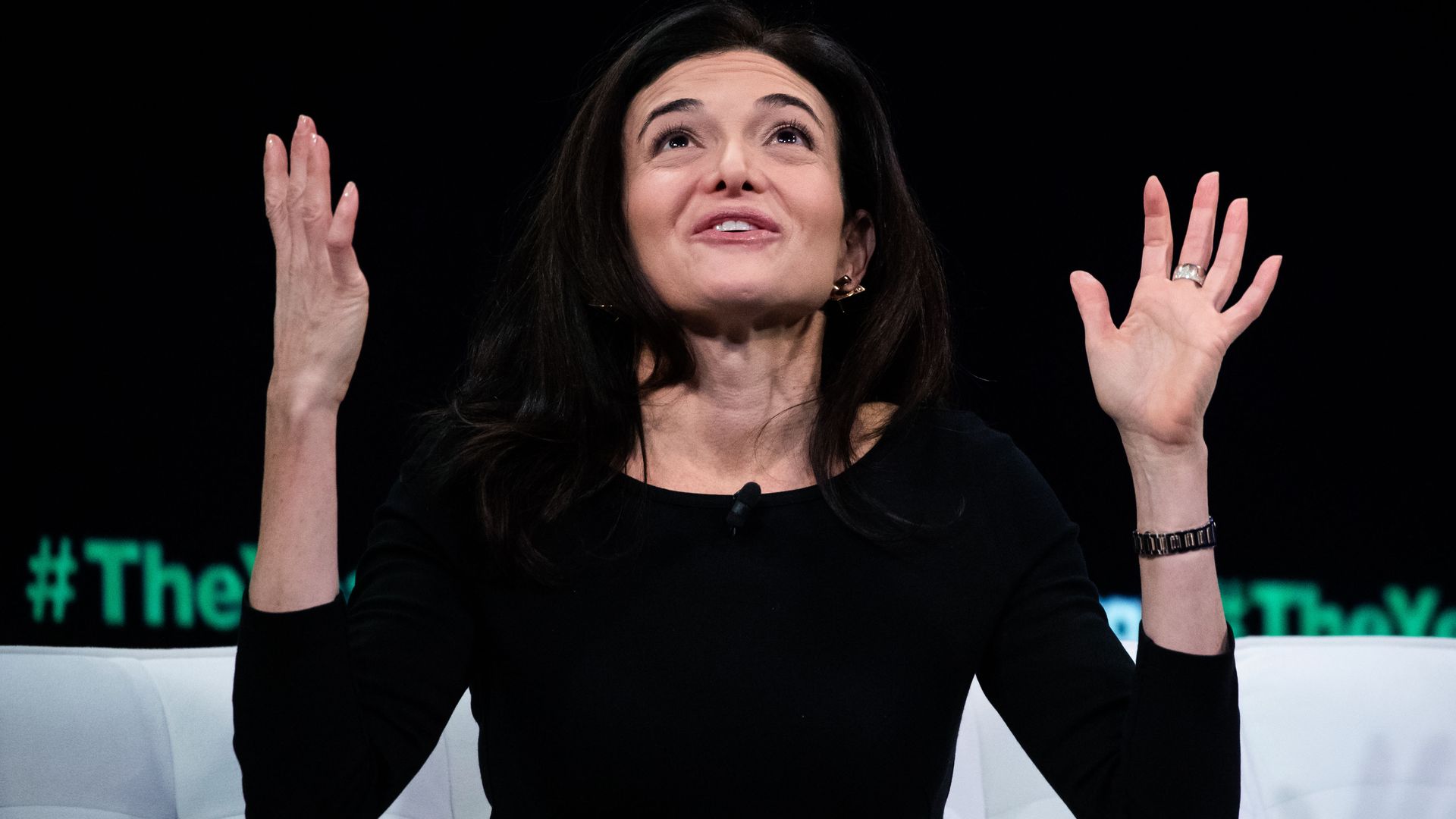
Meta's longtime chief operating officer Sheryl Sandberg is leaving the company she helped build after 14 years, she announced in a Facebook post Wednesday. Sources say the decision was Sandberg's.
Why it matters: Under Sandberg's leadership, Facebook parent company Meta grew to be one of the most powerful technology companies in the world. But in recent years, Sandberg became one of the public faces of many of Facebook's biggest controversies, including Russia's efforts to meddle in the 2016 election, the Cambridge Analytica privacy scandal and most recently the leaked document trove known as the Facebook Files.
The FBI arrested a former OpenSea employee on Wednesday for insider trading of NFTs, according to a Justice Department announcement.
Why it matters: The case signals that laws around profiting on non-public information apply just as much on the blockchain as they do in more traditional markets.
In certain parts of the world, getting paid in crypto can save employees real money, and that's why an international payroll platform is getting more and more into crypto.
Driving the news:Deel specializes in solving the challenge of international workers. It has legal entities all over the world, so its clients' global workers are technically employed by Deel. It's now opening its services to crypto-native businesses known as DAOs (decentralized autonomous organizations).
There appears to be one route to public markets that will slow down crypto: merging with SPACs or special purpose acquisition companies.
Why it matters: The extra time being seen in regulatory reviews for crypto SPAC deals coincides with heightened regulatory scrutiny for those go-public vehicles, as well as for the crypto sector at large.
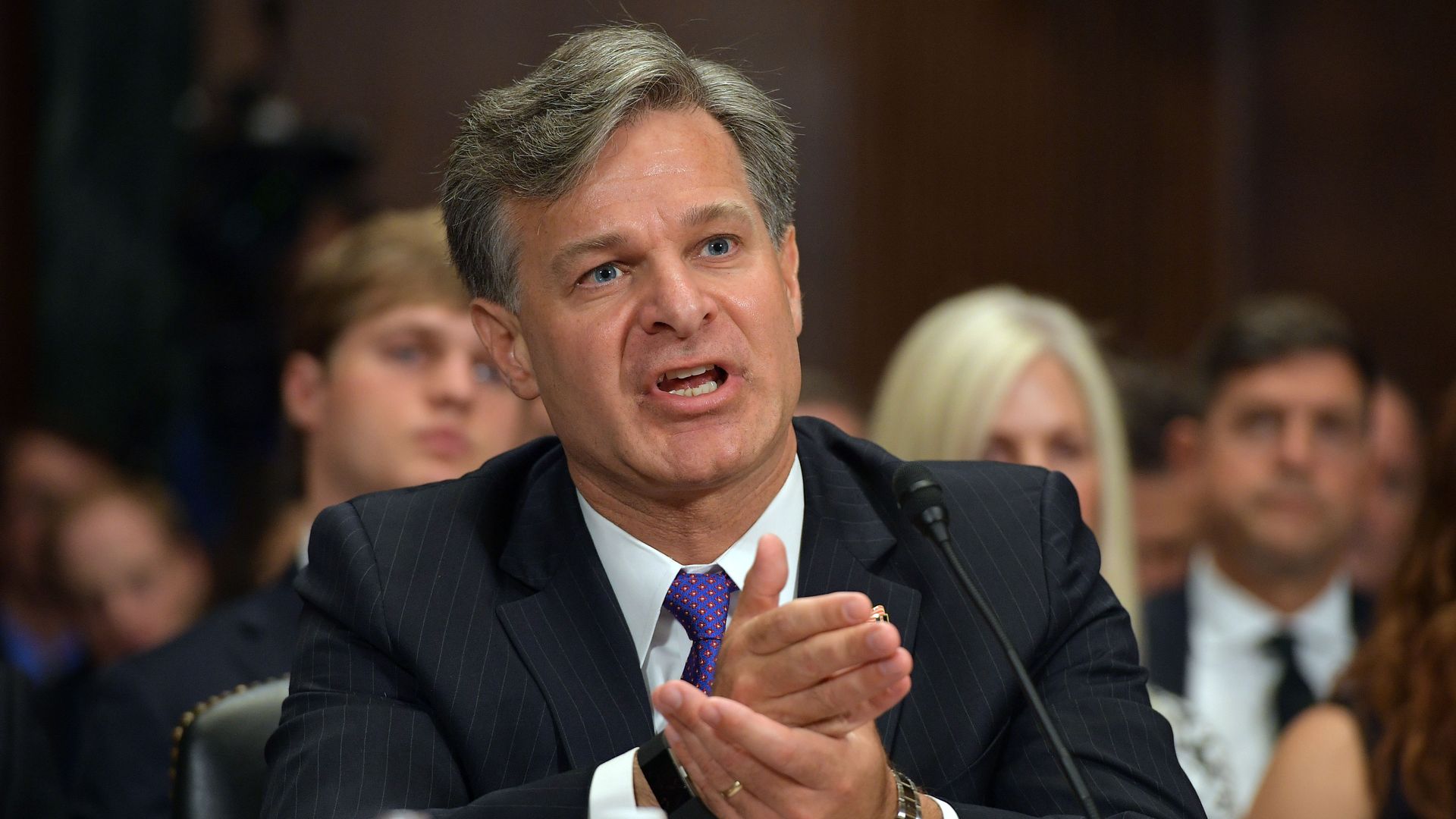
FBI director Christopher Wray said Wednesday that hackers "sponsored by the Iranian government" were behind a thwarted cyberattack against Boston Children's Hospital last year.
State of play: Wray said the FBI managed to block the alleged attack last summer, which he called "one of the most despicable cyberattacks I've seen."
Ultima Genomics,a Newark Calif.-based gene sequencing startup, exited stealth with around $600 million in venture capital funding.
Why it matters: Ultima claims it can sequence an entire genome for just $100, which is an affordability advancement that could significantly accelerate genomic research. It's also seeking to challenge Illumina, an incumbent valued at more than $37 billion.
From one perspectivecrypto startups operate on a new and innovative business model. From another, it just re-invented stocks. Time will tell which one is right.
Why it matters: Crypto'smelding of innovative decentralized principles with longstanding characteristics of equity securities is certain to occupy regulators for years to come. In the meantime, how startups operate is continuing to evolve.
If last weekend was any indication, we're in for a turbulent summer for air travel, with staff shortages and severe weather interrupting our long-delayed getaways.
Why it matters:The summer of revenge travel is pushing up against the limits of airlines' capability to recover from the two-year pandemic. Passengers should be prepared for fewer choices, higher prices and more delays.
Conservatives' long campaign against social media platforms keeps hitting a wall.
Why it matters: Republicans in Washington haven't been able to change the laws that govern the way platforms moderate users' content. Conservatives' alternative platforms have largely failed to gain traction. And the latest blow came from the Supreme Court.