Nintendo Switch Online is expanding with N64 and Sega Genesis games as part of an additional membership called Nintendo Switch Online + Expansion Pack.
Why it matters: The new tier is likely to cost more than the existing membership, making access to older games even more expensive.
Twitter on Thursday announced a slew of new product updates, spanning everything from a creator fund to live audio improvements and even Bitcoin tips.
Why it matters: For years, Twitter made few changes to its product, instead relying mostly on ad innovations to grow its business. Now, it's adding new features faster than it ever has before.
Two years into the 5G era, expensive new cellular networks have blanketed much of the country, but they have yet to change our lives.
Between the lines: It was always going to take some time for 5G's full impact — from faster service to new uses — to arrive. But the pandemic has slowed even some of the initial benefits.
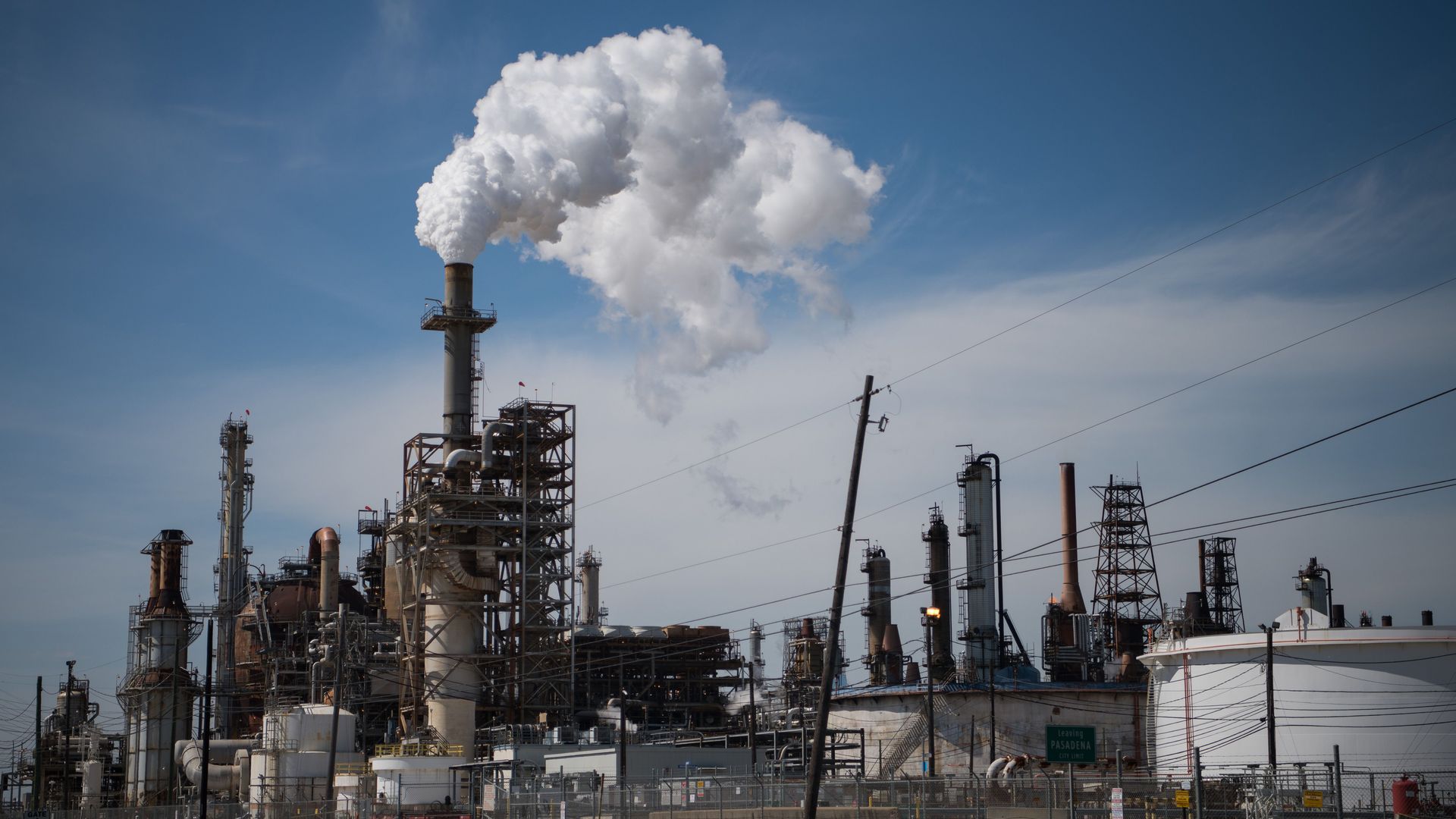
The Port of Houston, a critical port on the Gulf Coast, "successfully defended itself" against an attempted cyberattack last month, it said in a news release Thursday.
State of play: Cybersecurity and Infrastructure Security Agency Director Jen Easterly first told a Senate panel about the attack Thursday morning, adding that she believed a “nation-state actor” was behind it.
Some unusual new game releases from Konami highlight the strange state of one of gaming's most legendary companies.
Why it matters: Konami was once as revered as Capcom, Sega, Square, Nintendo and other Japanese game-makers, but it has drifted into other businesses and lost the confidence of many players, particularly in the West, who are no longer quite clear what it stands for.
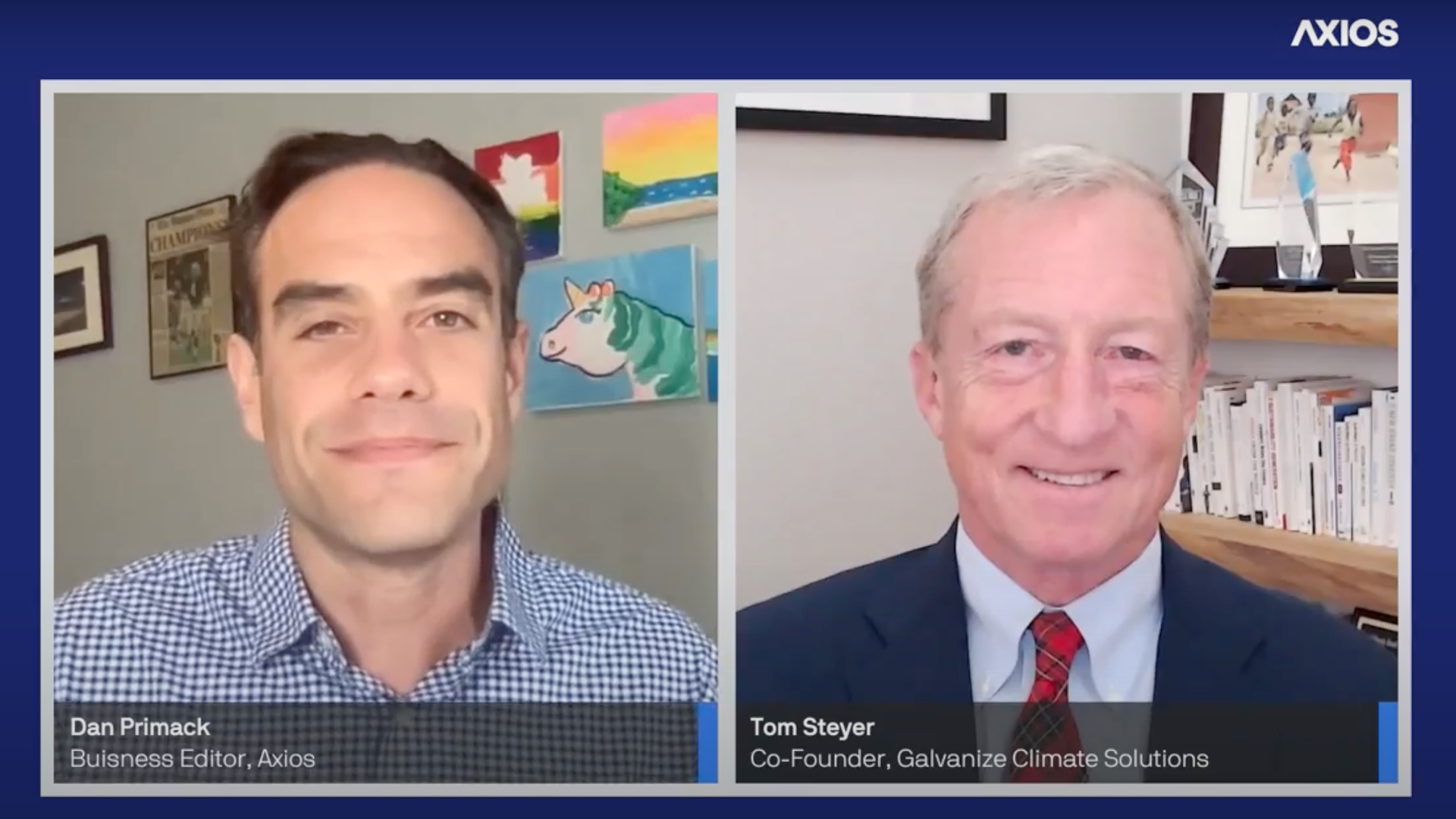
The world will have to spend four trillion dollars a year to solve the climate crisis, Tom Steyer, the billionaire founder of Farallon Capital, said at an Axios virtual event on Thursday, but private businesses will play a crucial role.
Why it matters: Steyer's comments come two weeks after the billionaire launched Galvanize, a climate tech investment platform that will back companies from the seed-stage through private equity and project finance.
How much would you pay for "a sleek, if pleasantly confusing, package of moods" or "a confusing tangle of disjointed installations" or even "the total erosion of meaning itself"? The answer, according to the current market-clearing price, seems to be about $35.
Why it matters: Investors are pouring hundreds of millions of dollars into ticketed experiences — immersive, interactive museum-like spaces that don't have the d0-not-touch stuffiness of traditional museums.
Facebook confirmed Wednesday that CTO Mike Schroepfer will leave that post next year and become a part-time adviser, while longtime engineering executive Andrew Bosworth will assume the CTO role.
Why it matters: It's a major leadership shift that has one veteran engineering leader cutting back his involvement and another getting a significant promotion.
Since I was in Seattle anyway, I managed to pop over to Redmond Wednesday to check out the array of Surface hardware Microsoft debuted earlier in the day.
Why it matters: Microsoft is rolling out Windows 11 on Oct. 5 and the new products give it a fresh lineup to accompany the biggest update to its operating system in years.
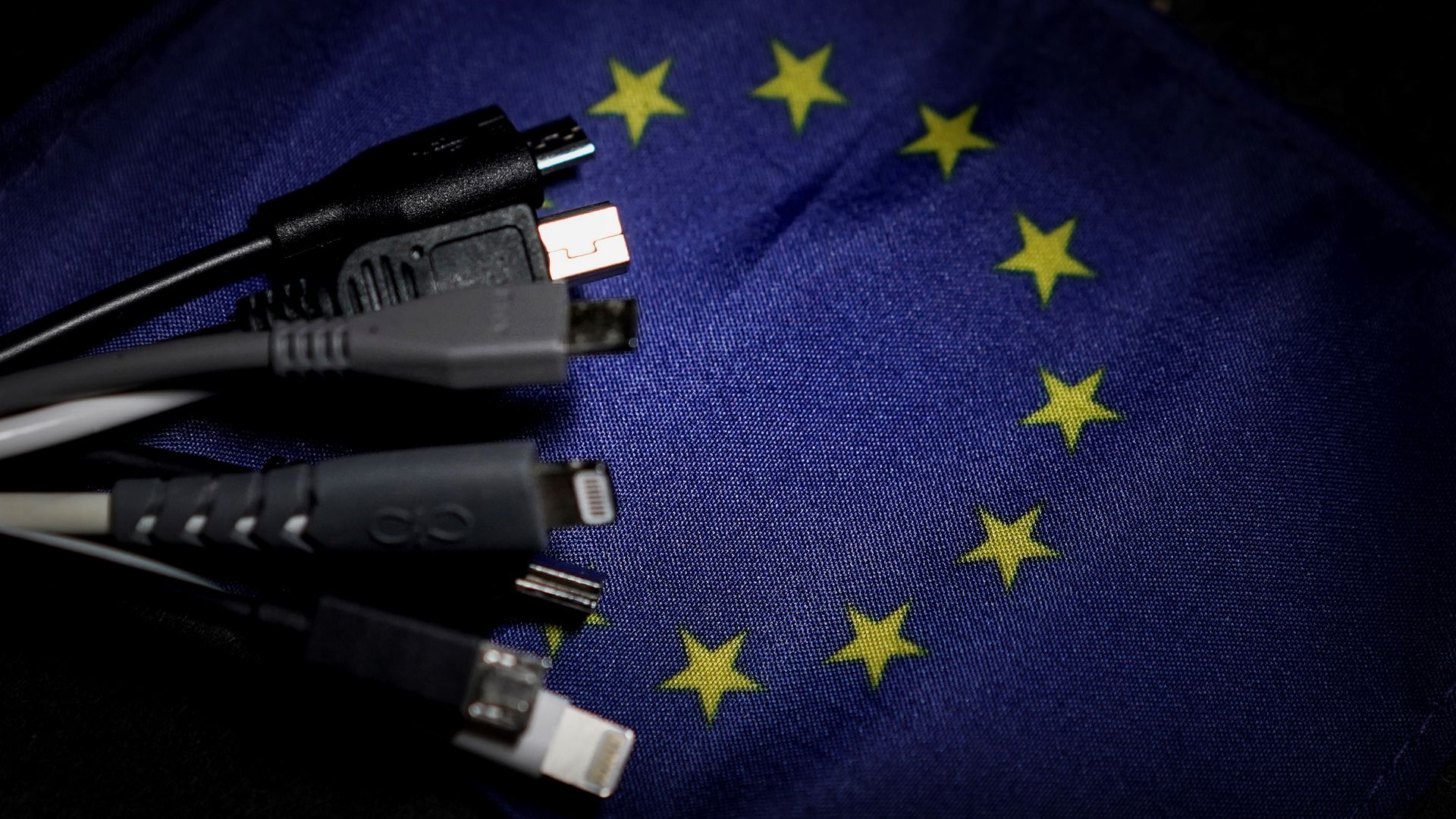
The European Commission proposed legislation Wednesday that would require mobile phone manufacturers to adopt a single charging method in an effort to boost convenience for consumers and cut down on electronic waste.
Why it matters: If the European Parliament passes the legislation, USB-C will become the standard charging port used in all newly produced smartphones, tablets and other chargeable consumer electronics sold in the European Union.
Consumers who rushed to use delivery services during the pandemic won't abandon them even though most restrictions have eased, says Instacart's new president, Carolyn Everson.
Thousands of green cards are about to go to waste, leaving Google, Microsoft and other tech companies fuming — and pushing the Biden administration to ensure it doesn't happen again.
Why it matters: Tech workers have waited years for green cards that will grant them permanent legal status in the U.S. — but because of pandemic-related processing delays, they will have to wait even longer.