Eidos-Montréal's upcoming entry into the Marvel gaming universe, "Guardians of the Galaxy," has big shoes to fill — but may just be on track.
The details: A recent demo given to the press covers part of the game's fifth chapter, where the Guardians find themselves exploring an oddly deserted Nova Corps station.
Epic Games CEO and founder Tim Sweeney said Wednesday that Apple has "blacklisted ['Fortnite'] from the Apple ecosystem until the exhaustion of all court appeals," a process that could take up to five years.
Why it matters: It appears "Fortnite" won't be returning to the Apple store any time soon.
Microsoft unveiled updates to its Surface line, including laptops, convertible tablets and an improved versions of its Android-based dual screen Surface Duo.
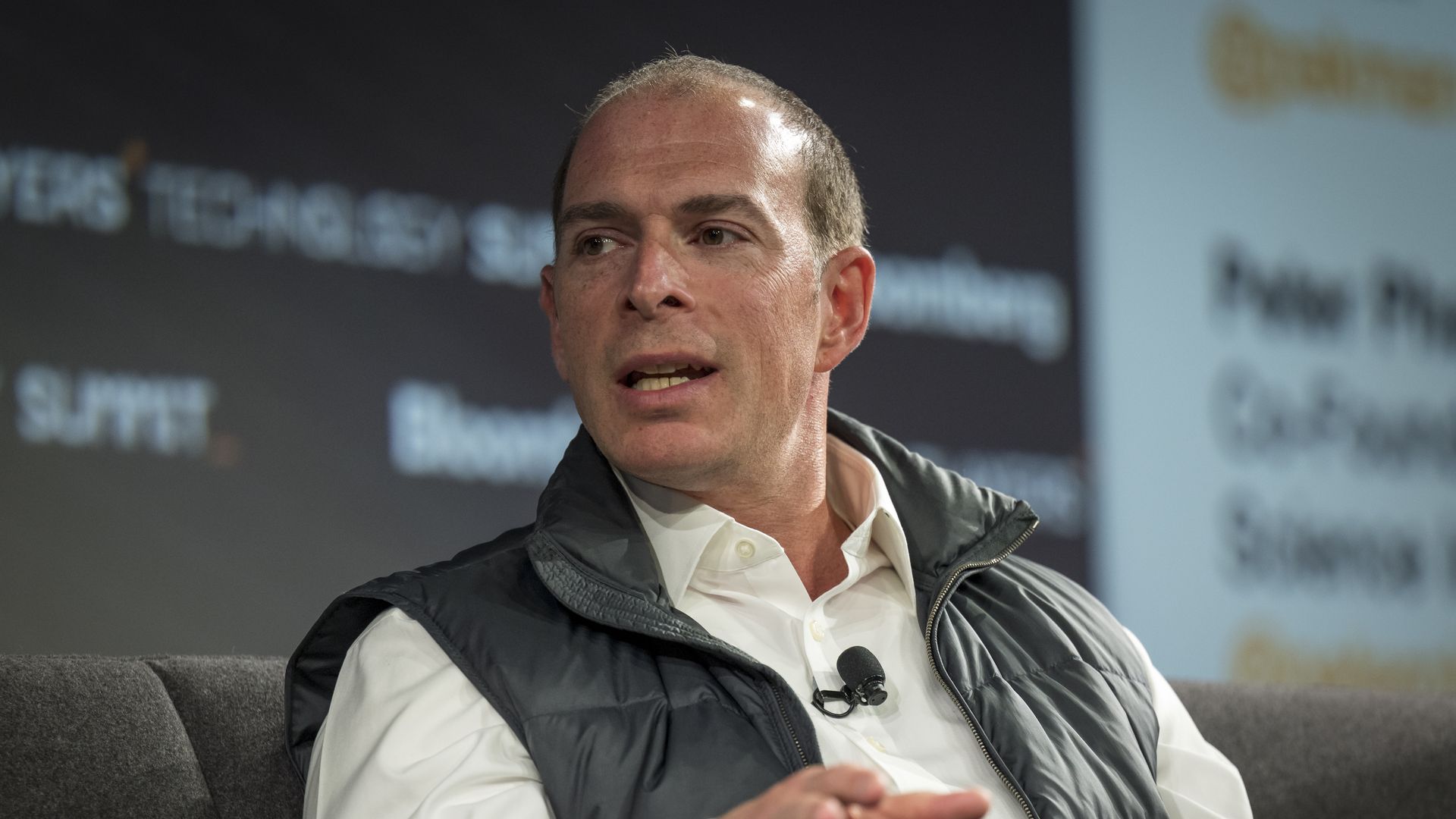
Venture capitalist David Pakman is leaving Venrock after nearly 13 years, to become managing partner of crypto-focused CoinFund.
Behind the scenes: Pakman has backed several crypto startups via Venrock, including NBA Top Shot creator Dapper Labs, but regulatory limits make it hard for traditional venture firms to dive too deep into crypto without becoming a registered investment adviser.
Facebook said Wednesday that changes to Apple’s new privacy terms will continue to cause headwinds for its ads business in the third quarter.
Why it matters: Facebook doesn’t typically provide these types of updates outside of earnings calls. The update signals to investors that the company is seeing numbers in the current quarter that reinforce previous warnings about impact from Apple’s changes.
Facebook is ditching apologies and taking a more combative stance against its critics as it faces a new barrage of negative coverage and leaked internal reports.
Driving the news: As part of the new posture, Facebook started testing placing positive messages about itself in users' News Feeds last month, according to a New York Times story Tuesday.
Federal law enforcement agencies are purchasing surveillance drones from a Chinese company the Pentagon has deemed a potential national security threat, Axios has learned.
Why it matters: Efforts to purge military and law enforcement agencies of potentially compromised Chinese technology have stalled amid bureaucratic red tape, and experts worry the federal government is needlessly exposing itself to snooping by malicious foreign actors.
Next month’s release of “Alan Wake Remastered” highlights one of the most frustrating things about gaming: new games age quickly, and, before you know it, they become hard to access or play.
Why it matters: Games have such a significant preservation problem that even an acclaimed interactive thriller like “Alan Wake,” released a mere 11 years ago, needs an expensive salvage effort to bring it to a large audience today.
Roblox is rolling out an age verification system starting Tuesday that involves a lot more than asking users to click a birthdate from a dropdown menu and really, please, don’t lie.
Why it matters: Roblox is promoting this as a way to safely roll out new features like voice chat, which will only be offered to users 13 and older.
An increase in network shutdowns, combined with a rise in disinformation campaigns, adds up to another decline in internet freedom in the U.S. and around the globe, according to Freedom House.
Why it matters: It's the 11th consecutive year that the internet has been less free globally and the fifth straight yearly decline in the U.S., the group says in its annual report on the subject.
The Facebook Oversight Board on Tuesday called on the social media giant to "commit to transparency" in the wake of a Wall Street Journal report last week that millions of high-profile users get special treatment by content moderators.
Why it matters: Although initially funded by Facebook, the Oversight Board operates independently as a kind of Supreme Court for the platform. The company has agreed to obey its rulings on specific content disputes, but the board's broader policy advice is strictly on a "recommendation" basis.
Facebook is adding a portable model to its line of Portal video-chat devices, while also introducing a slimmer version of its high-end Portal+ model and expanding the business uses of the products.
Why it matters: Facebook has seen strong demand for Portal as the pandemic has made video chat a mainstream application for education, work and family communication.
The Washington Post on Tuesday launched an ad network as part of its Zeus advertising technology business, executives told Axios. The network has been in the works for two years.
Why it matters: Marketers have long said they want to buy ads with the ease and efficiency of platforms like Google and Facebook, but on trusted websites like premium news publishers. This ad network solves that.
A startup is developing AI voices that can be edited to present different emotional intonations.
Why it matters: The voiceover industry — including everything from video games to audiobooks — stands to be disrupted if tech companies can deliver AI-generated text-to-speech voices that can truly mimic human speech.
Microsoft's 85% share of the productivity business within the U.S. government market is part of a harmful "monoculture" that stifles innovation, according to a new report commissioned by Google and the Computer & Communications Industry Association.
Between the lines: The report is the latest example of Google and Microsoft going after one another since the companies scrapped a pact to avoid direct attacks.
Fortune announced Tuesday that Alyson Shontell, the current co-editor-in-chief of Insider's business division, will become its next editor-in-chief effective Oct. 6.
Why it matters: Shontell will be Fortune's first female editor-in-chief in its 92-year history.
Leaders of the Stop Hate For Profit social media boycott group are discussing whether to organize another campaign against Facebook in light of an explosive investigative series from the Wall Street Journal, Common Sense CEO Jim Steyer tells Axios.
The intrigue: Sources tell Axios that another group, separate from the Stop Hate For Profit organization, is expected to launch its own ad boycott campaign this week.
Lawmakers mulling how to tighten antitrust laws' reins over online platforms will grill Google and Facebook Tuesday about a key asset in the digital age: data.
Why it matters: The intersection of data collection and competition policy is a particularly vulnerable point for the tech giants, whose power comes from amassing troves of information about users.










/2021/09/22/1632278228000.gif?w=3840)