Sony’s 40-minute showcase of upcoming PlayStation games was highlighted by reveals of big Marvel superhero surprises and the first gameplay of a "God of War" sequel.
Why it matters: Sony hasn’t run a major gaming showcase in over a year — due to COVID-19 and a de-emphasis on the E3 trade show — but filled Thursday afternoon's event with major announcements.
Ray-Ban Stories, the smart glasses being debuted by Facebook and Ray-Ban today, are most notable for just how much they look like a standard pair of the brand's sunglasses.
Why it matters: That speaks to both the most promising and troublesome aspect of the $299 glasses: They look and feel just like a standard pair of Ray-Bans while adding the ability to capture photos and video.
Technology that automates recruiting and hiring can be partly to blame for the current labor shortage, according to a new Harvard Business School and Accenture study.
Driving the news: More than 90% of employers in the U.S., U.K, and Germany surveyed said that they use automated systems to filter or rank candidates first. Those systems often eliminate candidates that could be a good fit for jobs with training, but whose resumes don’t precisely match the pre-set criteria.
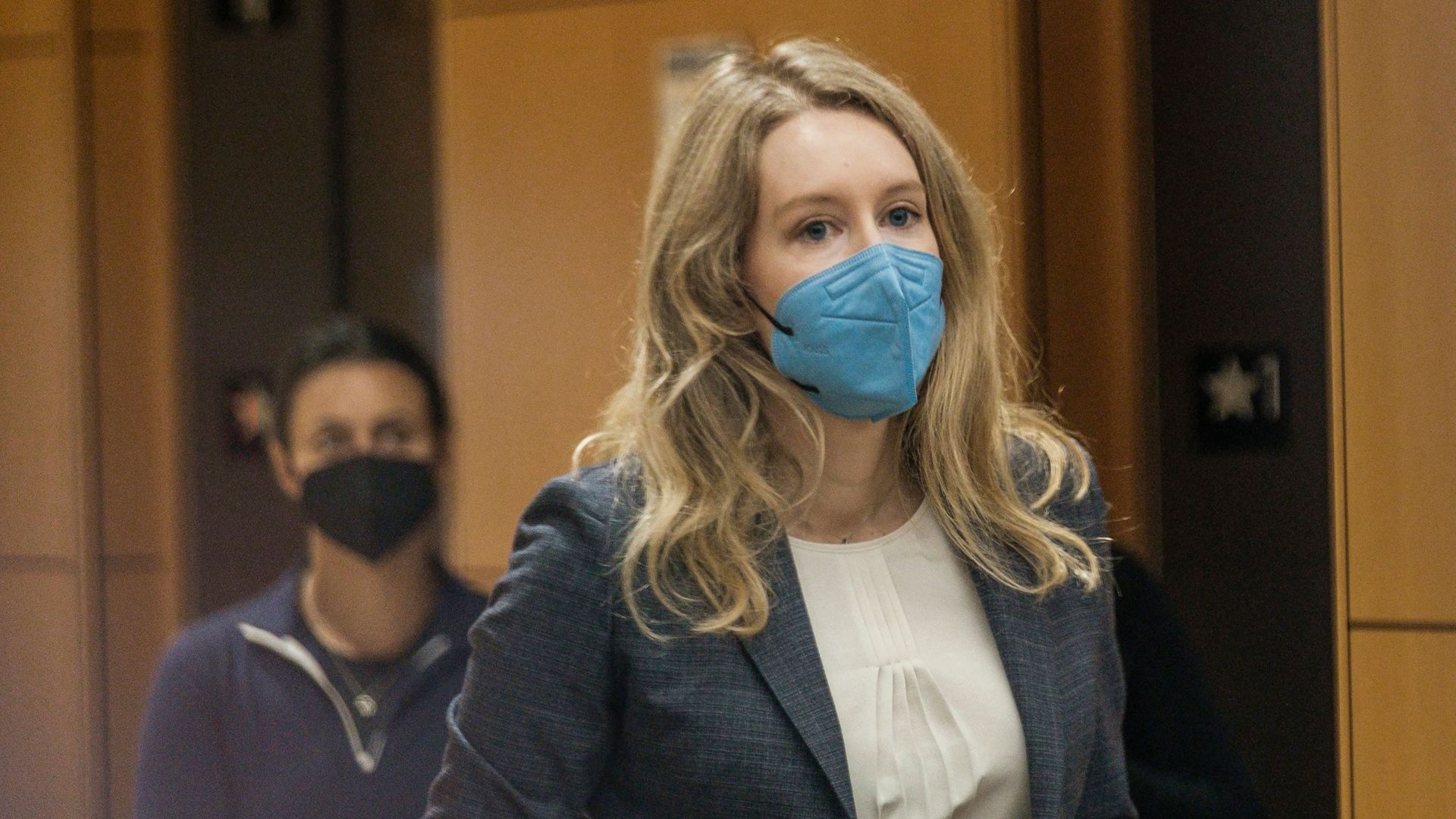
At the opening of Theranos founder Elizabeth Holmes' trial, the prosecution and the defense offered two divergent portrayals of the defendant to the jury: she is either a calculating CEO who lied to get money, or a zealous entrepreneur who made mistakes along the way.
Why it matters: The trial in San Jose, which is expected to last 13 weeks, is the highest-profile fraud case yet to come out of Silicon Valley, where startups often "fake it 'til they make it."
Amazon's proposed $8.45 billion purchase of Hollywood studio MGM is presenting the Federal Trade Commission, which will soon decide whether to block the deal, with a kind of ideological Rorschach test.
Progressives see it as self-evident that regulators should not allow Amazon to further extend its already vast market power. They expect to find an ally in FTC chair Lina Khan, who built her reputation making the case that Amazon is a monopolist that should be checked.
Ads for next year's Super Bowl LVI are nearly gone, NBC executives said Wednesday. Some of the most recently sold units went for $6.5 million — a new record.
Why it matters: Despite a decline in viewership, Super Bowl ads continue to become more expensive, given that the big game is the single-best opportunity for advertisers to reach a large amount of people at once.
A handful of superstar U.S. metro areas are leading the way in AI, while much of the rest of the country is at risk of being left behind.
Why it matters: AI can enhance productivity and growth in multiple sectors, but as a technology that tends to centralize around a handful of talent hubs, it could also increase regional economic disparity across the country.
Dontnod, the developer behind "Life Is Strange" and "Tell Me Why," will allow employees in its Paris and Montreal studios to decide if they'd like to work from the office or their homes.
Why it matters: Embracing remote work reduces industry gatekeeping and grants workers more control over their careers.
Bugsnax developer Young Horses is permanently altering its workweeks to only four days in an effort to create a healthier work-life balance at its studio.
Why it matters: The video game industry is known for intense crunch, but moving away from even 40-hour workweeks is proof that model doesn't need to be the norm.
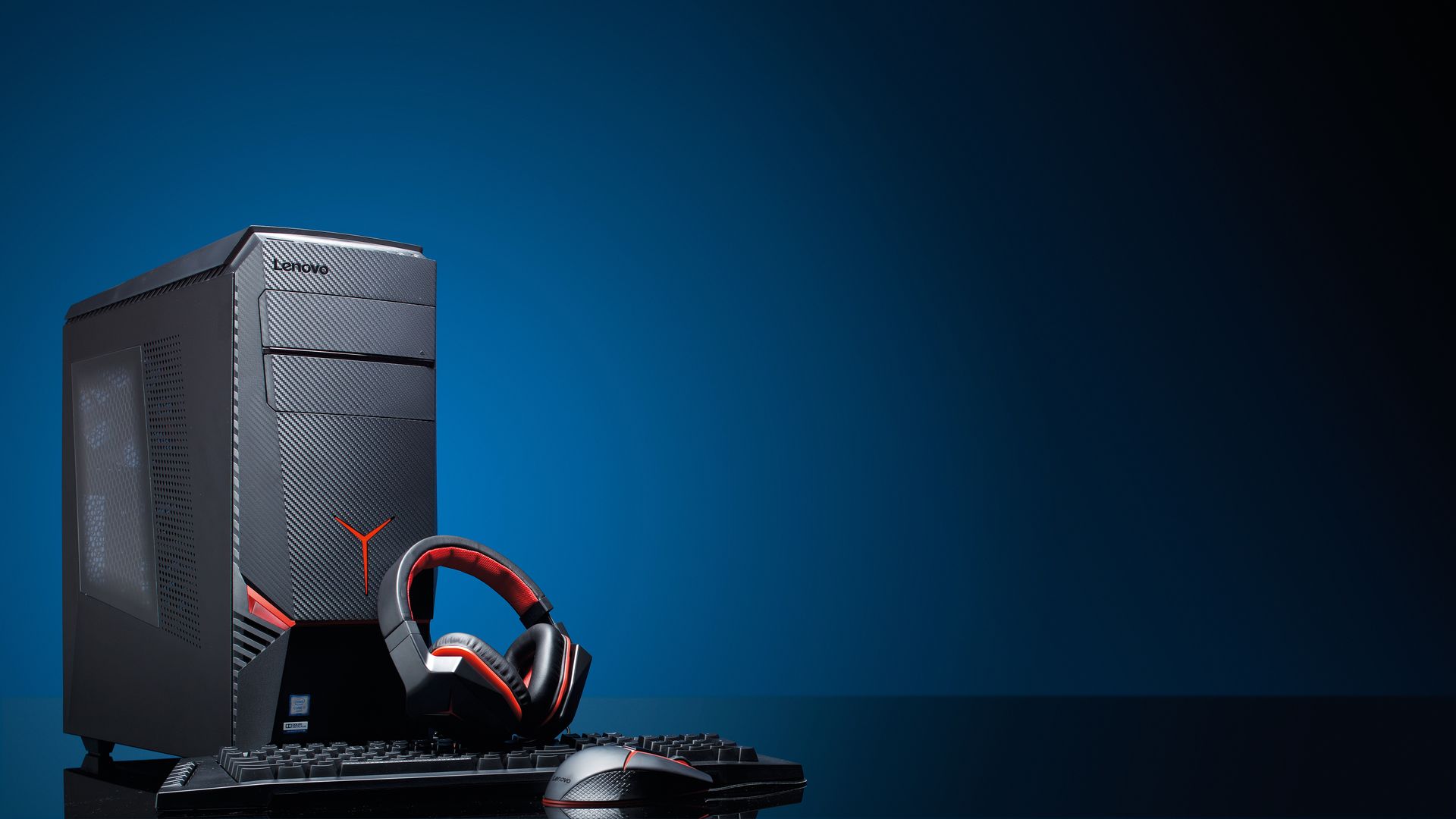
For most of the past decade, the venerable PC played a backup role while most of the attention and glory went to the smartphone. The pandemic helped bring growth and attention back to computers, and that's a trend the industry badly wants to extend.
Why it matters: After years of stagnation, PC sales have been growing. Windows 11 and hybrid work offer the opportunity for that to continue, but only if computer companies can continue to convince people to upgrade them more frequently.
Most of today's tech giants are no longer run by their founders, but by a new breed of successor CEOs tasked with holding true to a corporate mission while continuing to pump up growth.
The big picture: Silicon Valley has long embraced a "founders know best" philosophy. But eventually, most successful founders get old and tired and rich — and lose interest in the meetings, the management messes, and the sheer hard work of running a company.