Ford Motor Co. poached a senior Apple executive, Doug Field, to lead efforts to make its vehicles as smart and indispensable as the iPhone.
Why it matters: Legacy automakers like Ford need Silicon Valley's software prowess as they try to navigate a historic industrywide transformation. The electric, connected and automated cars of the future will be defined by software in the cloud — not the mechanical parts under the hood.
The intrigue: The hiring was seen as a coup for Ford and a blow to Apple, where Field had been a key player on the iPhone maker’s secret car project.
Rumors about the so-called Project Titan have swirled for years, but Apple has said little about the status of its automotive ambitions.
Field wouldn't touch the topic during a briefing with reporters.
"Apple doesn’t talk about new products, and I won’t talk about it either," he said. "Apple works on a lot of great things in total secrecy."
Details: In his new role, Field will be chief advanced technology and embedded systems officer, reporting to Ford President and CEO Jim Farley.
He will lead the development of a new cloud-based, connected-vehicle platform called Blue Oval Intelligence.
It will enable customers to continually update their cars with new features — as they do their phones — or to fix warranty problems without visiting a dealership.
And it will help create new revenue opportunities for Ford through cloud-based services that consumers want.
Background: Field is a boomerang Ford employee, having started his career there in 1987.
His career includes engineering responsibility for some of the world's most iconic products: the Segway scooter, Apple’s Mac computer hardware, and Tesla's Model 3.
What they're saying: "This is a watershed moment for our company — Doug has accomplished so much,” Farley told reporters. “This is just a monumental moment in time that we have now to really remake a 118-year-old company.”
Gaming giant Ubisoft has appointed Igor Manceau as its new chief creative officer, more than a year after that position was vacated amid a company-wide misconduct scandal.
Why it matters: Ubisoft has been trying to convey a sense of lessons learned, as it attempts to right a company rocked by scandal and, just before that, a spate of underperforming games.
The head of Georgia-based game development studio Tripwire Interactive parted ways with the company Monday, two days after tweeting his support for Texas’ new abortion ban.
Why it matters: Tripwire CEO John Gibson's support of a law critics are calling "draconian" and dangerous sparked instant outrage.
New iPhones, a new Apple Watch and other products are on tap as Apple Tuesday announced a streaming-only launch event for Sept. 14 at 10am Pacific Time.
Why it matters: This year's iPhone 13 lineup is expected to be more an incremental update than a large-scale shift in direction or upgrade. But with Apple, there's always a chance for some surprises.
Seizing upon a flaw in software from SolarWinds, Russian hackers spent months leisurely probing the computer systems of dozens of businesses and government agencies. By contrast, when the intrusion was detected, tech companies and government agencies had to scramble to close the hole, assess damage and try to learn techniques to block future attacks.
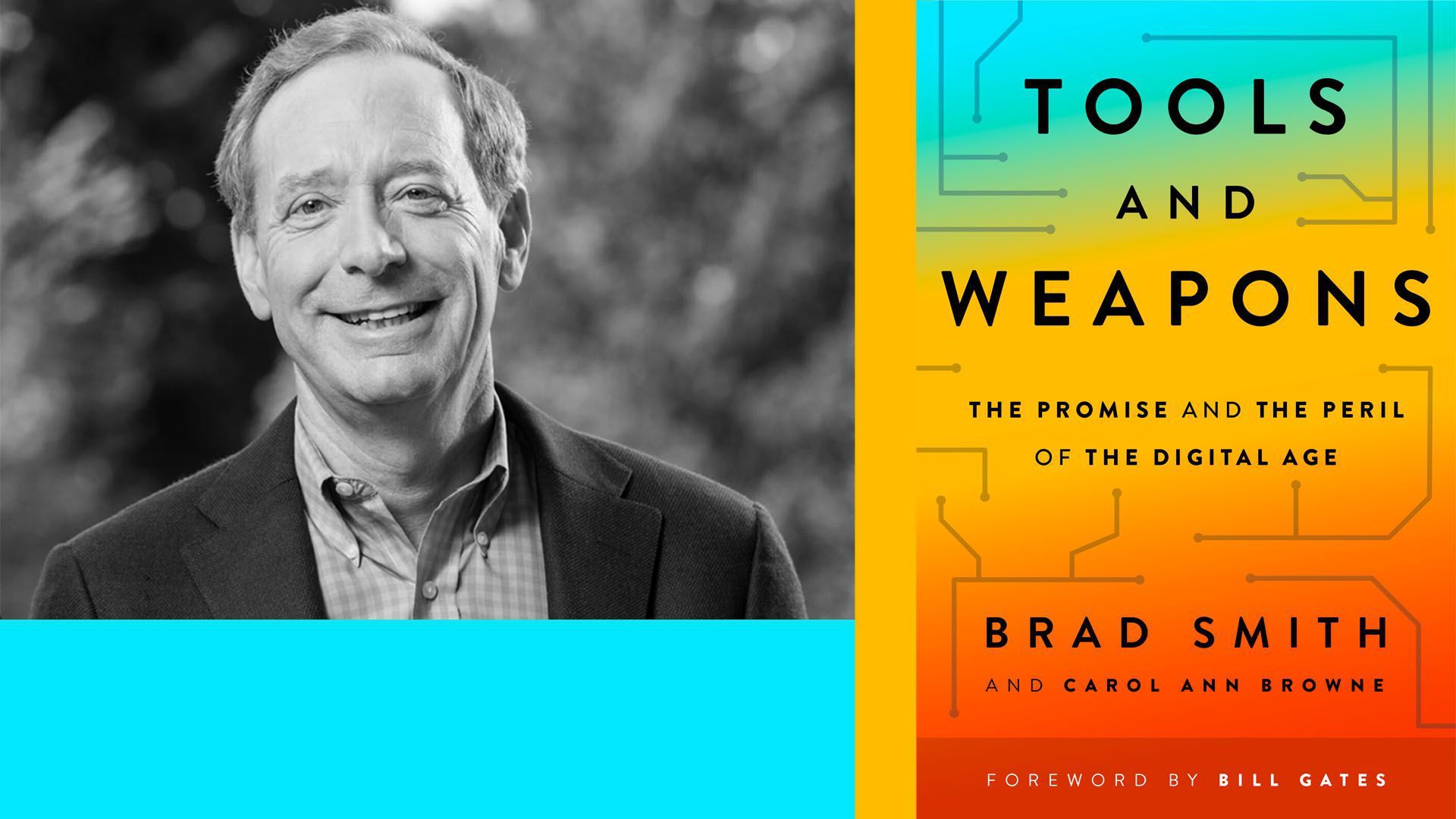
Between the lines: Fresh details on how Microsoft, SolarWinds, GoDaddy and various government agencies managed the response to last winter's massive security failure are included in an update to a book co-authored by Microsoft president and longtime top lawyer Brad Smith.
Apple spent another week on its heels last week, settling cases with regulators and, on Friday, agreeing to delay a controversial plan to start monitoring iPhones for child sexual abuse material.
Why it matters: The individual moves themselves won't hurt Apple and could actually take some pressure off the company. The downside for the company is they show that Apple can back down if pushed hard enough.
The Federal Communications Commission wants to learn whether deals between landlords and internet service providers raise prices for apartment dwellers as part of the Biden administration's push on increasing competition in the economy.
Why it matters: Despite cities having more competition among broadband providers, those in apartment buildings can be stuck with one provider because of the arrangements.
Facebook says it's finally ready to launch its most ambitious new product in years: a digital wallet called Novi. But the man leading the charge says Washington could stand in its way.
Why it matters: Facebook needs to convince regulators skeptical of its power that it's a good idea. "If there's one thing we need, it's the benefit of the doubt," Facebook's David Marcus said in an interview with Axios. "[W]e're starting with a trust deficit that we need to compensate."