The Department of Justice is planning to coordinate its ransomware attack investigations with similar protocols it uses for terrorism cases, according to internal guidance sent to U.S. attorney’s offices reviewed by Reuters.
Why it matters: The new guidance comes in the wake of at least two significant ransomware attacks against major U.S. businesses in roughly a month and as the Biden administration attempts to devise ways to thwart future attacks.
A new campaign aimed at keeping former President Trump off Facebook launches Friday as the company faces a deadline to respond to recommendations from the independent Oversight Board about handling speech by political figures.
Why it matters: Facebook doesn't have to decide what to do about Trump's account for another five months, but activists are already putting pressure on the tech giant to keep Trump off.
Google has removed senior executive Kamau Bobb from his role as global lead of diversity strategy and research after his antisemitic remarks from a 2007 blog post resurfaced this week.
Why it matters: It marks the "second time in a month that a big tech company has been forced to make a staffing change in the wake of public outcry over an executive’s previous writing," Wall Street Journal writes.
Sony's surprise commitment to make its most-hyped PlayStation 5 games also run on the PS4 is more proof that the start of this console generation is unlike any other.
Why it matters: The gaming industry has long driven its customers to crave the latest technology, but that’s changing.
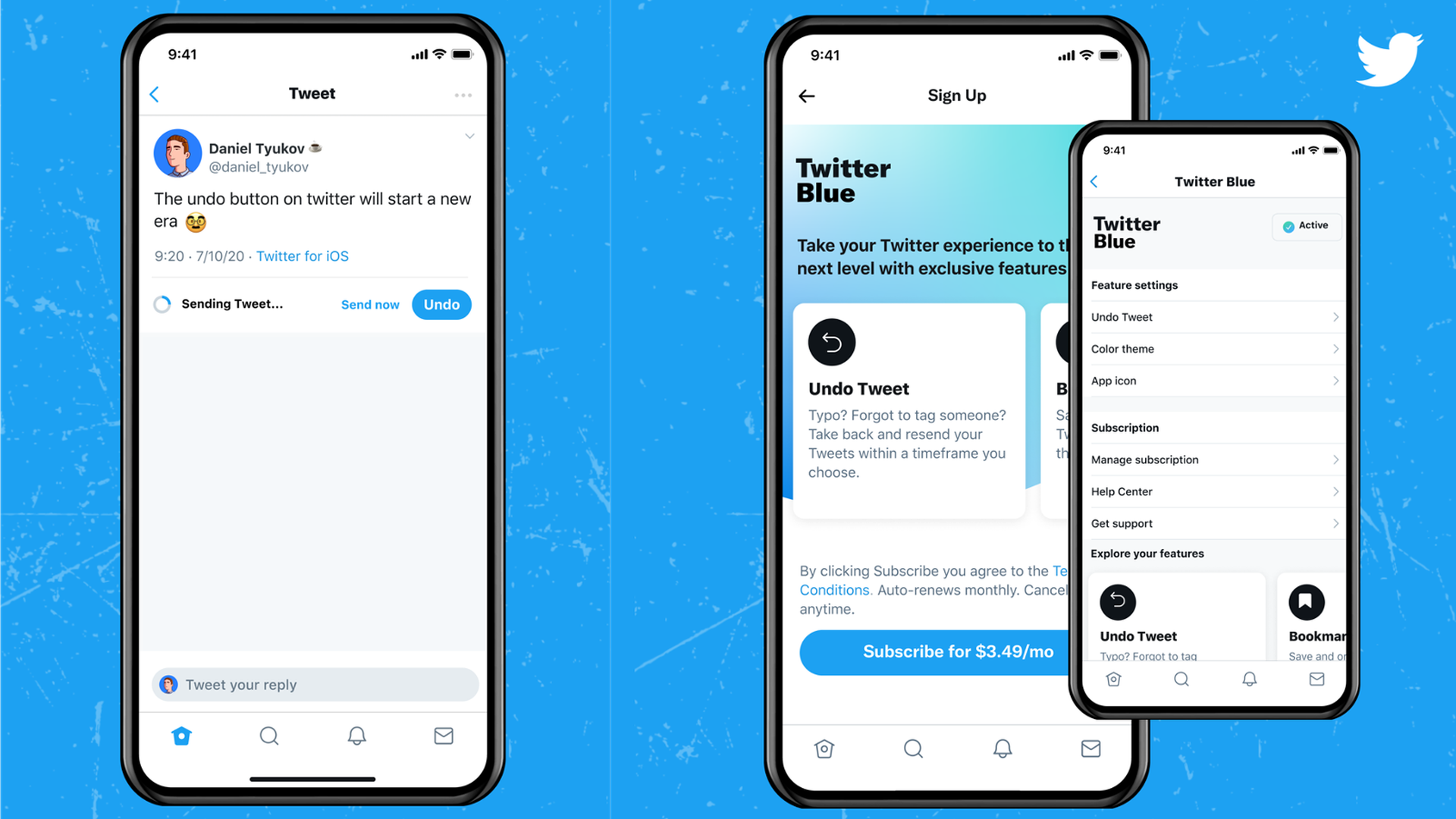
Twitter is rolling out the first iteration of its new subscription offering, "Twitter Blue," in Australia and Canada, the tech giant said Thursday. The subscription will cost users in Canada $2.88 monthly and users in Australia $3.44.
Why it matters: Twitter said in February that it's rolling out subscription products to help double its revenue by 2023.
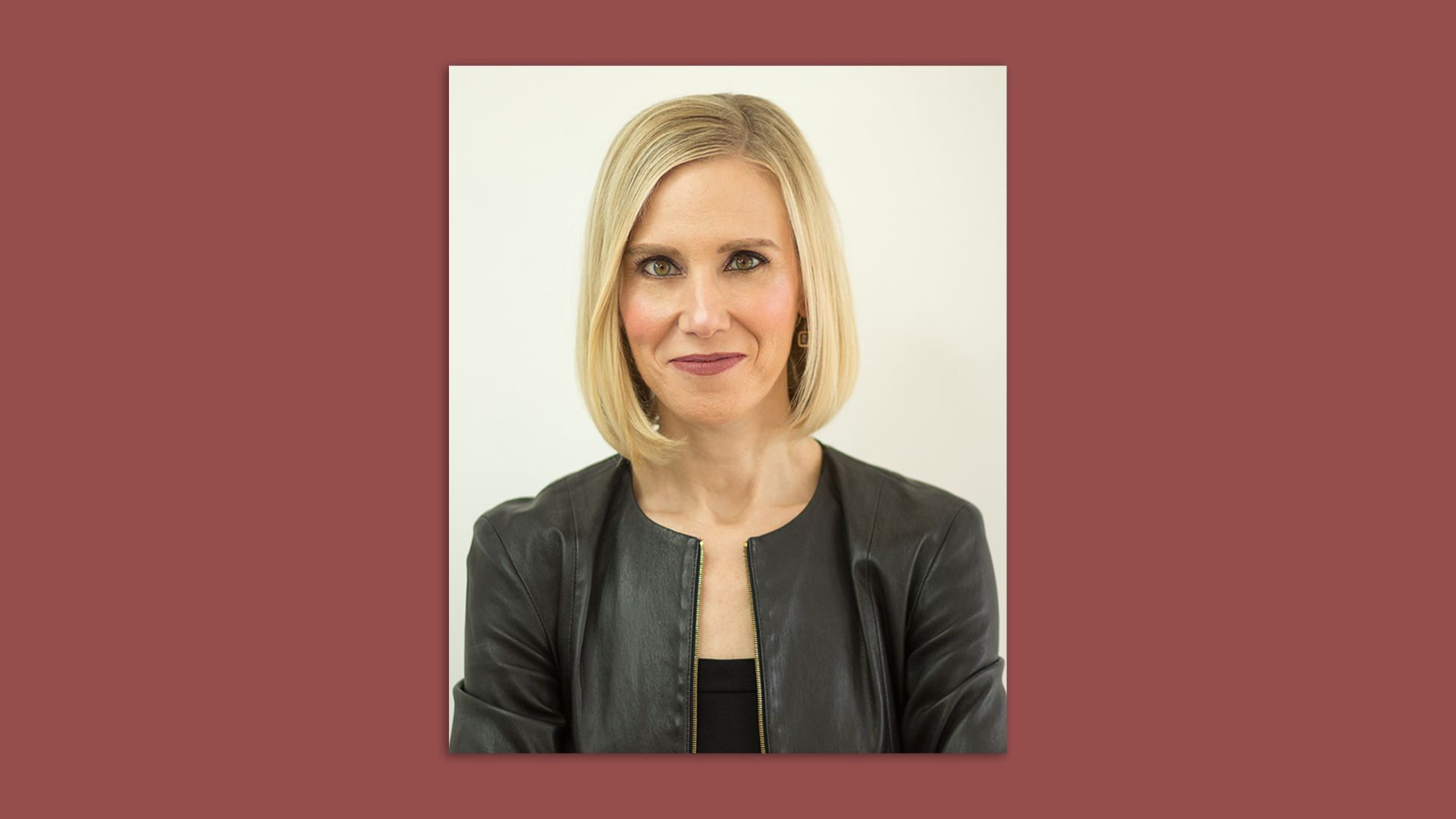
Facebook has promoted Marne Levine, its current vice president of global partnerships, business and corporate development, to the newly created role of chief business officer, Axios has learned.
Why it matters: Levine, who has been at Facebook for more than a decade, is a close confidant to Facebook's chief operating officer Sheryl Sandberg. She replaces outgoing chief revenue officer David Fischer, who was in that position for more than 10 years.
Social Capital Suvretta, a new biotech SPAC platform led by Chamath Palihapitiya, filed for four IPOs, each with a $200 million target.
Why it matters: Chamath isn't backing down in the face of recent criticism, or even heeding his own warning that the current SPAC market needs more oversight.
Divisions within party caucuses, particularly Republicans, are emerging as a new threat to Congressional action against alleged monopolistic behavior by tech giants.
Why it matters: It's a blow to the longstanding theory that a bitterly divided Congress could still agree to tighten the antitrust screws on Big Tech, since both sides have beefs with the industry.
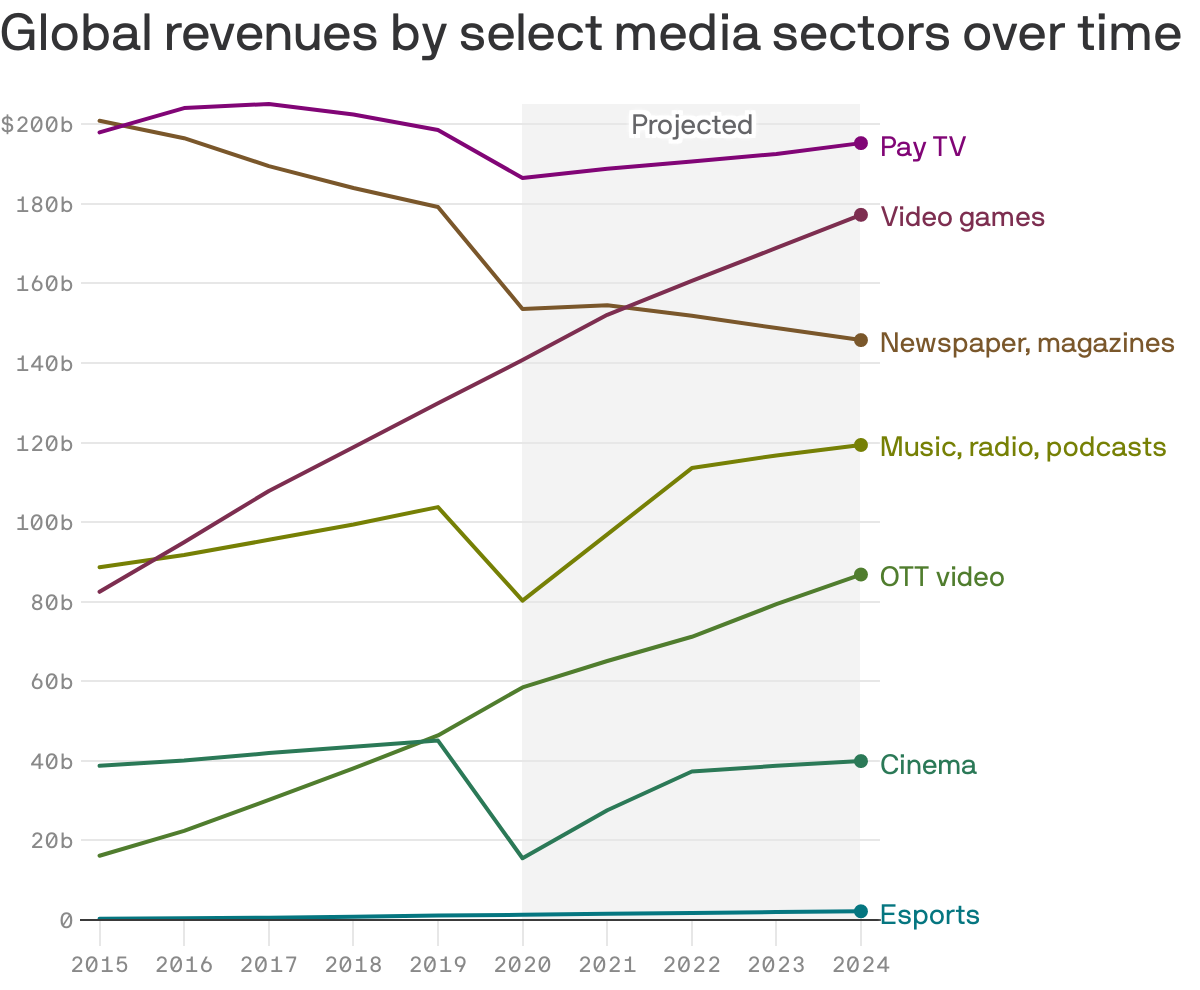
Gaming, on mobile and PCs, is by far the fastest-growing sector globally within the media and entertainment industry, data from PwC finds. Streaming video is also experiencing explosive growth.
Why it matters: While these sectors were always poised to get bigger as the internet developed, the pandemic has seriously expedited their growth, forcing the world’s biggest media companies to reorient their businesses faster than many were prepared to do.
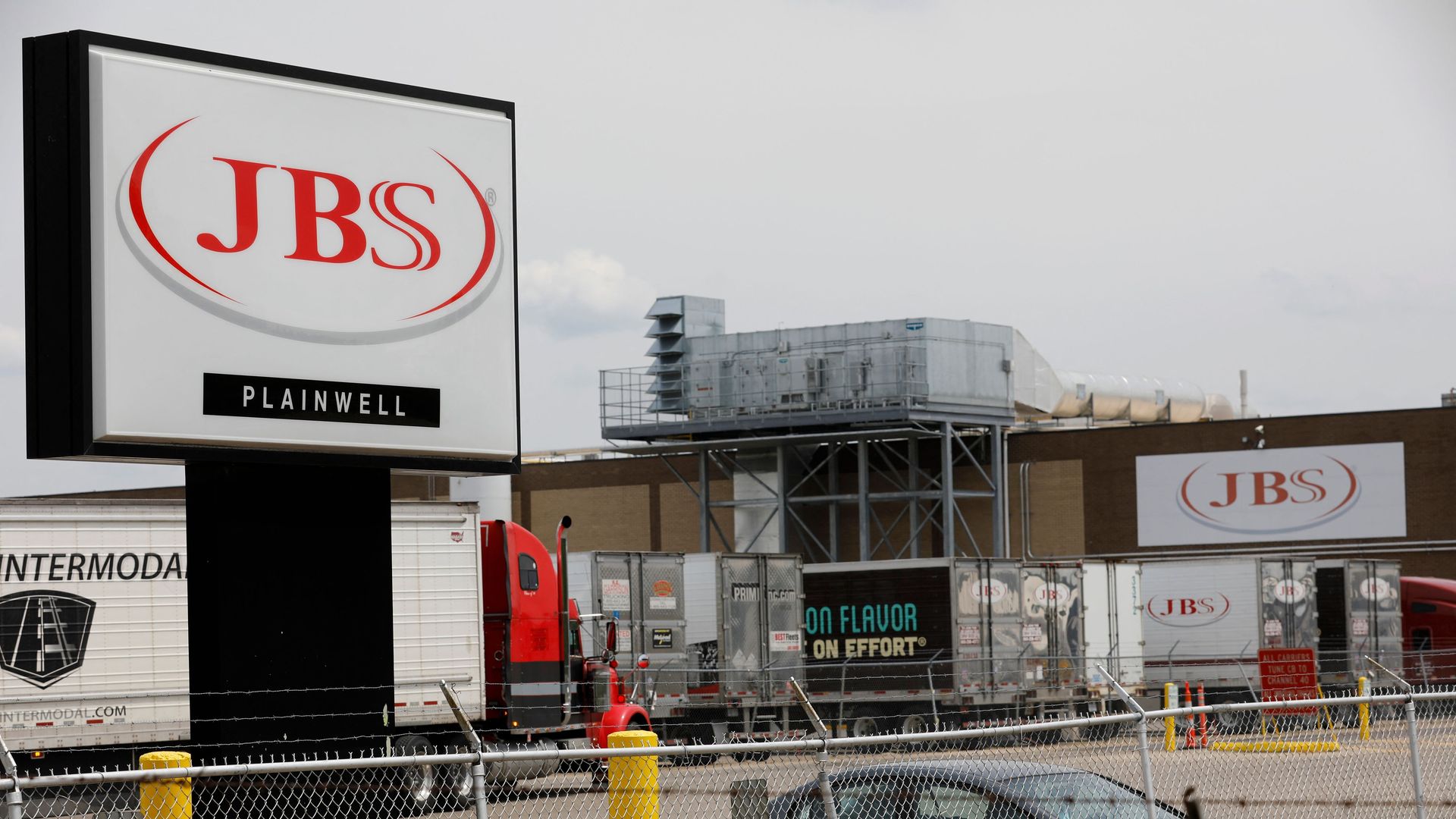
The FBI said Wednesday that the Russia-linked REvil ransomware group was responsible for the cyberattack that forced major meat supplier JBS to shut down its beef plants across the United States.
What they're saying: "We have attributed the JBS attack to REvil and Sodinokibi and are working diligently to bring the threat actors to justice," the FBI said in a statement. "We continue to focus our efforts on imposing risk and consequences and holding the responsible cyber actors accountable."
A hacking group with supposed ties to the Chinese government breached the computer systems of New York's Metropolitan Transportation Authority in April, the New York Times reported Wednesday, citing MTA documents.
Why it matters: The revelation comes amid a surge of cyberattacks. "The breach was the third — and most significant — cyberattack on the transit network, North America’s largest, by hackers thought to be connected to foreign governments in recent years," the Times writes.
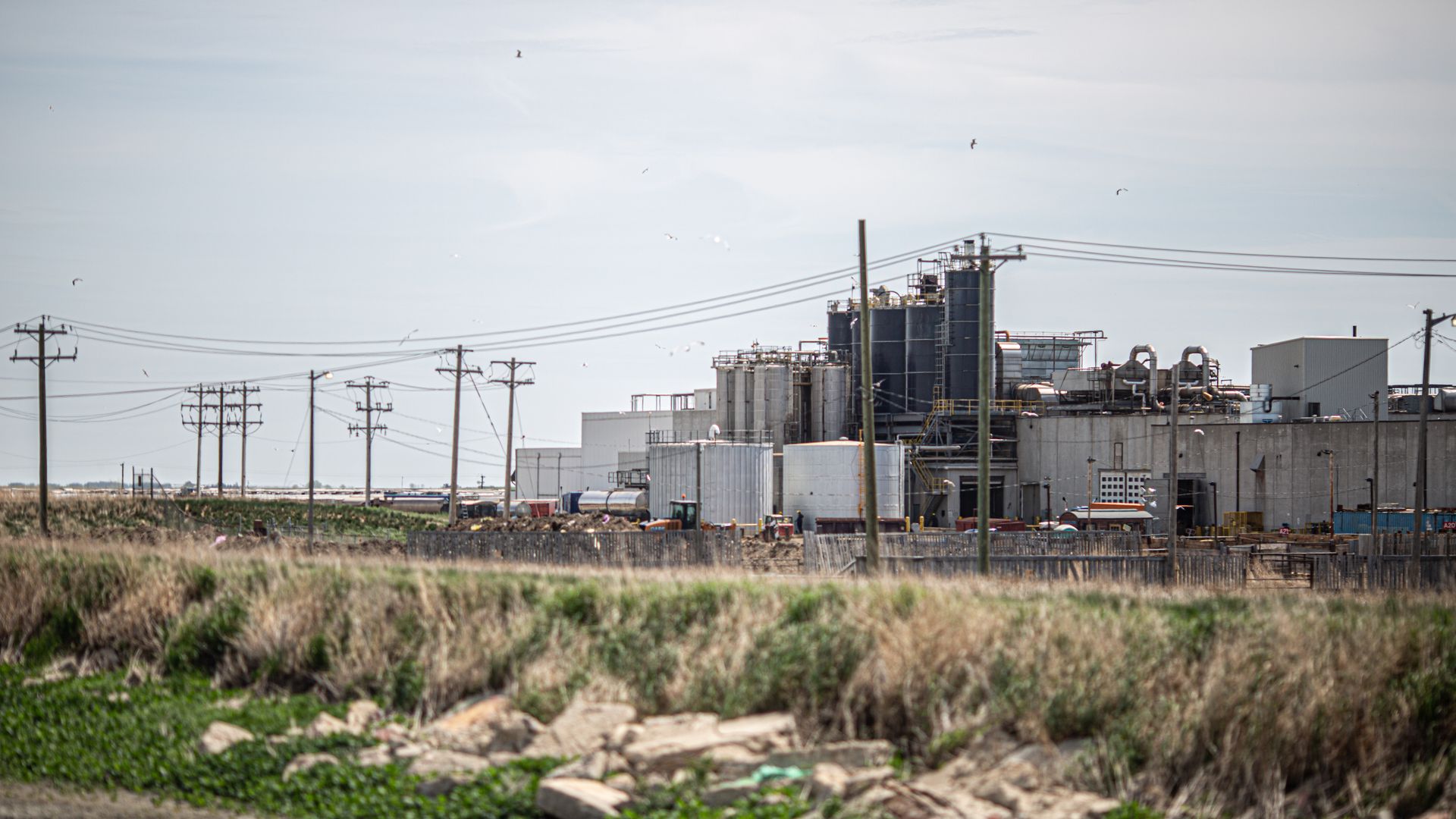
For the second time in as many months, a major part of America’s infrastructure has been held for ransom by cybercriminals. This time is was a hack of JBS, the nation’s largest beef producer, which was forced to take its largest processing facilities offline.
Axios Re:Cap speaks with Laura Reiley, The Washington Post’s business of food reporter, about why the country’s meat supply chain is vulnerable, domino effects for the industry and what it all means for consumer prices.
Stack Overflow, a popular Q&A service for programmers, has been acquired by European investment firm Prosus, co-founder Joel Spolsky announced Wednesday, for a price tag of $1.8 billion, per the Wall Street Journal.
Why it matters: Stack Overflow's success at enabling expert developers to share tips and shards of working code became the foundation for many novices' knowledge and built a community that helped more advanced practitioners solve tough problems.
The largest ferry service to the islands of Martha's Vineyard and Nantucket has been targeted by a ransomware attack that is causing travel delays, the Massachusetts Steamship Authority announced Wednesday.
Why it matters: Ransomware has recently become a "global pandemic" thanks to the rise of a profitable industry around it, Axios' Scott Rosenberg writes. In May, a similar attack on Colonial Pipeline, the U.S.'s largest refined-fuel pipeline operator, sent the Southeast into crisis.
The U.S. announced it would impose new tariffs on the U.K., Spain, Turkey, Italy, India and Austria in response to their taxes on U.S. tech companies' digital services, but said it will suspend those tariffs for roughly six months to allow time for negotiations.
Why it matters, via Axios' Ashley Gold:The Biden administration is showing it will be tough on countries attempting to impose taxes on U.S. digital giants while holding out hope for a global solution, which has been a slog.
Chipmaker Taiwan Semiconductor Manufacturing has started work on a $12 billion semiconductor manufacturing plant in Arizona. The move is part of what's expected to be a flurry of new U.S. construction due to a global shortage, combined with the prospect of government subsidies.
Why it matters: Computer chips are seen as vital for both national security and economic prosperity. The U.S., once responsible for 36% of global output, now accounts for only a third of that.
The Memorial Day weekend ransomware attack that left the world's largest meat processor hobbled also had CEOs around the globe asking, "Am I next?"
Why it matters: The attack on Brazil-based JBS came just weeks after a similar attack on Colonial Pipeline, the U.S.'s largest refined-fuel pipeline operator. Attacks that disrupt food and energy supplies are the kinds that rouse governments to strike back.
Social media companies are trying to walk the line between banning false information and overreacting to merely unverified information.
Driving the news: In its effort to keep misinformation off of its platform, Facebook for months banned posts promoting the "lab leak" theory of COVID-19's origins — only to reverse itself now that the theory is increasingly being considered plausible.
Securities regulators told Tesla Elon Musk twice violated court orders requiring company lawyers to approve his tweets before he posts, according to records obtained by The Wall Street Journal Tuesday.
Driving the news: The Securities and Exchange Commission wrote to Tesla in 2019 and 2020 saying Musk had tweeted about Tesla's solar roof production volume and its stock price without pre-approval, breaching a 2018 settlement deal, the WSJ reports.
JBS SA told Bloomberg Tuesday that a "vast majority" of its plants will be operational Wednesday after a ransomware attack forced all of the company's beef plants in the U.S. to shut down.
Why it matters: The attack has raised fears of meat supply or pricing issues, similar to what happened to gas prices and availability after the ransomware attack against Colonial Pipeline last month.














/2021/06/02/1622652495459.gif?w=3840)