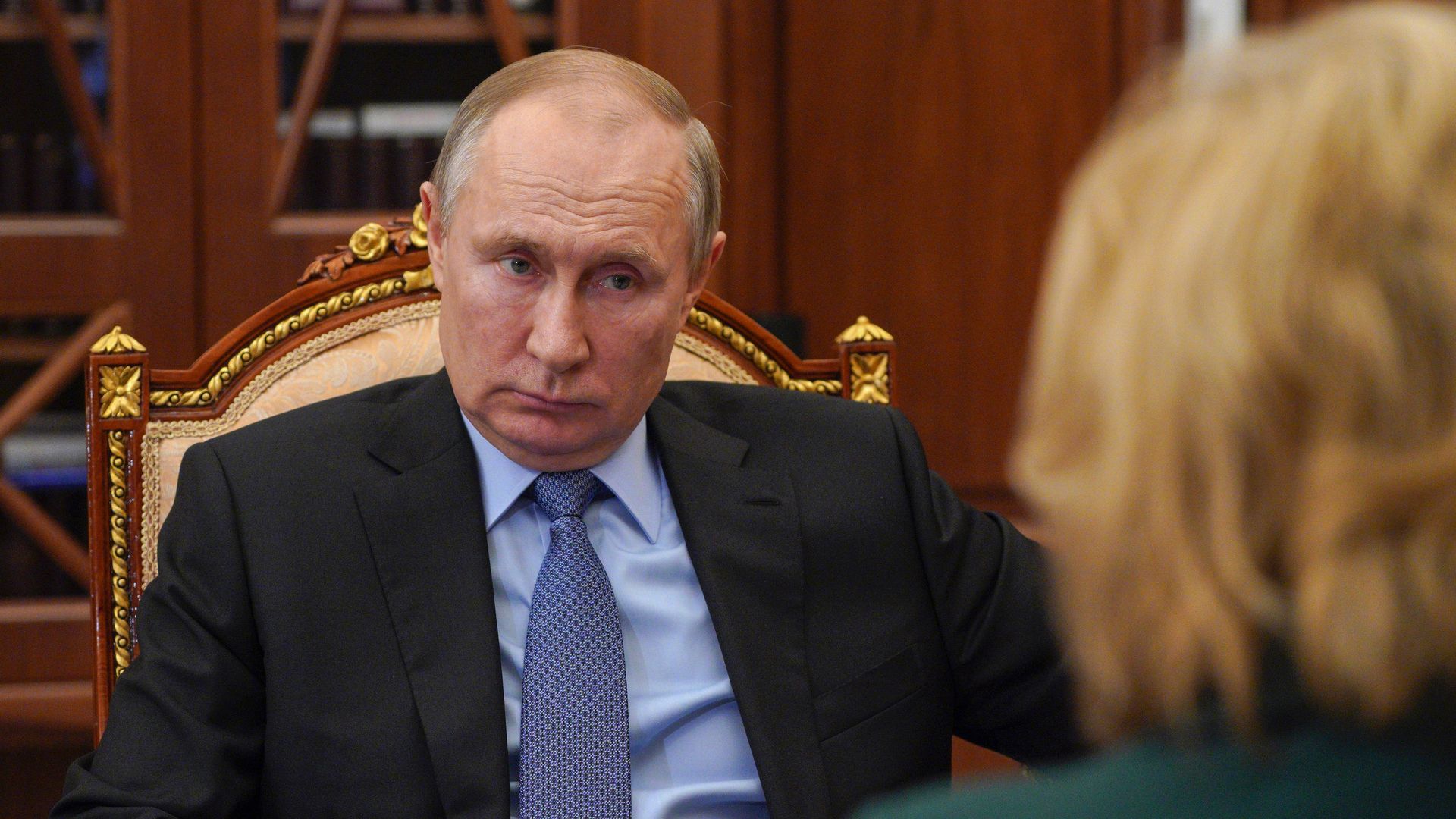
A Russian court on Friday found Twitter guilty of three counts of violating regulations on restricting unlawful content and fined the company 8.9 million rubles (about $117,000) for not removing posts that encouraged minors to take part in unauthorized protests, according to AP.
Why it matters: The fine comes amid a broad crackdown on the social media company in the country. In March, Russian authorities threatened to ban the platform entirely if the company did not remove some 3,000 posts containing content the government had deemed illegal.
The list of major video games that will not hit their original 2021 release dates got longer Friday. Developers of one of the year’s most anticipated games, “Lego Star Wars: The Skywalker Saga,” tweeted that they were pushing its release from spring to who knows when.
Why it matters: Gaming may be hotter than ever right now, fueled by a year of people playing during socially distanced lockdowns. But a combination of factors, including the impact of COVID-19 on game production, is setting 2021 up to be a relatively fallow year for major game releases.
Blake Byers has stepped down as a general partner with Google Ventures, after an 9-year run during which he invested primarily in biotech companies like Denali, Grail and Neuralink. He also led the earliest outside investment in Robinhood.
Why it matters: Byers was one of the earliest investors at GV, which has become one of the Silicon Valley's most active venture capital firms.
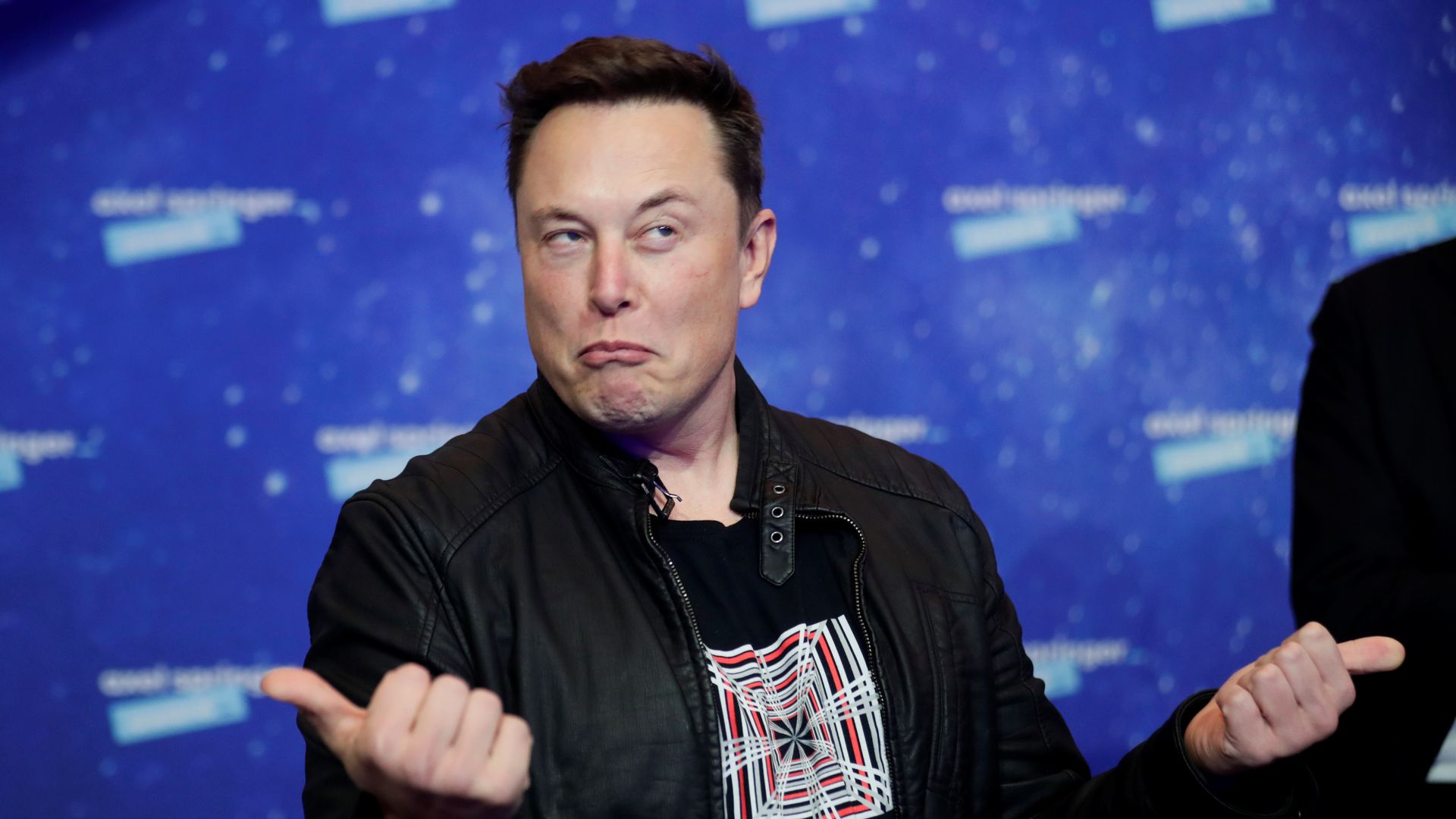
In an interview with Axios, San Francisco Fed President Mary Daly addressed Silicon Valley heavyweights like Elon Musk and others who have bemoaned California's COVID-19 restrictions and taxes and said they're taking their ball and moving to places like Miami or Brownsville, Texas, or the 140-square-foot Hawaiian island they own.
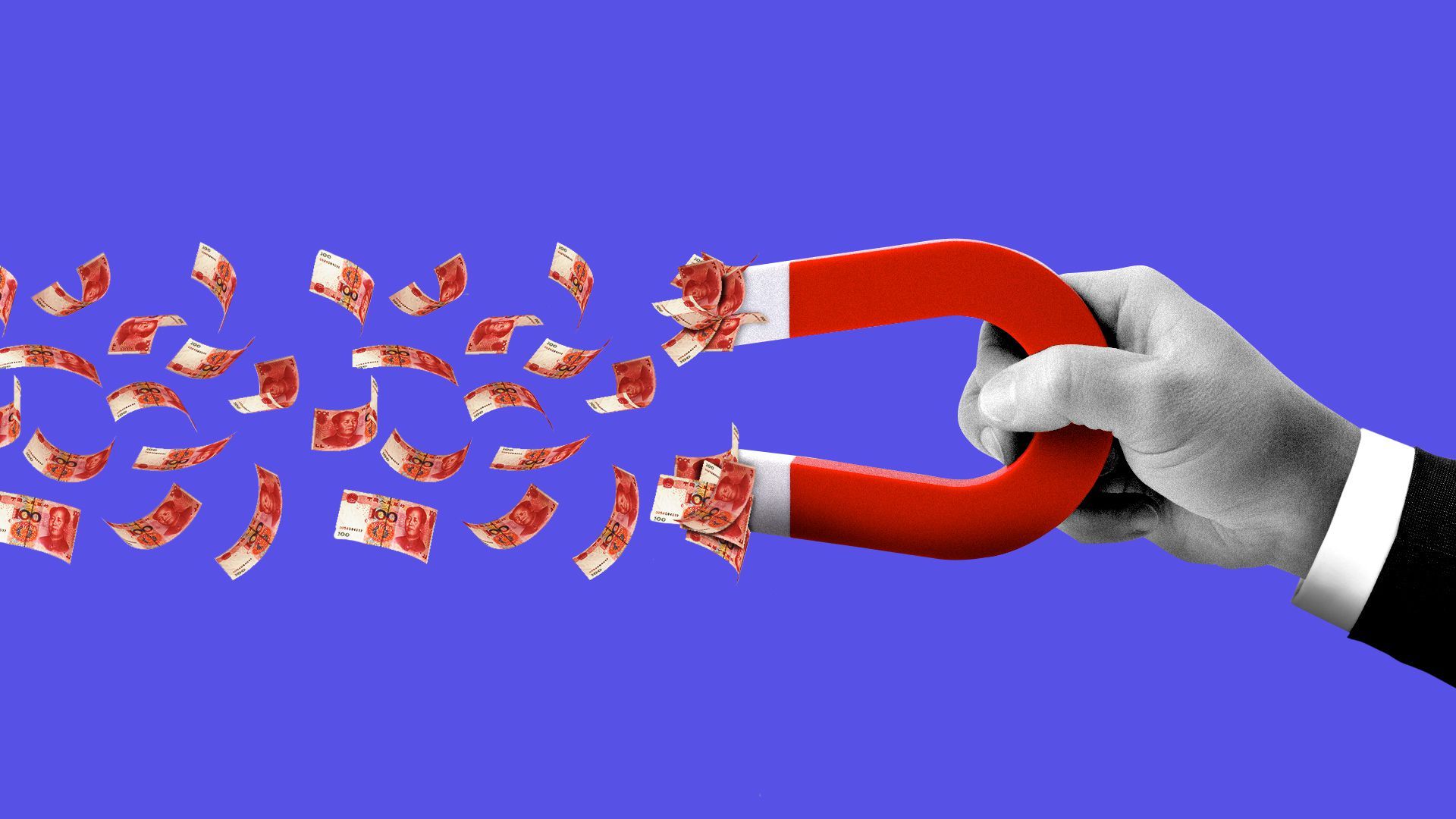
Big Tech players in China like Alibaba, Tencent and Baidu are facing challenges all-too-familiar to Amazon, Facebook and Google.
Why it matters: Antitrust has become a big theme for Beijing and this could hamper growth of China’s tech sector should authorities decide to regulate with a heavy hand.
Digital civil rights group Access Now is sending a letter to Spotify CEO Daniel Ek imploring the company to abandon a technology it has patented to detect emotion, gender and age using speech recognition, Axios has learned.
Why it matters: While many of us in theory want our computers to understand who we are and what we want, the industry too often doesn't think through how its innovations will affect different kinds of people or what harm its collection of data can cause.
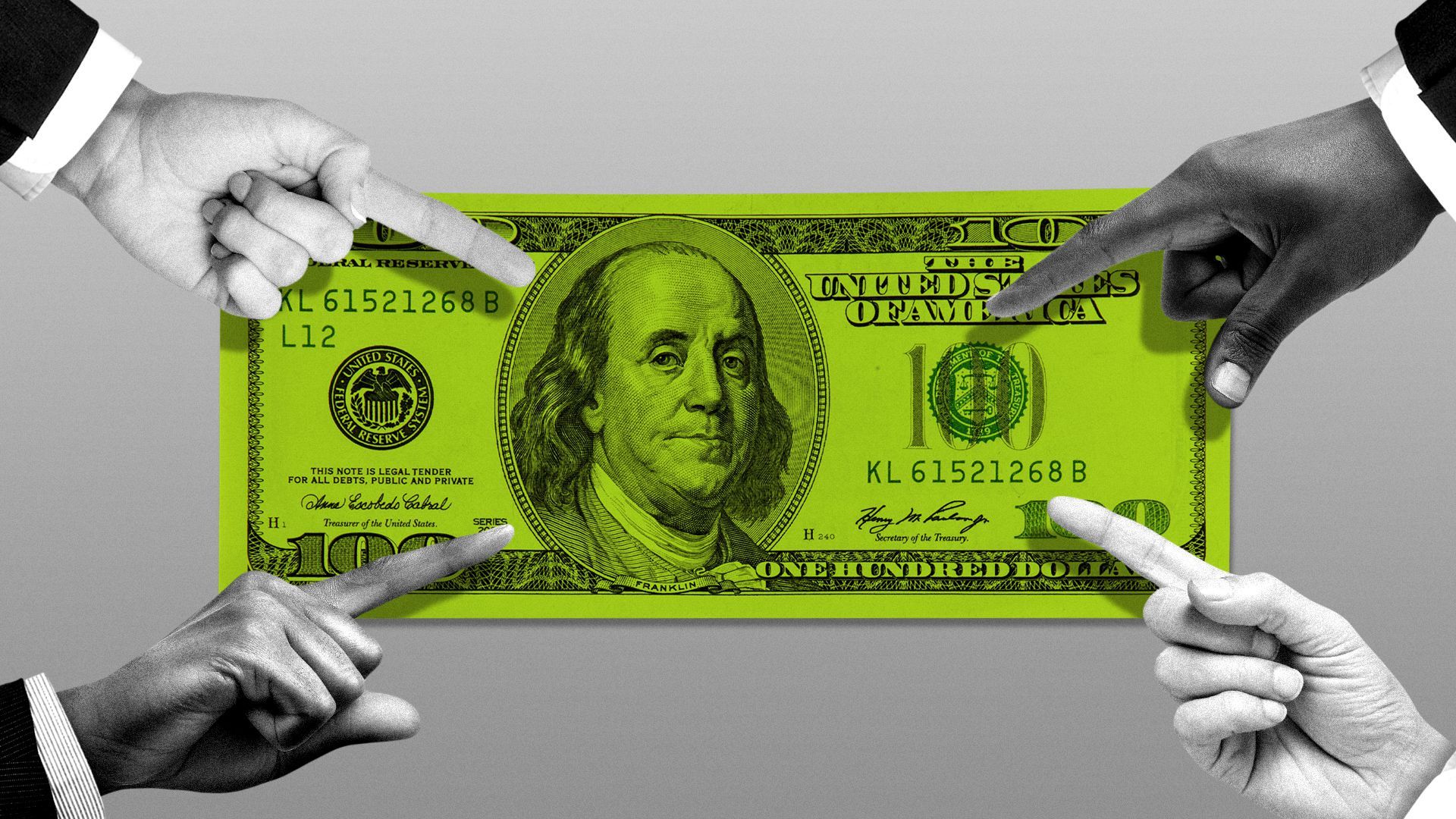
President Joe Biden has a $100 billion plan to ensure all Americans have high-speed internet, but some of the key companies that provide those connections are already balking.
Why it matters: Democrats on the Hill will have to overcome industry lobbying and Republican opposition to make this part of Biden's multi-trillion-dollar infrastructure program a reality.
Broward County Public Schools, the sixth largest school district in the United States, said Thursday it had been the target of a massive ransomware attack, according to AP.
Why it matters: In March, hackers encrypted some of the Fort Lauderdale-based district's data and demanded a $40 million cryptocurrency payment or they would erase the files and publish the personal information of students and employees online.
UnitedMasters, a music distribution platform that feels a little like Substack for singers, on Thursday raised $50 million from investors including Apple (which almost never invests in startups).
Axios Re:Cap talks with UnitedMasters CEOSteve Stoute, known for producing albums by artists like Nas and Mariah Carey, about his company, the uncertain future of record labels and why it's important for musicians to own their own music.
The Supreme Court ruled in favor of Facebook on Thursday, finding the company's text alerts used for suspicious logins do not qualify as illegal robocalls.
Why it matters: The ruling could be seen as a win for telemarketers, at a time when Americans get billions of robocalls every month.
Dish Network sent a letter to the FCC on Thursday, complaining that T-Mobile — its partner for wireless services — is rushing to shut down a network still used by millions of Dish's Boost Mobile customers.
Why it matters: T-Mobile's purchase of Sprint was only allowed after it agreed to sell a chunk of assets to Dish, including its Boost prepaid business. Plus, Dish is highly reliant on T-Mobile for network services as it builds out its own 5G network over the next several years.
Some of the shine might be coming off NFTs. The platforms selling them, however, fresh off of raising hundreds of millions of dollars in new capital, are likely to relish the challenge.
Driving the news: Daily volume has dropped to about $3 million, down from a peak of $19 million. Still, Dapper Labs managed to raise $305 million in its most recent round, at a valuation of $2.6 billion.
"Bro" culture, gender bias and micromanagement were top concerns among women in tech who were dissatisfied with their employers, according to a survey from Elpha, the results of which were shared first with Axios.
Why it matters: Hiring bias is only one cause of tech's gender imbalance. Another problem is that women leave the industry because they find the environment works against their success.
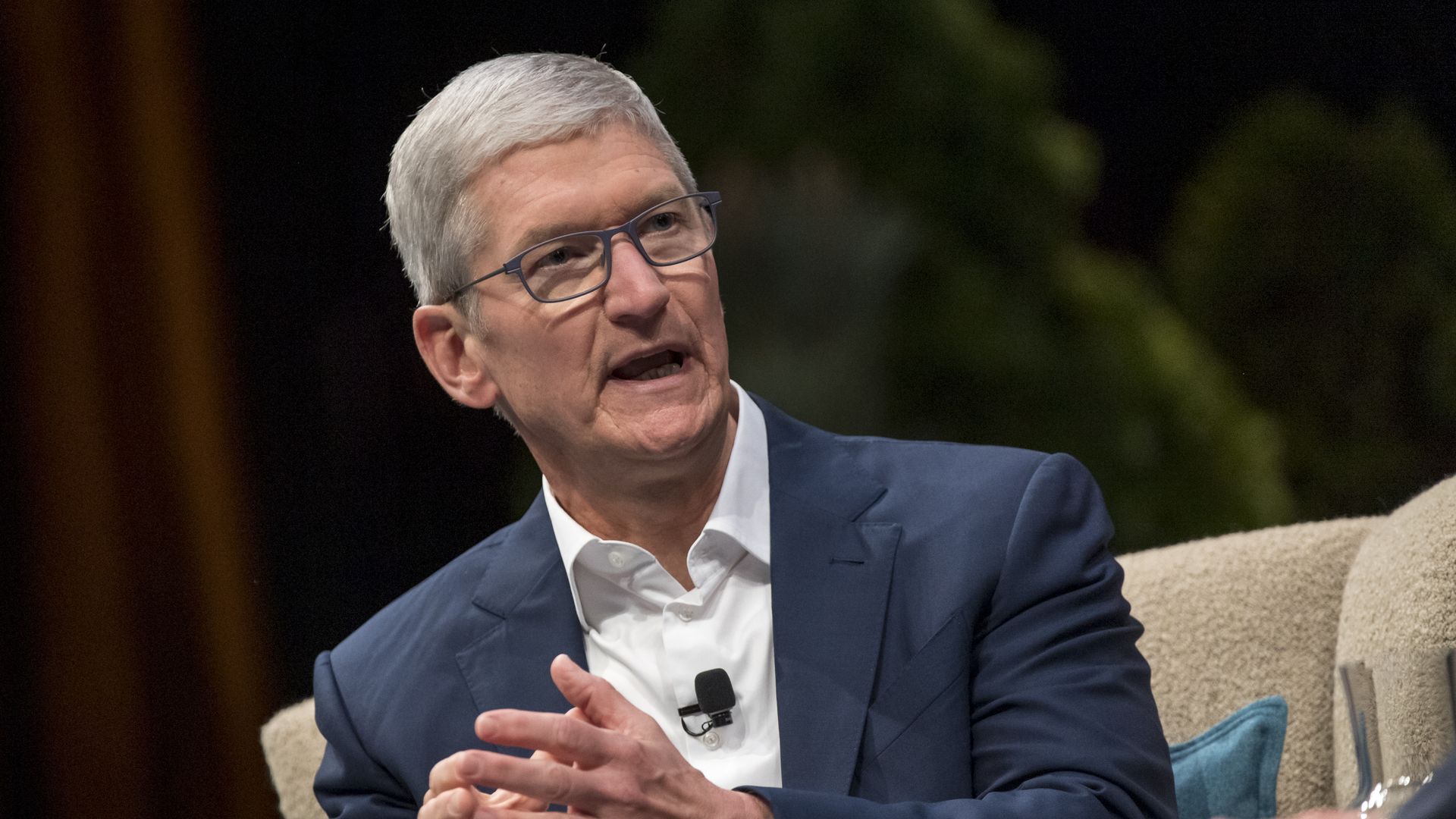
Apple CEO Tim Cook,an Alabama native with a lifelong interest in civil rights, joins condemnations of Georgia's new voting law, in a statement provided first to Axios.
What he's saying: "The right to vote is fundamental in a democracy. American history is the story of expanding the right to vote to all citizens, and Black people, in particular, have had to march, struggle and even give their lives for more than a century to defend that right."
Big Tech dollars may be becoming toxic in Washington.
What's happening: The once lionized industry finds itself more and more cast as a pariah, with lawmakers comparing Big Tech to Big Tobacco during a hearing with tech CEOs last week and a key House Republican forswearing industry donations.
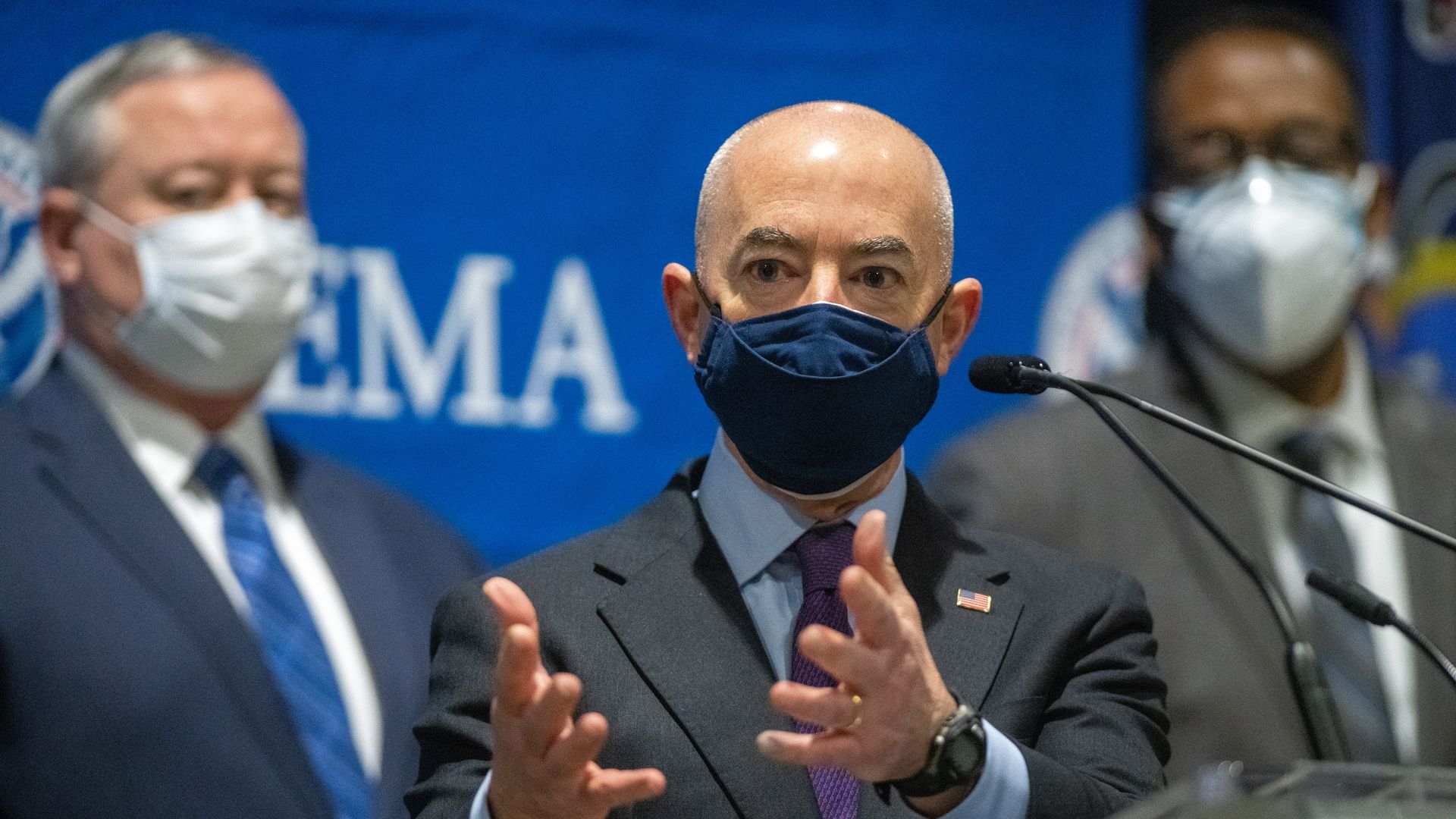
Homeland Security Secretary Alejandro Mayorkas on Wednesday warned that "cyberthreats are coming dangerously close to threatening our lives" as he announced a series of "sprints" designed to counter online attacks.
Why it matters: "Our government got hacked last year and we didn’t know about it for months," Mayorkas said. It wasn't until cybersecurity firm SolarWinds "got hacked itself and alerted the government" when federal officials learned the extent of the problem, he noted.








/2021/04/01/1617320852518.gif?w=3840)