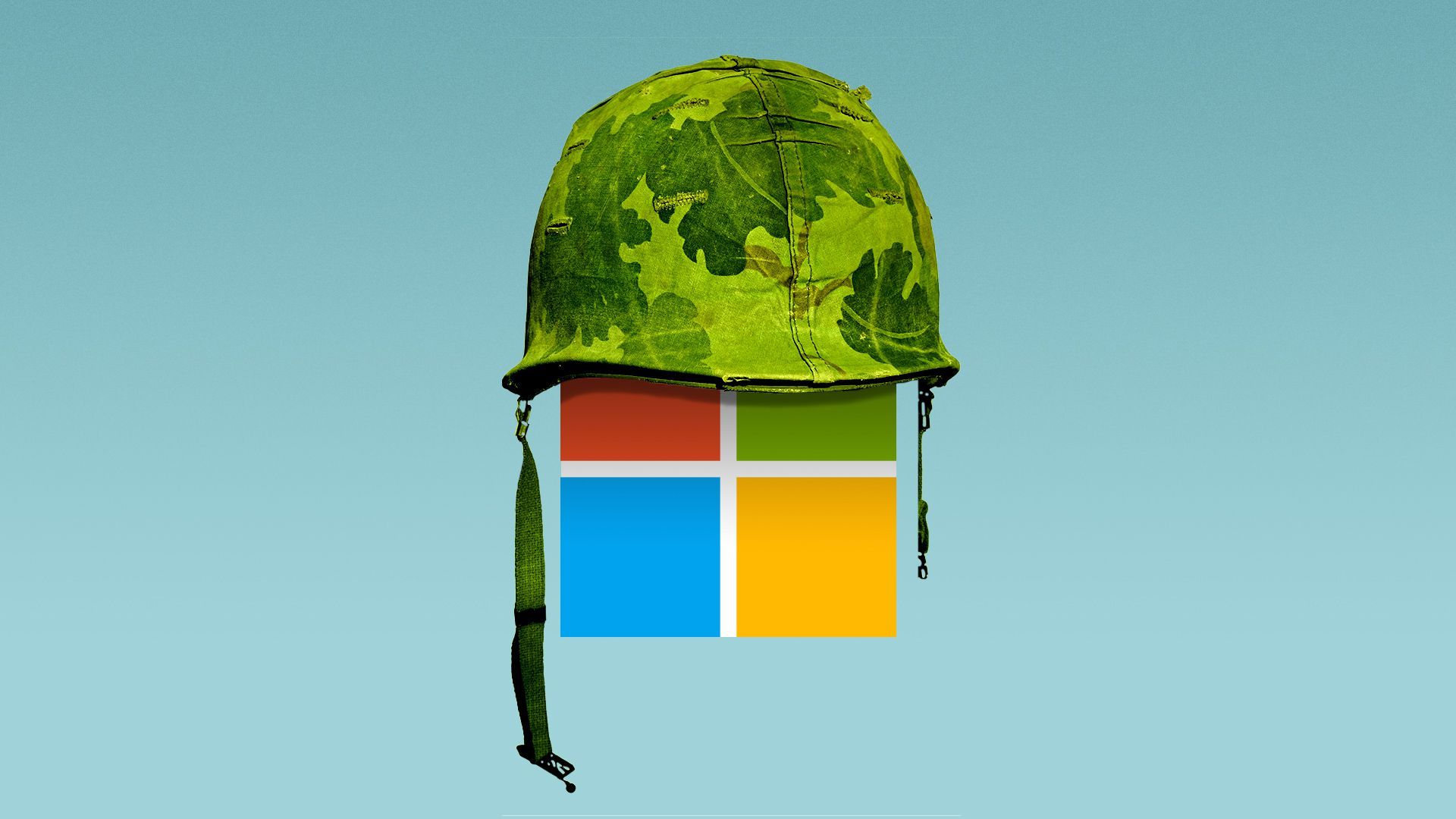
Microsoft on Wednesday was selected to manufacture 120,000 HoloLens augmented-reality helmets for the U.S. Army as part contract that could be worth up to $21.88 billion.
Why it matters: Facebook, Apple, Microsoft and Google are all delving into augmented-reality glasses in different ways, but the technology is likely still a few years off for mainstream consumers, Axios' chief technology correspondent Ina Fried writes.
Google told workers in an email Wednesday that it expects some U.S. employees to be able to return to the office in the coming month.
Why it matters: Tech companies, among the first to shut their offices a year ago, are largely shifting to hybrid work environments, allowing some employees to continue working remotely part or all of the week.
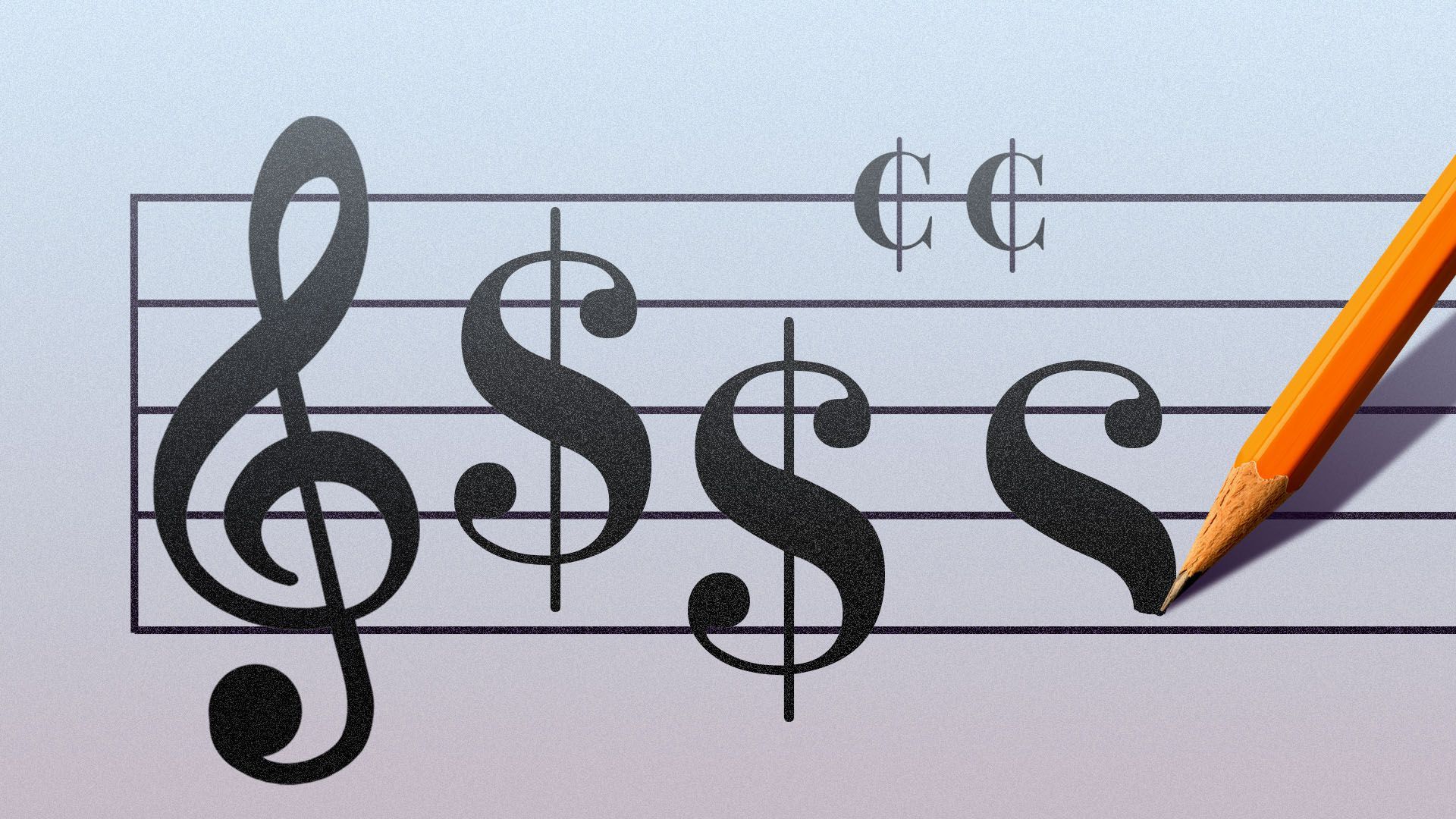
UnitedMasters, a music distribution platform that serves as a kind of Substack for musical artists, on Wednesday announced that it raised $50 million in Series B funding led by Apple.
Why it matters: Apple rarely participates in venture capital rounds, let alone leads them. In fact, the last one we can find was a 2017 investment in Didi Chuxing.
Trust in tech— including companies specializing in AI, VR, 5G and the internet of things — fell all around the world last year, the Edelman Trust Barometer found in a massive survey of 31,000 people in 27 countries.
Driving the news: The study, provided first to Axios, is a special tech edition of data collected for the annual Trust Barometer. All-time lows, going back to comparable Edelman polling in 2012, were hit in 17 of 27 countries, including the U.S., U.K., France, China, Japan, Thailand, Brazil and Mexico.
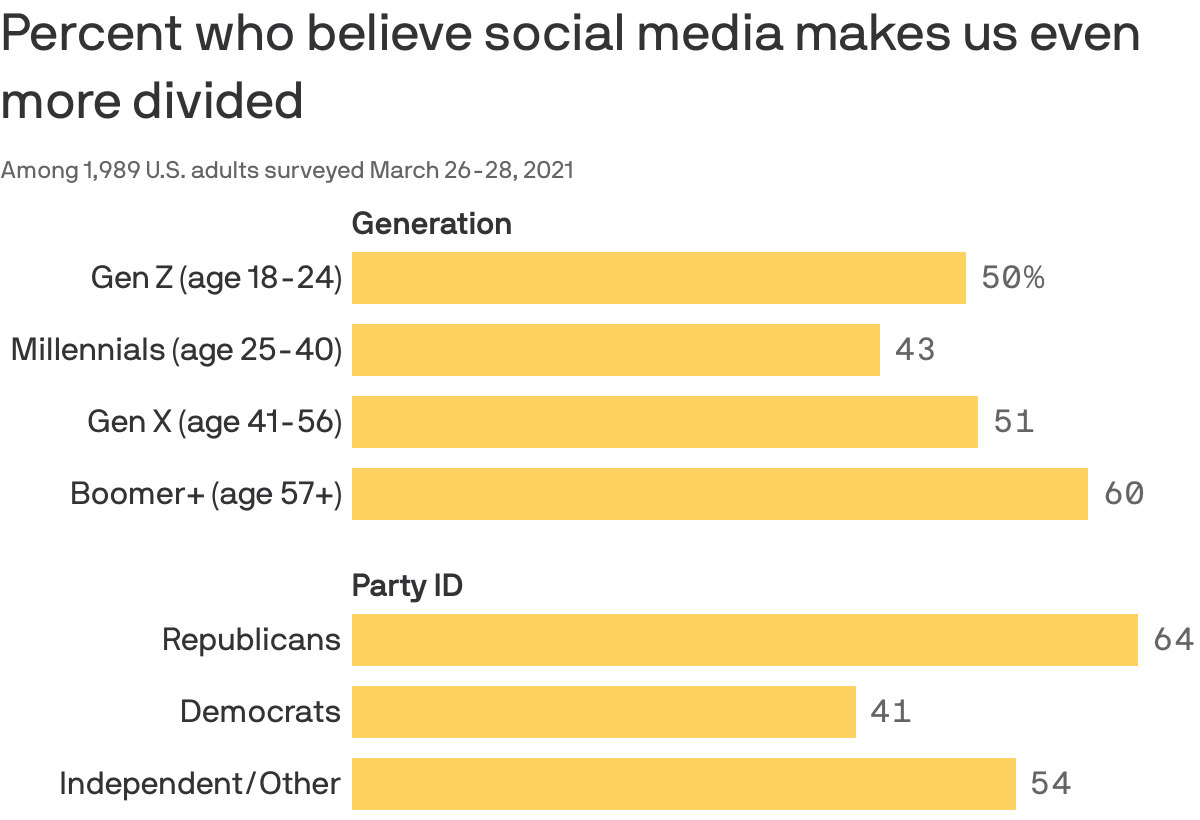
Republicans and Democrats overwhelmingly agree on one thing: Social media had at least some responsibility for the Jan. 6 attack on the U.S. Capitol, according to new survey data from Harris Insights shared exclusively with Axios.
Why it matters: 71% of Republicans and 77% of Democrats say social media platforms bear responsibility for the Jan. 6 events — a stark sign of the growing animosity toward them from both sides of the aisle.
Facebook intends to provide users with new controls to directly personalize what items show up in their news feeds, the company’s VP of global policy Nick Clegg announced in an op-ed Wednesday.
What's happening: From the documentary "The Social Dilemma" to analysts of "surveillance capitalism" — both of which Clegg aims to rebut — Facebook's critics have zeroed in on the algorithms that shape users' experiences by selecting news feed content. With the company's new moves, it's trying to say to users, "You decide!"
Widely considered the Nobel Prize of computing, the Turing Award often goes to someone for a particular piece of work. This year, the Turing is going to two professors, Alfred Aho and Jeffrey Ullman, for literally writing the book on how computers are programmed.
Why it matters: Aho and Ullman have influenced the industry both directly and through all those they have influenced, including Google co-founder Sergey Brin, for whom Ullman served as Ph.D advisor.
To date, much of the craze for NFTs — cryptographically unique tokens tied to creative works — has centered on the art world, where Christie's recently sold one NFT for a whopping $69 million. But NFTs have found a more down-to-earth niche via their use in the world of sports.
What's happening: A collection of investors, professional athletes and sports leagues are betting that the business of fans purchasing and trading NBA Top Shots — NFTs tied to key moments in past NBA games, which have already done hundreds of millions of dollars in business — will keep growing.
IBM and the Cleveland Clinic are launching a 10-year partnership to apply advances in AI, high performance computing in the cloud and quantum computing to research on viral pathogens and drug development.
Why it matters: The effort aims to ease bottlenecks in collecting, storing and analyzing data and speed research on viruses and cancers caused by them.
Substack is raising $65 million in new venture capital funding that would value the company at around $650 million, Axios has learned. Existing investor Andreessen Horowitz is leading the round.
Why it matters: Substack, which provides a platform on which writers can publish paid email newsletters and keep most of the revenue, has seen its popularity soar.
Game publisher CD Projekt Red rolled out a massive downloadable patch for “Cyberpunk 2077” today, promising that the update will apply over 500 fixes and improvements to the futuristic action-adventure.
Why it matters: “Cyberpunk 2077” was one of 2020’s most-hyped new video games, but it launched in December in rough shape and became one of the industry’s biggest debacles. Today’s patch is part of an attempt to meet the game’s original expectations.








/2021/03/30/1617075811920.gif?w=3840)

/2021/03/29/1617024216463.gif?w=3840)