Applovin, a mobile ad tech company that's expanded into video game publishing, has filed with the SEC to go public on the Nasdaq under the ticker symbol APP.
Why it matters: Applovin was one of the more high-profile casualties of CFIUS' heightened scrutiny of deals involving Chinese investors early on during Donald Trump's presidency.
Collectibles and art have gone digital, enabled by a new sort of technology known as non-fungible tokens (NFTs). Just recently, Canadian singer and visual artist Grimes earned $6 million via an NFT auction, while a maker of digital basketball cards was valued at around $2 billion by venture capitalists.
Axios Re:Cap digs into the NFT craze with David Pakman, a partner with VC firm Venrock and one of the earliest investors in one of the earliest NFTs, called CryptoKitties.
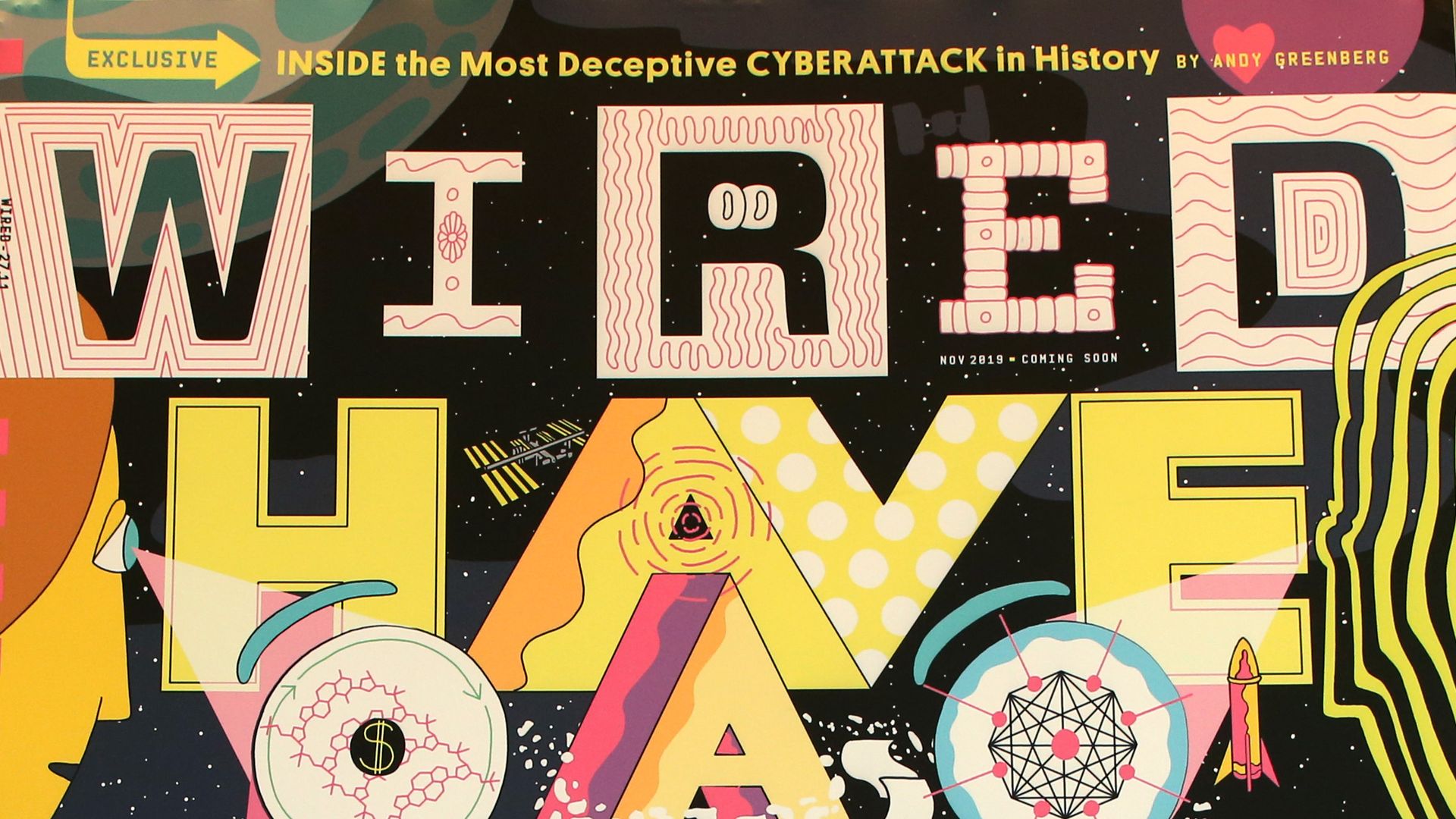
Gideon Lichfield, who has been editor-in-chief of MIT Technology Review since 2017, has been named global editorial director of Wired, the company announced on Tuesday.
Why it matters: Lichfield replaces Nicholas Thompson, who left the company to become CEO of The Atlantic earlier this year. Thompson's title had been editor-in-chief.
Microsoft is using its Ignite customer conference to highlight its commitment to mixed reality, announcing new cloud services for hosting virtual objects that can be shared across devices and delivering Tuesday's keynote speech from within its Altspace VR virtual world.
Why it matters: Mixed reality, including VR and AR, is widely seen as the next frontier of computing interfaces. Although Facebook's Oculus tends to get more attention, Microsoft has been steadily investing in both its Hololens headset as well as Windows Mixed Reality VR headsets from HP and others.
A picture of Evelyn Meyer's significant other cosplaying as Hatsune Miku at a Kum & Go. Image courtesy of Kum & Go.
Kum & Go's kinda weird, kinda cool TikTok has 2.6 million likes.
Driving the news: That's more than some Fortune 500 companies, like Taco Bell and Target. And it's all led by Evelyn Meyer, a 20-year-old internet mastermind.
Traffic to Australian news sites has sprung back after Facebook struck a last-minute deal with lawmakers last week to pay some publishers and resume link-sharing on its platform, according to data from Chartbeat.
The big picture: The news showdown in Australia is advancing conversations globally around a more equitable payout structure between the world's biggest tech firms and news publishers.
The U.S., which once had a dominant head start in artificial intelligence, now has just a few years' lead on China and risks being overtaken unless government steps in, according to a new report to Congress and the White House.
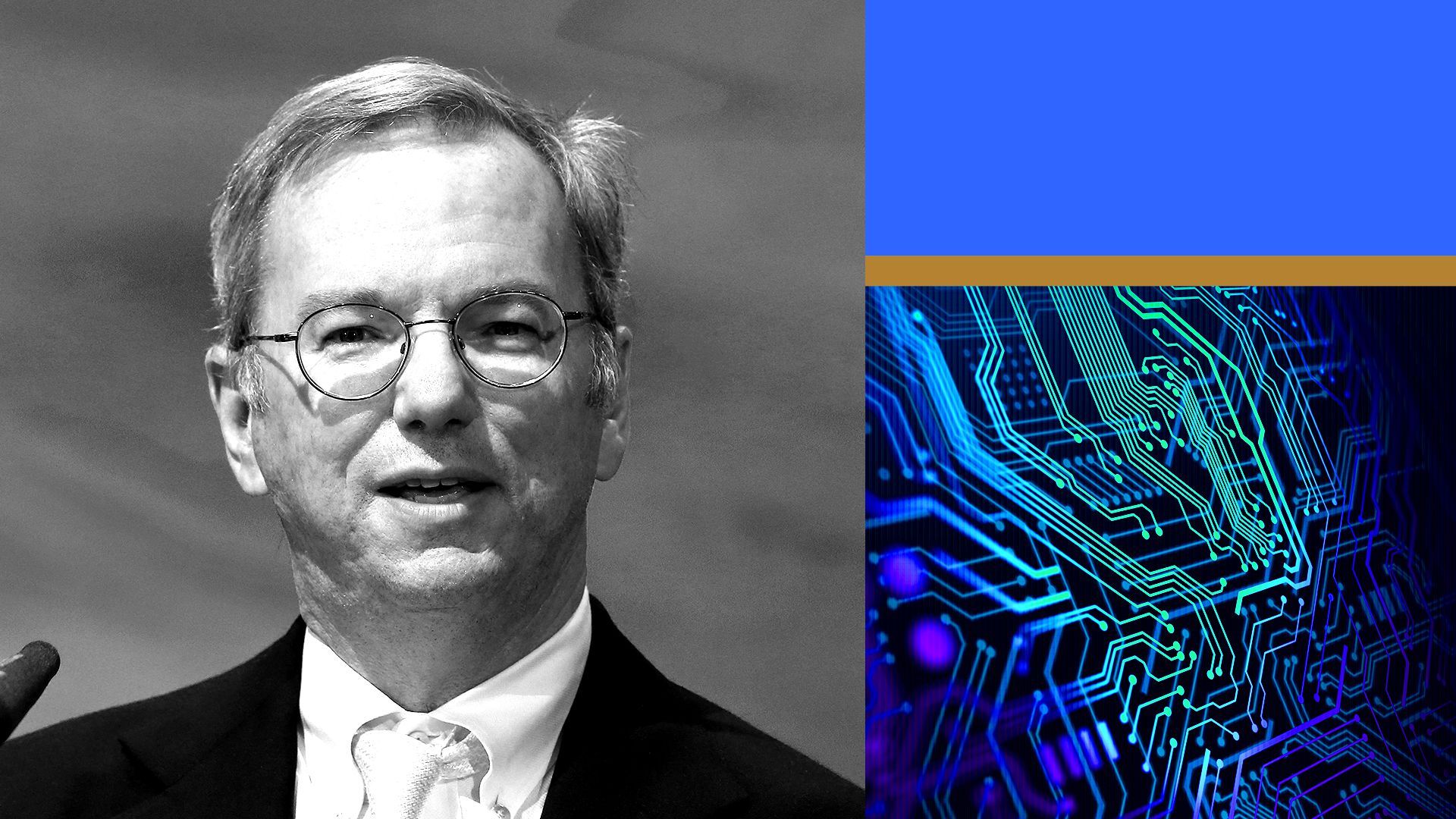
Why it matters: Former Google CEO Eric Schmidt, who chaired the committee that issued the report, tells Axios that the U.S. risks dire consequences if it fails to both invest in key technologies and fully integrate AI into the military.
Real estate software company Compass filed for its long-rumored IPO on Monday.
Why it matters: It's the latest company in SoftBank's Vision Fund portfolio to file for an IPO — a source of much of the megafund's good fortunes over the past year.
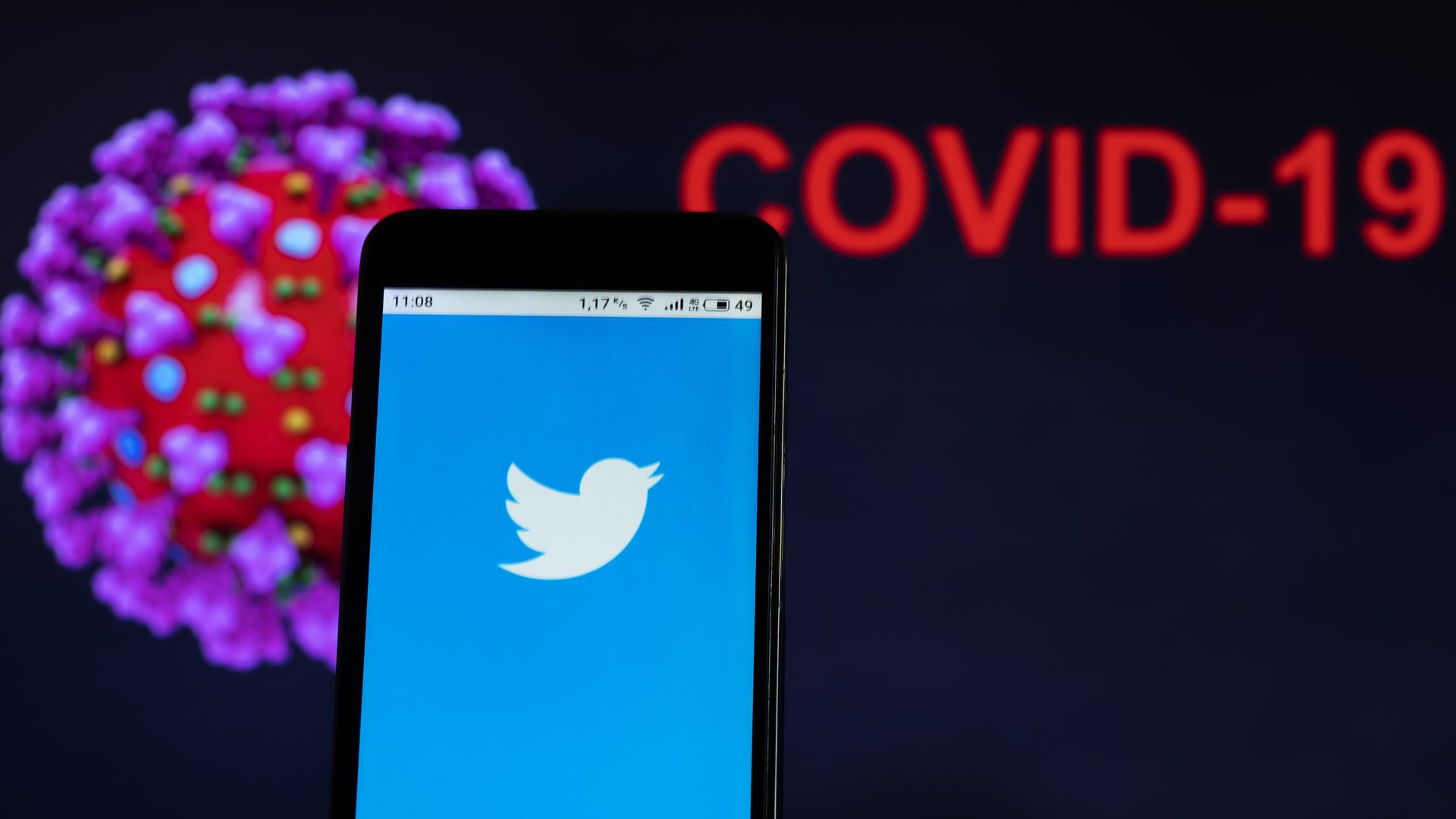
Twitter announced Monday that it will label tweets with potentially misleading information about COVID-19 vaccines, and introduce a strike system that can lead to permanent account suspension.
The big picture: Tech companies are taking an increasingly aggressive stance against users who attempt to share misleading information about COVID-19 vaccines on their platforms.
All Apple stores in the U.S. are open for the first time since businesses began widespread closures due to the coronavirus last spring, the company confirmed to CNBC.
Why it matters: The milestone is a sign that the pandemic is winding down in the U.S. The stores closed nearly a year ago as COVID-19 first began to spread rapidly across the country.
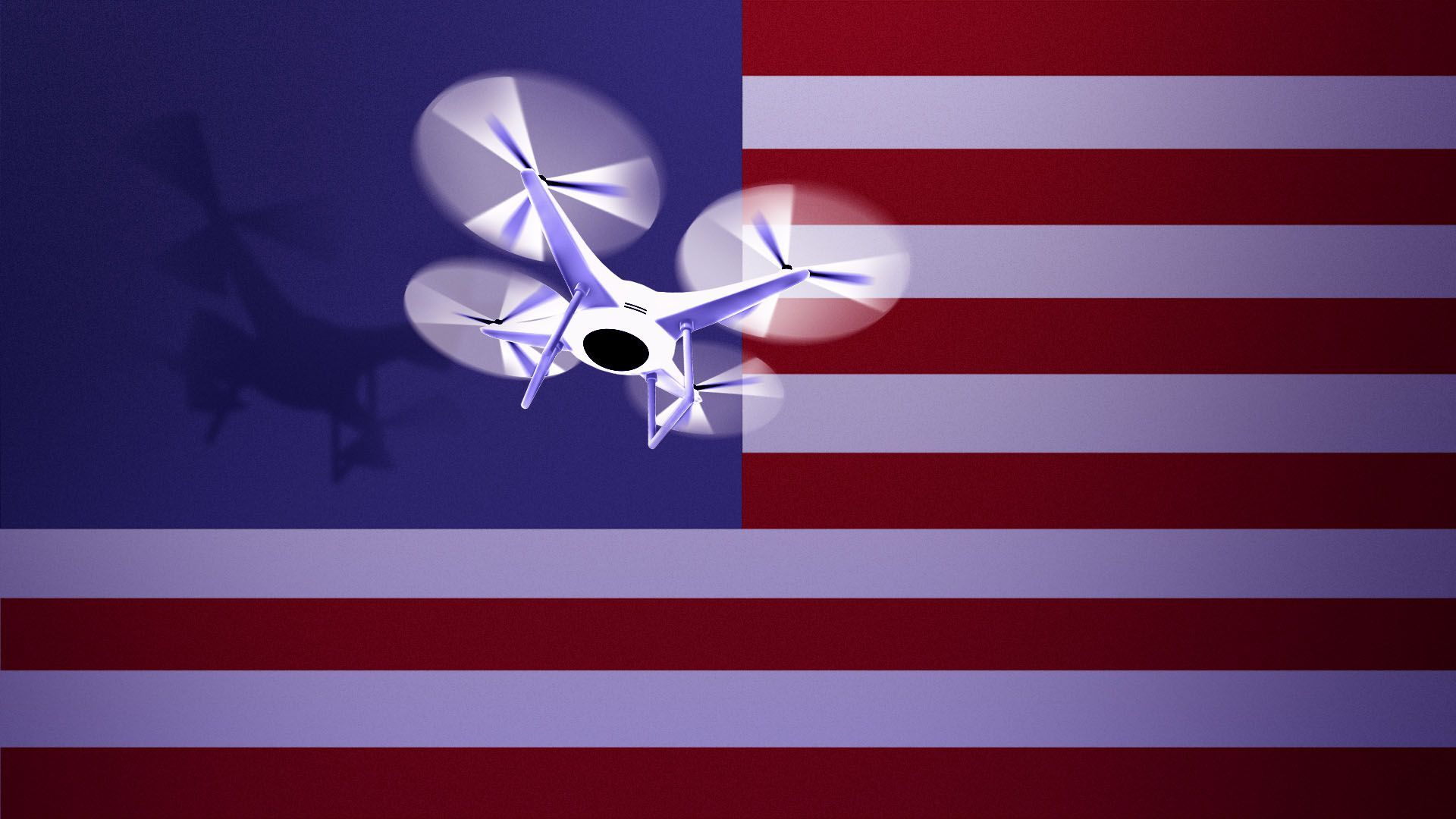
Skydio, a Redwood City, Calif.-based autonomous drone-maker, raised $170 million in Series D funding led by existing backer Andreessen Horowitz at a valuation north of $1 billion.
Why it matters: It comes just two months after drone-market dominator DJI was put on a U.S. national security blacklist, thus creating new opportunities for homegrown rivals. Plus, it's now notable that an AV unicorn like Skydio opted for a private financing instead of a SPAC.
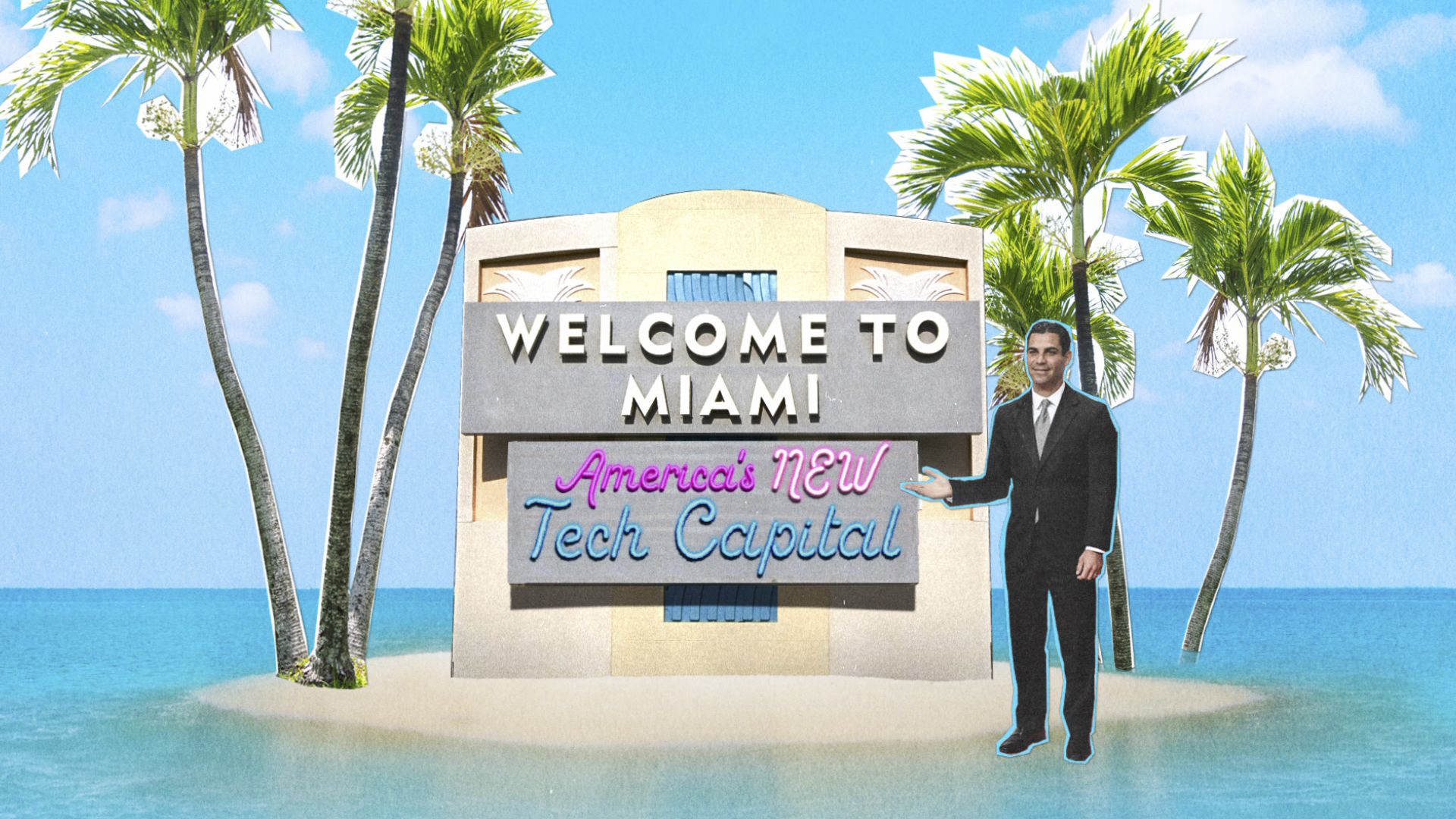
Miami Mayor Francis Suarez's ambitions to attract Big Tech has generated a lot of headlines — but it will likely come with some negative impacts for current residents, for which the mayor admits there may not be solutions.
What he's saying: "Gentrification is real," Suarez told "Axios on HBO." But even with his efforts to promote affordable housing, he argues that "government has a limited amount of resources and a limited amount of ability to stop things that are market driven."
President Trump's haphazard war on Chinese tech has left the Biden administration with a raft of unfinished business involving efforts to restrict Chinese firms and products in U.S. markets.
Why it matters: The Chinese and American tech industries are joined at the hip in many ways, and that interdependence has shaped decades of prosperity. But now security concerns and economic rivalries are wrenching them apart.












/2021/02/28/1614551735850.gif?w=3840)