BlockTower Capital has raised a $25 million fund focused on decentralized finance, or "DeFi," projects and assets, Axios has learned.
Why it matters: Decentralized approaches to financial use cases like exchanges, lending and prediction markets, have become more popular as tech seeks to displace traditional intermediaries.
American technologists have begun sounding alarm bells about the U.S. falling behind China on artificial intelligence, including when it comes to defense applications.
Axios Re:Cap goes deeper with Brandon Tseng, co-founder of a defense drone software startup called Shield AI, to better understand the technical, policy and ethical issues at stake.
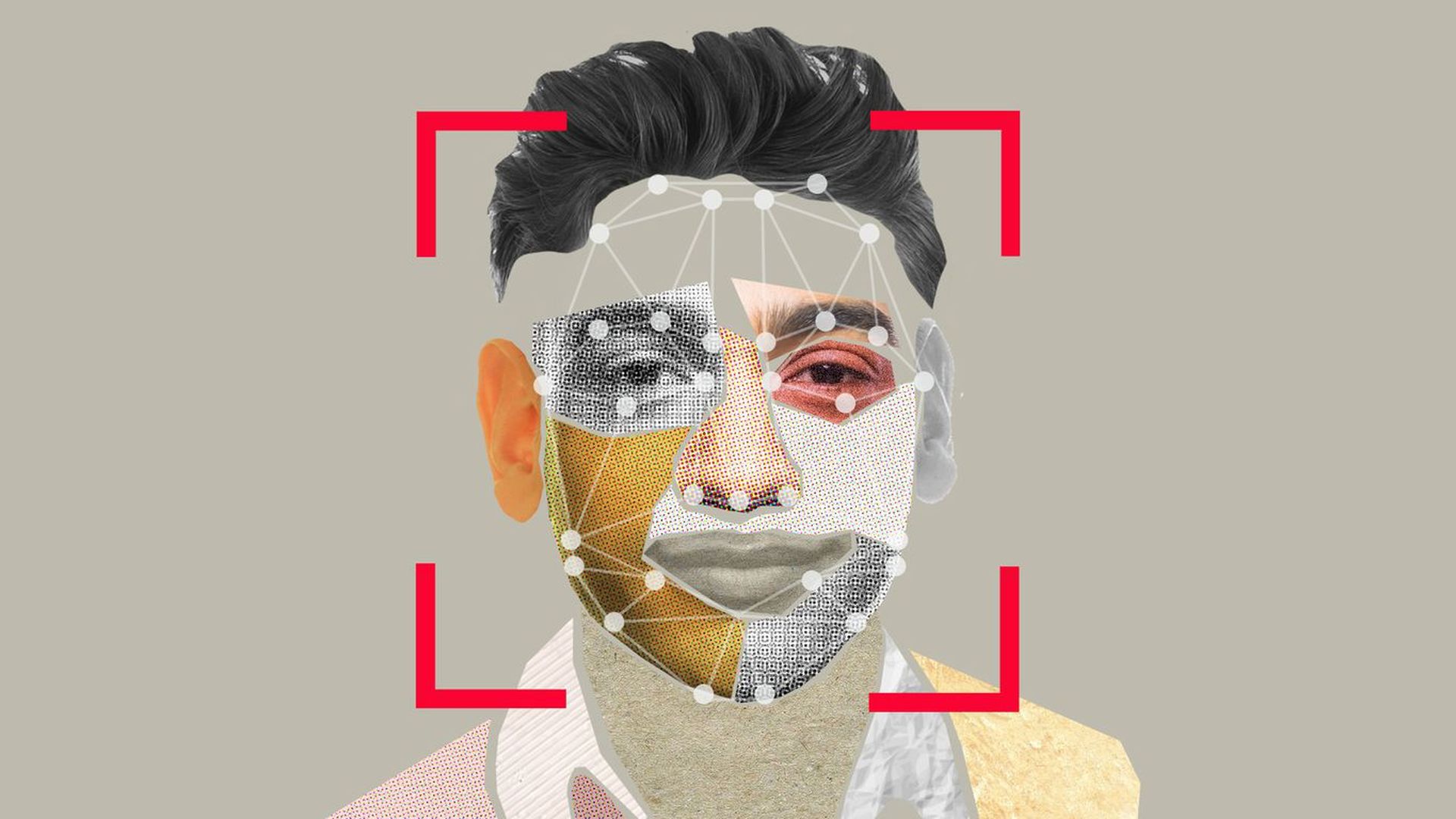
New research from a major AI company offers insight into how neural networks are able to "see."
Why it matters: Reliable computer vision is a cornerstone for AI applications like self-driving cars, but the effectiveness of neural nets in recognizing imagesis only matched by their impenetrability. The new research allows scientists to peer into the black box of computer vision, with implications for reducing bias and errors.
Fans are willing to pay for more exclusive content or experiences from their favorite celebrities, with the prime example being the way in which the price of concert tickets is spiraling ever upwards. But often the live-event model falls short, for fans who don't live in major cities or when a pandemic strikes, and want something more permanent.
What's new: Some celebrities are turning to NFTs, digital tokens that can be unique or that can come in editions of thousands or more, which are reasonably permanent and come with the promise of never degrading. They can also come with perks like limited-edition vinyl or even a custom song.
Square Inc., the mobile payments company run by Twitter CEO Jack Dorsey, said Thursday it plans to acquire a majority stake in Tidal, the subscription music streaming service run by rap star Jay-Z.
Why it matters: Dorsey says the deal will help find "new ways for artists to support their work."
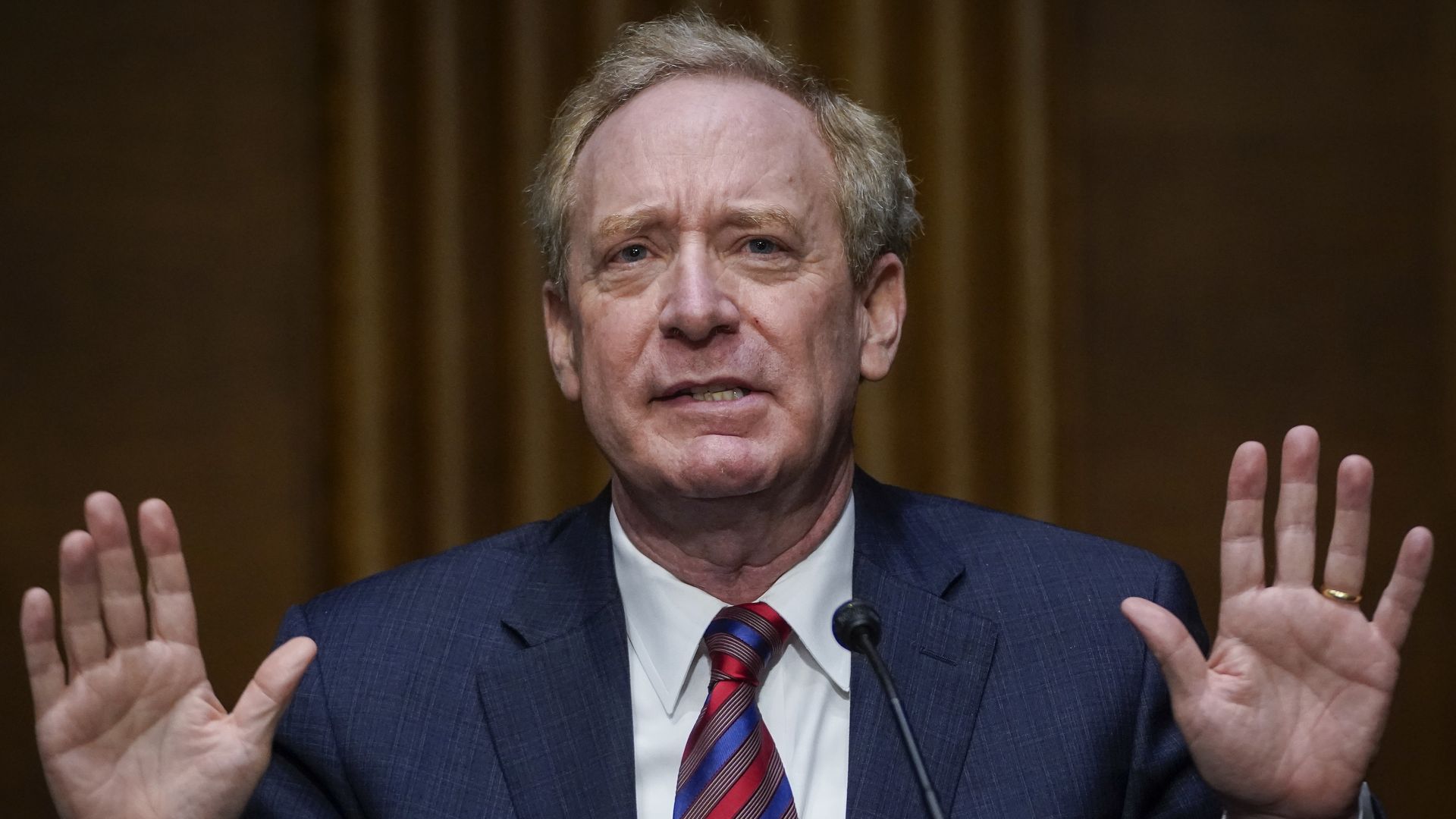
Microsoft president Brad Smith will testify before a House antitrust subcommittee hearing next Friday about tech antitrust and the news media, sources familiar with the situation tell Axios.
What's happening: The House Judiciary antitrust subcommittee is holding hearings this spring to follow up on its year-long investigation and expansive report into Big Tech and antitrust. The committee says these hearings will help form legislation.
By combining a range of private and public information, a small startup says it is able to predict COVID-19 hot spots at the neighborhood level a week out — with 92% accuracy.
Included in a new federal government report on possible extremist attacks on the Capitol is a warning that information on specific threats has become harder to come by in the wake of the Jan. 6 siege amid a shift toward encrypted communications programs.
Why it matters: The finding is likely to put the long-simmering debate over strong encryption back on the front burner.
Zencity, a company that tracks citizen sentiment on social media for local governments, announced Thursday it is acquiring civic polling firm Elucd.
Why it matters: Keeping tabs on citizen's feedback and responses to government actions has become a key job for local leaders who are dealing with multiple crises brought on by the pandemic.
Investors holding the ultra-popular Nasdaq 100 and S&P 500 index funds have been hard hit over the last two weeks as tech shares have been roiled by rising U.S. Treasury yields.
Why it matters: Even though the economy is growing and many U.S. stocks are performing well, most investors are seeing their wealth decline because major indexes no longer reflect the overall economy or even a broad swath of public companies — they reflect the performance of a few of the country's biggest companies.
Telemedicine and other health-related technologies have gotten huge boosts over the past year as COVID-19 upended how patients receive medical attention.
Why it matters: Virtual doctor's appointments and therapy sessions will likely be the norm, even after more people are vaccinated.

/2021/03/04/1614884313590.gif?w=3840)













/2021/03/03/1614786103610.gif?w=3840)