Both DoorDash and Airbnb beat analyst revenue expectations on Thursday in their first quarter as public companies. Both also have significant losses, which they attribute mostly to IPO-related costs and stock-based compensation.
Why it matters: The two companies became Silicon Valley darlings amid the pandemic as they capitalized on resulting consumer trends.
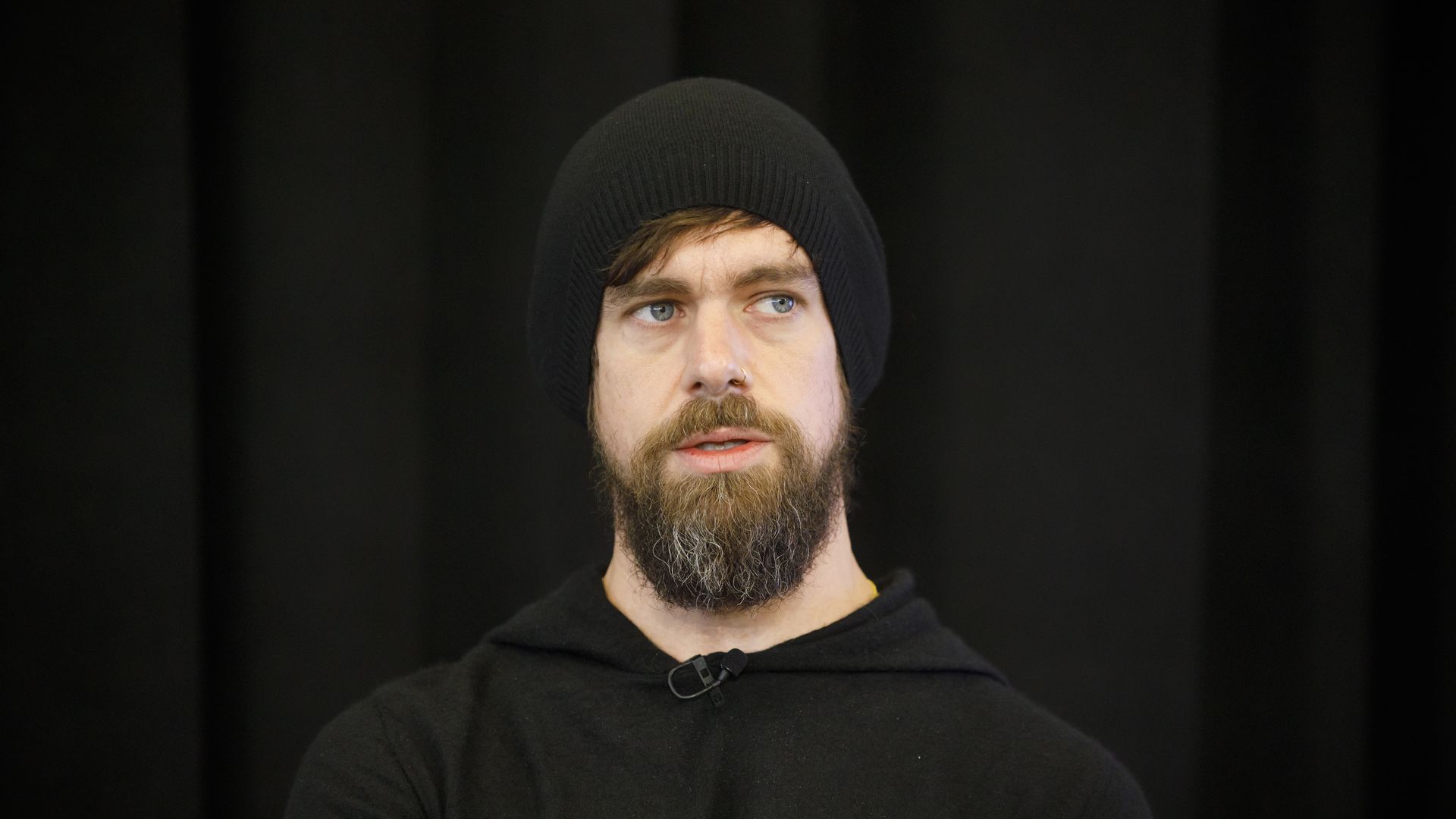
Twitter said Thursday that it plans to increase the amount of money it makes off of its users by allowing them to pay creators directly for content they like.
Why it matters: The company is trying to broaden its revenue stream away from being dependent mostly on ads, and particularly on ads from big brands.
Berkshire Grey, a maker of robots for e-commerce warehouses, on Wednesday agreed to go public via a SPAC led by former presidential candidate John Delaney and affiliated with the VC firm of AOL founder Steve Case.
Axios Re:Cap speaks with Delaney about what the deal tells us about the future of e-commerce, low-skilled labor and SPACs.
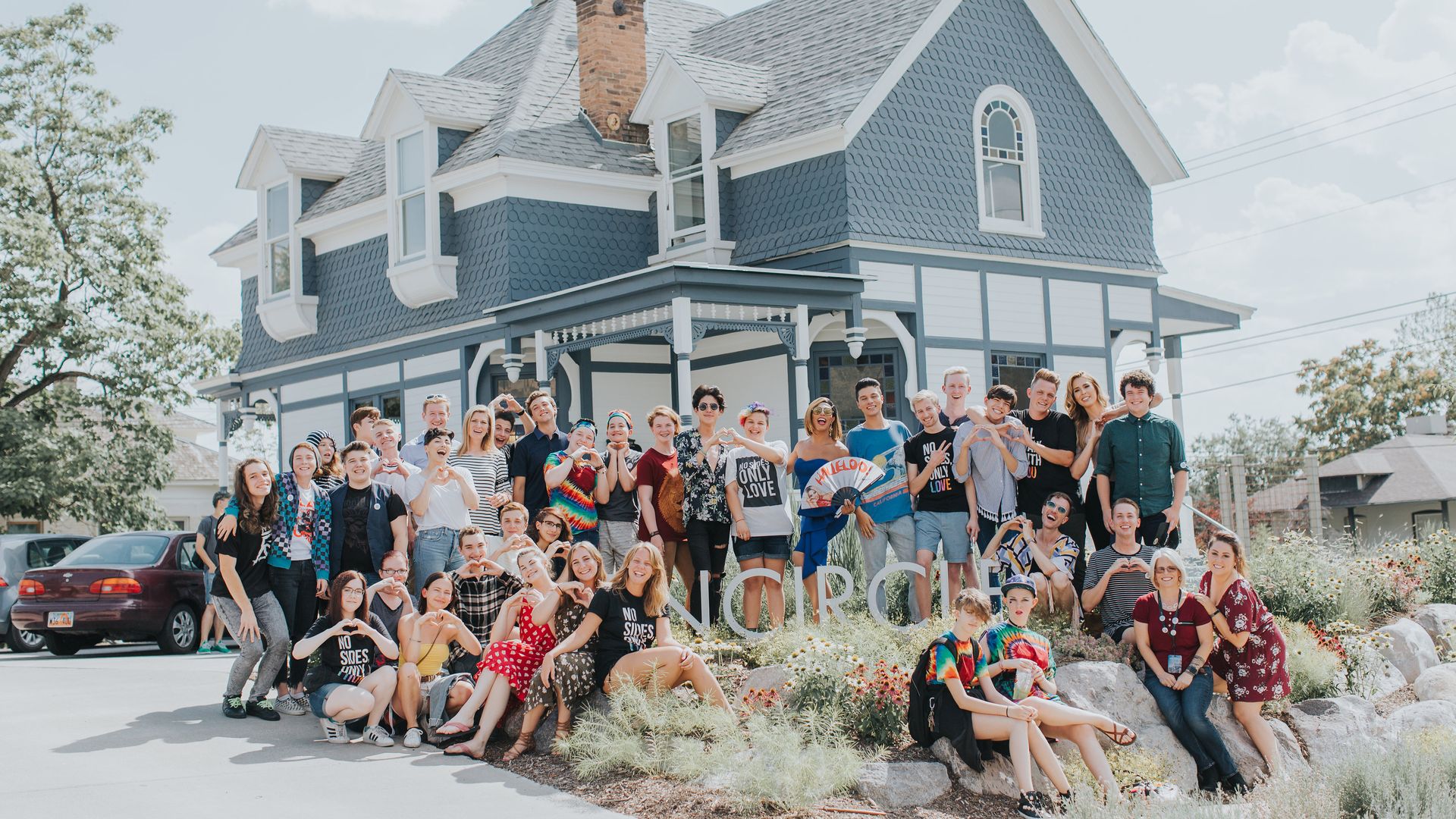
Encircle, a Provo, Utah nonprofit that offers services to LGBTQ youth in the state, will expand to three more Western states thanks to an influx of funding from Apple and Ryan Smith, executive chairman of Qualtrics and owner of the Utah Jazz.
Why it matters: LGBTQ youth remain at high risk for homelessness and suicide, despite broad shifts in societal attitudes.
Food delivery company DoorDash says that in January, its couriers in California netted on average 30% more in hourly earnings than they did in 2020 prior to the passage of Prop. 22 in November.
Why it matters: Much of the companies' pitch to voters was that Prop. 22 — which allowed gig economy firms to treat workers as contractors rather than employees — would translate to higher earnings for workers, but has faced skepticism from some drivers and critics of the industry.
Cryptocurrency exchange Coinbase on Thursday filed to go public via a direct listing. It includes a placeholder figure of $1 billion, but that's likely to change.
Why it matters: Coinbase could go public at a higher initial valuation than any other U.S. tech company since Facebook.
While lawsuits against Google and Facebook crawl their way through the courts, a second front in Washington's war on Big Tech is heating up, as legislators zero in on ways to draft new antitrust laws that take into account the unique traits of digital markets.
Driving the news: House lawmakers on the Judiciary Committee's antitrust subcommittee will grill experts and witnesses Thursday in an effort to chronicle the alleged monopolistic practices of "gatekeeper" tech companies — a prelude to drafting new laws to rein them in.
Facebook said on Wednesday it would ban the rest of the Myanmar military from its platform.
The big picture: It comes some three weeks after the military overthrew the civilian government in a coup and detained leader Aung San Suu Kyi, causing massive protests to erupt throughout the country. Military leaders have been using internet blackouts to try to maintain power in light of the coup.
Facebook announced Wednesday it plans to invest $1 billion to "support the news industry" over the next three years and admits it "erred on the side of over-enforcement" by banning news links in Australia.
Why it matters: Facebook is following in Google's footsteps, after last October the company pledged to pay publishers over $1 billion during the next three years to create and curate high-quality journalism for its Google News Showcase.