2U, a major provider of remote college and professional training, is partnering with a company that works on education reimbursement to expand online schooling opportunities for U.S. workers, Axios has learned.
Why it matters: American workers need help affordably reskilling for the age of automation, but existing higher education opportunities often leave them unprepared and laden with debt. The new partnership aims to take advantage of remote education to meet workers where they are, with what they need.
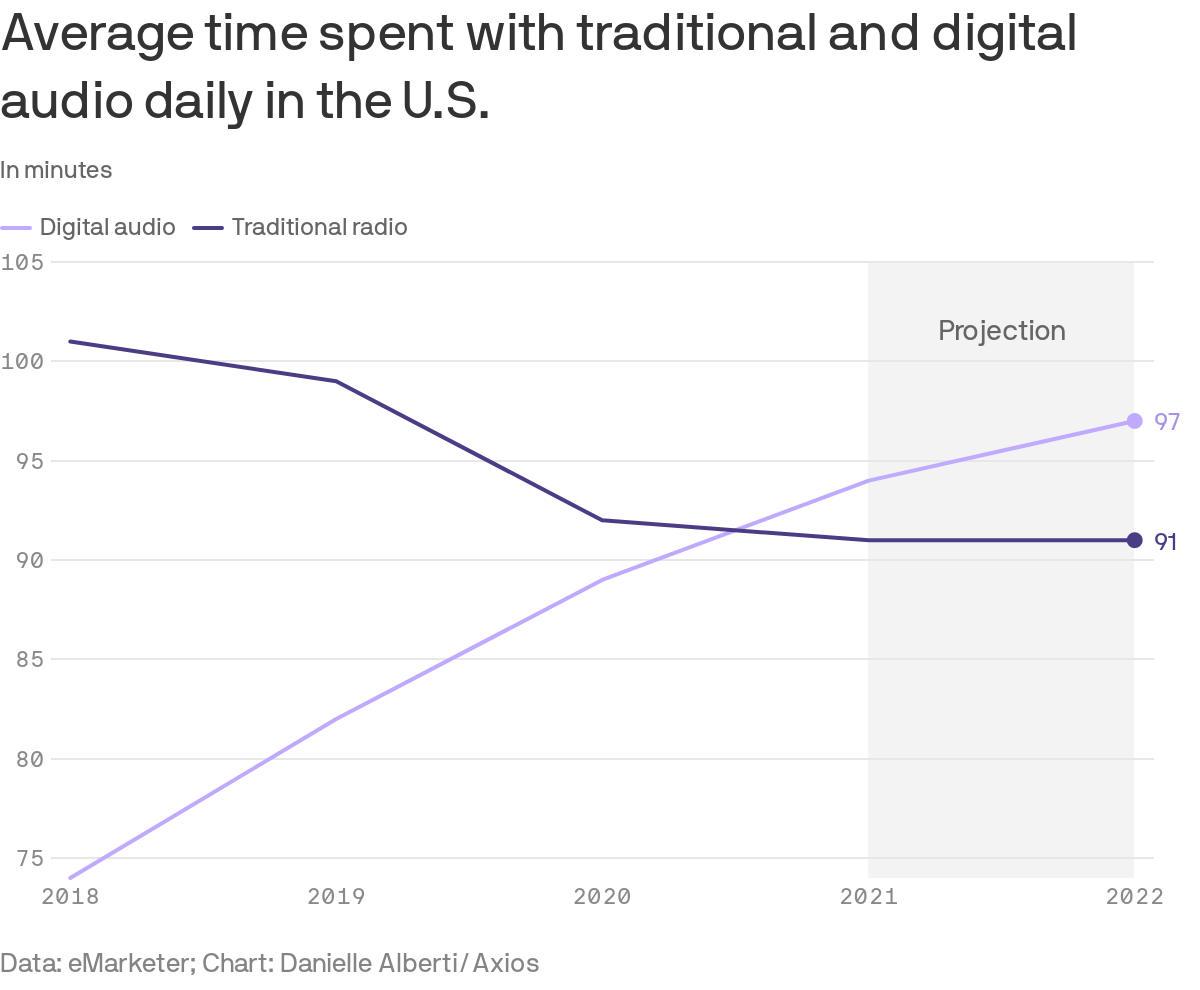
Spotify on Monday announced a new advertiser network called the Spotify Audience Network that will combine all of the audio streaming giant's music and podcast ad inventory in one place when it launches in coming months.
Why it matters: The first-of its kind digital audio network will make it possible for marketers to be able to run targeted digital audio ads at scale, similar to what they are able to do now with banner ads or search ads on Facebook and Google.
Wall Street's populist uprising, the Capitol siege and a strong U.S. anti-vaccination movement show the power of memes in spreading misinformation and influencing communities online.
Why it matters: For years, there's been growing concern that deepfakes (doctored pictures and videos) would become truth's greatest threat. Instead, memes have proven to be a more effective tool in spreading misinformation because they're easier to produce and harder to moderate using artificial intelligence.
Health officials are worried that misinformation about the COVID-19 vaccines and infertility will drive down vaccination rates among women, the Washington Post reports.
Why it matters: False claims about the vaccines are rampant, and threaten to prevent the U.S. from vaccinating enough people to put the pandemic safely behind us.
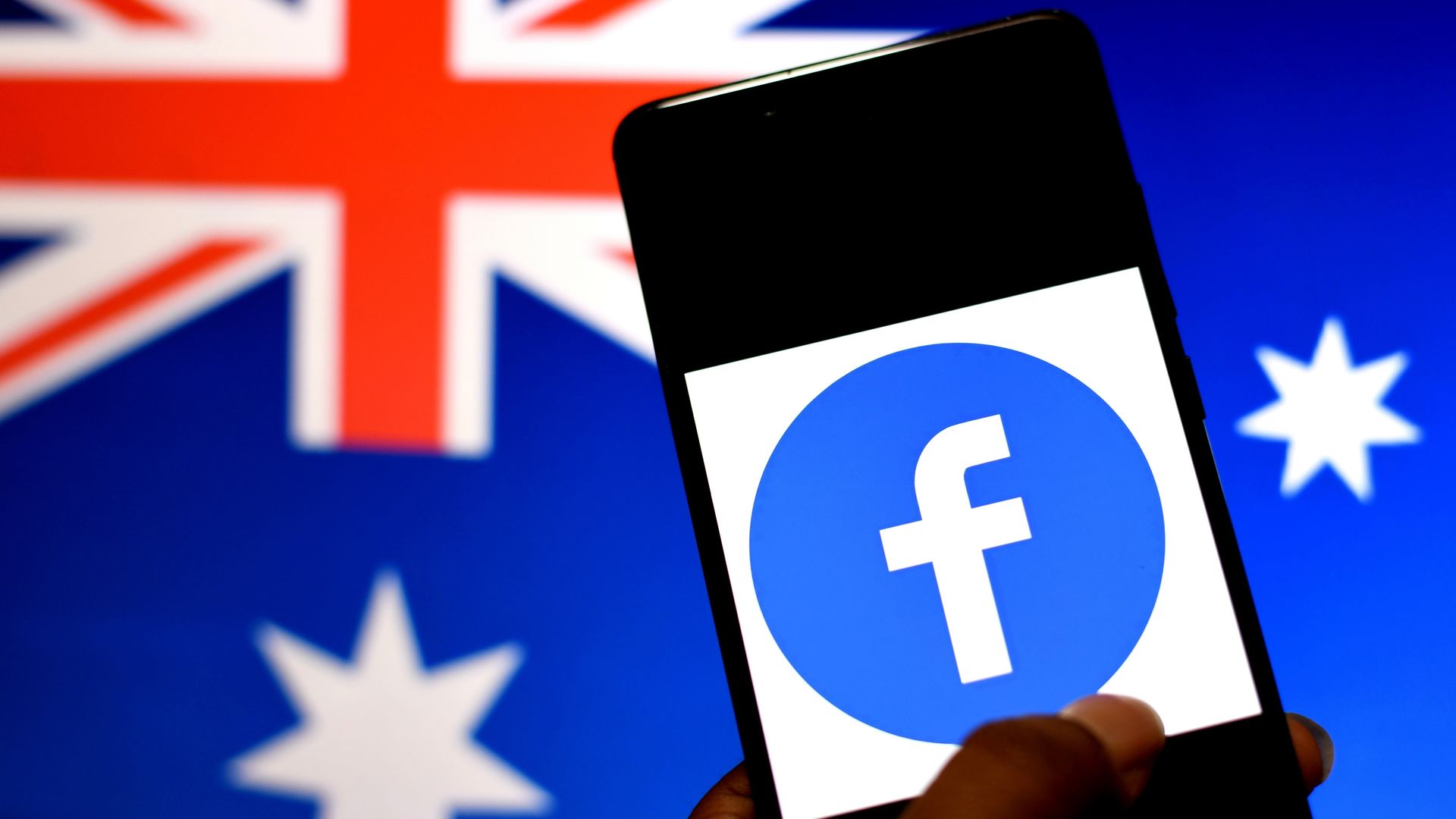
Facebook on Monday said it had struck a deal with Australian lawmakers to pay local publishers for their news content, after the government finally agreed to change some of the terms within its new media code.
Why it matters: The agreement ends Facebook's temporary ban on sharing news links on its platform in the country. Data showed that the link-sharing ban caused news traffic to plummet in the region.
Now that the pandemic has made it clear just how essential it is to be connected to high-speed internet, lawmakers are finally putting billions of dollars into funding government programs to expand access to it.
Why it matters: The big lesson from the pandemic is that broadband service is no longer a nice-to-have amenity — it’s critical for virtual school, remote work and telemedicine. Yet around 14.5 million Americans still lack access to it, according to the FCC. (Many advocates believe that figure undercounts the number of people still not connected.)
Google has hired Anne Wall, a former Obama White House legislative staffer, as head of strategy and external affairs, the company announced Monday.
What's happening: Wall will lead strategy for the U.S. and Canada Government Affairs and Public Policy Teams, reporting to Republican Mark Isakowitz, Google's VP of Government Affairs and Public Policy for the U.S. and Canada.
Why it matters: Google is putting a high-profile Democrat in a key external affairs role as the Biden administration ramps up.
Between the lines: Wall will also lead engagement with third-party groups and advocacy organizations. Heading up strategy for the policy team is a new part of the external affairs role.
Social media platforms and big tech companies are under intense amounts of regulatory scrutiny in the U.S. and across the world. Google is under multiple antitrust investigations at home and abroad.
Previously, the external affairs part of the job was held in an interim capacity by Johanna Shelton, another Democrat who currently leads Google's White House and executive branch outreach.
Wall served as Assistant Secretary for Legislative Affairs at the U.S. Treasury for former treasury secretary Jack Lew and also previously worked for Senate Majority Whip Dick Durbin (D-Ill.).
What they're saying: "Anne’s impressive record as a problem-solver, policy expert and collaborative leader at the highest levels of government will be a tremendous asset as we continue our work to promote technological innovation and economic opportunity," Isakowitz said.
"I look forward to engaging with policymakers and advocacy groups on policies that ensure technology continues to help the widest range of people possible," Wall said.
Fitbit started out trying to make us healthier by making us take a few extra steps. Now such wearables can help detect diseases like COVID-19 and even spot signs of depression, CEO James Park told "Axios on HBO."
Why it matters: Early detection is important for a range of health conditions, but especially so with communicable diseases like the flu or COVID-19.




/2021/02/22/1614014944590.gif?w=3840)