As e-commerce sales spiked during the pandemic, backroom warehouse labor rose to meet the demand.
Why it matters: With more Americans employed in the warehouse sector, the quality of those jobs — and the effect automation will have on them — will be increasingly important.
Food delivery companies have predictably done well during the pandemic. But restaurant software providers are also having a moment as eateries race to handle the avalanche of online orders resulting from severe in-person dining restrictions.
More than outright destroying jobs, automation is changing employment in ways that will weigh on workers.
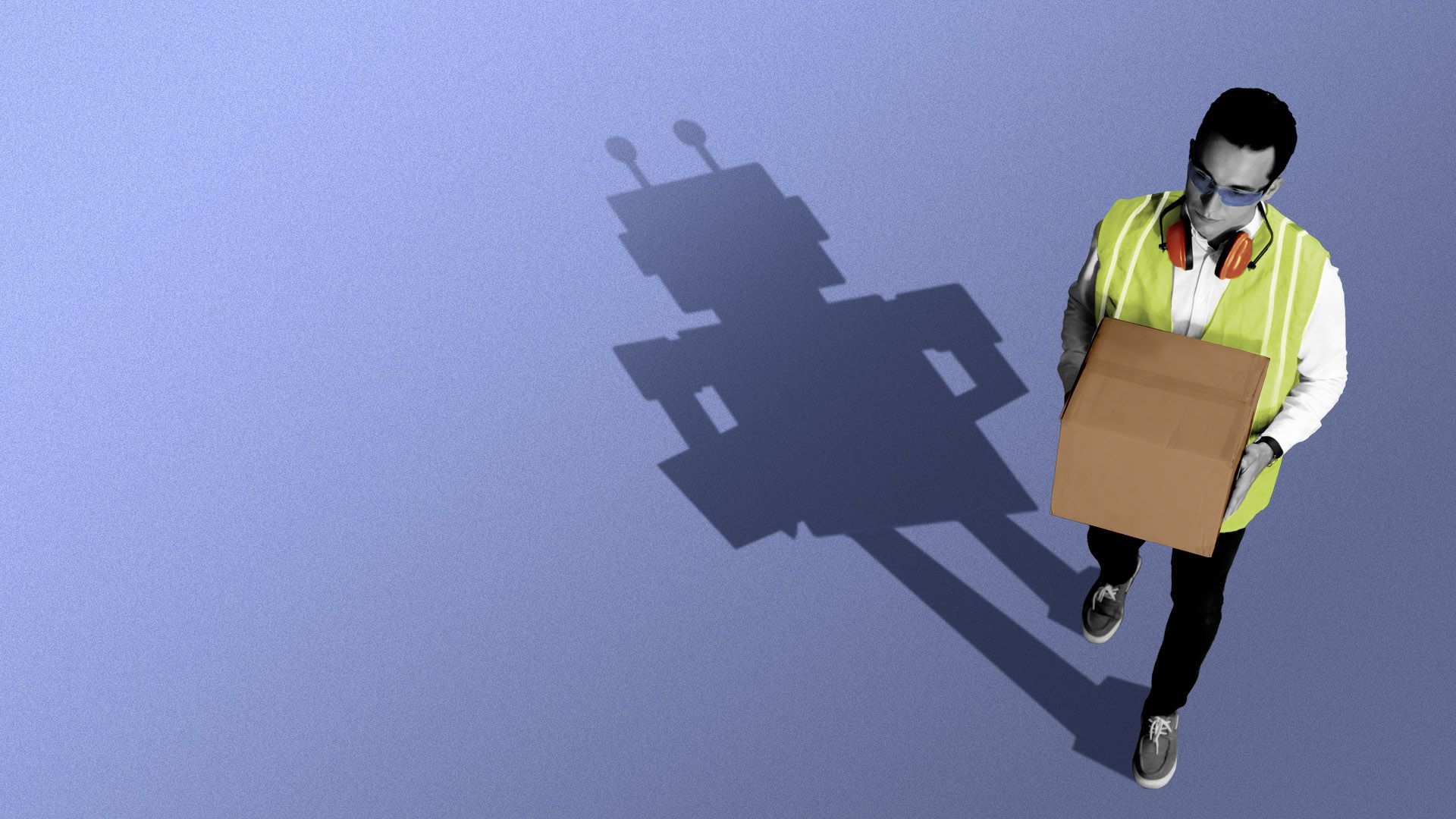
The big picture: Right now, we should be less worried about robots taking human jobs than people in low-skilled positions being forced to work like robots.
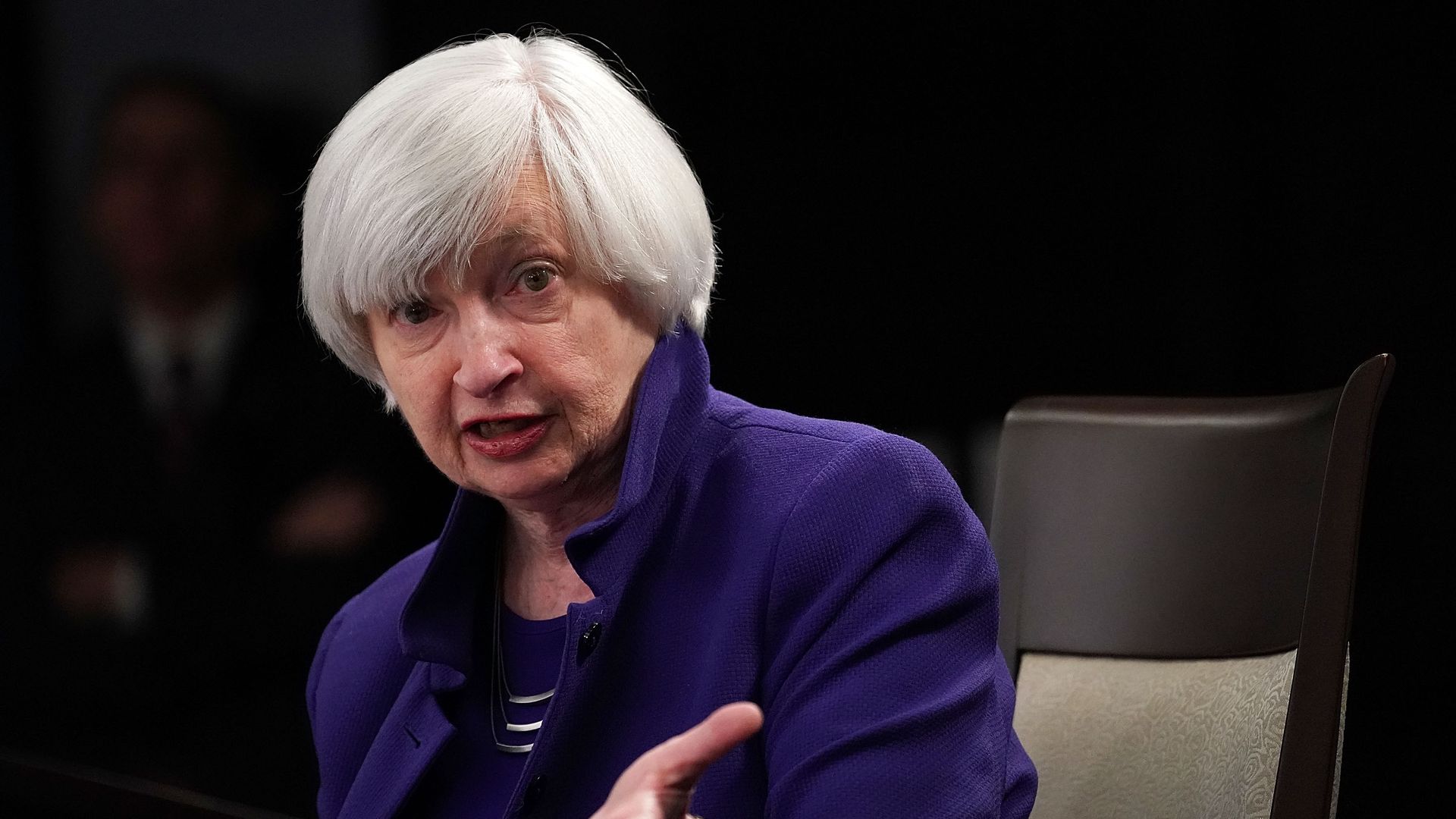
Treasury Secretary Janet Yellen said Friday that regulators have agreed to eliminate a controversial part of the U.S. government plan to reform global digital tax rules, clearing the way toward a quicker deal.
What's happening: Yellen told G20 finance ministers the U.S. would be dropping a "safe harbor" provision the Trump administration had been fighting for, which would have essentially allowed tech companies to opt out of any new tax regime, the FT reports.
GLAAD, a leading LGBTQ rights organization, plans to start rating social media companies based on how well they protect people from abuse, officials tell Axios.
Why it matters: Studies show that LGBTQ youth are three times as likely as their non-LGBTQ peers to be bullied on social media.
Low-income Americans will soon be able to receive a $50 discount on their monthly internet service bills after the Federal Communications Commission on Thursday unanimously approved plans to establish a $3.2 billion Emergency Broadband Benefit Program during the pandemic.
Why it matters: Internet service is more critical than ever during the coronavirus pandemic, but it still remains out of reach for millions of Americans.
Facebook's 3 billion monthly active users, its mountain of money and its control over the flow of information all put the company on an equal footing with governments around the world — and, increasingly, it's getting into fights with them.
Why it matters: Facebook's power alarms governments fearful that the tech giant could tilt the political scales inside their borders, and regulators around the world are seeking ways to rein the company in.