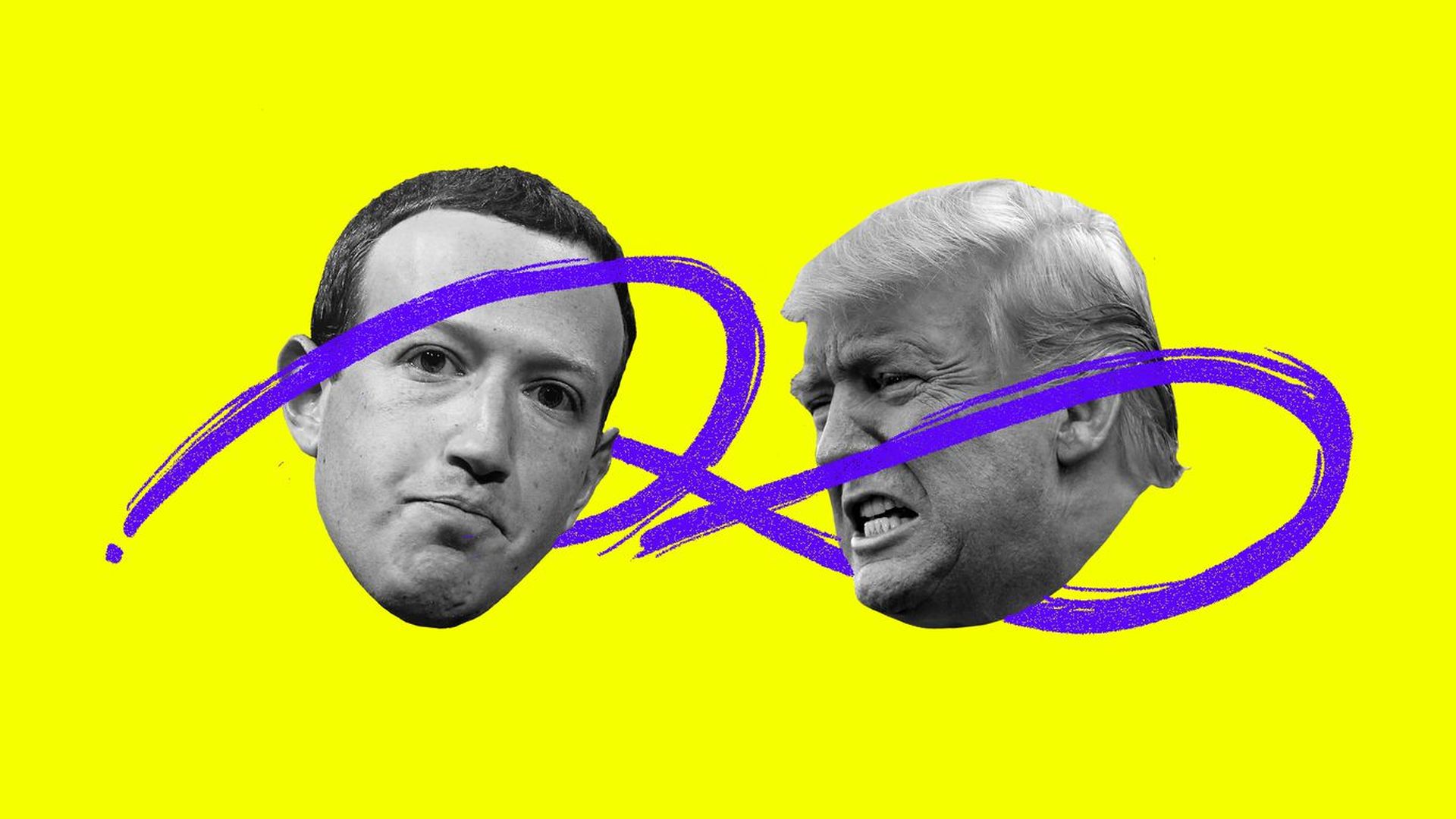
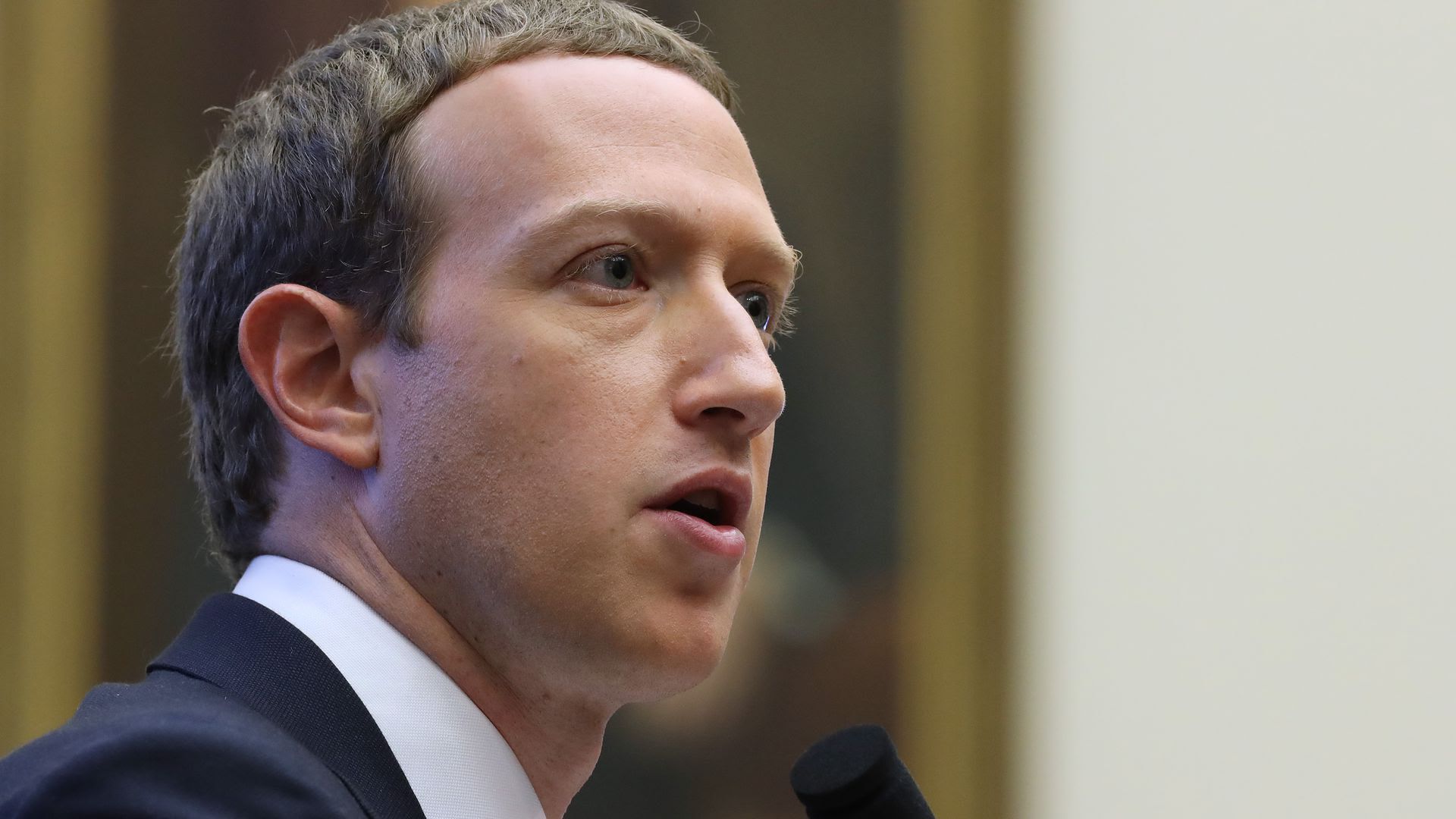
Mark Zuckerberg said Thursday he's giving up setting annual challenges for himself and trying to take a longer view. But 2020 has already thrown down a challenge for him: threading a needle between business demands and political landmines.
The big picture: Zuckerberg has to grow revenue and users, yet not get blamed for tipping another election — and not buckle on what he views as the core value of free speech. Despite an onslaught of bad press, he seems to be succeeding ... for now.
The so-called techlash isn't hurting Google, at least by one measure. The search giant told Axios that Google received 3.3 million job applications in 2019, up from 2.8 million applications in 2018 — an 18% increase.
Why it matters: The move comes despite a wave of employee activism and outside calls to rein in the power and scope of Big Tech. One of the big question marks is whether those trends will ever begin to hurt recruiting efforts.
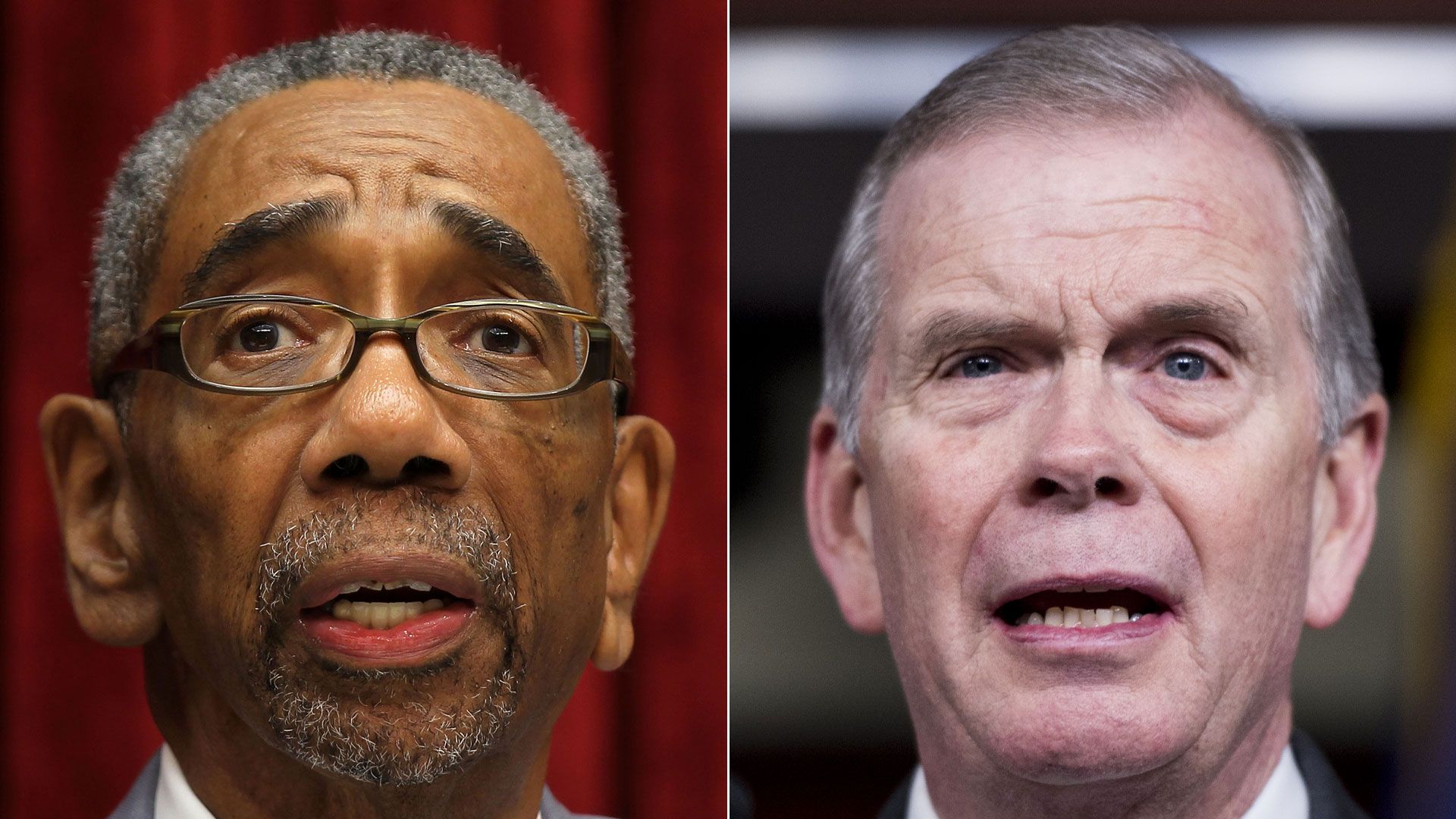
House lawmakers are introducing a bipartisan bill Thursday to update a long-standing children's online privacy law so that parents could force companies to delete personal information collected about their kids.
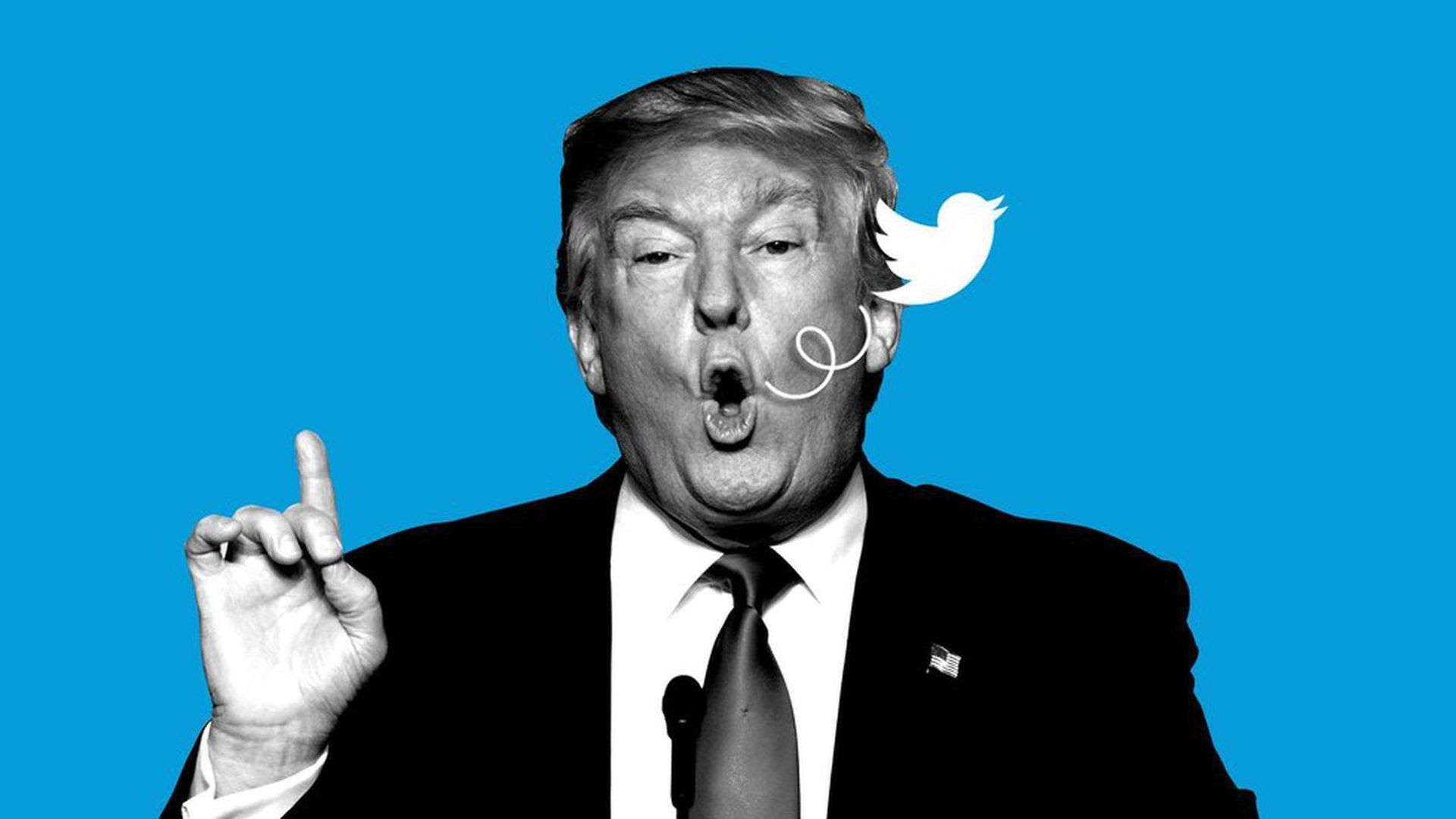
Twitter's plan to allow users to control who can reply to their posts, announced Wednesday, is largely welcome news for those who are routinely harassed on the service — including many people of color, women, LGBTQ+ folks and other groups often targeted by online mobs.
Why it matters: It could create an even riper environment for misinformation — especially when combined with Twitter's policy of allowing elected officials' tweets to stand, even when they violate the rules that apply to other users.
Anyone who was waiting for Facebook to change its controversial political ad policies — particularly the one that allows politicians to lie with impunity — will have to keep waiting, the company made clear Thursday.
Driving the news: Facebook released a raft of small changes to its rules around political ads, including giving consumers the option to block political ads from their feeds.
Facebook said Thursday it will give consumers the option to stop seeing political ads in their feeds moving forward.
Why it matters: Facebook has been heavily criticized for its policies around political ads, especially for its decision not to fact-check political ads.
Uber is rolling out a number of changes to its ride-hailing service in California due to a new state law with stricter requirements to classify a worker as an independent contractor, according to a new customer email.
There will be a ton of tech news coming out of Las Vegas this week, and Axios has you covered with all the big news in one place.
The big picture: The biggest products of the year tend to be announced elsewhere, but in terms of sheer volume of consumer tech news, CES is still unmatched. For more on what to expect, check out this preview story. And check back all week for the latest from the Axios tech team.
Twitter plans to roll out the ability for users to limit who can reply to their tweets with four new options, director of product management Suzanne Xie said at CES in Las Vegas on Wednesday, according to The Verge.
Why it matters: The change marks a departure from Twitter's wide-open approach to online interactions and represents a response to rising discontent with harassment and abuse on the service. Until now, users' control came only in the form of after-the-fact options like blocking other users or, more recently, hiding certain replies to their tweets.
Lawmakers questioned Facebook's new deepfake policy at a hearing Wednesday, with Democrats arguing the social media company's plan for addressing manipulated video does not go far enough.
Why it matters: Many policymakers already say tech giants have proven they're not up to the task of regulating themselves. Dissatisfaction with Facebook's plans for handling deepfakes will only further fuel calls for Washington to step in.
Quibi on Wednesday revealed a new mobile video technique called Turnstyle that allows mobile video consumers to seamlessly switch between watching the same video on their smartphones either vertically or horizontally.
Why it matters: The technology, which was demoed to reporters on Tuesday at the Consumer Electronics Show (CES) in Las Vegas, is a huge part of what Quibi thinks will help differentiate its product from other mobile video experiences, like Snapchat or Instagram.
It's rare to hear a CEO talk proudly about bringing profit margins down, but Arm chief Simon Segars says that's just what his company's 2016 acquisition by SoftBank has allowed him to do.
Why it matters: Arm-based chips have found their way into nearly every smartphone. Freed from having to satisfy shareholders with hefty profits, Segars says that under SoftBank, Arm can focus on investing, in hopes of finding similar dominance in the cars and smart devices of the future.
Evolv Technology, a Waltham, Mass.-based developer of weapons screening systems for large crowds, raised $30 million in Series C funding from such backers as Jeb Bush and Bill Gates.
Why it matters: We live in the age of mass shootings, in which attending school or a concert is potentially fatal. Evolv is an alternative to traditional, "one-person-at-a-time" metal detectors, able to simultaneously screen large flows of people, including at Lincoln Center and select schools in Spartanburg, South Carolina.
During his time as Uber's CEO, Travis Kalanick never sold any of his shares. It was one of the few unambiguously noble things he did, in an age in which many other CEOs were cashing in big on secondaries.
Driving the news: While we were on break, Kalanick sold his entire remaining stake in the company and resigned from its board of directors. His windfall was in the billions, even though Uber is valued well below where it went public (let alone its valuation when Kalanick was last in charge).
Apple on Wednesday said that its services business, which includes software for things like news, gaming, apps, music and video, had its best ever year in 2019.
Why it matters: Apple has been focusing on growing its services business as iPhone sales have drooped.
TikTok patched multiple holes in its security at the end of 2019 that had left the video sharing app's accounts, videos and user information potentially exposed for most of the year, as detailed in a new report from cybersecurity research firm CheckPoint.
Why it matters: No personal data was found to be compromised, but this report provides some of the first in-depth details of security risks faced by TikTok — which is under the microscope as lawmakers criticize its Chinese ownership.
TikTok on Wednesday published a lengthy update to its rules of conduct, sharpening its definition of unacceptable content and its stance toward misinformation.
Why it matters: The move is an acknowledgment that TikTok's previous standards did not adequately address the onslaught of content-related issues that the video-sharing platform is starting to face as it grows.










/2020/01/08/1578502172537.gif?w=3840)

/2020/01/08/1578497002427.gif?w=3840)