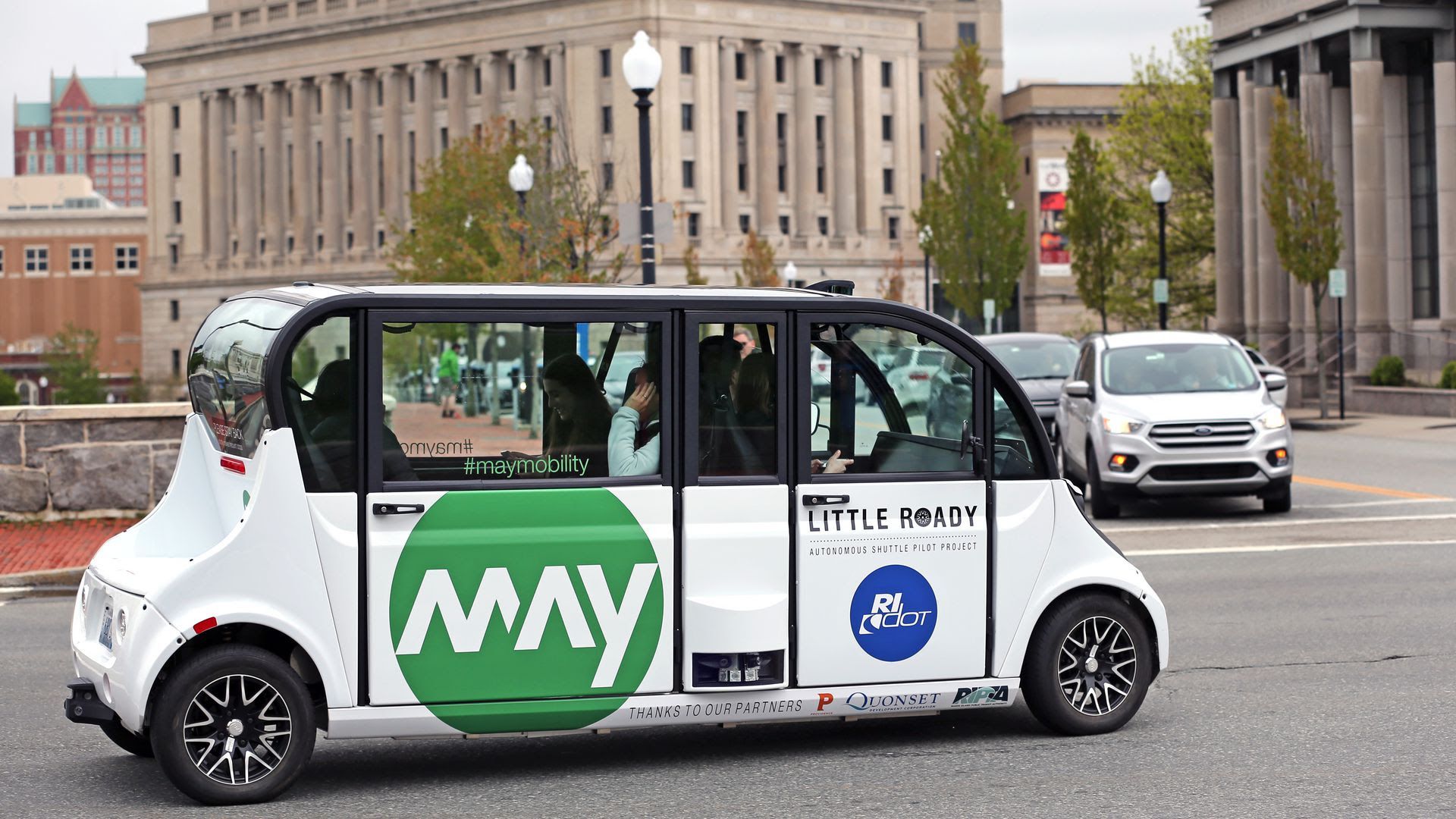
May Mobility, a self-driving electric shuttle company based in Ann Arbor, Mich., just raised $50 million in a Series B financing round led by Toyota.
Why it matters: The vote of confidence is more than financial. Toyota has also selected May Mobility as one of its partners to develop autonomous transportation-as-a-service for future mobility platforms.
Qualcomm announced its latest bid to break into the PC market on Thursday, announcing two new chips aimed at the low-end and mid-range of the notebook market. It's the latest in the company's years-long quest to expand from phones into computers.
Why it matters: Though smaller than the smartphone market in units, the PC business remains lucrative, and getting even a modest share of it would be a nice boost for Qualcomm and a considerable threat to Intel.
Cellphone-related injuries have skyrocketed over the last decade, according to a new study in JAMA Otolaryngology.
By the numbers: Nearly 40% of injuries between January 1998 and December 2017 were among people ages 13 to 29, and many of them were "associated with common activities, such as texting while walking."
Food delivery apps look to have found a sweet spot as data shows more than a quarter (27%) of Americans spend up to $50 each month on delivery.
The big picture: Competition among delivery companies is getting serious as more sign exclusive agreements with restaurants, closing the door on competition.
In a long-awaited safety report, Uber disclosed on Thursday that during 2017 and 2018, U.S. users reported nearly 6,000 incidents of sexual assault of various kinds.
Why it matters: Uber (along with rival Lyft) has been criticized over the years not only for the occurrence of sexual assault and violence on rides, but also for its handling of these incidents, including attempts at downplaying or hiding them.
Being a CEO used to mean something very clear: You were the top dog, answerable only to the collective will of a board of directors. Today's CEOs, by contrast, are often deep down in the org chart, fireable by a boss who in turn is fireable by an even higher-up boss.
The big picture: Regional heads, heads of subsidiaries, heads of business lines — all of them now lay claim to the CEO title. Mark O’Donovan, for instance, is the CEO of Chase Auto, a subsidiary of Chase Manhattan Bank that is itself a subsidiary of JPMorgan Chase.
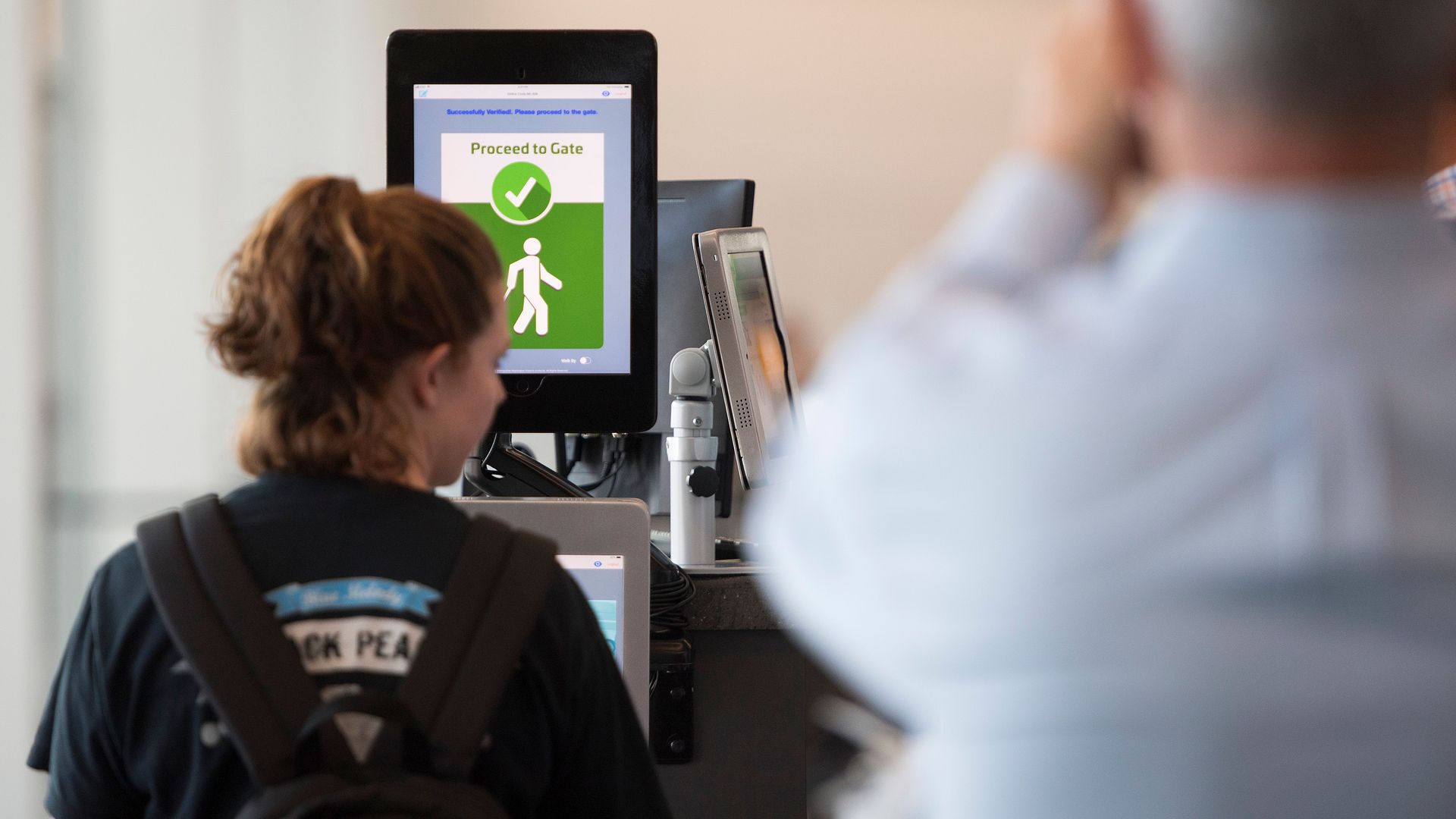
The Department of Homeland Security has backtracked on a plan to require every person, including U.S. citizens and green-card holders, to submit to a facial recognition screening before entering or leaving the country.
Why it matters: Facial recognition has emerged as a privacy flashpoint. As some cities pass bans on the technology, the federal government has pushed forward — but this reversal shows the limits of public appetite for its use.
Chinese tech companies have ramped up efforts to set technical standards for facial recognition, raising concerns among business competitors, political observers and humanitarian advocates.
Why it matters: China has long made a systematic effort to set international standards on data and hardware compatibility across brands so that the standards reflect how Chinese products already work — giving its domestic industries a leg up in engineering races.
Google has created a new tool to help newsrooms make coverage decisions based on real-time data of what’s being searched on Google and talked about on Twitter.
Why it matters: It’s the latest effort by a tech giant to help give newsrooms access to data that could help their businesses. Google argues newsrooms can boost user loyalty by using the tool to cover the topics they are most interested in.
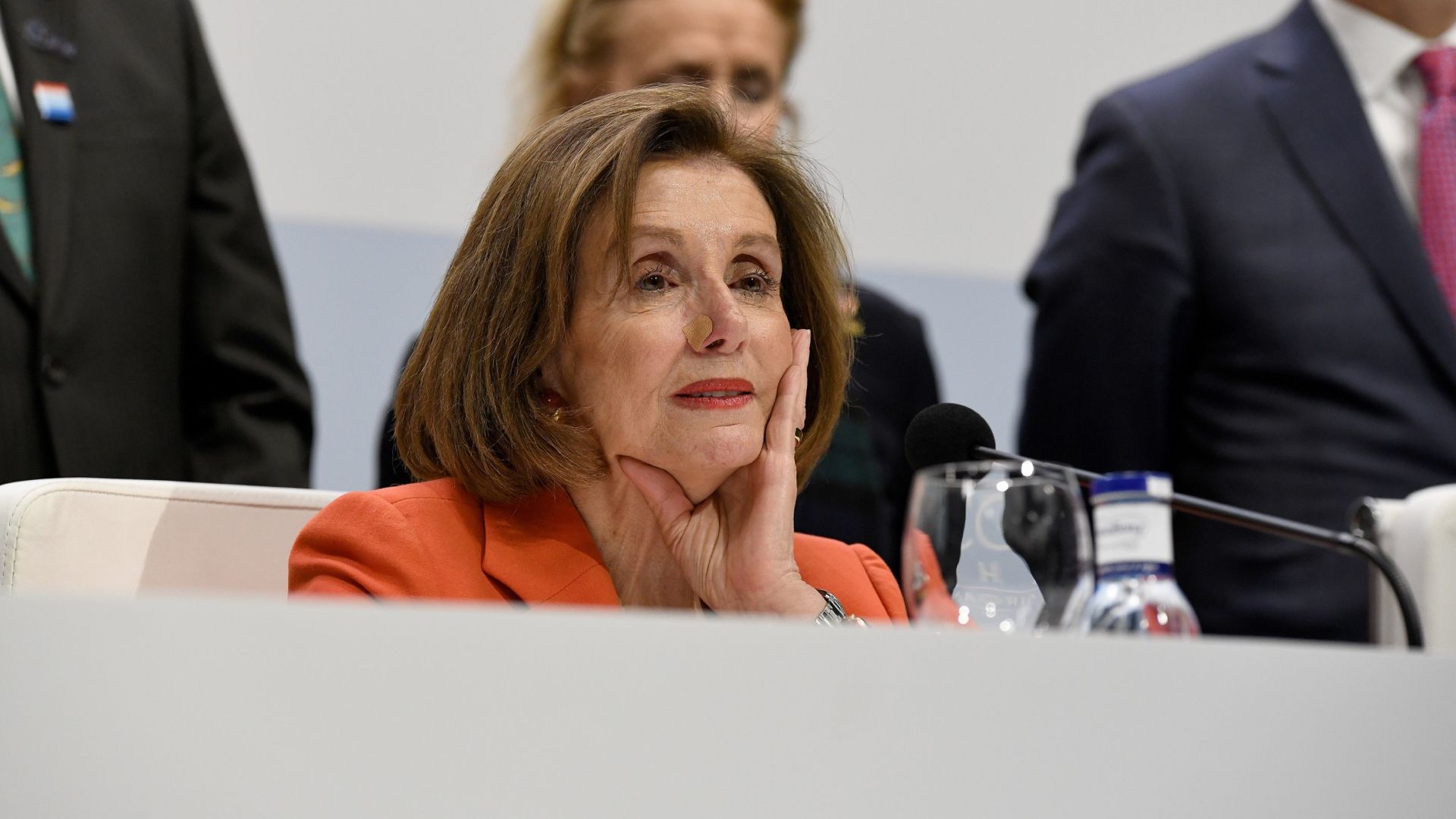
"House Speaker Nancy Pelosi is pushing to strip out sweeping legal protections for online content in the new trade pact with Mexico and Canada, in what would be a blow for big technology companies," the Wall Street Journal reports.
The big picture: There is ongoing debate over exporting the all-important Section 230 provision of the 1996 Communications Decency Act — which protects Facebook, Google and other platforms from legal responsibility for harmful content that its users post — across North America in a trade agreement.
On the big shopping days of the year — Black Friday, Cyber Monday and, of course, Prime Day — Amazon once shined with its hyper-efficient apparatus for commerce on full display.
No more. Heightened scrutiny of the consequences of its bigness is beginning to supplant the glowing coverage of its success.
Venture capital investments in Ohio more than doubled in five years, and the increased availability of funding is helping attract a new crop of startup founders.
Zooming in: Columbus in particular is experiencing a mini-renaissance as technology is disrupting legacy industries such as manufacturing, insurance, financial services, retail and health care.
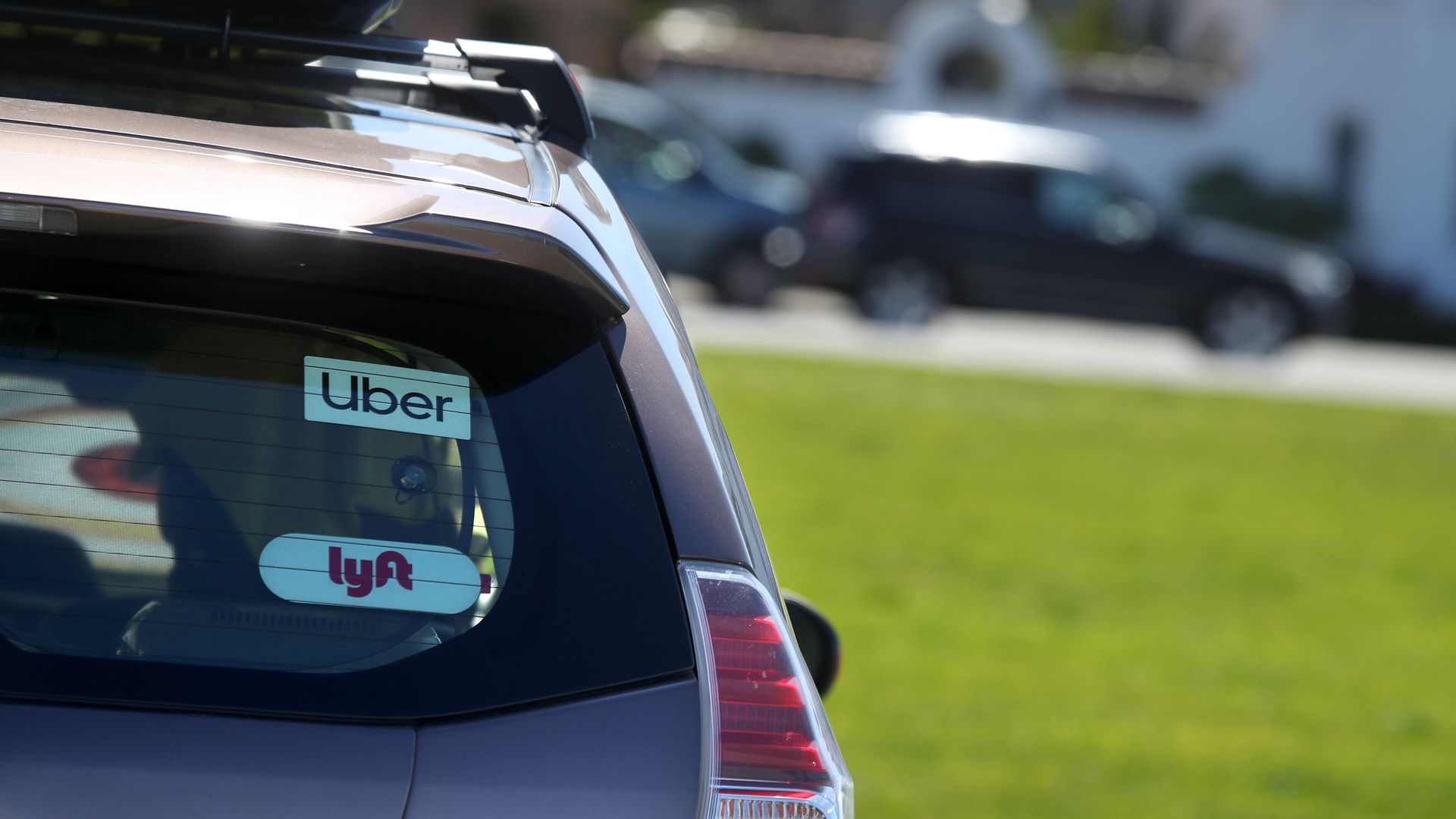
Twenty women have joined a California lawsuit accusing Lyft of failing to take action on a "sexual predator crisis" that the company has allegedly known about for four years, the Washington Post reports.
The big picture: Lyft and Uber have both come under fire over allegations of drivers harming their passengers. CNN found in 2018 that 31 drivers for Uber had been "convicted for crimes ranging from forcible touching and false imprisonment to rape."
A handful of cities in Asia are ahead when it comes to preparing for and implementing the next-generation of mobility — ranging from autonomous vehicles, electrification, shared car fleets and multimodal platforms.
Why it matters: People are cramming into cities around the globe, leading to congestion and denser development. That means personal vehicles are getting pushed aside for more efficient and sustainable modes of transportation.