First, dating apps moved the experience of bumping into a good-looking stranger online. Now, the apps are coming for first dates.
Driving the news: The League, an exclusive dating platform that requires users to link to their LinkedIn accounts and wait for approval to join, is out with a new service called League Live. Those who sign up can go on three speed video chat dates within the app every week — it's yet another iconic step in courtship being relegated to smartphones.
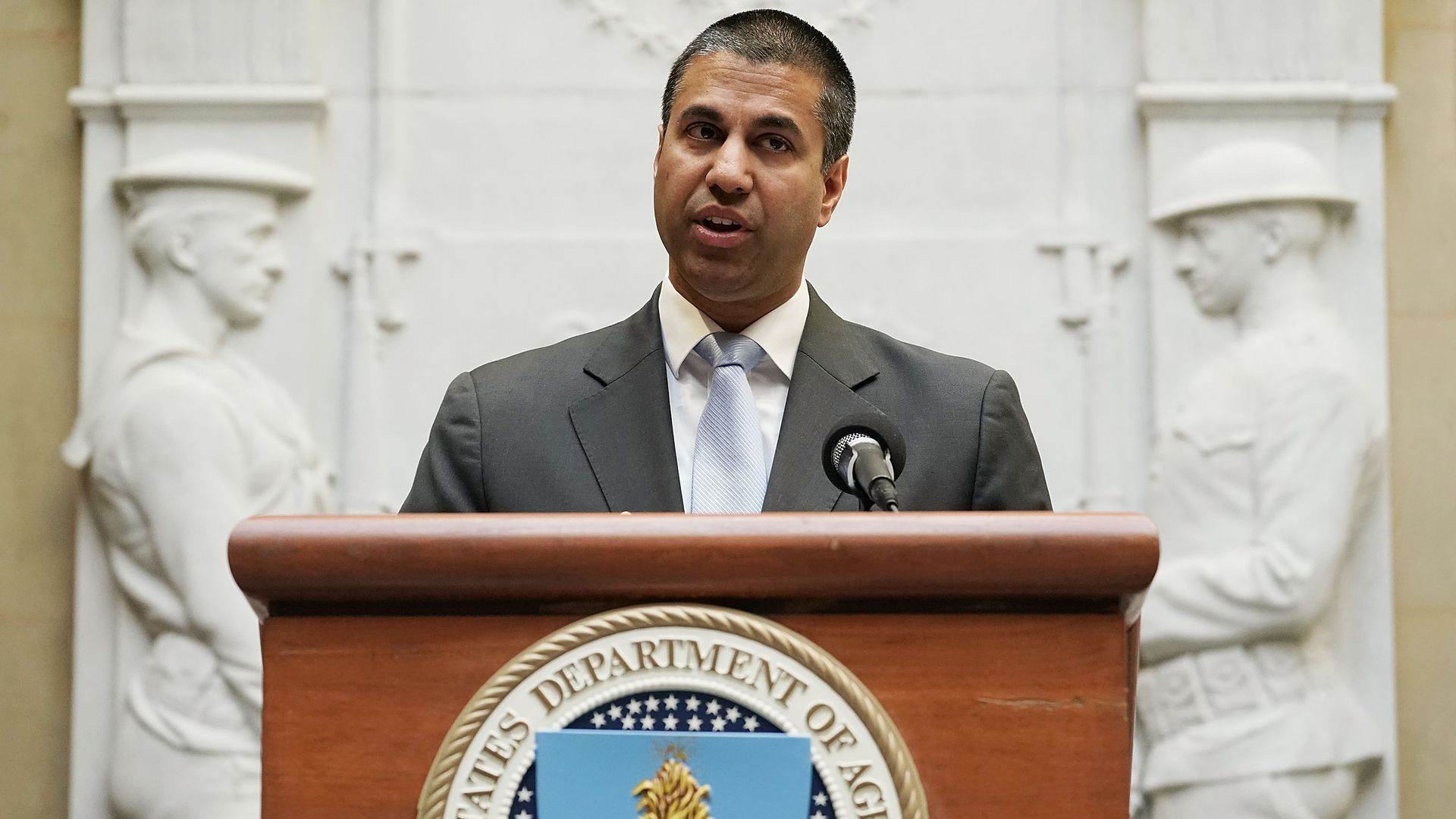
The Federal Communications Commission intends to launch a new $9 billion 5G Fund to spur deployment of wireless service in hard-to-serve rural areas, scrapping an existing program meant to spur 4G LTE service.
Why it matters: Each new wave of wireless technology has rolled out quickly in urban centers but faced technical and financial hurdles in reaching rural customers. The FCC struggled to get the previous $4.53 billion 4G program off the ground over the last two years amid widespread criticism that coverage data submitted by the carriers did not accurately reflect where there already is 4G service.
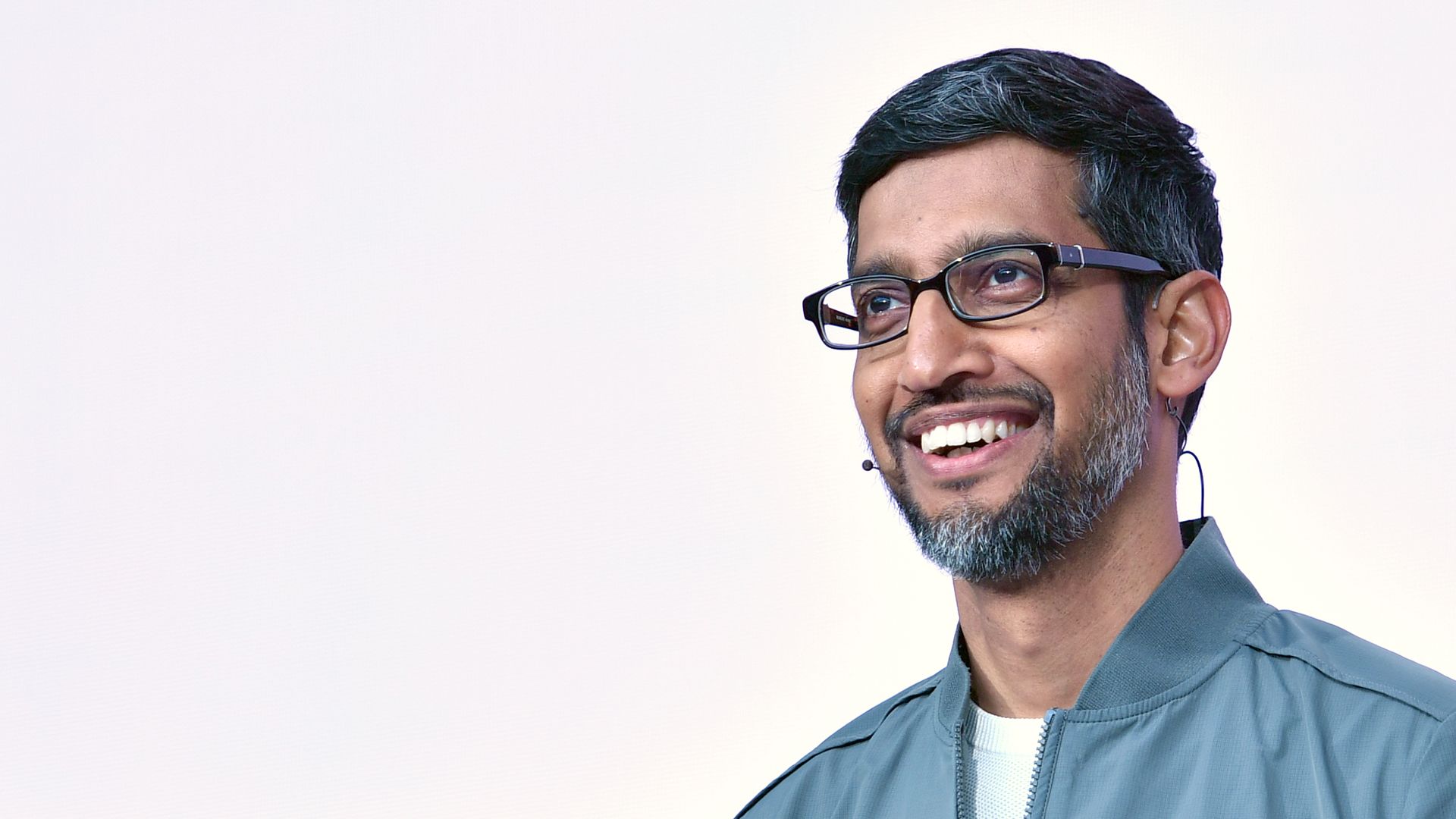
The market responded positively in after-hours trading to the announcement that Sundar Pichai will take over as CEO of Alphabet in addition to his current role as head of the core Google unit.
The state of play: Pichai will replace Larry Page, who, along with Google co-founder Sergey Brin, will remain "actively involved as shareholders and co-founders."
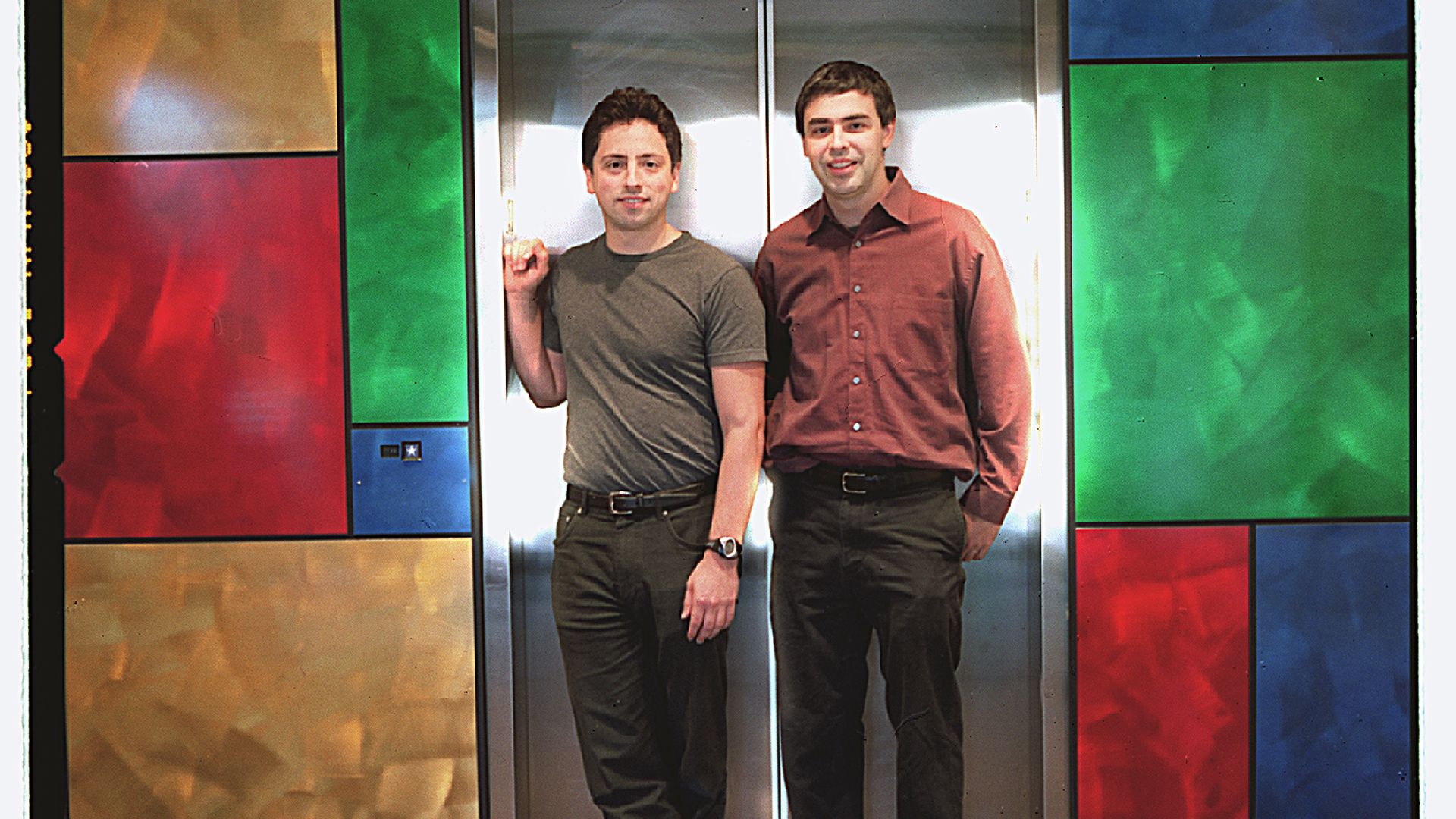
Yesterday's announcement that Google's founders, Larry Page and Sergey Brin, were leaving their executive posts at Google's parent company Alphabet was a surprise only in timing.
What's happening: Page had stepped back from Google itself in 2015. From their perches at Alphabet — Page as CEO, Brin as president — the two founders oversaw the company's "other bets" on advanced technologies like self-driving cars and drones. Googlers have said that they became less and less a presence inside the company.
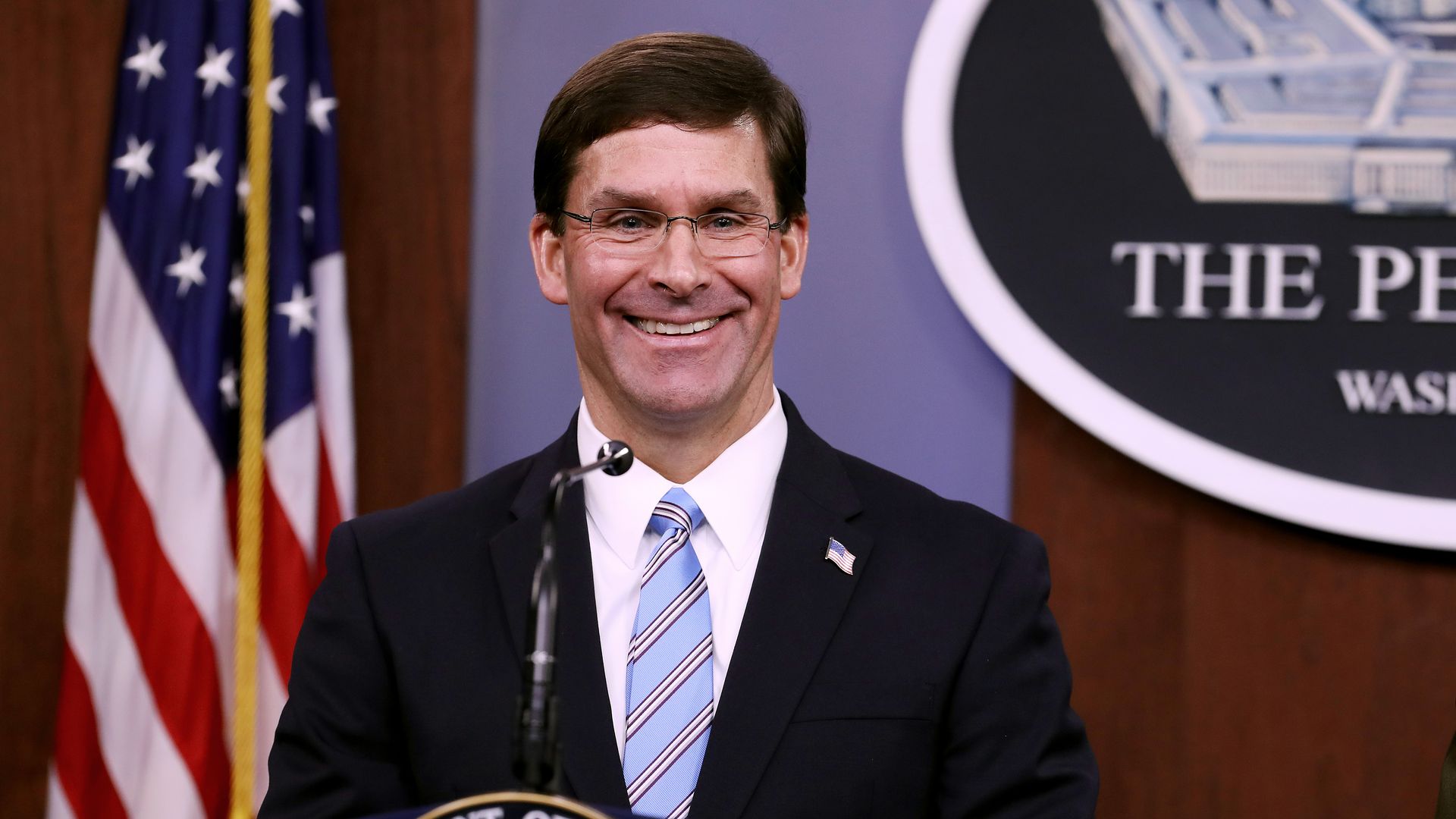
Amid an administration-wide push to develop 5G networks, the Defense Department is exploring ways to share spectrum with wireless carriers and other businesses.
Why it matters: Airwaves are limited, and government and industry either have to divvy up the scarce resource or find better ways to share. In the past, the Defense Department has had to relocate communications systems to new airwaves to make room for commercial services, and sharing would help avoid that.
The Department of Homeland Security recently updated its proposal to include U.S. citizens in facial recognition databases when entering or leaving the country.
The big picture: This move is part of the agency's long-term plan to upgrade the TSA's biometrics and identification technology, which has included facial recognition testing at over a dozen major airports.
Google's parent company, Alphabet, announced Tuesday that Sundar Pichai will take over as CEO of Alphabet in addition to his current role as head of the core Google unit. Pichai will replace Larry Page, who, along with Sergey Brin, will remain "actively involved as shareholders and co-founders."
Why it matters: Page and Brin, who started Google in 1998, have been increasingly invisible in recent years, not even appearing at key Google events.
Four employees fired by Google right before Thanksgiving plan to file an unfair labor practices complaint this week with the National Labor Relations Board, charging that the company fired them for engaging in protected labor organizing.
Why it matters: The prospect of engineers challenging an iconic Silicon Valley firm under well-established labor laws could mark a sea change for the largely non-unionized tech industry.
After months of talks on bipartisan legislation, Senate Commerce Committee leaders have unveiled dueling privacy bills ahead of a hearing this week. But insiders believe the process might still yield a compromise both parties can embrace.
What they're saying: "Now there’s actually opportunity for serious negotiations between the different positions," said Jules Polonetsky, CEO of the Future of Privacy Forum, which did a comparison of the two bills. "These bills have more in common than they have dividing them."