The 2020 bull case for tech startups, and the investors who love them, is that federal regulators will intensify their antitrust investigations into incumbents like Apple, Amazon, Facebook, and Google.
The catch: This isn't about successfully breaking up the goliaths, which could only come after years of legal challenges. It's about distraction — and disincentives to move into new categories, thus creating more space for startups to grow.
T-Mobile is officially debuting its nationwide 5G service today using its 600 MHz spectrum.
Why it matters: The move allows T-Mobile to claim the broadest 5G coverage, even if that frequency doesn't give the kind of ultra-fast speeds possible using millimeter wave frequencies.
As Qualcomm appeals a landmark antitrust verdict attacking the heart of its business, the briefs from other parties suggest just how high the stakes are.
Why it matters: Qualcomm is highly powerful, to be sure, and has a number of controversial business practices, including its requirement that companies license its patents in order to buy its chips.
Facebook CEO Mark Zuckerberg remained defiant in a "CBS This Morning" interview airing Monday on the social media giant posting political ads containing false information.
The big picture: Per Axios' Scott Rosenberg, Facebook's policy lets politicians make virtually any claim they want, in ads or posts, including repeating verbatim a false claim that has already been labeled elsewhere as false.
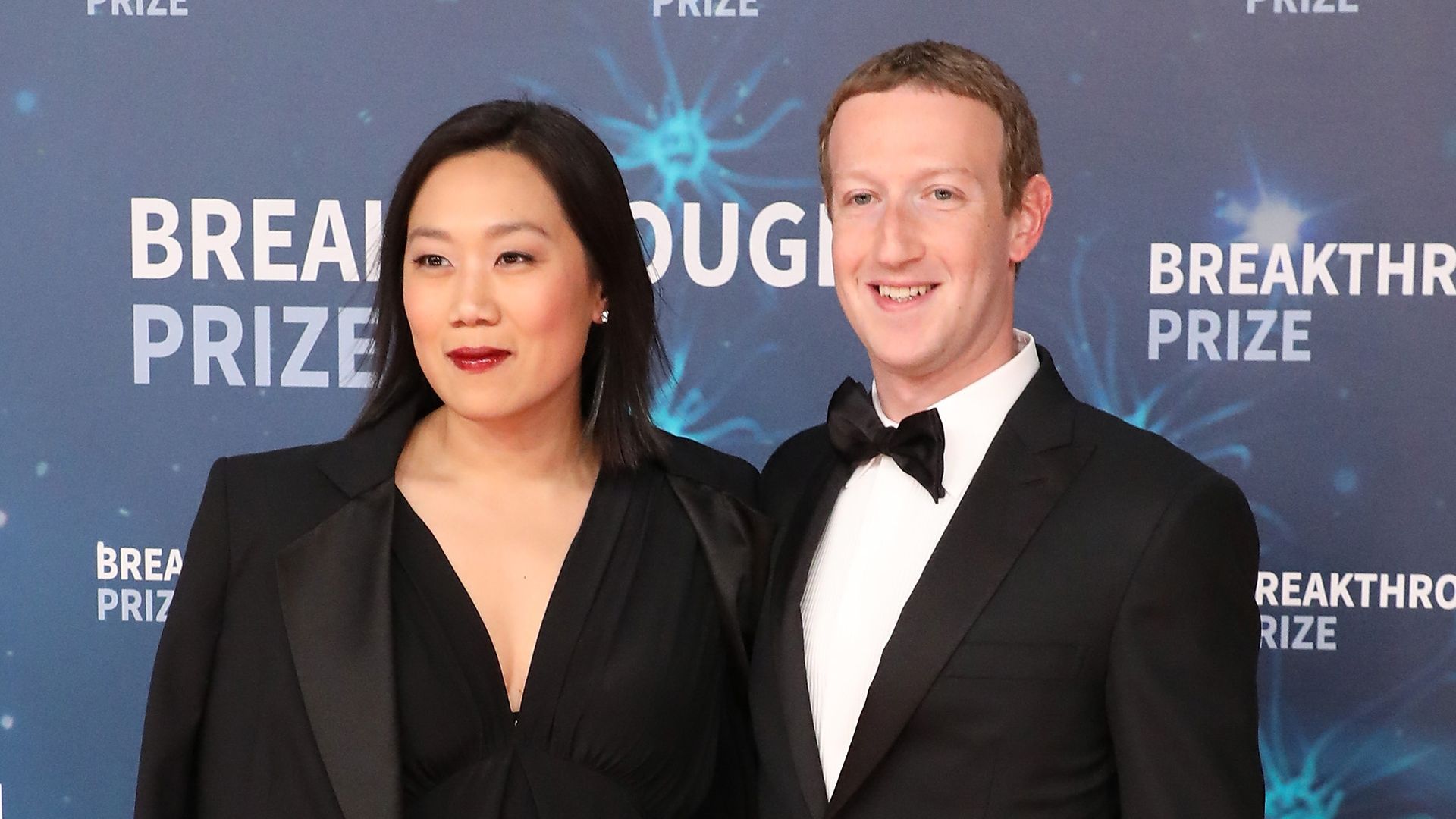
What they're saying: In CBS host Gayle King's interview with Zuckerberg and his wife, pediatrician Priscilla Chan, the Facebook co-founder said, "I don't think that a private company should be censoring politicians or news."