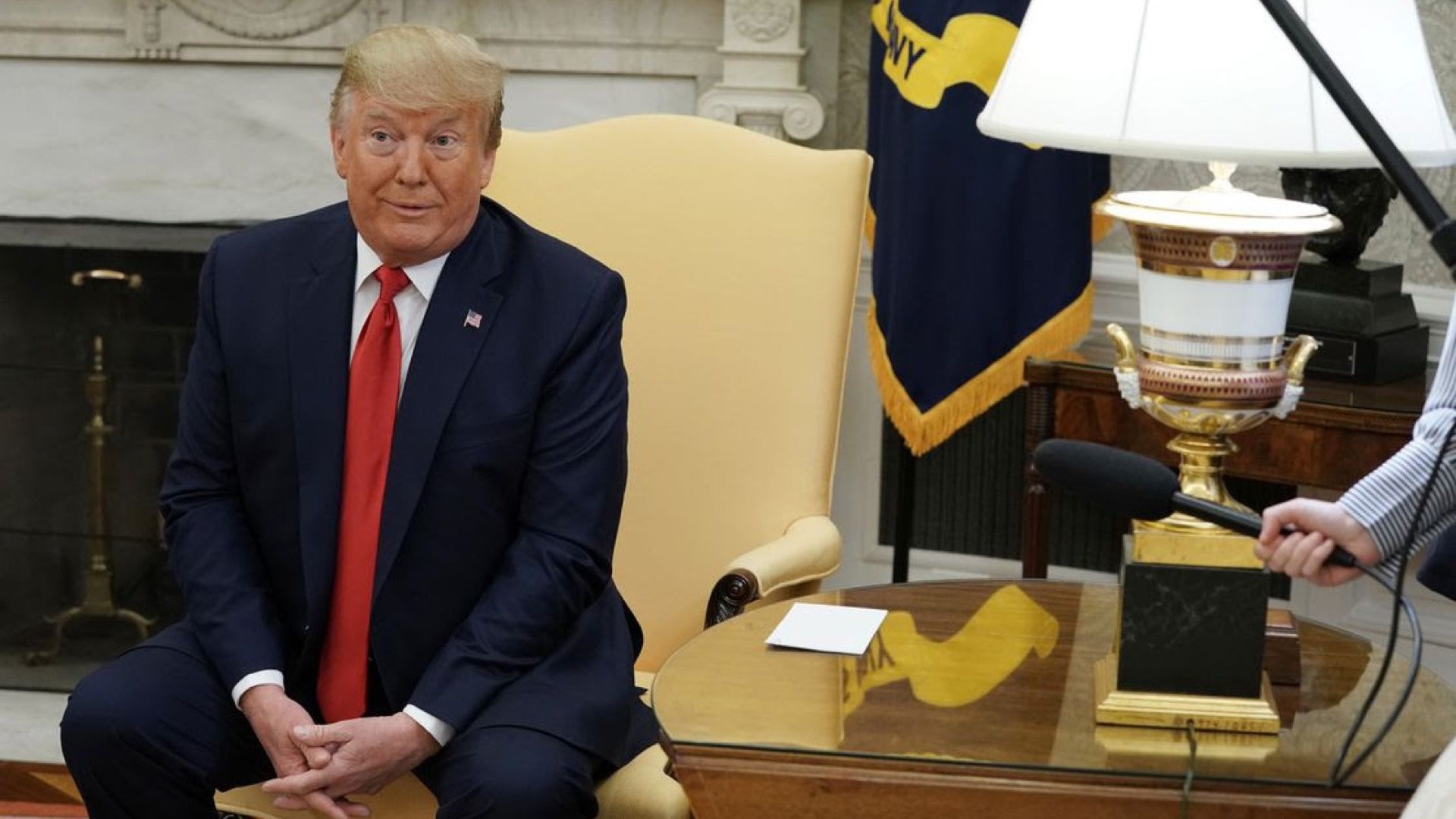
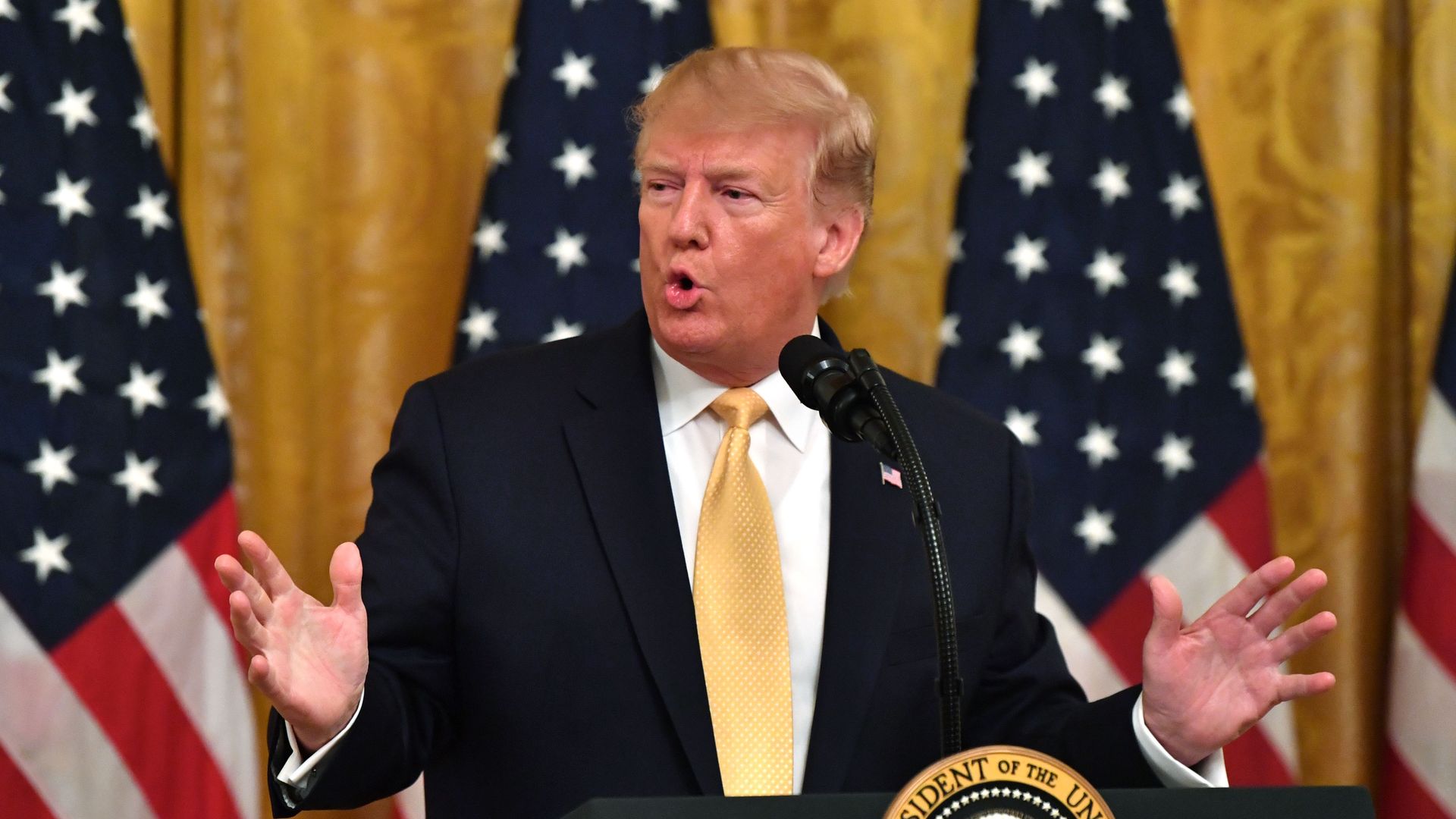
President Trump said Thursday he doesn't trust social media companies to "self-correct" their alleged conservative bias, according to multiple sources in the room.
Why it matters: It's another strong signal that Trump would support harsh regulations or antitrust action against social media companies.
A researcher has demonstrated how to exploit Europe's privacy protection laws to violate other people's privacy — and new privacy rules on the way in the U.S. could be vulnerable in the same way.
The state of play: Privacy laws, including Europe's mammoth General Data Protection Regulation (GDPR) and California's recently passed regulations, often include provisions to allow people to request the personal information that companies have compiled on them.
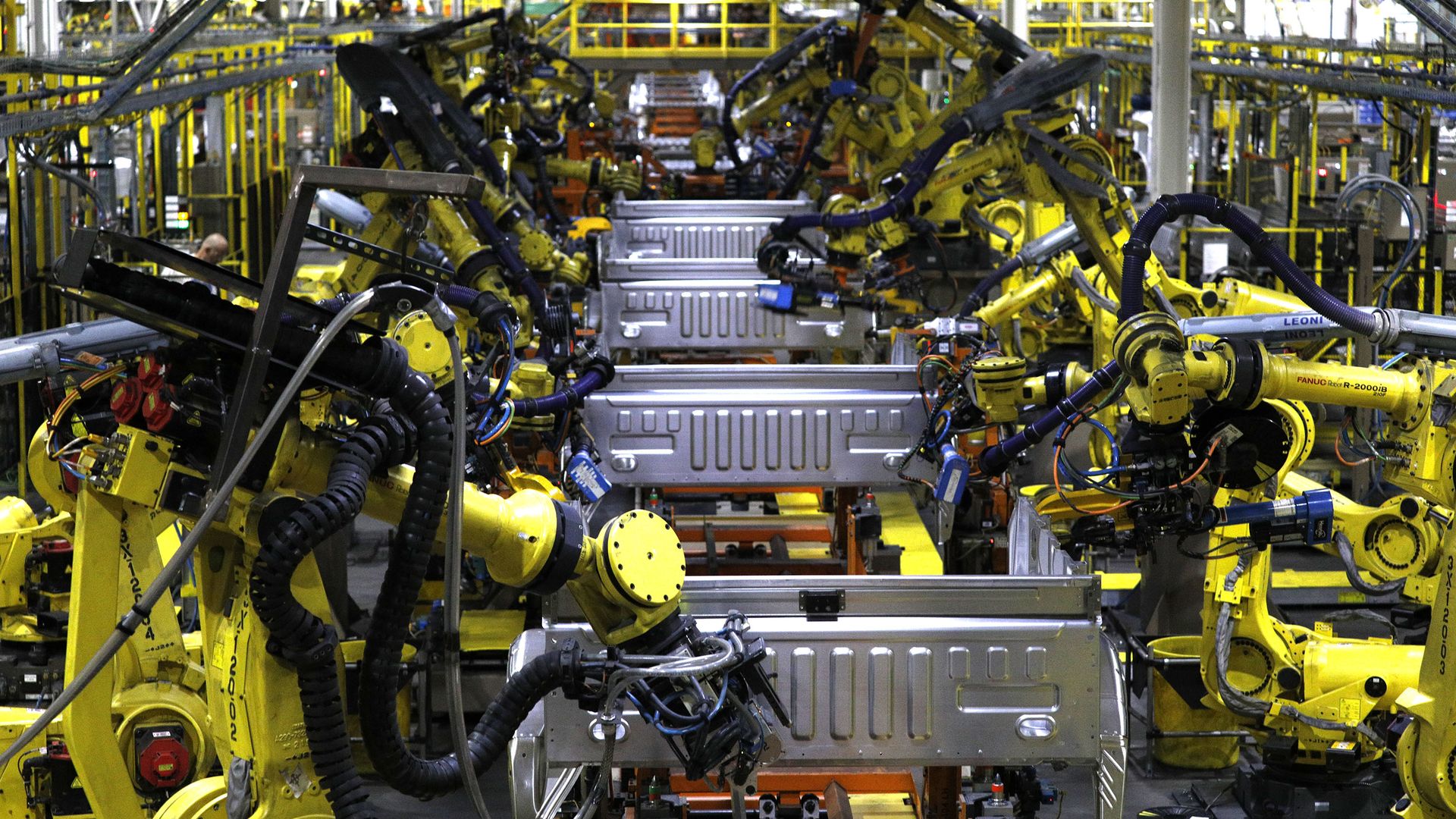
Automation will have the biggest impact on entry-level and older workers, because more of their jobs tend to be routine or physical in nature and are most likely to be taken over by machines and algorithms, according to a forthcoming McKinsey Global Institute report.
Why it matters: Almost 40% of U.S. jobs are in categories expected to shrink between now and 2030.
Four years ago, Amazon held its first Prime Day, offering steep discounts and deals on its site. Since then, not only has Prime Day ballooned to a two-day affair, it has also gotten much bigger than Amazon.
Why it matters: Per new research from Adobe Analytics, Amazon's competitors will see revenue jump by 79% on Monday and Tuesday, this year's Prime Days. That's the strongest-ever projected bump.
In a rare move, Apple silently updated the Mac operating system Wednesday to remove a controversial hidden Web server installed by the Zoom Web conferencing app.
The bottom line: The moves undo the damage, but as we reported yesterday, the bigger question is: when will tech companies stop prioritizing features over privacy in the first place?
Think polarization and inequality are bad now? Buckle up: big cities are poised to get bigger, richer and more powerful — at the expense of the rest of America, a new report by McKinsey Global Institute shows.
Why it matters: McKinsey's analysis of 315 cities and more than 3,000 counties shows only the healthiest local economies will be able to successfully adapt to disruptions caused by the next wave of automation. Wide swaths of the country, especially already-distressed rural regions, are in danger of shedding more jobs.
Some forward-looking cities are starting to digitize their traffic rules to help self-driving cars navigate local roadways.
Why it matters: Automated test vehicles are getting better at operating in complex traffic environments, but street signs and lane stripes are an inefficient way to communicate rules to a 21st century vehicle, says Avery Ash, head of autonomous mobility at INRIX, a transportation data company.
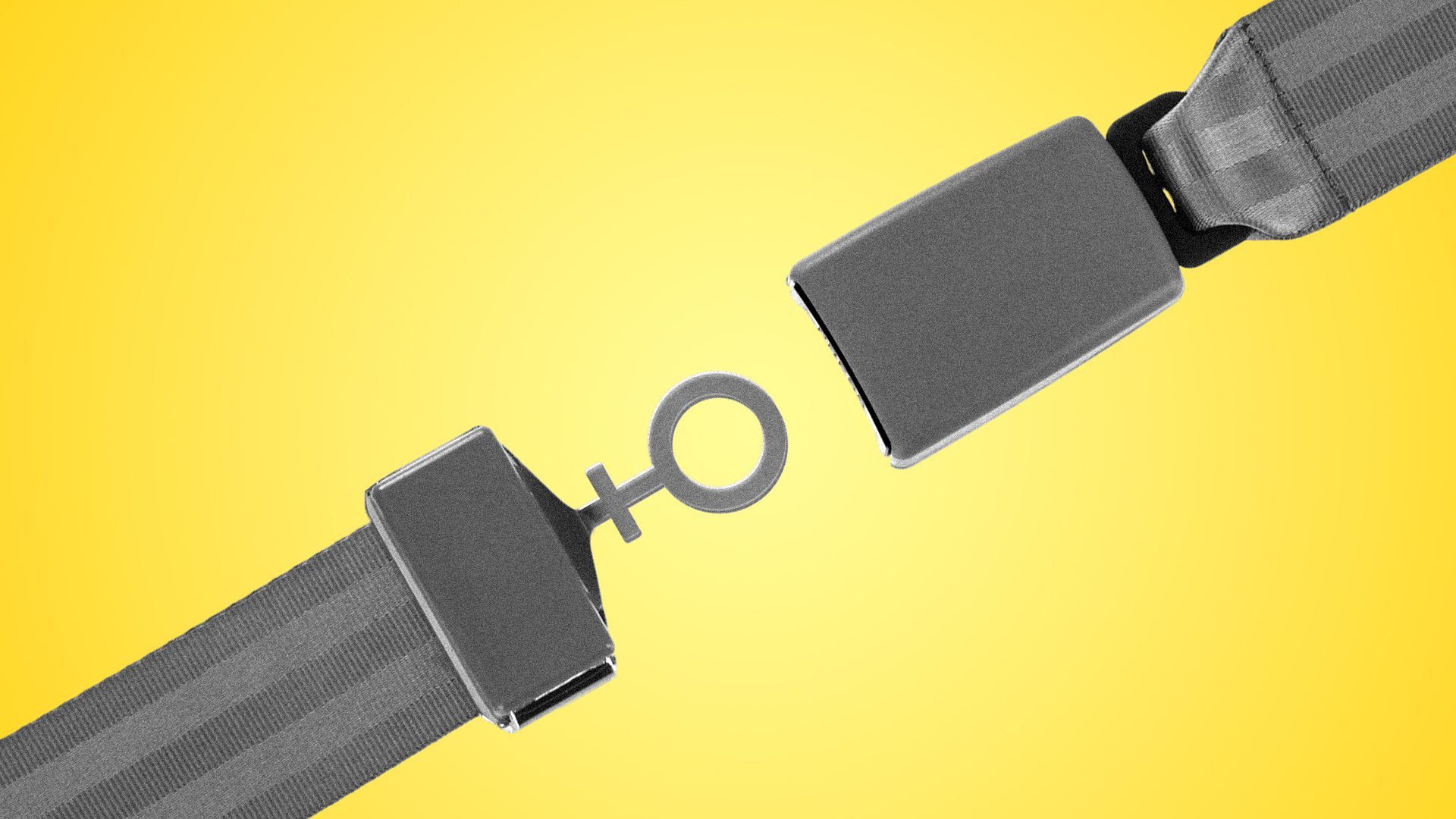
Cars are safer than they've ever been thanks to new life-saving features, yet women face a much higher risk than men of being seriously injured or killed in a crash, a new study finds.
The big picture: Most vehicle safety tests are conducted using male crash test dummies. But designing safety systems to protect the "average male" leaves everyone else more vulnerable. In the race to develop self-driving cars, some safety advocates worry the danger women face in today's vehicles could be pushed aside to focus on AV safety.
Volvo Cars is taking the gender safety gap seriously. In March, the Swedish carmaker announced it will share 40 years of safety research with other automakers as part of its E.V.A. Initiative, or Equal Vehicles for All.
Why it matters: Cars should protect everyone — not just the average male, says Volvo, which has been redesigning some of its cars' safety systems to better protect women based on its own evidence that women are at higher risk for injury than men.
While tech firms talk more about protecting personal information than they once did, a pair of recent controversies highlight the industry's longstanding habit of prioritizing convenience and new features over users' privacy.
Driving the news: Zoom, the popular video conferencing service, confirmed a researcher's finding that it installs a hidden Web server on Macs, speeding up the process for launching a video chat. Rather than apologize, the company initially defended the decision in a blog post, though it largely reversed course after significant outcry.
President Trump's plans to stoke conservative grievances about social media are part of a larger strategy to fan the us-vs.-them theme of his 2020 campaign.
The big picture: The issue of tech companies being biased against conservatives is one of the hottest subjects among the Republican Party’s online base, per Axios' Jonathan Swan.
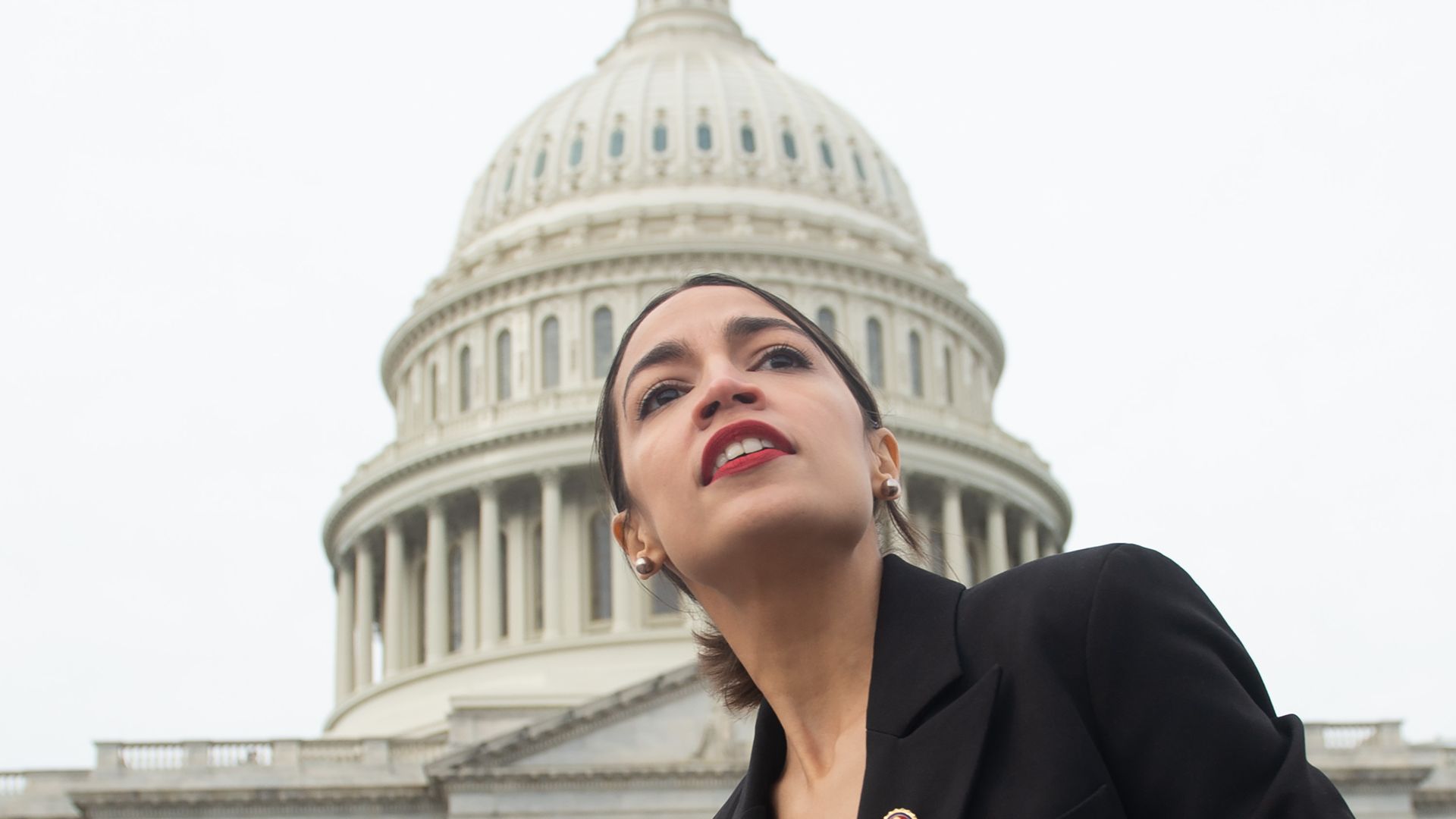
Rep. Alexandria Ocasio-Cortez (D-N.Y.) is facing 2 lawsuits for blocking Twitter users based on their personal viewpoints.
Details: Former Democratic New York Assemblyman Dov Hikind filed a suit against Ocasio-Cortez after a federal appeals court ruled Tuesday that President Trump violated the Constitution in blocking critics on Twitter. YouTuber and NY-11 Republican Congressional candidate Joey Saladino tweeted he'd also filed a suit against the freshman lawmaker after she blocked him.
What they're saying: Hivkind told Fox News the claim, which targets Ocasio-Cortez's personal account, is the same as the one against Trump. "She uses that account for political/policy commentary, so to shut a citizen off from her statements is a problem — as well as blocking me from petitioning her or seeking redress," he told the news outlet.
A spokesperson for Saladino — who's been called racist for his YouTube stunts targeting African-American people — said in a statement to Fox News that Ocasio-Cortez's decision to block him was "unprovoked."
The spokesperson critcized what they referred to as "digital feudalism, which those on the left seem enthusiastic about — completely antithetical to the American Nation."
Why it matters: The ruling in Trump's case set a precedent that any elected official — from a local mayor to the president — who blocks a constituent on Twitter could be found guilty of violating that constituent's First Amendment rights, Axios' Sara Fischer notes.







/2019/07/08/1562622526574.gif?w=3840)