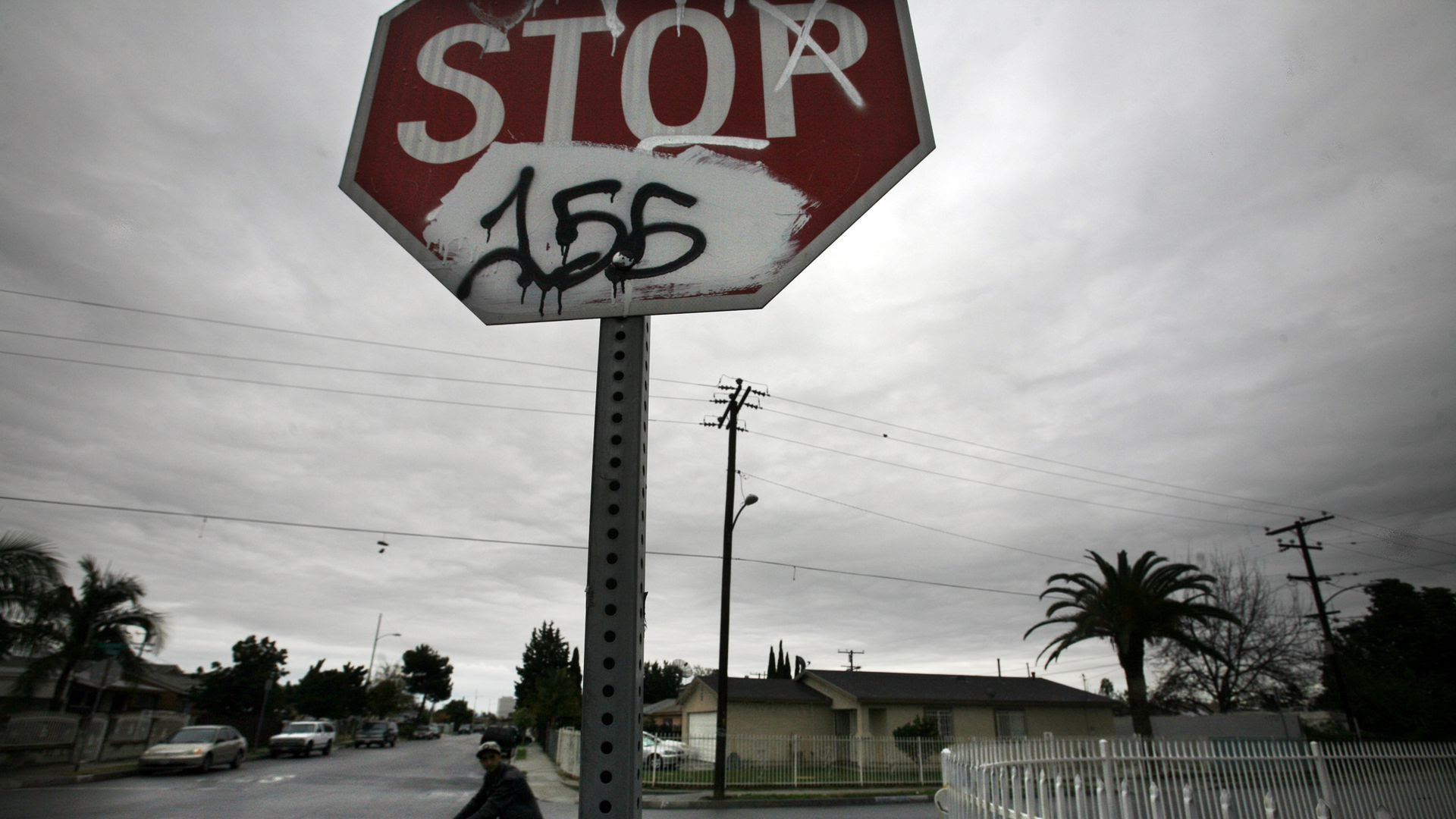
Some forward-looking cities are starting to digitize their traffic rules to help self-driving cars navigate local roadways.
Why it matters: Automated test vehicles are getting better at operating in complex traffic environments, but street signs and lane stripes are an inefficient way to communicate rules to a 21st century vehicle, says Avery Ash, head of autonomous mobility at INRIX, a transportation data company.
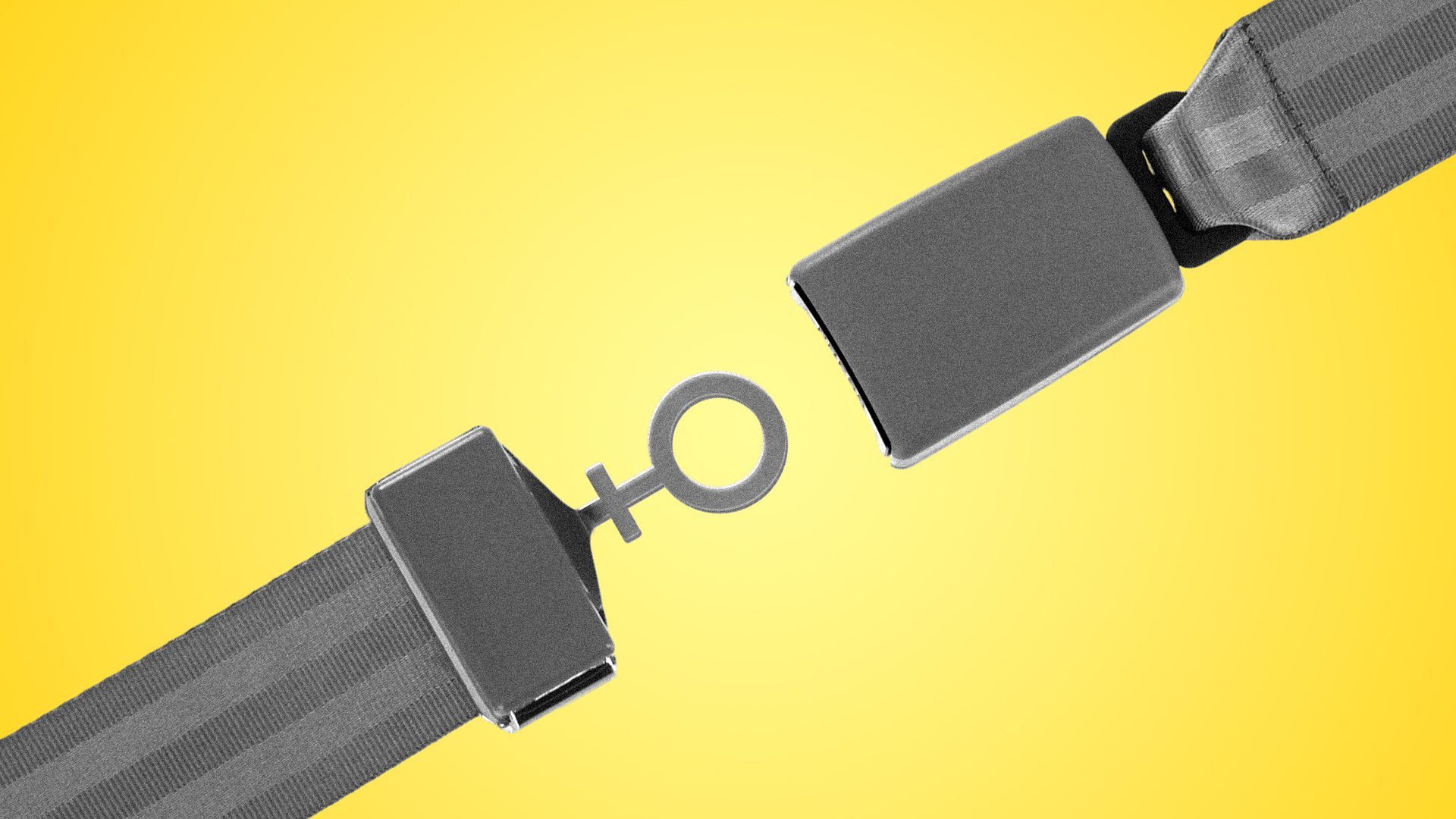
Cars are safer than they've ever been thanks to new life-saving features, yet women face a much higher risk than men of being seriously injured or killed in a crash, a new study finds.
The big picture: Most vehicle safety tests are conducted using male crash test dummies. But designing safety systems to protect the "average male" leaves everyone else more vulnerable. In the race to develop self-driving cars, some safety advocates worry the danger women face in today's vehicles could be pushed aside to focus on AV safety.
Volvo Cars is taking the gender safety gap seriously. In March, the Swedish carmaker announced it will share 40 years of safety research with other automakers as part of its E.V.A. Initiative, or Equal Vehicles for All.
Why it matters: Cars should protect everyone — not just the average male, says Volvo, which has been redesigning some of its cars' safety systems to better protect women based on its own evidence that women are at higher risk for injury than men.
While tech firms talk more about protecting personal information than they once did, a pair of recent controversies highlight the industry's longstanding habit of prioritizing convenience and new features over users' privacy.
Driving the news: Zoom, the popular video conferencing service, confirmed a researcher's finding that it installs a hidden Web server on Macs, speeding up the process for launching a video chat. Rather than apologize, the company initially defended the decision in a blog post, though it largely reversed course after significant outcry.
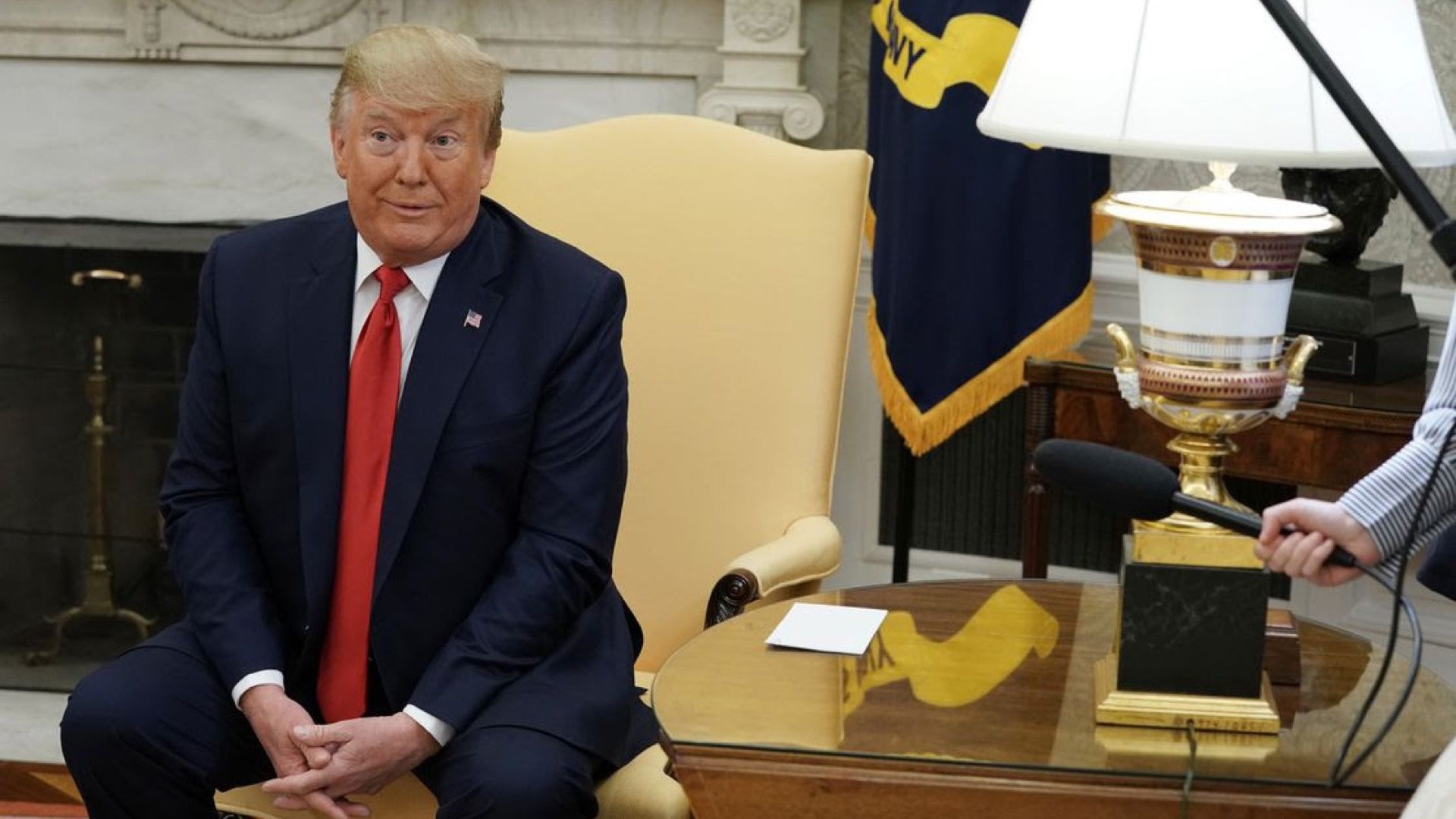
President Trump's plans to stoke conservative grievances about social media are part of a larger strategy to fan the us-vs.-them theme of his 2020 campaign.
The big picture: The issue of tech companies being biased against conservatives is one of the hottest subjects among the Republican Party’s online base, per Axios' Jonathan Swan.
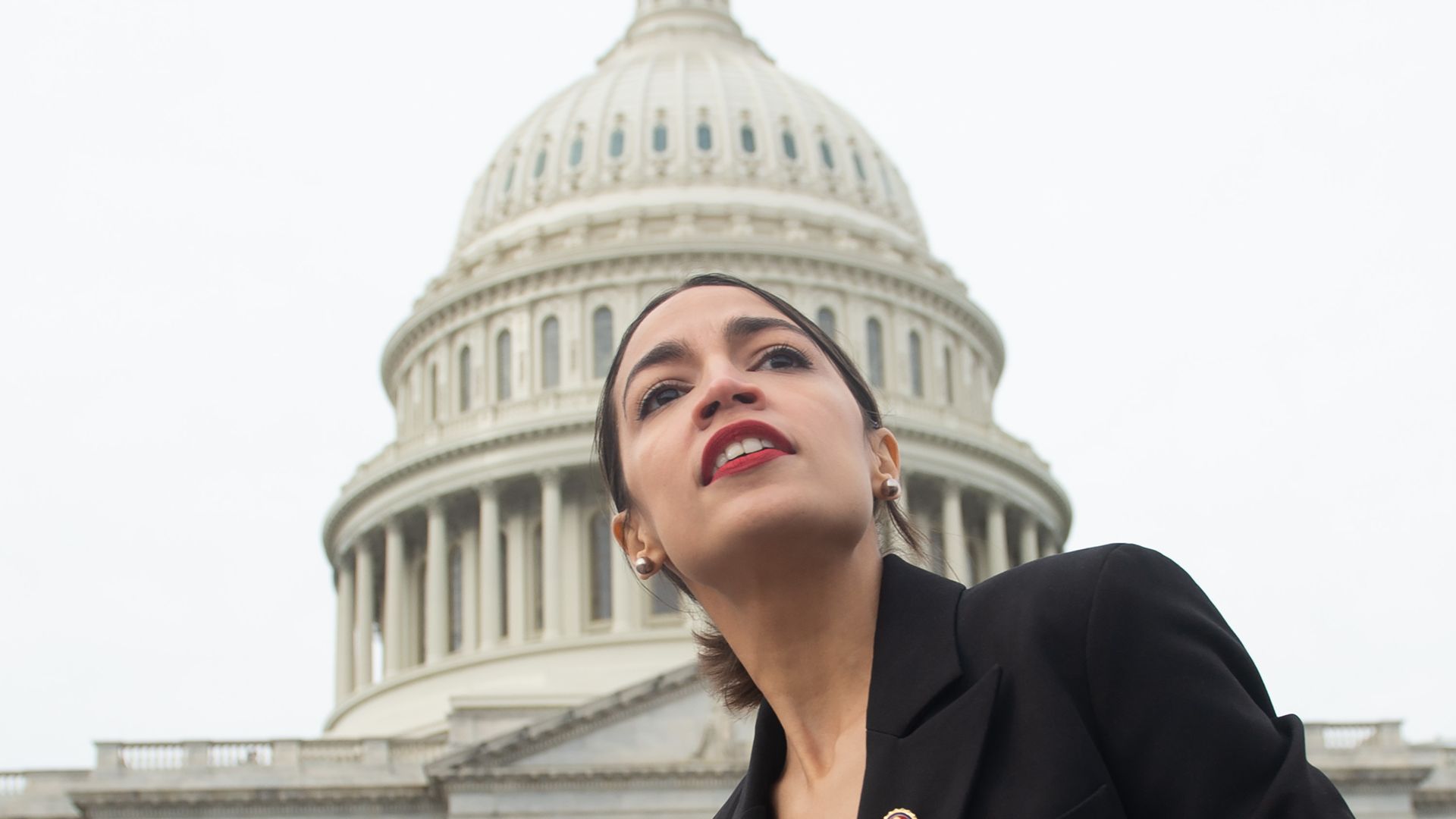
Rep. Alexandria Ocasio-Cortez (D-N.Y.) is facing 2 lawsuits for blocking Twitter users based on their personal viewpoints.
Details: Former Democratic New York Assemblyman Dov Hikind filed a suit against Ocasio-Cortez after a federal appeals court ruled Tuesday that President Trump violated the Constitution in blocking critics on Twitter. YouTuber and NY-11 Republican Congressional candidate Joey Saladino tweeted he'd also filed a suit against the freshman lawmaker after she blocked him.
What they're saying: Hivkind told Fox News the claim, which targets Ocasio-Cortez's personal account, is the same as the one against Trump. "She uses that account for political/policy commentary, so to shut a citizen off from her statements is a problem — as well as blocking me from petitioning her or seeking redress," he told the news outlet.
A spokesperson for Saladino — who's been called racist for his YouTube stunts targeting African-American people — said in a statement to Fox News that Ocasio-Cortez's decision to block him was "unprovoked."
The spokesperson critcized what they referred to as "digital feudalism, which those on the left seem enthusiastic about — completely antithetical to the American Nation."
Why it matters: The ruling in Trump's case set a precedent that any elected official — from a local mayor to the president — who blocks a constituent on Twitter could be found guilty of violating that constituent's First Amendment rights, Axios' Sara Fischer notes.
Warner Media, the content company created when AT&T acquired Time Warner last year, announced Tuesday that it would be calling its new direct-to-consumer subscription streaming service "HBO Max."
Driving the news: It unveiled a new slate of programming that would debut on the service next year, include the entire "Friends" catalog, which had previously been made available on Netflix.
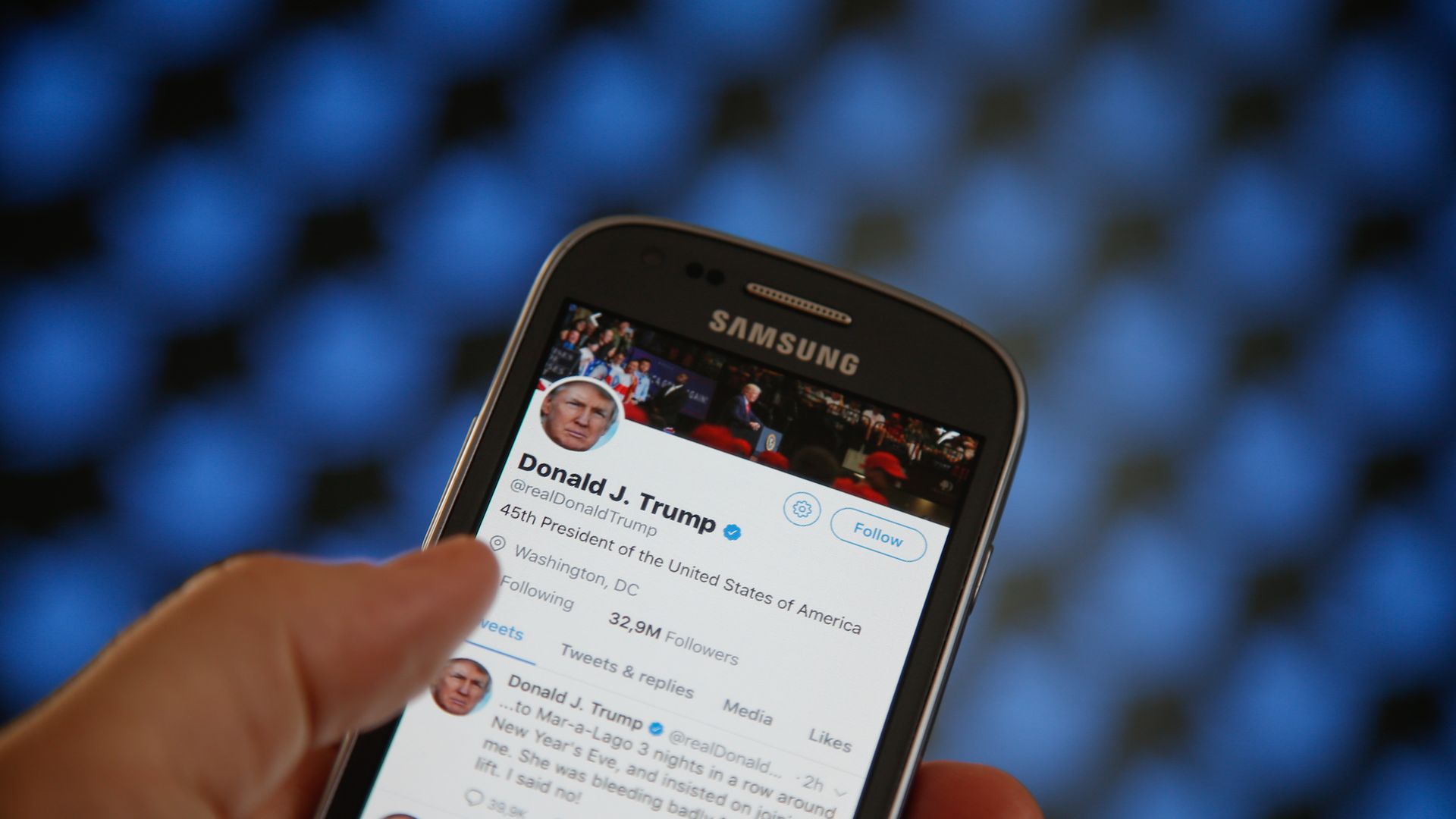
A federal appeals court on Tuesday ruled that President Trump violated the Constitution in blocking critics of his viewpoints on Twitter.
Why it matters: This is a huge win for free speech advocates. The ruling sets a precedent that any elected official — from a local mayor to the president — who blocks a constituent on Twitter could be found guilty of violating that constituent's First Amendment rights.
In advance of VidCon later this week, an annual conference for video creators, Facebook is stepping up its efforts to offer creators tools to monetize their content.
The big picture: It's doing so amid increased competition to win over the hearts of creators from other big tech companies, like YouTube and TikTok, as well as platforms that are designed specifically for creative business management, like Patreon.
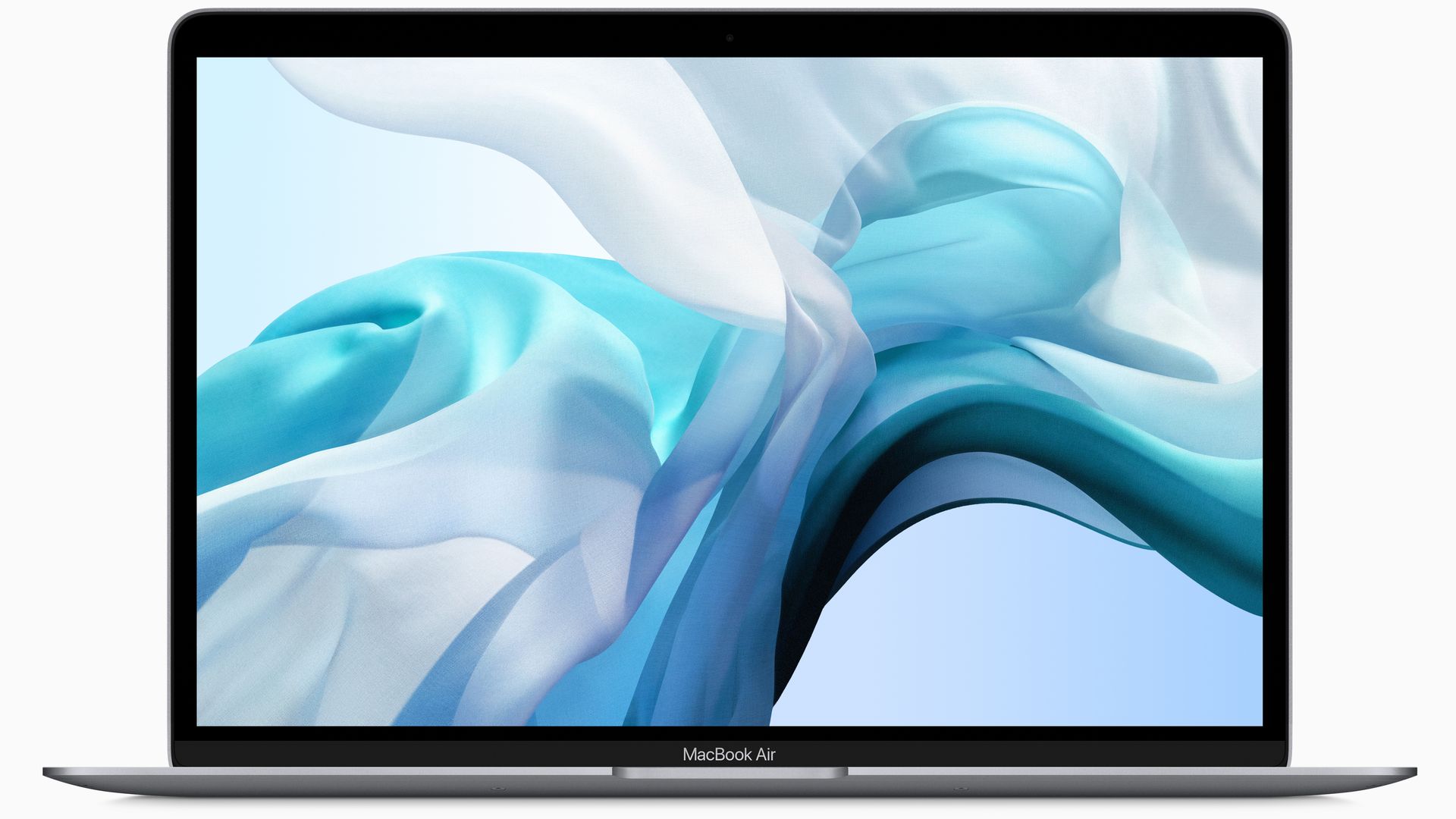
Apple updated its MacBook Air and 13-inch MacBook Pro lines, offering lower prices on the former and including the small touchscreen TouchBar on the latter. It is also discontinuing its lightest model, the 12-inch MacBook.
Why it matters: The new models come ahead of the back-to-school season, a key time for new laptop purchases.
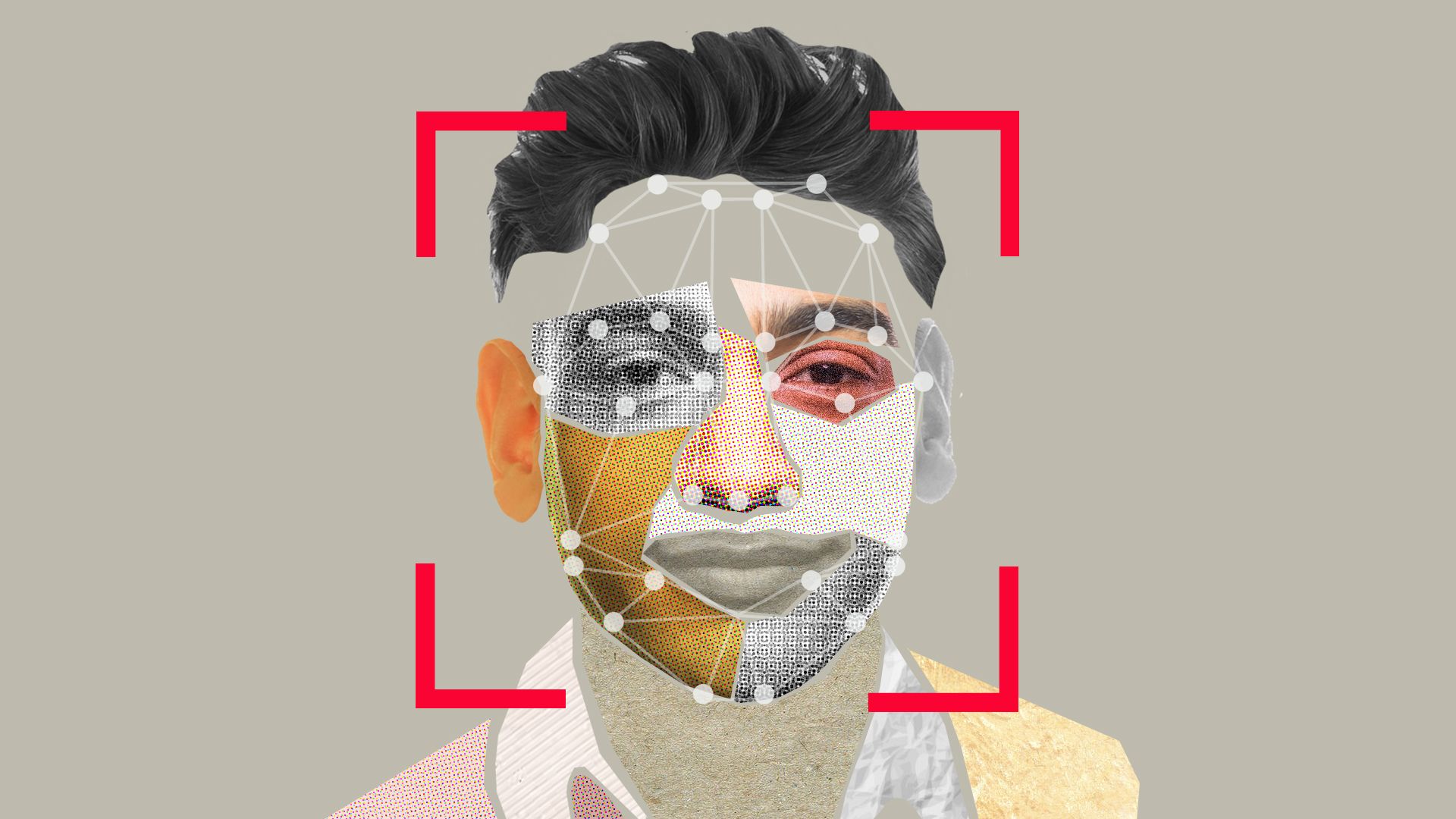
Digital rights group Fight For the Future is calling on Congress to ban government use of facial recognition. The announcement, to be made Tuesday, comes in the wake of weekend reports that federal authorities used facial recognition on millions of driver's license photos.
Our thought bubble: An all-out ban is unlikely, but the position makes for a strong opening salvo in the looming fight over regulating facial-recognition tech.
The White House's Thursday "social media summit," gathering conservative critics of social media platforms, will also highlight how Trump-era politics have split the right on tech issues.
Why it matters: As with trade, tech is an area where Trump's ascendancy has scrambled traditional power dynamics and policy positions. Free-market thinkers who drove the conservative side of the conversation for years have lost ground to social media personalities who are more open to government intervention against Big Tech — and have the ear of people in power.
For a century and longer, the individualist quality in U.S. workers has been falling away as Americans have moved to the city and labor become more about big companies and playing well in the sandbox. Now, some of the last loner purists are being forced to conform, too.
The transformation of some of the few surviving archetypal individualists — doctors, farmers, and now truck drivers — is powered in part by three of the most potent forces today: automation, monopoly capitalism and the new surveillance economy.

/2019/07/08/1562622526574.gif?w=3840)