The majority of 10,000 election jurisdictions nationwide use Windows 7 or an older operating system for voting or tallying — archaic systems vulnerable to hackers, AP reports.
Why it matters: Private vendors, and state finances, determine the security level of election systems, which lack federal requirements or oversight.
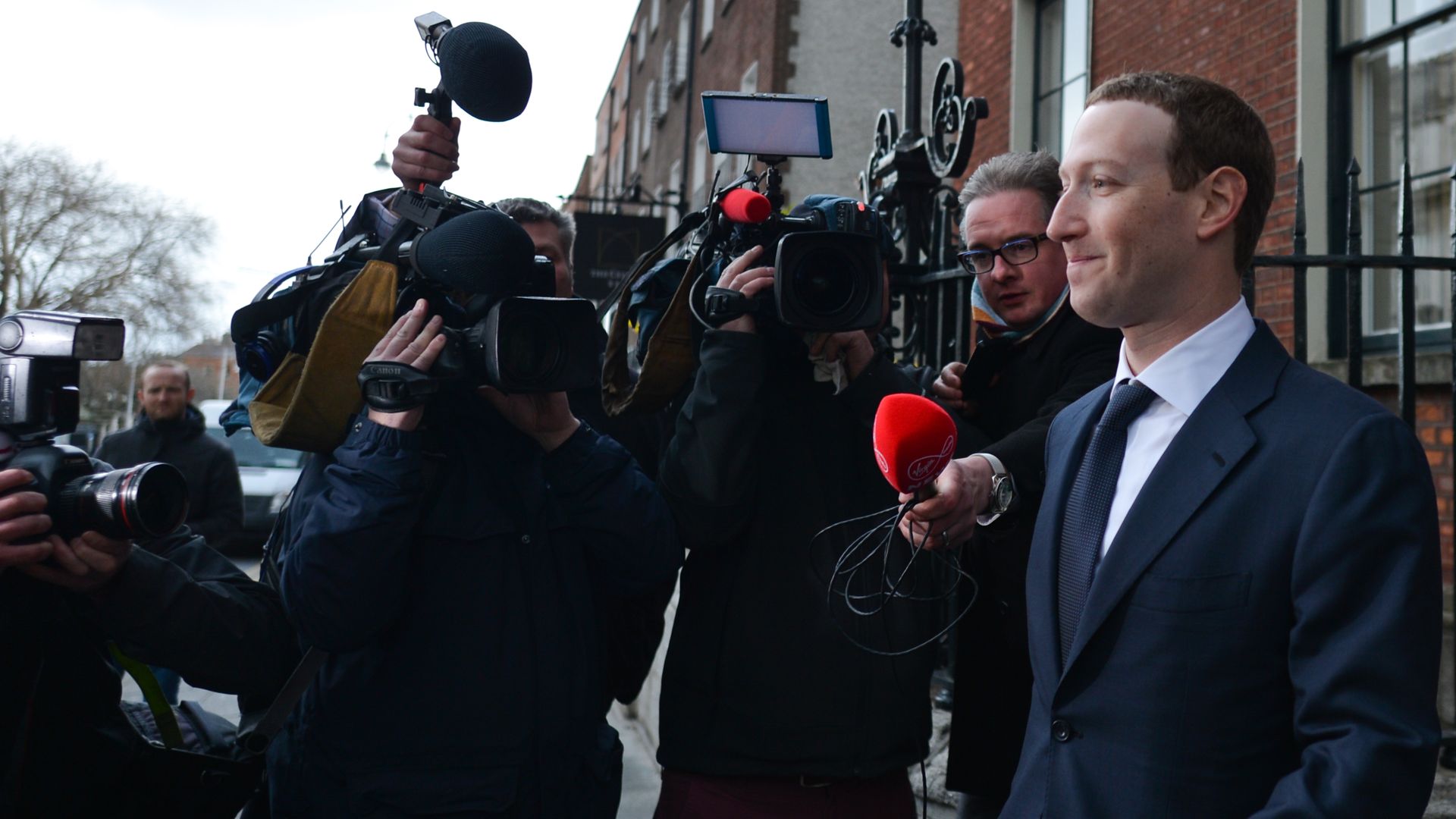
News that the Federal Trade Commission has approved a roughly $5 billion fine against Facebook for privacy violations prompted instant outcry from some critics and lawmakers.
Why it matters: The FTC decision could have consequences for Facebook's billions of users — and frame the next stage of a global debate over how to regulate consumer privacy. A consensus that the settlement is weak would provide more ammo for proponents of new privacy laws — whereas an assessment that the penalties are serious would strengthen the hands of those who oppose new regulation.
After more than a year-and-a-half probe, the Federal Trade Commission voted to approve approximately $5 billion in settlement fees with Facebook this week, a source familiar with the case confirmed to the Wall Street Journal.
Why it matters via Axios' David McCabe:A settlement of the long-running investigation would move the global debate over online privacy into a new phase, sparked, in part, by revelations about Facebook's treatment of user data. The $5 billion fine would represent the largest ever of its kind.
The big picture: Retirement communities are expecting an influx of new residents, many of whom are likely to be non-drivers and require transportation to maintain their independence. The demand for AVs, if they're accessible, could explode.
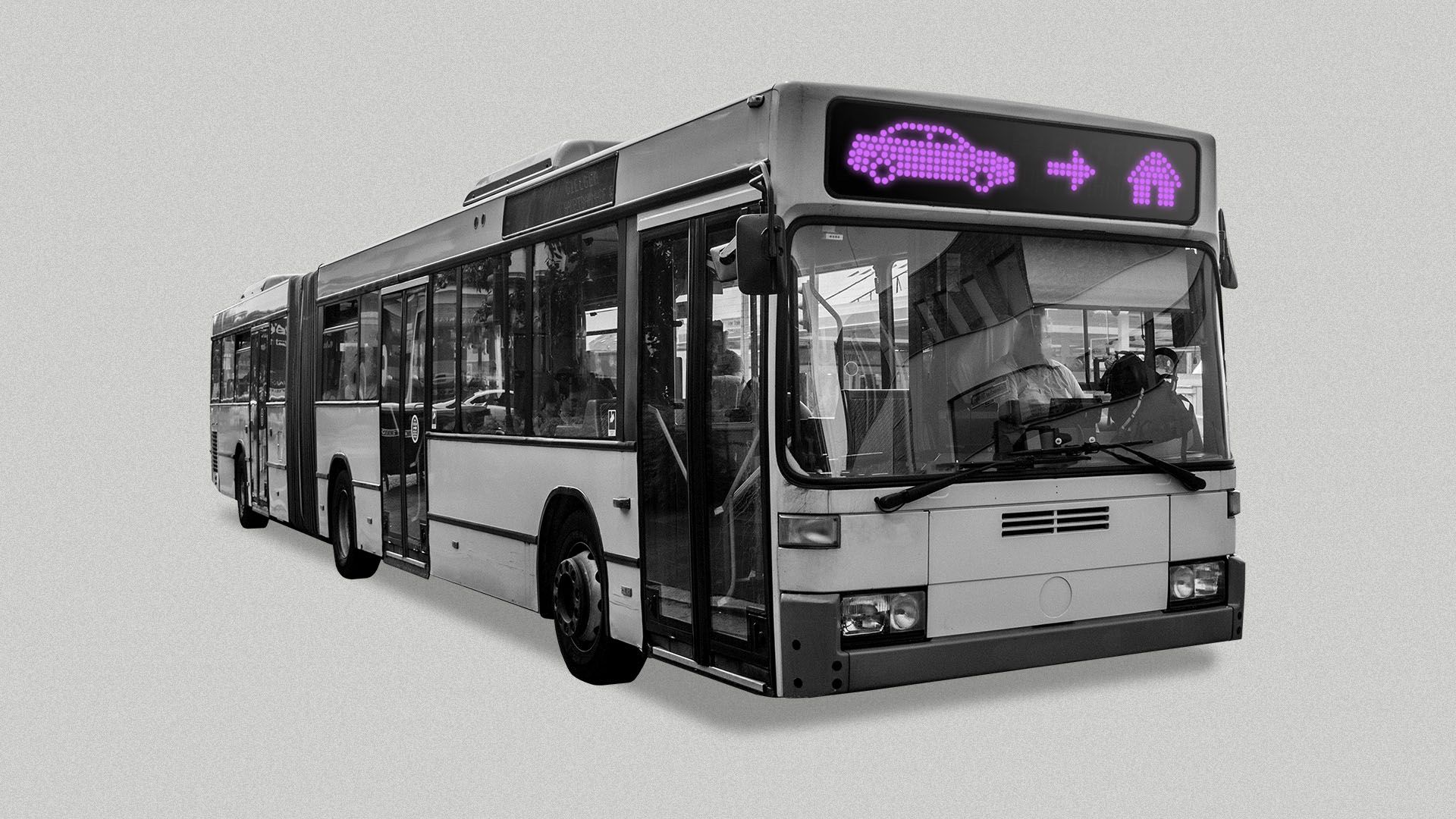
Uber, Lyft and transportation agencies across the U.S. are encouraging customers to combine ride-hailing with public transit, ultimately to try to streamline travel options and payment.
Why it matters: These partnerships could fill in gaps in public transportation without worsening congestion. But they could also expose public transit riders to data privacy risks, and upend transit's business model.
Volkswagen is investing $2.6 billion in self-driving startup Argo AI, joining Ford as an equal partner in the Pittsburgh-based company, while Ford announced plans to build at least 600,000 vehicles for Europe using Volkswagen's electric vehicle technology.
Why it matters: By expanding an existing alliance, the new deal allows two of the world's largest automakers to collaborate on the most expensive pieces of technology in a rapidly changing global auto industry. It also provides an important validation for Argo, now valued at more than $7 billion.
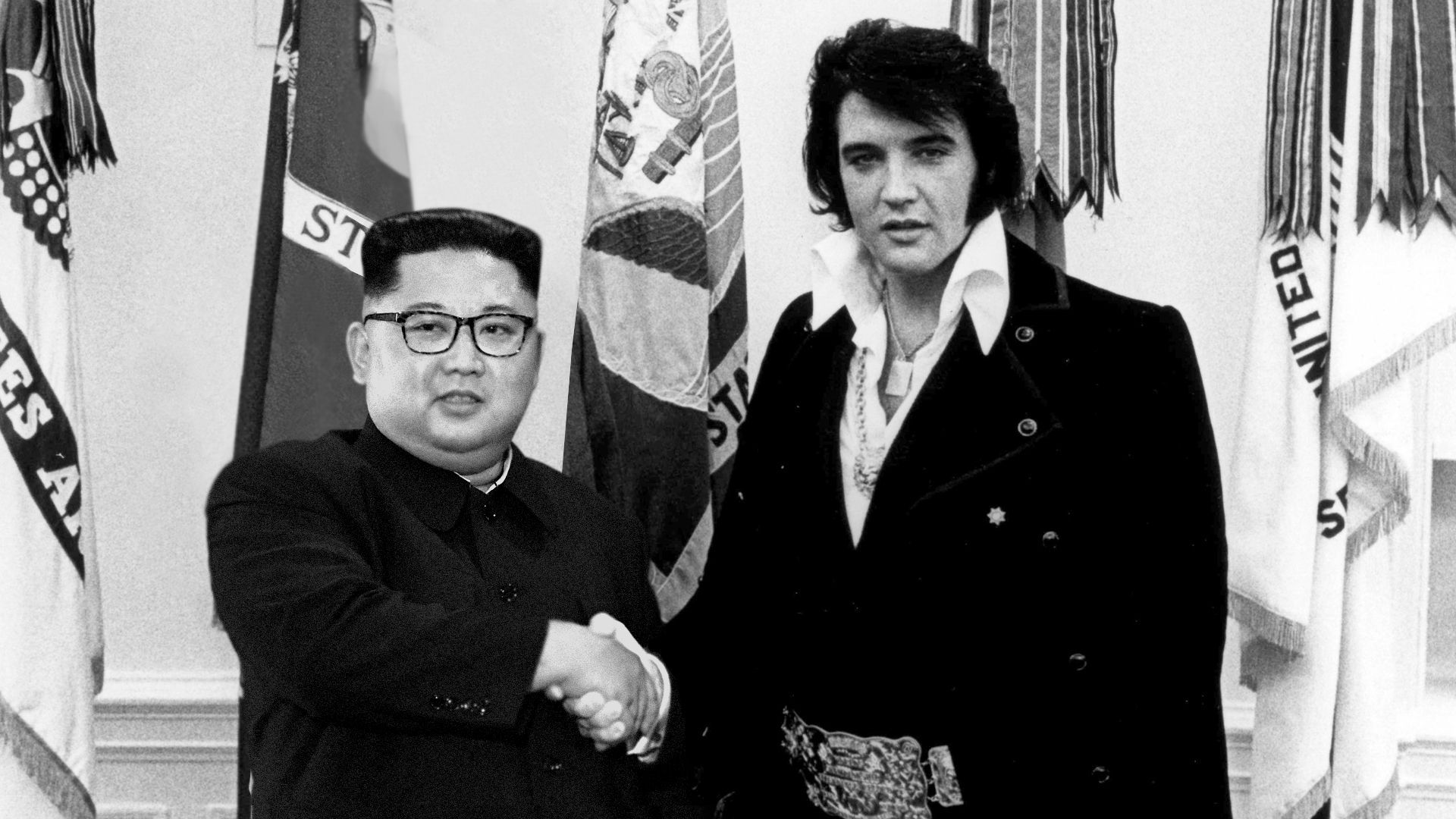
There is a pitched struggle underway between the makers of fake AI-generated videos and images and forensics experts trying desperately to uncover them. And the detectives are losing.
Why it matters: Their effort is the leading edge in a massive scramble to stave off a potential landscape in which it's impossible to know what's true and what isn't.