Some scientists are calling on the Food and Drug Administration to establish standards for advanced algorithms that are developing at a "staggering" pace before they are put in medical devices to help predict patients' outcomes.
What's new: Advanced algorithms are starting to be deployed in some devices to help provide automated real-time predictions, but these offer a whole new level of possibilities and challenges from older predictive tools. Standards are needed to check for safety and effectiveness before they are implemented in a clinical setting, the scientists say in a policy forum in Science Thursday.
Google will no longer require current and future employees to take disputes with the company to arbitration, it said Thursday.
The big picture: After protests last year, the search giant ended mandatory arbitration for individual cases of sexual harassment or assault for employees. Employees have called for the practice to end in other cases of harassment and discrimination. Google appears to be meeting that demand for employees — but the change will not apply in the same blanket way to the many contractors, vendors and temporary employees it uses.
Apple is widely expected to move its Mac line to custom ARM-based chips in the coming years.
What we're hearing: Although the company has yet to say so publicly, developers and Intel officials have privately told Axios they expect such a move as soon as next year.
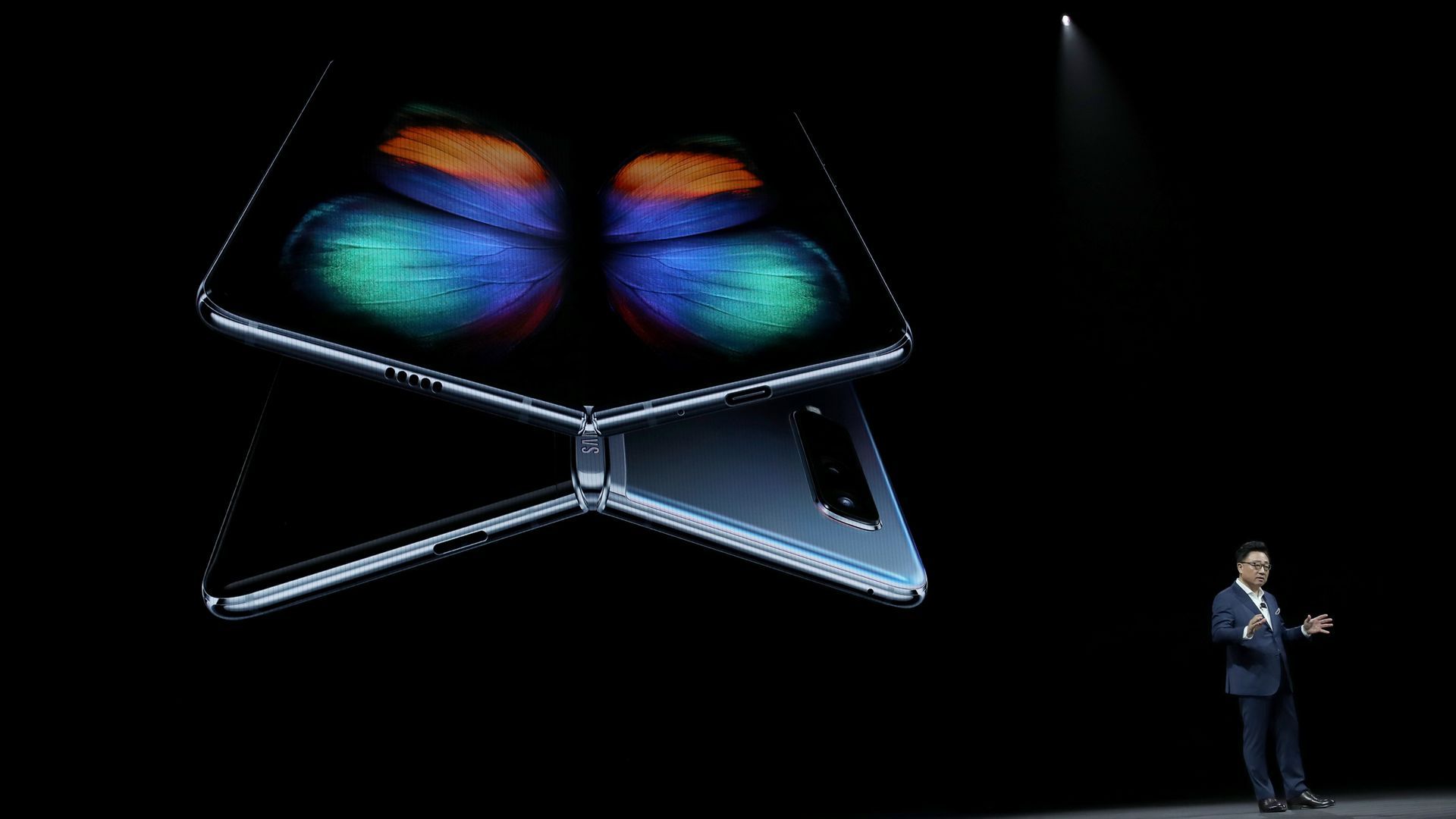
When Samsung showed off its foldable smartphone Wednesday, there were some "oohs" and "aahs." But when the company announced the phone would start at $1980, the enthusiasm turned to groans and dropped jaws.
Why it matters: The announcement pushes the price of smartphones — or at least one phone — to previously unheard of altitudes, raising the question, "Just how high can smartphone prices go?"
A coalition of groups filed a complaint with the Federal Trade Commission Thursday alleging that Facebook violated children's privacy and unfairly pushed them to make purchases in applications hosted on its platform.
Why it matters: The FTC is already investigating the social network’s privacy practices regarding the Cambridge Analytica data leak last year, in light of an earlier settlement it reached with the company.
In the U.S. and Europe, Big Tech is under fire — hit with big fines and the threat of stiff regulation — for failing to thwart the profound consequences of its inventions, including distorted elections, divided societies, invaded privacy, and sometimes deadly violence.
Driving the news: Now, artificial intelligence researchers, facing potentially adverse consequences from their own technology, are seeking to avoid being ensnared by the same "techlash."
Seeking to play in a global technology race dominated by the U.S. and China, the U.K. says it will pay for about 1,200 students to earn AI master's and PhDs in its universities, and fund the salaries of 3 to 5 more to join the nation's top AI lab.
The big picture: Given the paucity of AI talent, 1,200 is a highly ambitious target, a number that, if fully realized, could go far toward making the U.K. competitive in the global race.
America's only real passenger rail company wants to ask Congress for permission to stop losing tens of millions of dollars on long-distance routes, the WSJ reports.
The big picture: "Amtrak says it will need $2.2 billion to $2.7 billion between now and 2030, as part of a total $3.8 billion it expects to spend on replacing the long-distance fleet, including locomotives Amtrak has already ordered."
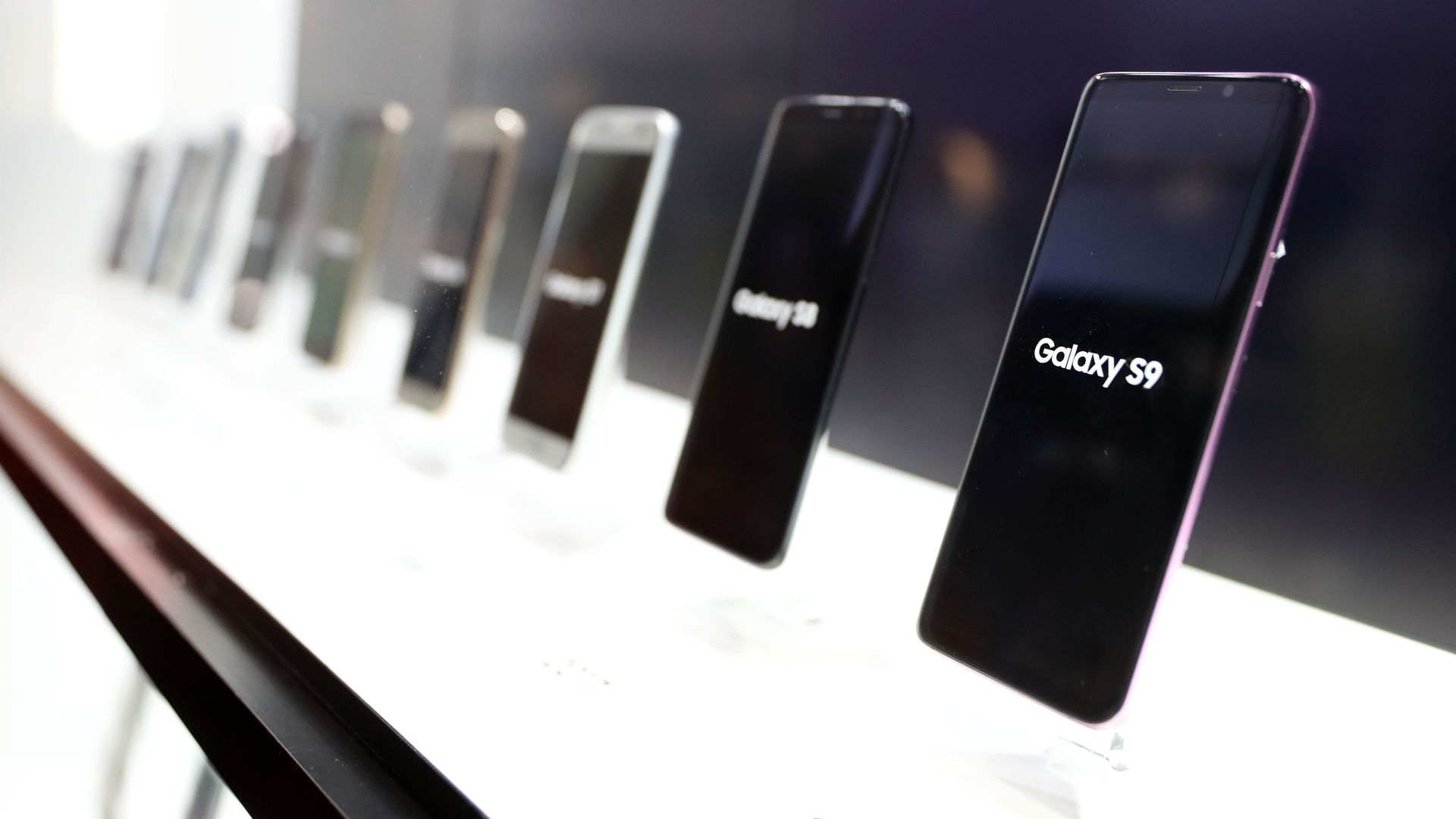
Samsung kicked off a San Francisco event Wednesday with details on Galaxy Fold, a $1,980 smartphone that unfolds into a tablet. It also introduced 4 versions of its mainstream flagship phone, the Galaxy S10, which starts at a far more affordable $749.
Why it matters: Samsung hopes the foldable will usher in a whole new category of devices, while the S10 family aims to rival Apple's iPhone.
New York Times Publisher A.G. Sulzberger responded to President Trump's persistent attacks on the press, calling the phrase "enemy of the people," "dangerous" on Wednesday.
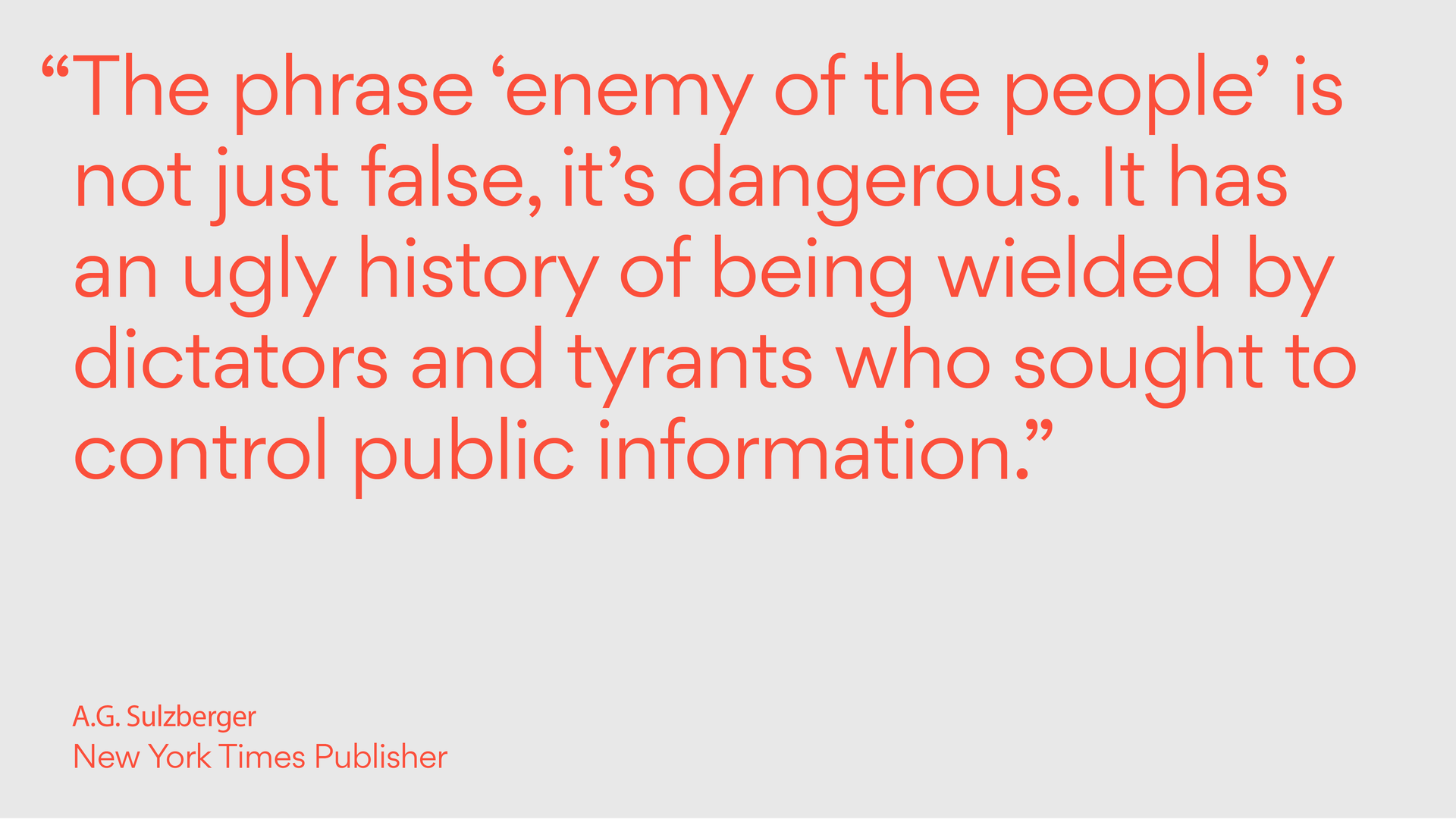
"In demonizing the free press as the enemy, simply for performing its role of asking difficult questions and bringing uncomfortable information to light, President Trump is retreating from a distinctly American principle. ... The phrase 'enemy of the people' is not just false, it’s dangerous. It has an ugly history of being wielded by dictators and tyrants who sought to control public information."
Driving the news: Trump singled out a NYT-reported story about him on Twitter Wednesday, calling it false. The story reports that Trump called acting Attorney General Matthew Whitaker last year to ask whether a Trump-appointed attorney could "unrecuse" himself to lead the Southern District of New York's investigation into hush money payments during the 2016 presidential election.
Facebook says it's updating the location settings on its Android app to give people more choice and transparency over how the tech giant collects and stores location data.
Why it matters: The platform faced blowback from users and the press last spring after it was reported that Facebook's app scraped call and text message data for years from Android phones.
Amazon has been pouring money into autonomous vehicle technology, a strategy that could squeeze its retail competitors by allowing it to control the entire shopping process from click-to-buy to delivery.
What's new: The online retail giant was fairly quiet about its AV ambitions until now. But with a rapid-fire series of investments, Amazon is declaring its intention to automate shipping and logistics every step of the way — from its warehouses to highways to your doorstep.
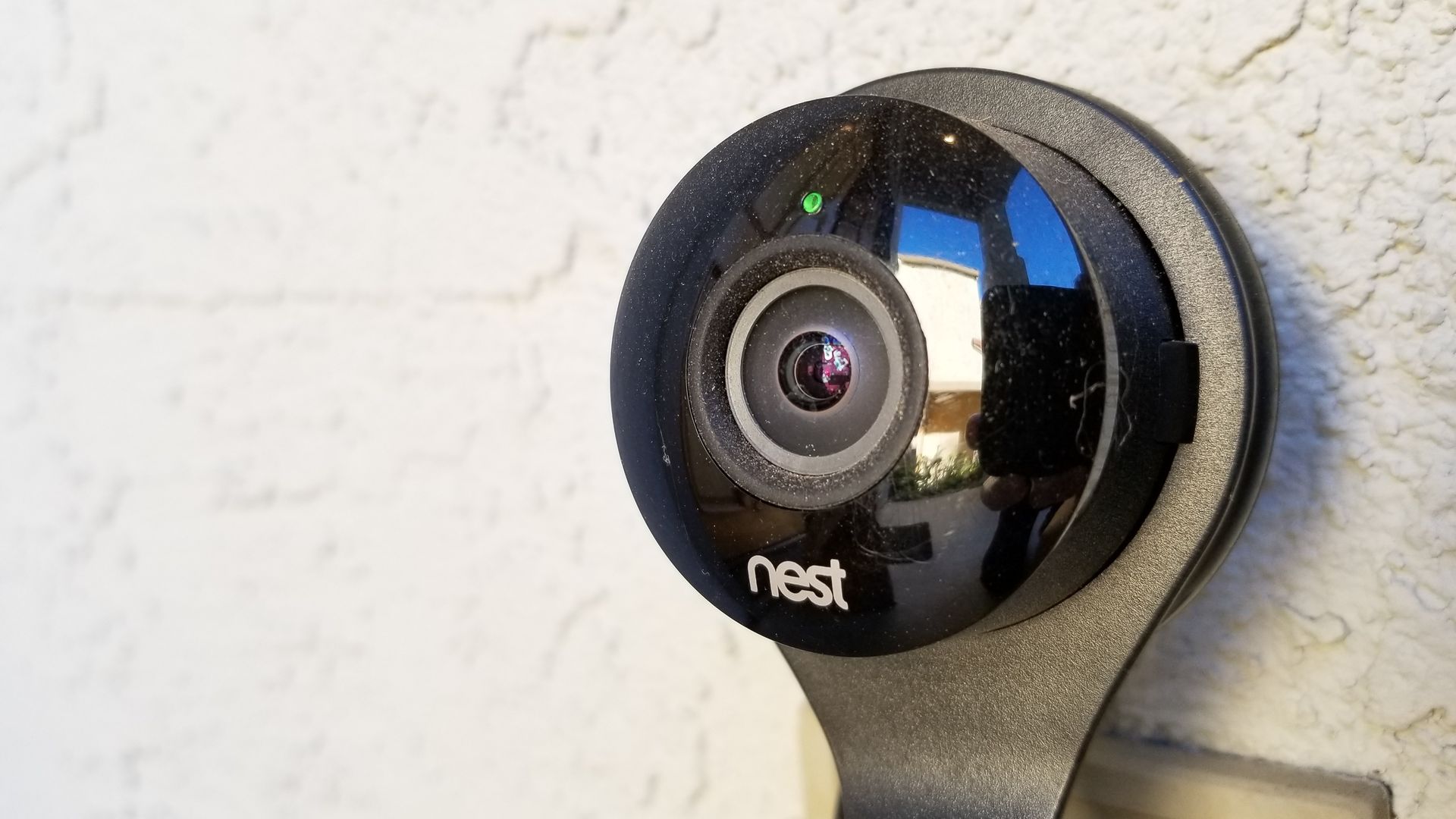
Google said Tuesday that it should have disclosed to buyers of its Nest Secure system that the product contained a microphone, albeit one that had not yet been put to any use.
Why it matters: In this day and age, consumers should expect to know the audio and video recording capabilities of the devices they buy. There have been a number of examples of devices inadvertently recording users, and there's also concern that either hackers or the government might use such devices to eavesdrop.
There's likely to be little surprise at what Samsung will unpack at its launch later today.
The state of play: The Galaxy S10 lineup and related accessories have already leaked through images, regulatory filings, marketing materials and even a Norwegian TV commercial.
AVs have to interpret sensor data, determine their next moves and follow through on them, all of which requires exceedingly complex AI. To meet those demands in real time, computing for AVs will have to happen onboardthe vehicle.
Why it matters: The alternative to onboard computing for driving functions would be vehicles relying on unstablenetwork bandwidth for cloud computing while cruising at highway speeds. A specialized AI chip market has emerged to create platforms that can perform these complex computations almost instantaneously, while using as little power as possible.
Fortune 500 companies have begun to file their annual regulatory reports, and a pattern is emerging. After the Trump tax cut, an outsized number, led by giants like Amazon, GM and Halliburton, owe zero or very little in 2018 U.S. income taxes — or are actually due a refund.
Why it matters: Amid popular anger at establishment institutions, companies earning large profits and paying no taxes risk a serious public backlash.
Covington Catholic student Nicholas Sandmann and his parents on Tuesday filed a defamation lawsuit against the Washington Post for $250 million, accusing the publication of falsely characterizing him as racist and an instigator of a confrontation with a Native American elder on the steps of the Lincoln Memorial last month.
"[The Post] intended to harm Nicholas because he was a white, Catholic boy wearing a MAGA hat, and consciously ignored the threats of harm that it knew would inevitably ensue, in favor of its political agenda."
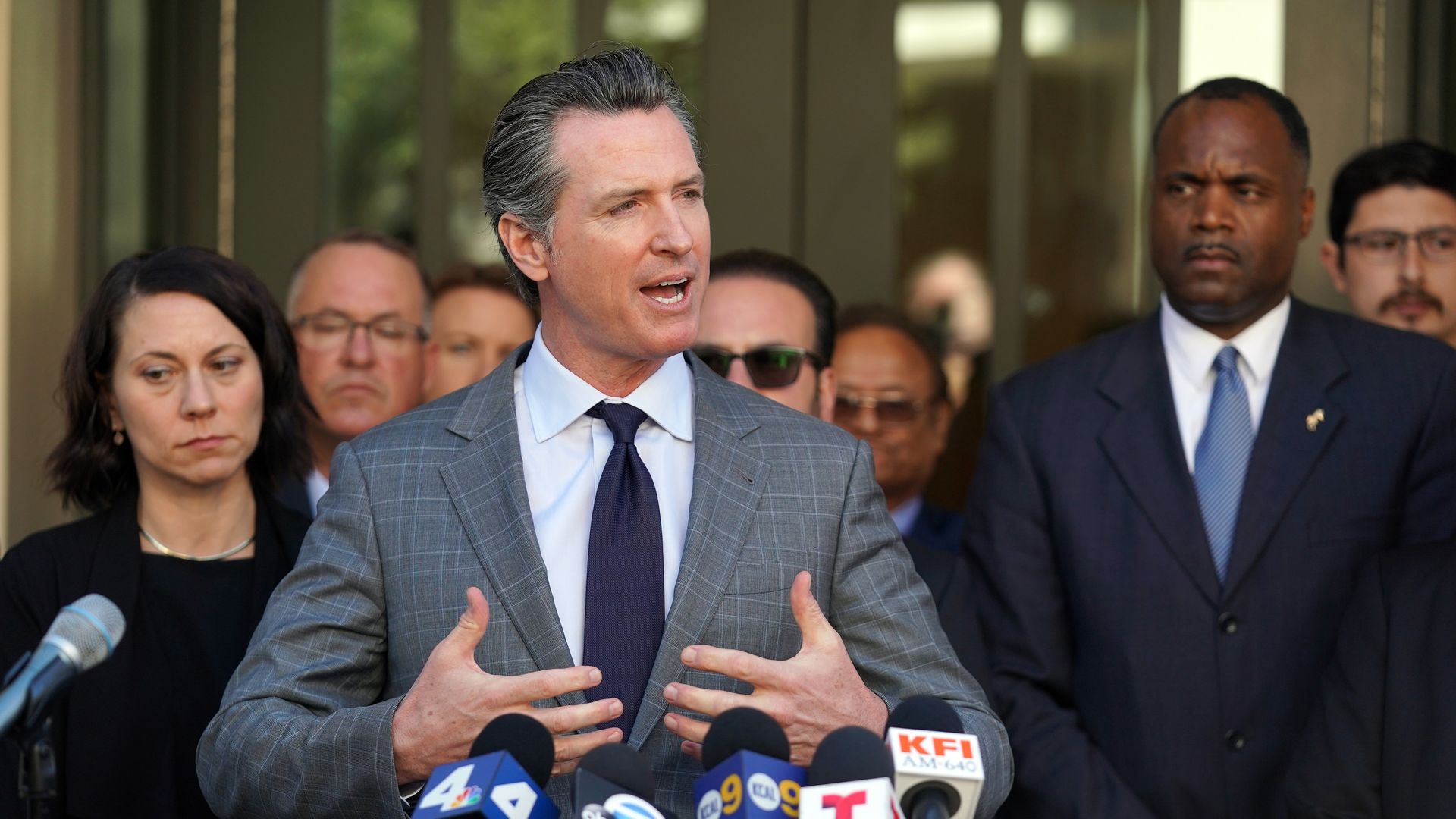
The Transportation Department said Tuesday it intends to cancel $929 million in federal grant funds for California's scaled-back high-speed rail network, and that it is "actively exploring every legal option" to take back $2.5 billion in funds already given to the state for the project.
The big picture: Last week, California's newly elected Gov. Gavin Newsom disputed Trump's claim that California owes the federal government $3.5 billion for scaling back its plans to build an estimated $77 billion high-speed train from San Francisco to Los Angeles, saying the money was allocated by Congress. In a new statement, Newsom said: "This is clear political retribution by President Trump, and we won’t sit idly by. This is California’s money, and we are going to fight for it.”
A federal judge stayed a lawsuit Tuesday that alleges that the process of awarding a major Pentagon cloud computing contract — which could go to Amazon — is unfair.
The big picture: The lawsuit, filed by Oracle against the Department of Defense, is one portion of a much larger fight over the Joint Enterprise Defense Infrastructure (JEDI) contract.






/2019/02/20/1550691323486.gif?w=3840)










/2019/02/19/1550607554500.gif?w=3840)