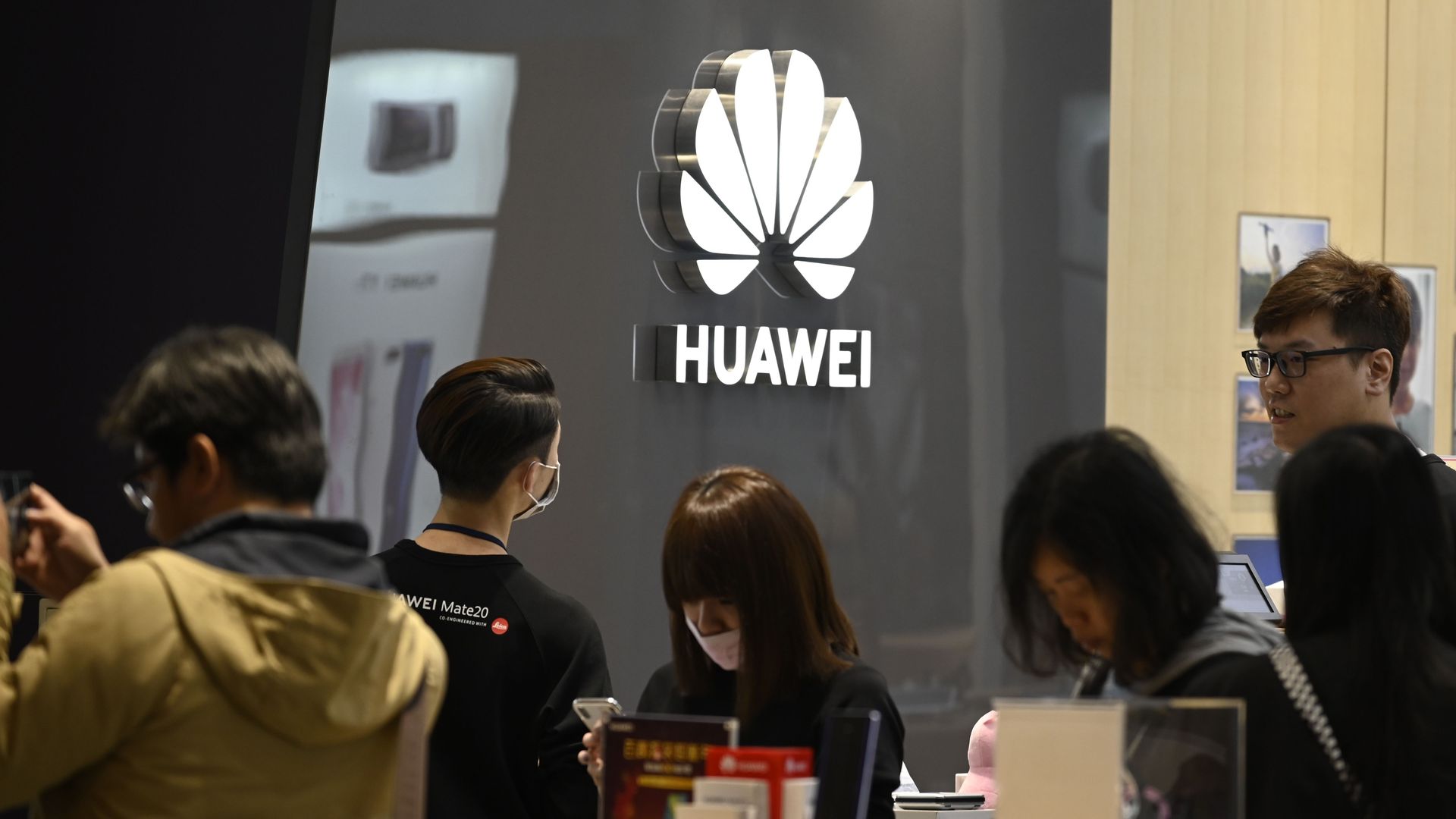
CNBC reports that when asked if dropping the criminal charges against Huawei would be part of the deal during the Oval Office meeting with Chinese Vice Premier Liu He, Trump said he'll be discussing the issue with U.S. attorneys and attorney general in the coming weeks.
My thought bubble: In one statement, the president has made clear to the Chinese that he can intervene in U.S. criminal matters, has shown that the U.S. judiciary is not really independent, and has possibly undermined the U.S. government's campaign (see next item) to block Huawei from 5G networks around the world.
A group of Microsoft workers is once again calling on the company to pull out of a U.S. military contract, saying they never signed up to build tools for war-making.
The bottom line: Microsoft has previously said it intends to continue doing work with the U.S. government, including the armed forces.
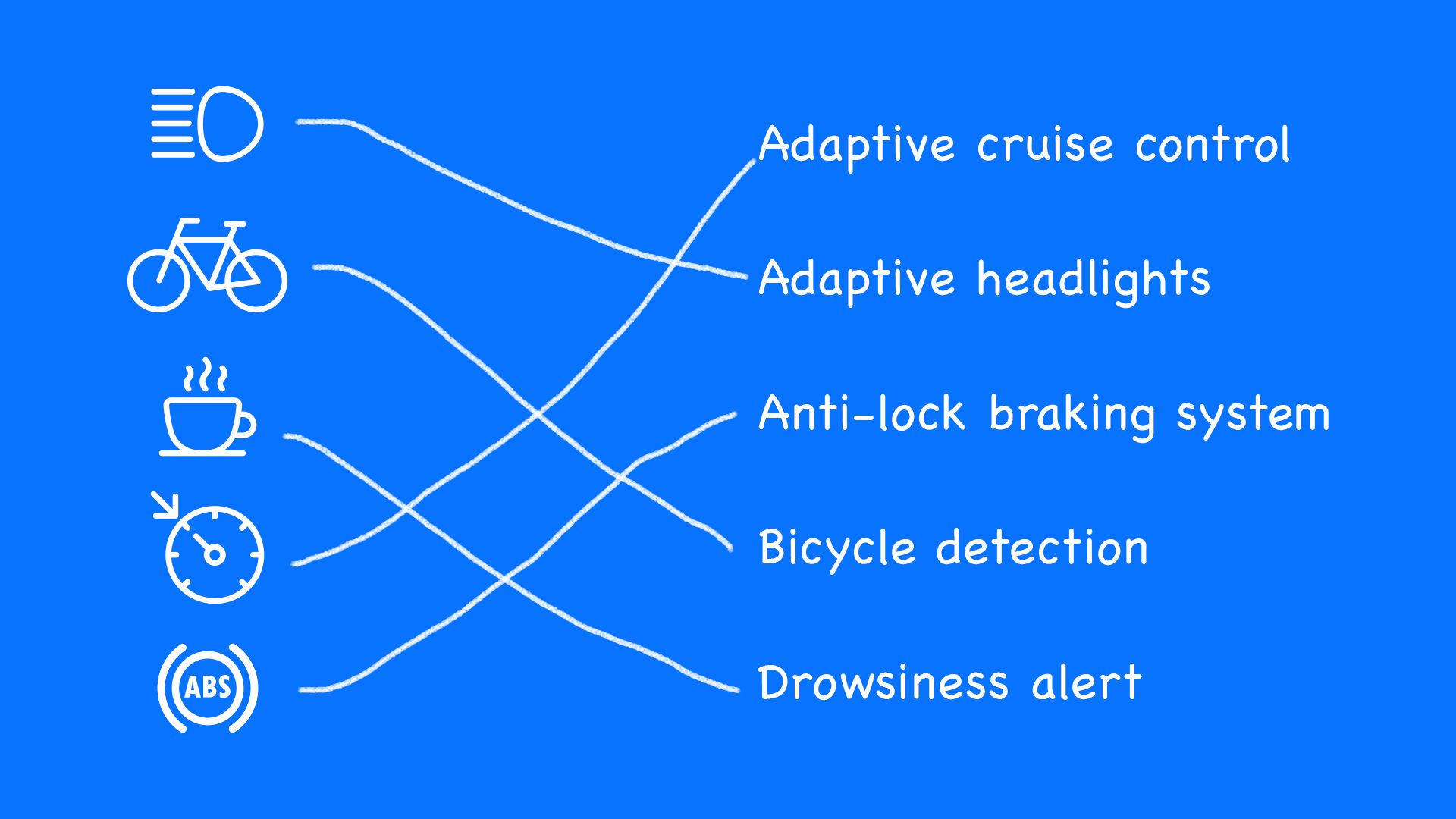
Technology in today's cars can make driving safer — but it can also be dangerous if not used properly.
Why it matters: Self-driving cars don't exist yet, but many people still confuse today's driver-assist technologies with self-driving capability. Understanding how these systems can steer, brake and accelerate — and when not to rely on them — could help people learn to trust fully automated vehicles when they finally arrive.
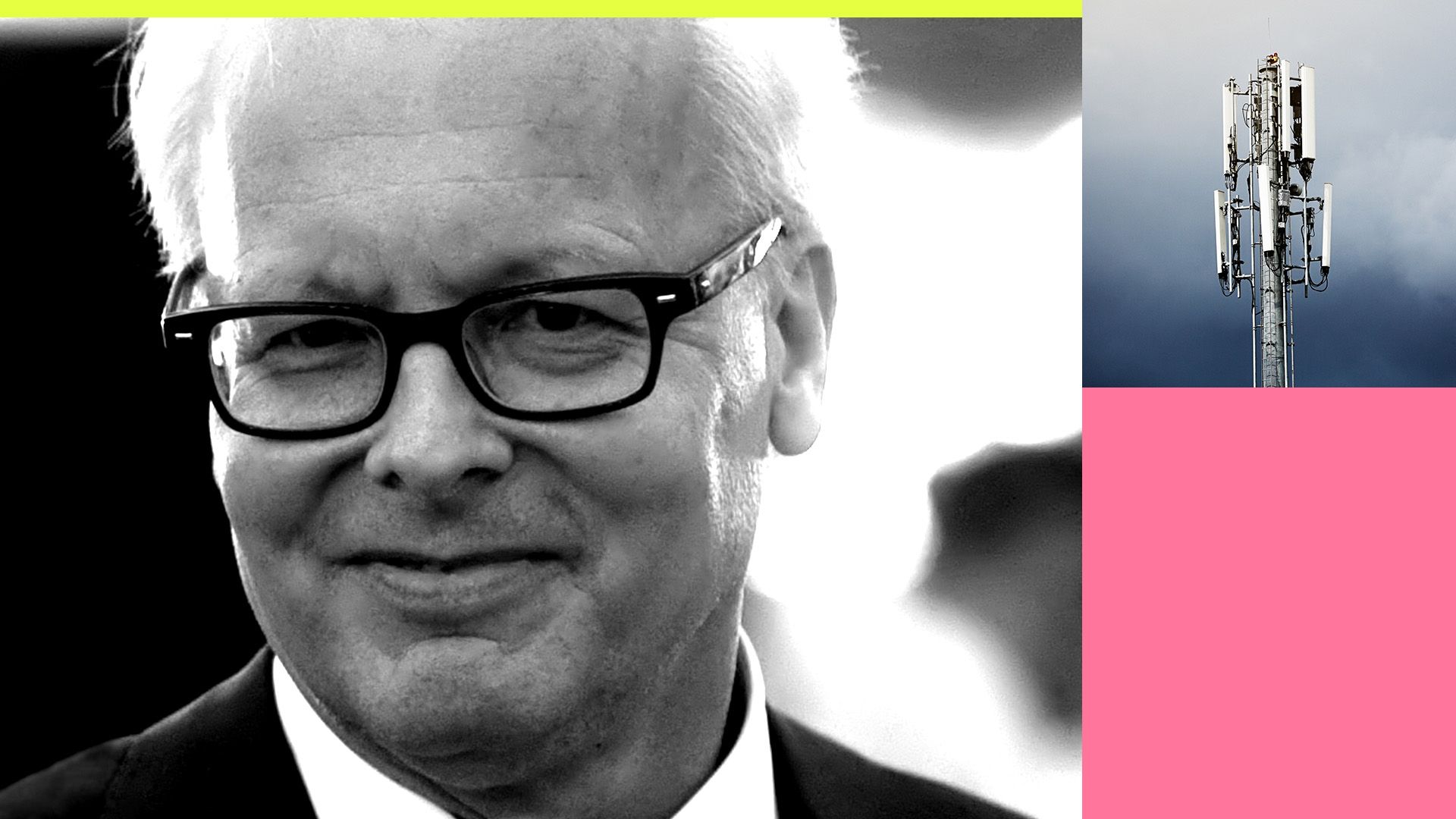
Ray Ozzie, the man who created Lotus Notes and helped usher Microsoft into the cloud era has a new goal: helping devices in the home get smarter by hooking them up directly to the cellular airwaves. In an exclusive interview, Ozzie said his startup has started trials with AT&T on a module that securely connects all sorts of products, from appliances and alarms to vending machines and construction equipment.
Bottom line: There's no doubt that many more devices are going to be connected wirelessly in coming years and that not all device makers will want to handle connectivity themselves. Ozzie's startup is likely to be just one of many companies willing to take on that task.
Recent hacks of connected vehicles can teach AV developers how to design cybersecurity measures that are cued by anomalies in vehicle behavior.
Why it matters: Today's connected vehicles lack adequate security systems, and autonomous vehicles will have far more vulnerabilities, raising the stakes even higher.
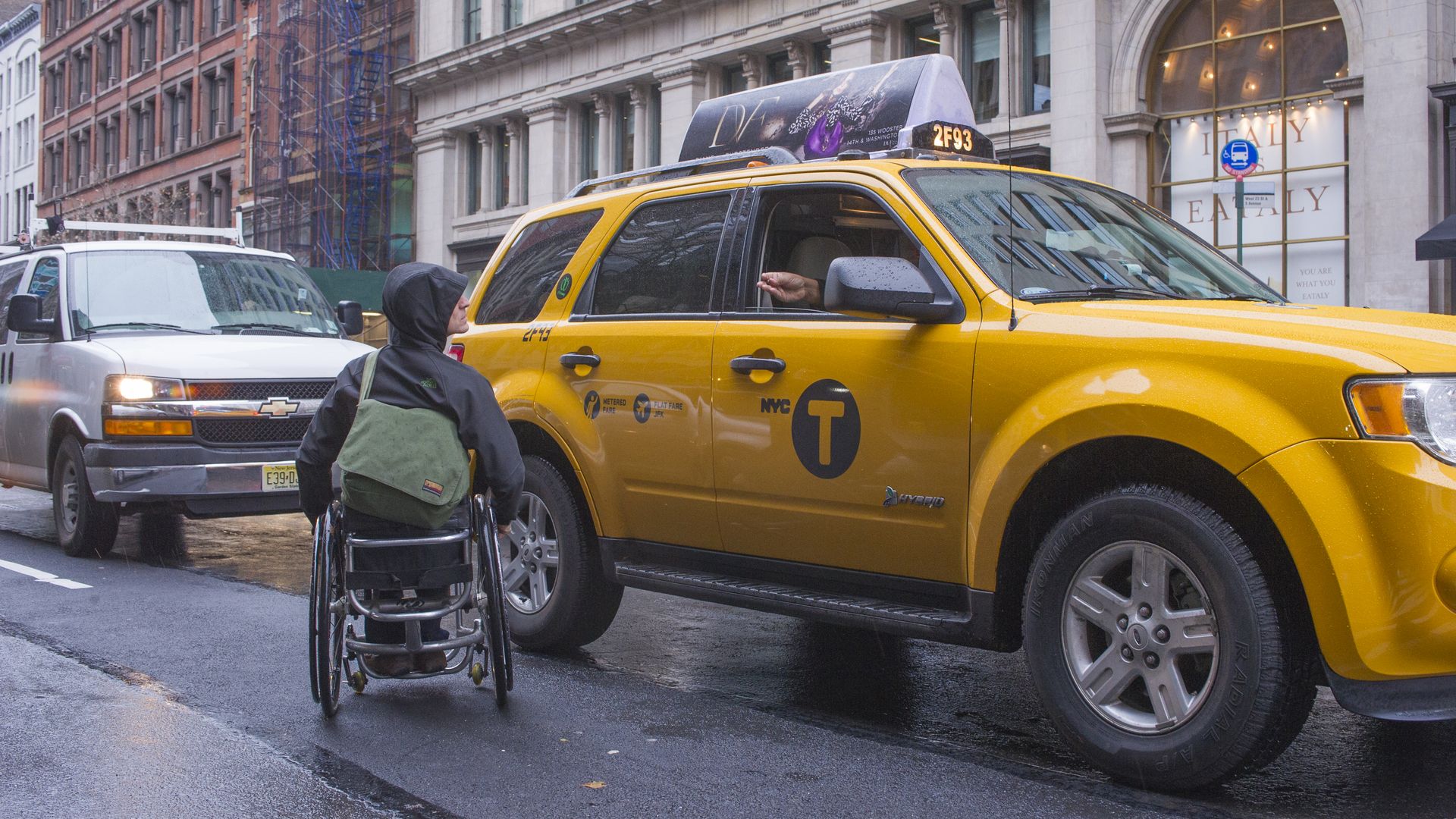
Ride-sharing options are scarce for people who use wheelchairs or have other travel limitations — and the need is likely to grow as the U.S. population ages.
Why it matters: With accessible ride-sharing, AV companies could expand travel options for as many as 15.4 million people who have the means to use ride-sharing services but limited opportunities.
The New York Times reports that experts from the U.S. played a role in the Chinese government's use of DNA samples to keep tabs on its Uighur population — the largely Muslim ethnic group whose members the government has also forced into camps.
The big picture, per the NYT: Almost 36 million people took part in a DNA testing program in Xinjiang, the part of China where the government's campaign against Uighurs is most pronounced. Many Uighurs were coerced into giving the samples.
Some of the country's biggest advertisers are yanking their ads from YouTube after a YouTube blogger posted a video highlighting how some posts on the platform have comments that discuss sexualizing young children.
Why it matters: Google-ownedYouTube has faced several advertiser boycotts over the years in response to reports about ads showing up next to harmful or offensive content. Most of these conflicts have eventually been resolved, but each one adds to an ongoing narrative that big tech services, and YouTube in particular, are not good places for established companies to run ads.
Some scientists are calling on the Food and Drug Administration to establish standards for advanced algorithms that are developing at a "staggering" pace before they are put in medical devices to help predict patients' outcomes.
What's new: Advanced algorithms are starting to be deployed in some devices to help provide automated real-time predictions, but these offer a whole new level of possibilities and challenges from older predictive tools. Standards are needed to check for safety and effectiveness before they are implemented in a clinical setting, the scientists say in a policy forum in Science Thursday.
Google will no longer require current and future employees to take disputes with the company to arbitration, it said Thursday.
The big picture: After protests last year, the search giant ended mandatory arbitration for individual cases of sexual harassment or assault for employees. Employees have called for the practice to end in other cases of harassment and discrimination. Google appears to be meeting that demand for employees — but the change will not apply in the same blanket way to the many contractors, vendors and temporary employees it uses.
Apple is widely expected to move its Mac line to custom ARM-based chips in the coming years.
What we're hearing: Although the company has yet to say so publicly, developers and Intel officials have privately told Axios they expect such a move as soon as next year.
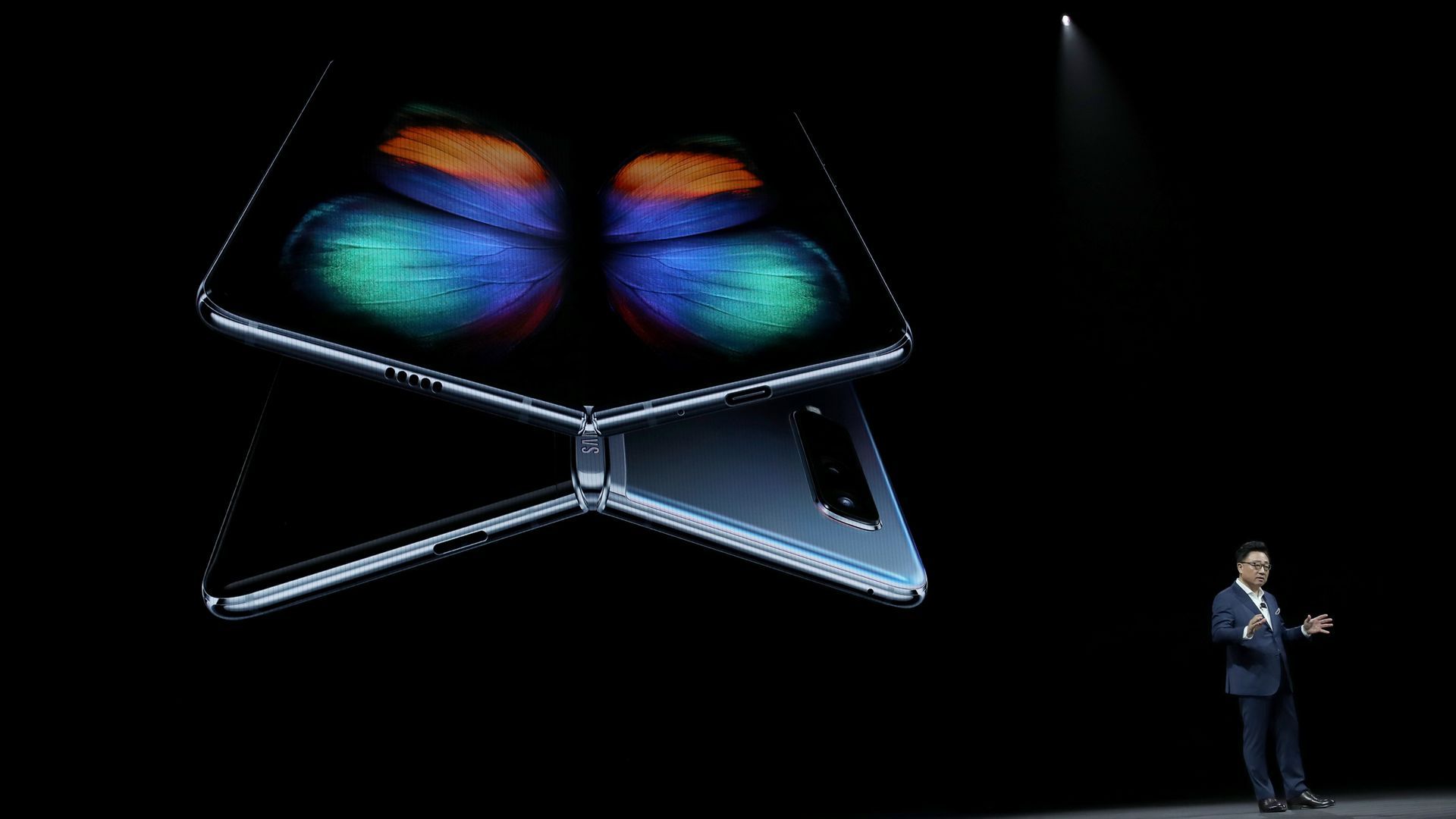
When Samsung showed off its foldable smartphone Wednesday, there were some "oohs" and "aahs." But when the company announced the phone would start at $1980, the enthusiasm turned to groans and dropped jaws.
Why it matters: The announcement pushes the price of smartphones — or at least one phone — to previously unheard of altitudes, raising the question, "Just how high can smartphone prices go?"
A coalition of groups filed a complaint with the Federal Trade Commission Thursday alleging that Facebook violated children's privacy and unfairly pushed them to make purchases in applications hosted on its platform.
Why it matters: The FTC is already investigating the social network’s privacy practices regarding the Cambridge Analytica data leak last year, in light of an earlier settlement it reached with the company.
In the U.S. and Europe, Big Tech is under fire — hit with big fines and the threat of stiff regulation — for failing to thwart the profound consequences of its inventions, including distorted elections, divided societies, invaded privacy, and sometimes deadly violence.
Driving the news: Now, artificial intelligence researchers, facing potentially adverse consequences from their own technology, are seeking to avoid being ensnared by the same "techlash."
Seeking to play in a global technology race dominated by the U.S. and China, the U.K. says it will pay for about 1,200 students to earn AI master's and PhDs in its universities, and fund the salaries of 3 to 5 more to join the nation's top AI lab.
The big picture: Given the paucity of AI talent, 1,200 is a highly ambitious target, a number that, if fully realized, could go far toward making the U.K. competitive in the global race.





/2019/02/22/1550799469033.gif?w=3840)











/2019/02/20/1550691323486.gif?w=3840)