Different arms of the European Union have taken new steps toward regulating tech companies' content and practices.
Why it matters: Europe is a huge market for tech, and even though the internet transcends national borders, the rules set by the EU have global implications.
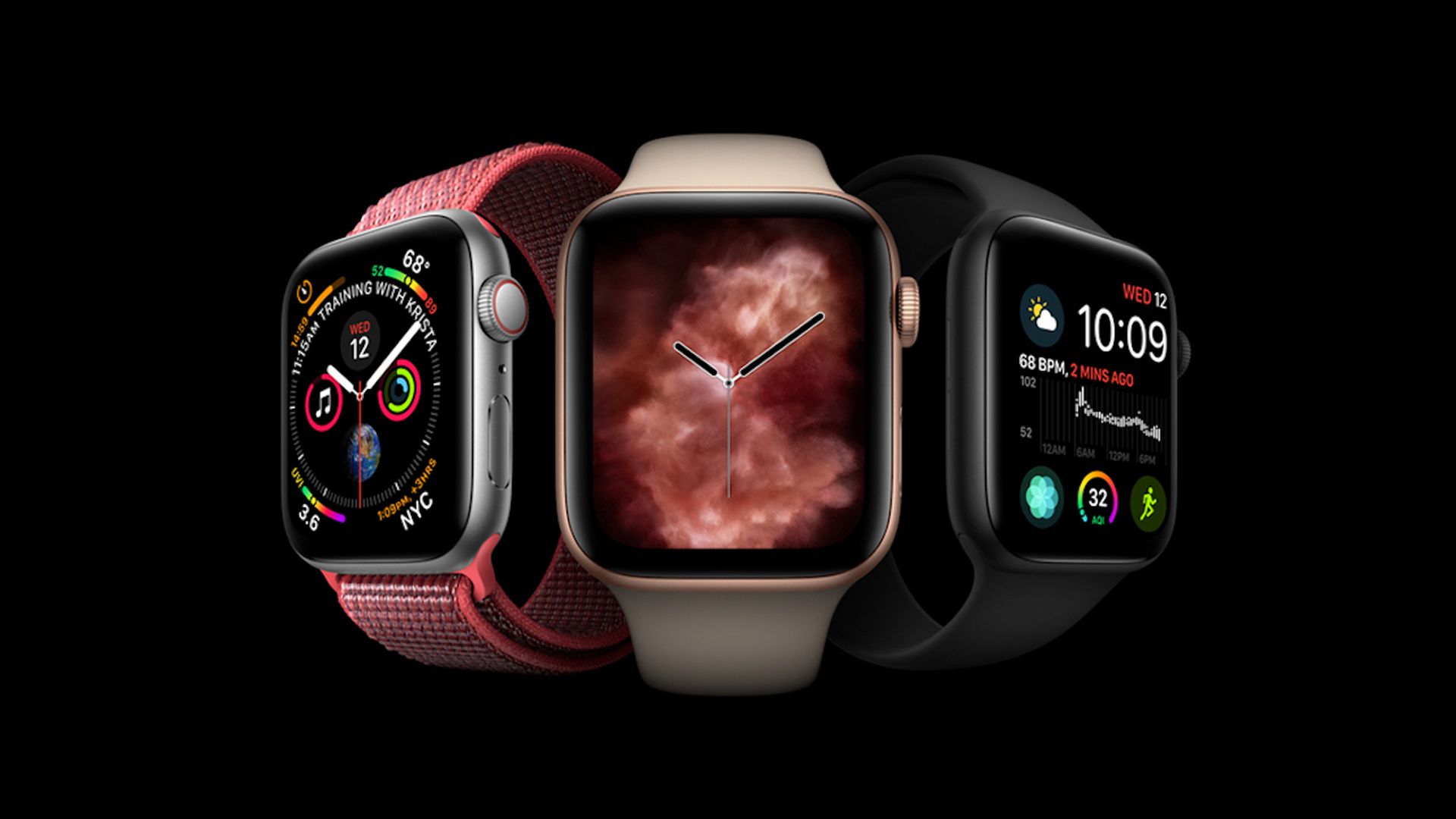
With Apple Watch Series 4, the company managed to pack a larger display and new health features into a timepiece roughly the same size as its predecessors. In this hands-on video, we get a look at the device, which goes on sale next week.
The bottom line: Smartwatches are still a young category, but the addition of fall detection and built-in electrocardiogram could make this a more compelling purchase.
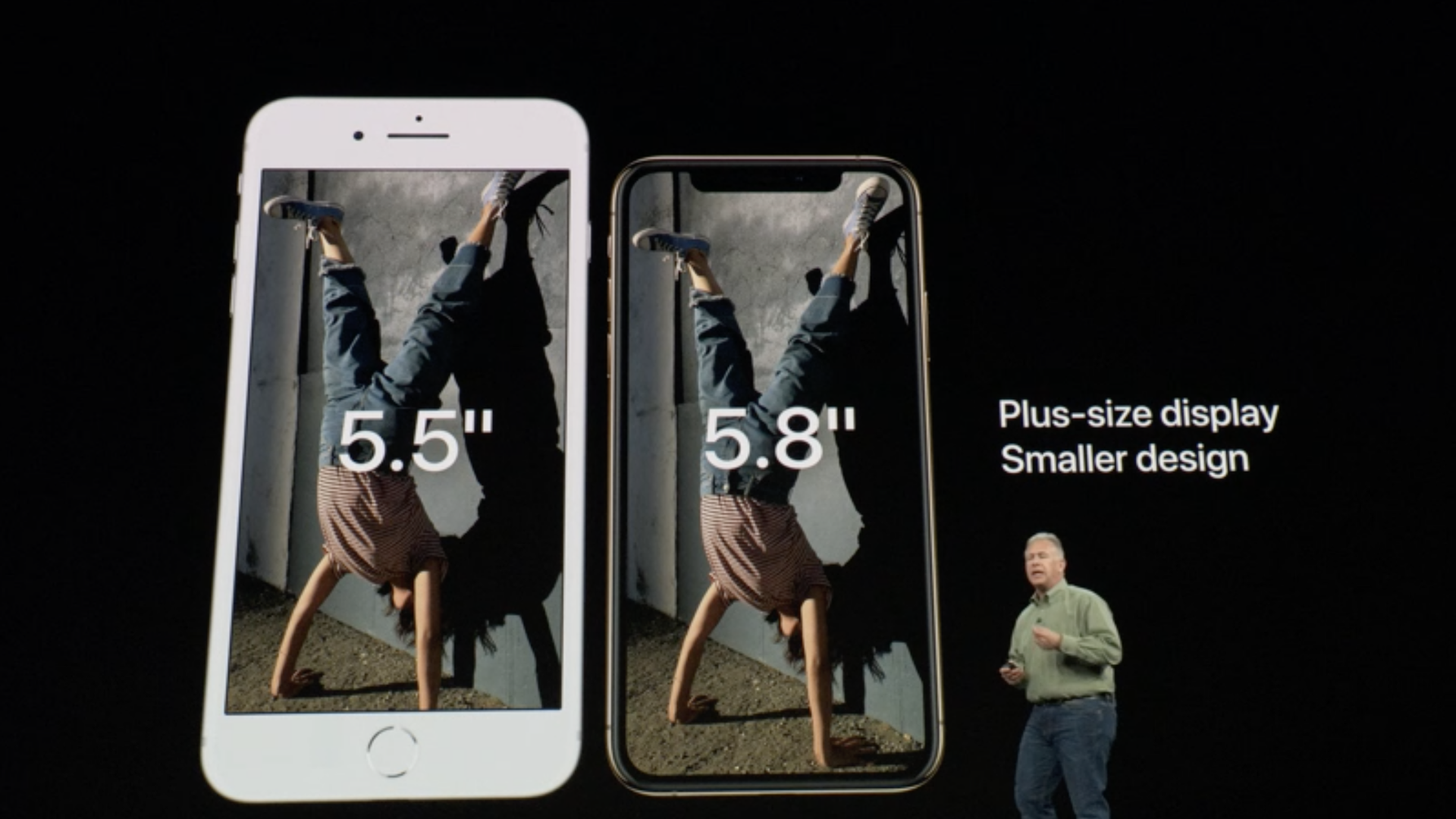
The iPhone Xs may not look much different than the iPhone X, but under the hood there are several changes that make it more powerful than its predecessor — a faster processor, more capable camera, and more. In a hands-on video, we get a glimpse of the just-announced device, as well as the lower-cost iPhone Xr.
The bottom line: The details of the devices were largely as expected, but some impressive camera tricks could push some purchasers toward the iPhone Xs, while the lower-cost iPhone Xr will move the previously high-end-only Face ID closer to the mainstream.
Read our full coverage of Apple's iPhone and Watch announcements.
As expected, Apple revamped its high-end phone line with a new iPhone Xs and a larger-screen iPhone Xs Max as well as a colorful new lower-cost model, the iPhone Xr. It also updated the Apple Watch featuring a larger screen, fall detection and the ability to take an electrocardiogram.
Why it matters: Apple is the world's most valuable company and the iPhone its most important product. While the phone updates were modest and largely expected, they could be enough to drive many people to upgrade. Meanwhile, new health features could make Apple Watch more compelling.
Google’s so far successful strategy of keeping its head down in Washington while lawmakers brutalize Facebook and Twitter is facing new tests as pressures mount from federal legislators and state authorities.
The big picture: While the other Silicon Valley giants are likely happy for a break for the spotlight, the fates of all of the online platforms have always been intertwined. Regulation for one could be regulation for all, and scrutiny of individual companies' privacy practices or moderation failures in the past has drawn attention to industry-wide issues.
The Federal Trade Commission this week kicks off the first broad examination of competition in the technology industry inmore than two decades — a sign that the tech giants could be in for stronger public oversight.
Why it matters: The FTC's public hearings, which start Thursday, will provide the first structured conversation about realistic policy tools that federal regulators need to police the internet economy.
Wednesday's Apple event is bringing a lot of speculation — most, of course, centering on new iPhones — but don't forget there are other areas where the company can make news.
The bottom line: There will almost certainly be several new iPhone models to choose from. None will represent a massive shift, but the prospect of larger-screen and cheaper versions of the iPhone X is drawing interest.
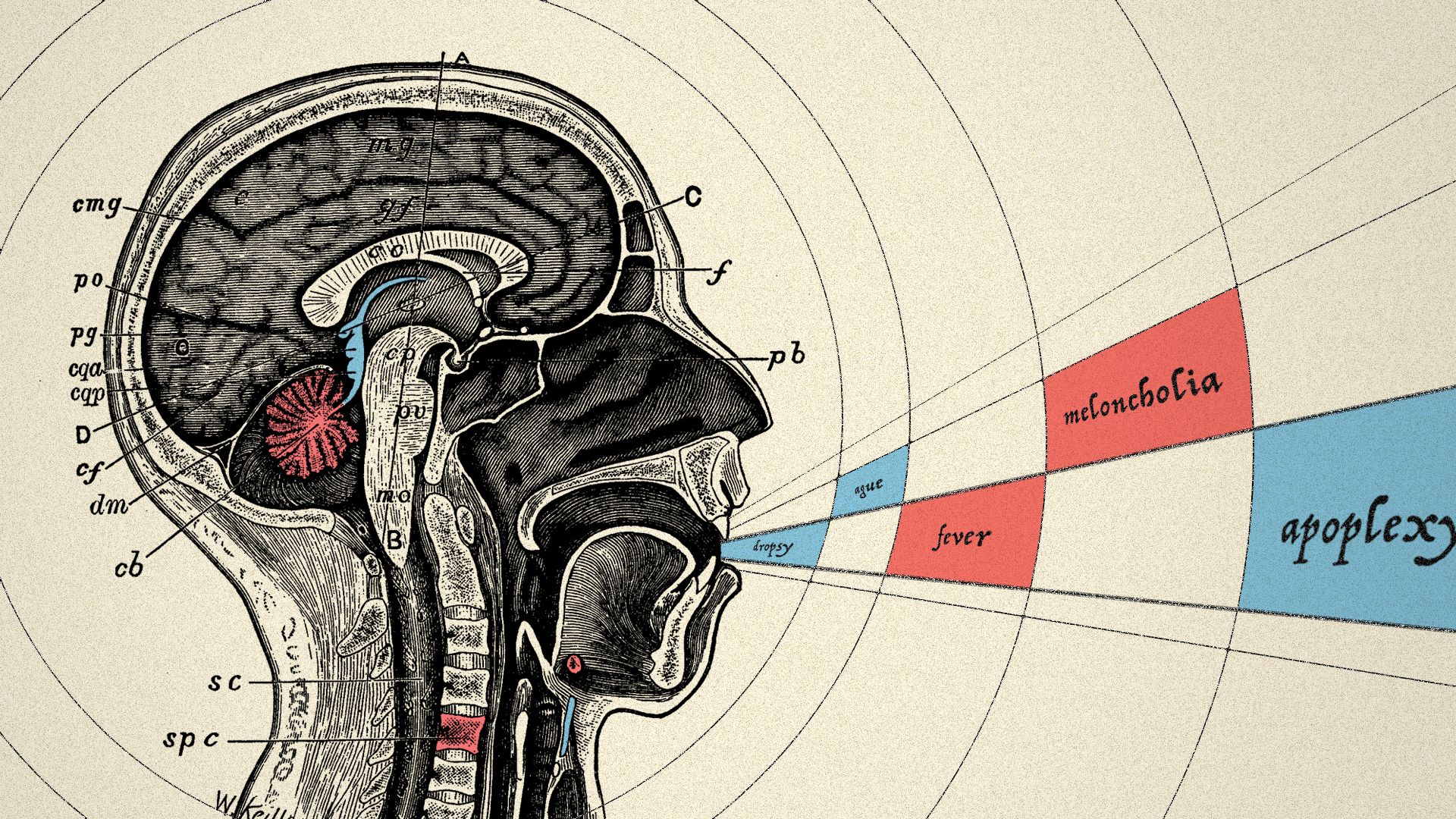
During a conversation, humans can grasp a friend's mood or intent by relying on subtle vocal cues or word choice. Now, researchers at MIT say they have developed an algorithm that can detect if the friend is depressed, one of the most widely suffered — and often undiagnosed — conditions in the U.S.
Why it matters: About 1 in 15 adults — 37 million Americans — experience major depressive episodes, but many times go untreated.
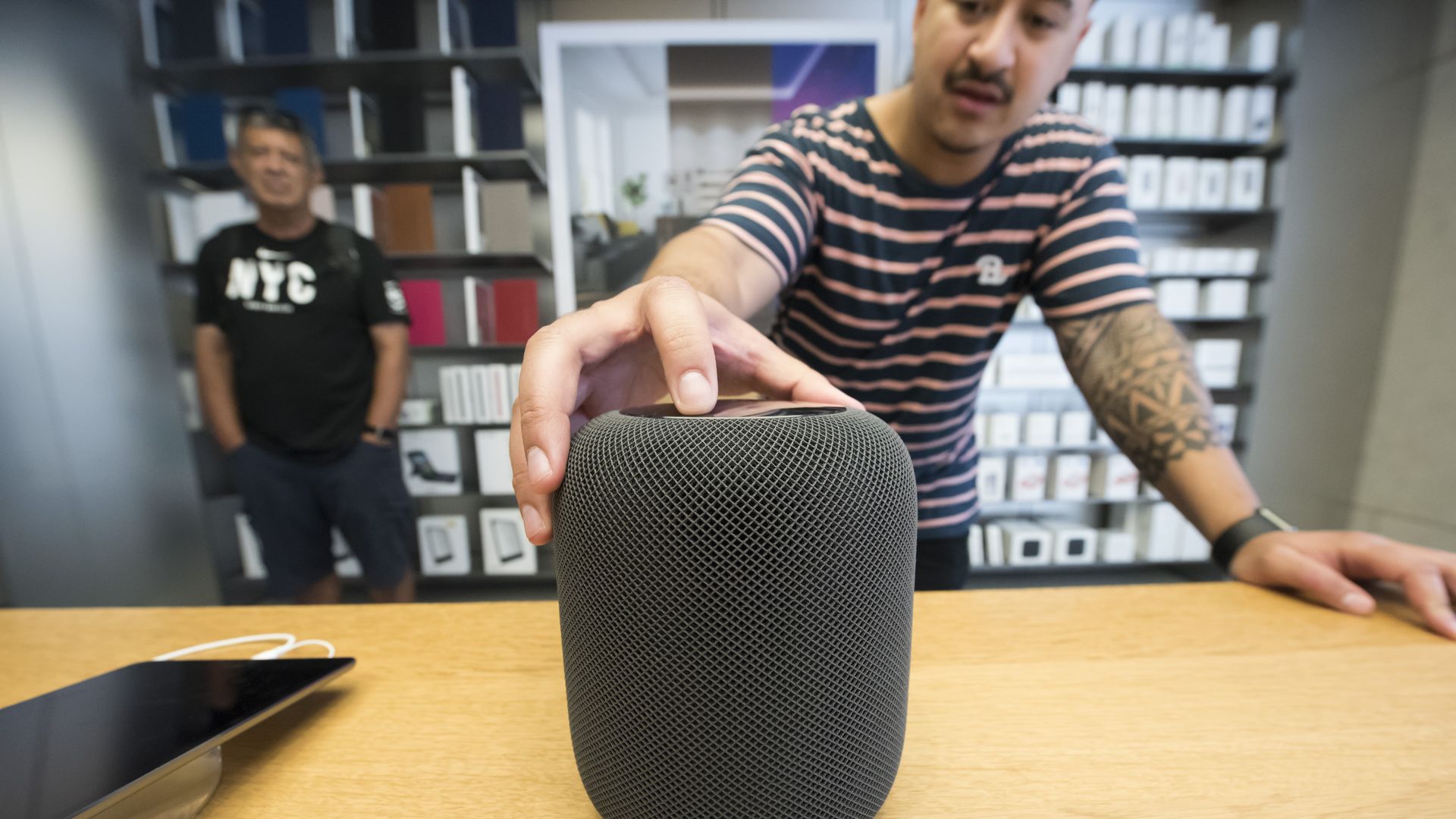
Smart speakers aren't just collecting dust on kitchen counters. More than 75% of smart speaker owners cited an increase in using voice-assisted technology in the past year, according to a new study from Adobe Analytics.
Why it matters: Despite the technology’s big brother persona, the study shows people are becoming more comfortable with incorporating voice assistants into their everyday lives. It also suggests that both the current boom in smart speaker purchases and predictions for big future growth are happening because consumers are learning that the devices can be used for more than just weather updates.
This March, a new transportation program was launched in the Los Angeles suburb of Monrovia as a partnership between the city and the ride-hailing service Lyft. Because the city subsidizes the program — the first of its kind in the U.S. — riders can take any trip that falls within or just outside city limits for a fare of only 50 cents.
Why it matters: Although there have been a number of free test programs, no company has yet rolled out a paid ride-sharing service with autonomous vehicles. But when they do, using a shared AV fleet for short trips, especially "first and final mile" connections, could cost less than half as much per file as owning a private vehicle — enabling prices close to those of the GoMonrovia program.
The U.S. Chamber of Commerce has published a list of principles it hopes the government will follow for federal data privacy legislation — marking the rare occasion on which the business advocacy group is proposing, rather than fighting, regulation of its constituents.
The big picture: Tim Day, senior vice president of the Chamber Technology Engagement Center, which compiled the chamber's proposal, acknowledged to Codebook that this is a defensive move.
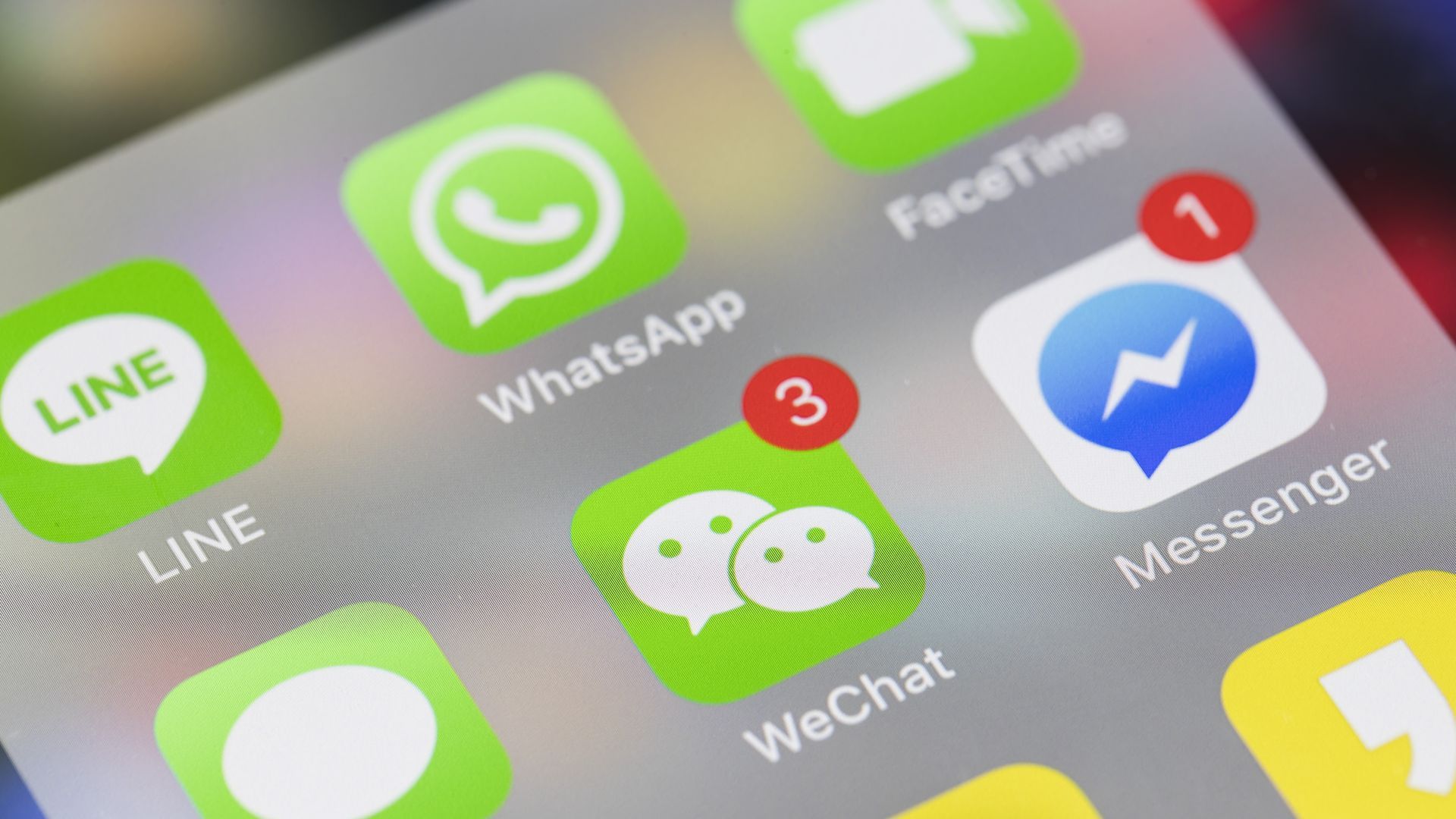
Tech and telecom companies are pushing into the "rich messaging" arena, which allows upgrades over SMS texting such as video chat, high-resolution photo sharing and location sharing.
Why it matters: Companies and platforms are racing to build rich messaging services as people move communication with friends and family from open social platforms to encrypted messaging.
Verizon is betting its future on 5G, and executives tell Axios that includes a more aggressive push to focus its media brand Oath on building over-the-top (OTT) brands with a lot of live streaming content.
Why it matters: Oath chief Tim Armstrong is reportedly on his way out, raising questions about Verizon's media arm and the company's overall media ambitions.
Verizon Innovative Learning, the Verizon Foundation's education arm, will announce the launch of its first-ever 5G EdTech Challenge Tuesday to reward projects that create compelling solutions to challenges in under-resourced middle school classrooms using 5G, executives tell Axios.
Why it matters: Verizon sees its future as tethered to 5G and incorporating opportunities for the technology in the education sphere is a key goal for its implementation.