Tuesday's technology stories

AI may detect depression just from your voice
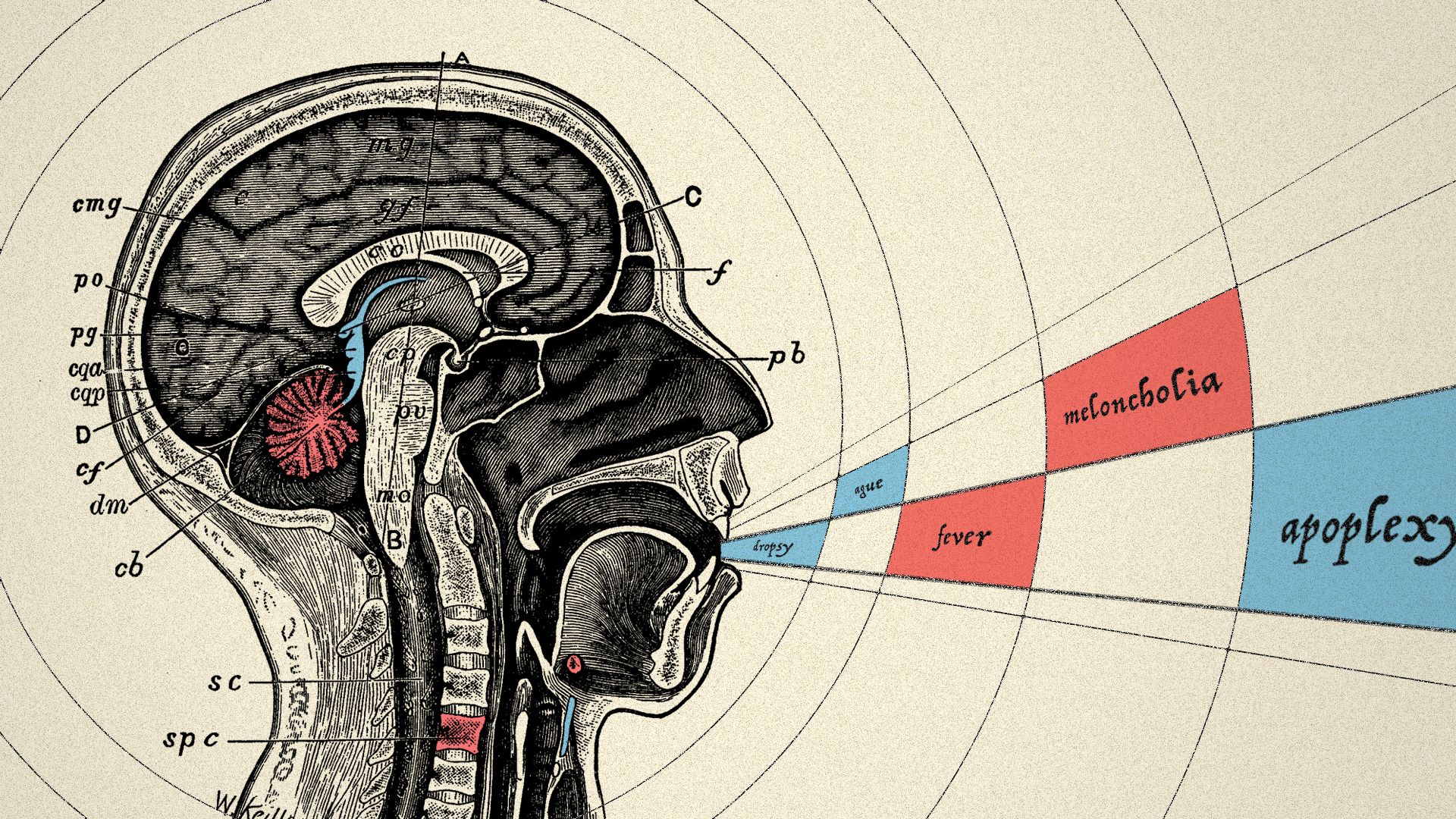
During a conversation, humans can grasp a friend's mood or intent by relying on subtle vocal cues or word choice. Now, researchers at MIT say they have developed an algorithm that can detect if the friend is depressed, one of the most widely suffered — and often undiagnosed — conditions in the U.S.
Why it matters: About 1 in 15 adults — 37 million Americans — experience major depressive episodes, but many times go untreated.

Study: U.S. consumers are embracing smart speakers
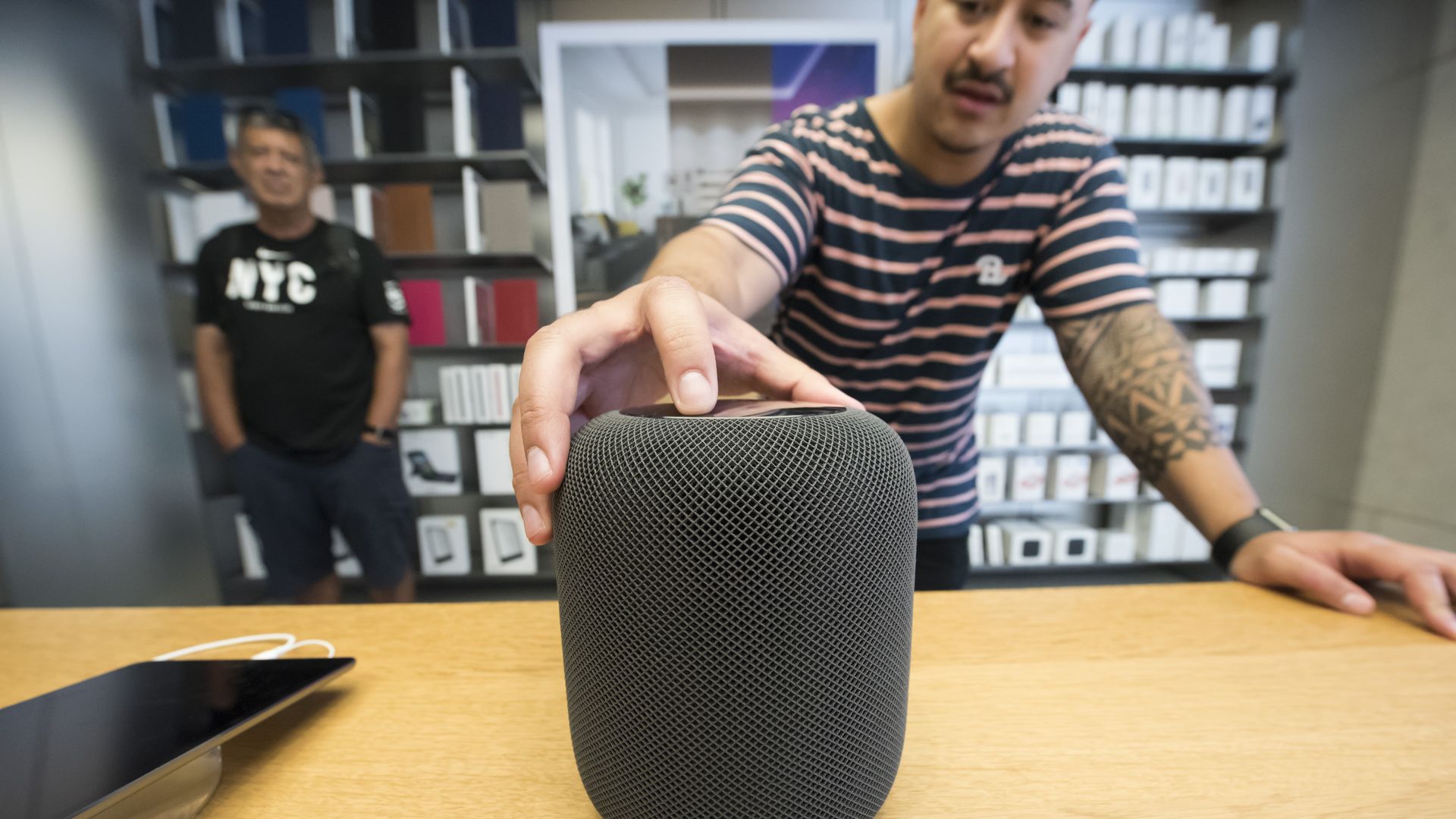
Smart speakers aren't just collecting dust on kitchen counters. More than 75% of smart speaker owners cited an increase in using voice-assisted technology in the past year, according to a new study from Adobe Analytics.
Why it matters: Despite the technology’s big brother persona, the study shows people are becoming more comfortable with incorporating voice assistants into their everyday lives. It also suggests that both the current boom in smart speaker purchases and predictions for big future growth are happening because consumers are learning that the devices can be used for more than just weather updates.

Partnership between Lyft and LA suburb shows promise of AV fleets
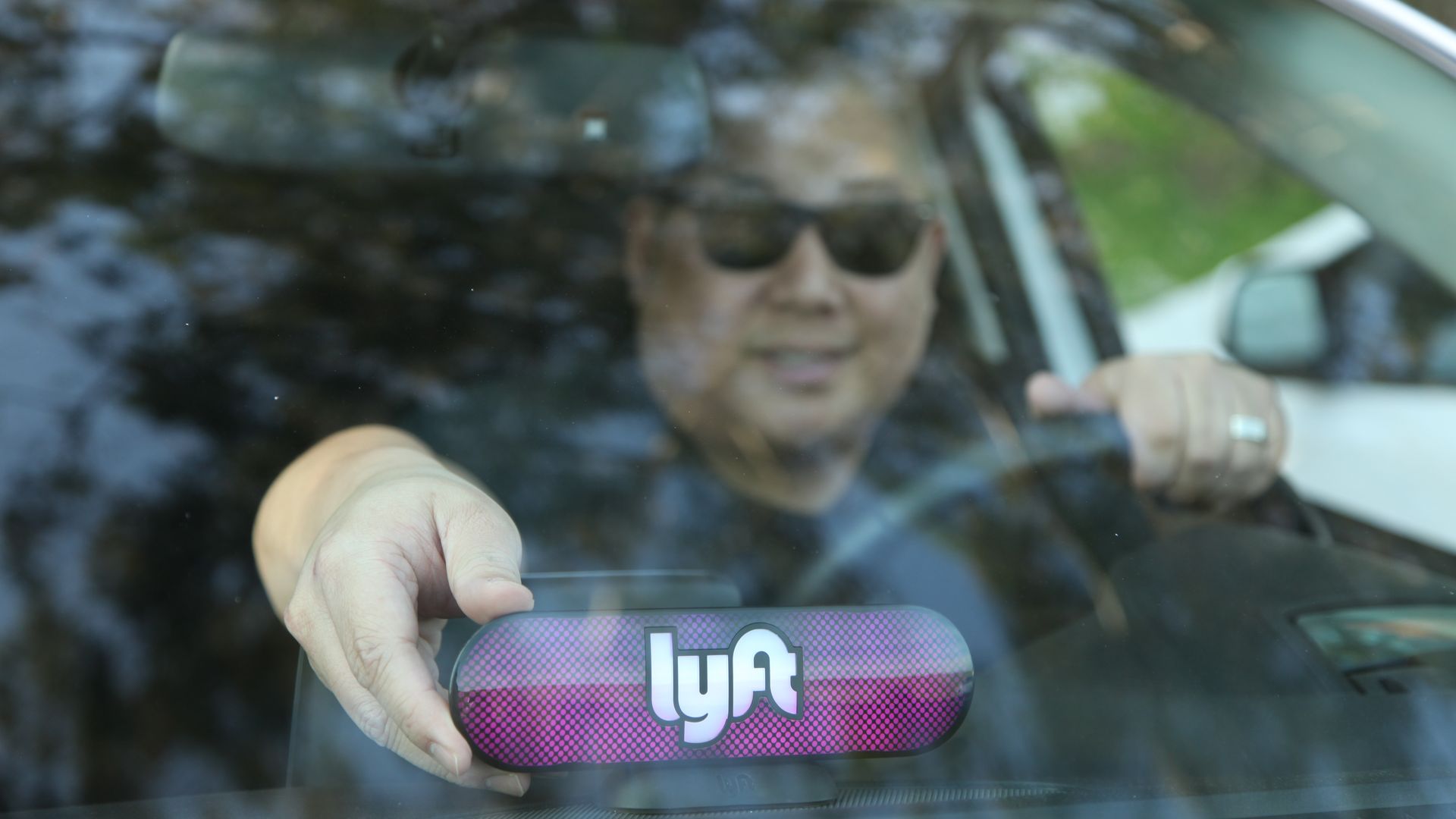
This March, a new transportation program was launched in the Los Angeles suburb of Monrovia as a partnership between the city and the ride-hailing service Lyft. Because the city subsidizes the program — the first of its kind in the U.S. — riders can take any trip that falls within or just outside city limits for a fare of only 50 cents.
Why it matters: Although there have been a number of free test programs, no company has yet rolled out a paid ride-sharing service with autonomous vehicles. But when they do, using a shared AV fleet for short trips, especially "first and final mile" connections, could cost less than half as much per file as owning a private vehicle — enabling prices close to those of the GoMonrovia program.

Businesses push for national privacy rules
The U.S. Chamber of Commerce has published a list of principles it hopes the government will follow for federal data privacy legislation — marking the rare occasion on which the business advocacy group is proposing, rather than fighting, regulation of its constituents.
The big picture: Tim Day, senior vice president of the Chamber Technology Engagement Center, which compiled the chamber's proposal, acknowledged to Codebook that this is a defensive move.

Companies race to build "rich messaging" platforms
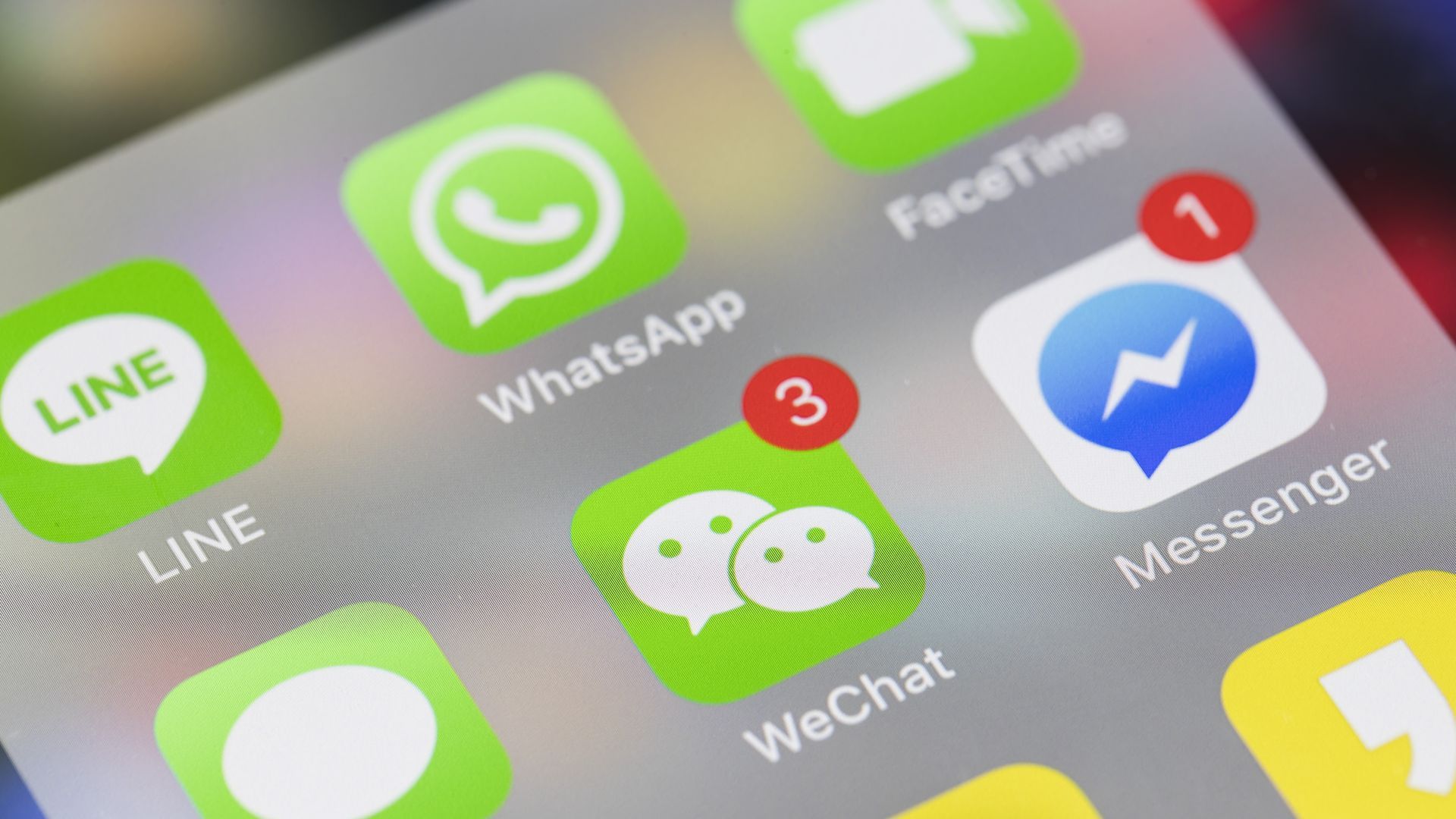
Tech and telecom companies are pushing into the "rich messaging" arena, which allows upgrades over SMS texting such as video chat, high-resolution photo sharing and location sharing.
Why it matters: Companies and platforms are racing to build rich messaging services as people move communication with friends and family from open social platforms to encrypted messaging.

Verizon's sky high 5G ambitions
Verizon is betting its future on 5G, and executives tell Axios that includes a more aggressive push to focus its media brand Oath on building over-the-top (OTT) brands with a lot of live streaming content.
Why it matters: Oath chief Tim Armstrong is reportedly on his way out, raising questions about Verizon's media arm and the company's overall media ambitions.

Verizon plans $1 million push to bring 5G to classrooms
Verizon Innovative Learning, the Verizon Foundation's education arm, will announce the launch of its first-ever 5G EdTech Challenge Tuesday to reward projects that create compelling solutions to challenges in under-resourced middle school classrooms using 5G, executives tell Axios.
Why it matters: Verizon sees its future as tethered to 5G and incorporating opportunities for the technology in the education sphere is a key goal for its implementation.

Next in the cloud — fiddling with your brain
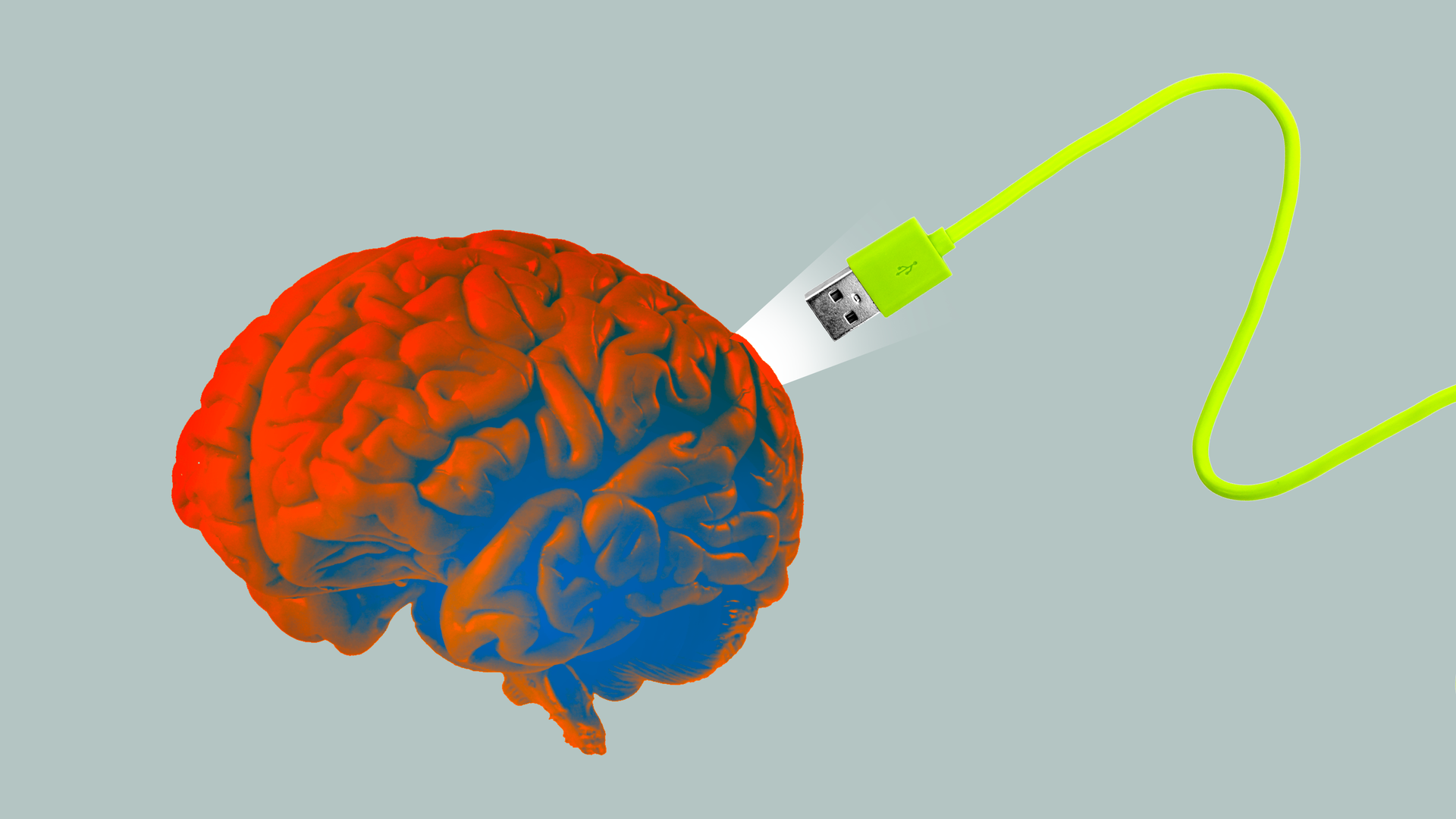
For artificial intelligence to begin approximating human know-how, scientists will need to create models of how people think — such as simulations of your and my actual brain. That's when the trouble may begin.
The big picture: In this future — which could be plausible within decades — we will voluntarily upload these virtual versions of our brains onto platforms like Facebook or Elon Musk's aptly named Neuralink, which may conduct experiments on them. When they do, it will be only a little removed from fiddling with the real us.

Uber hires its first chief marketing officer
Uber has hired Rebecca Messina, formerly at Beam Suntory and a long-time Coca-Cola Company executve, as its first chief marketing officer.
Why it matters: CEO Dara Khosrowshahi is filling out the C-suite as he continues to eye a 2019 IPO. Previously, Uber had a chief brand executive and a president of ride-hailing largely responding for marketing efforts, but this is its first full-fledged CMO.

Gear Up: Harvard, MIT, BU and BC
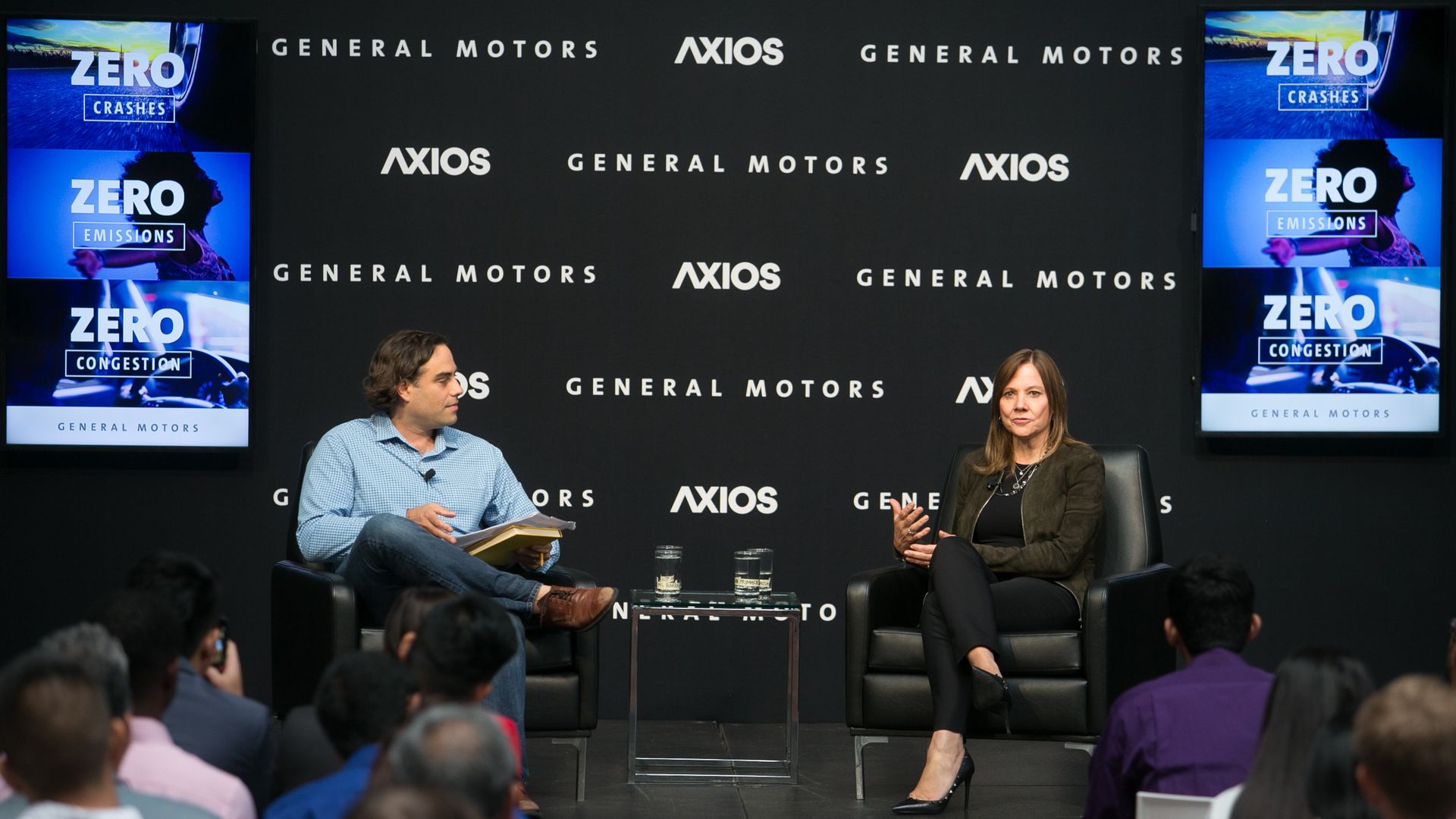
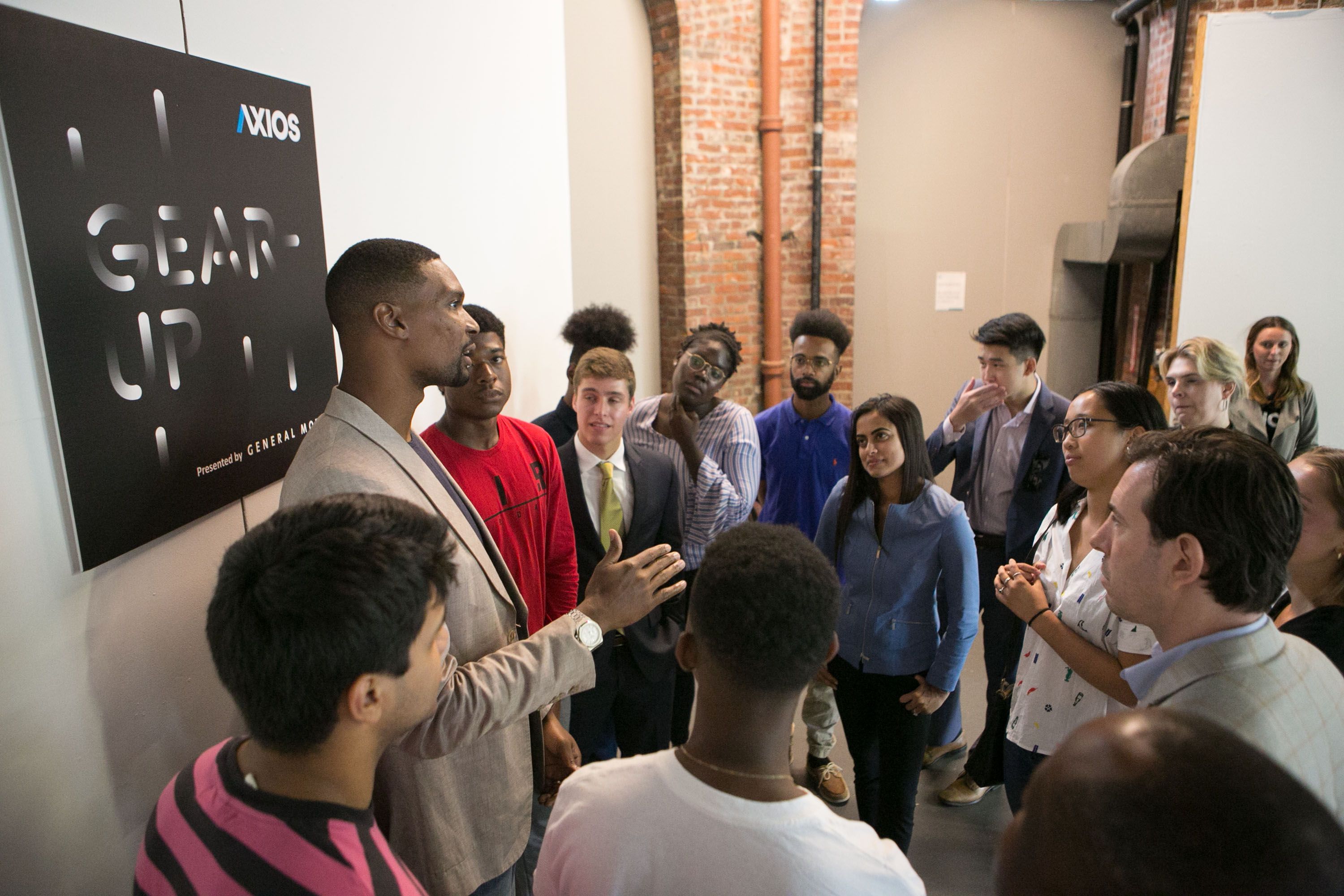
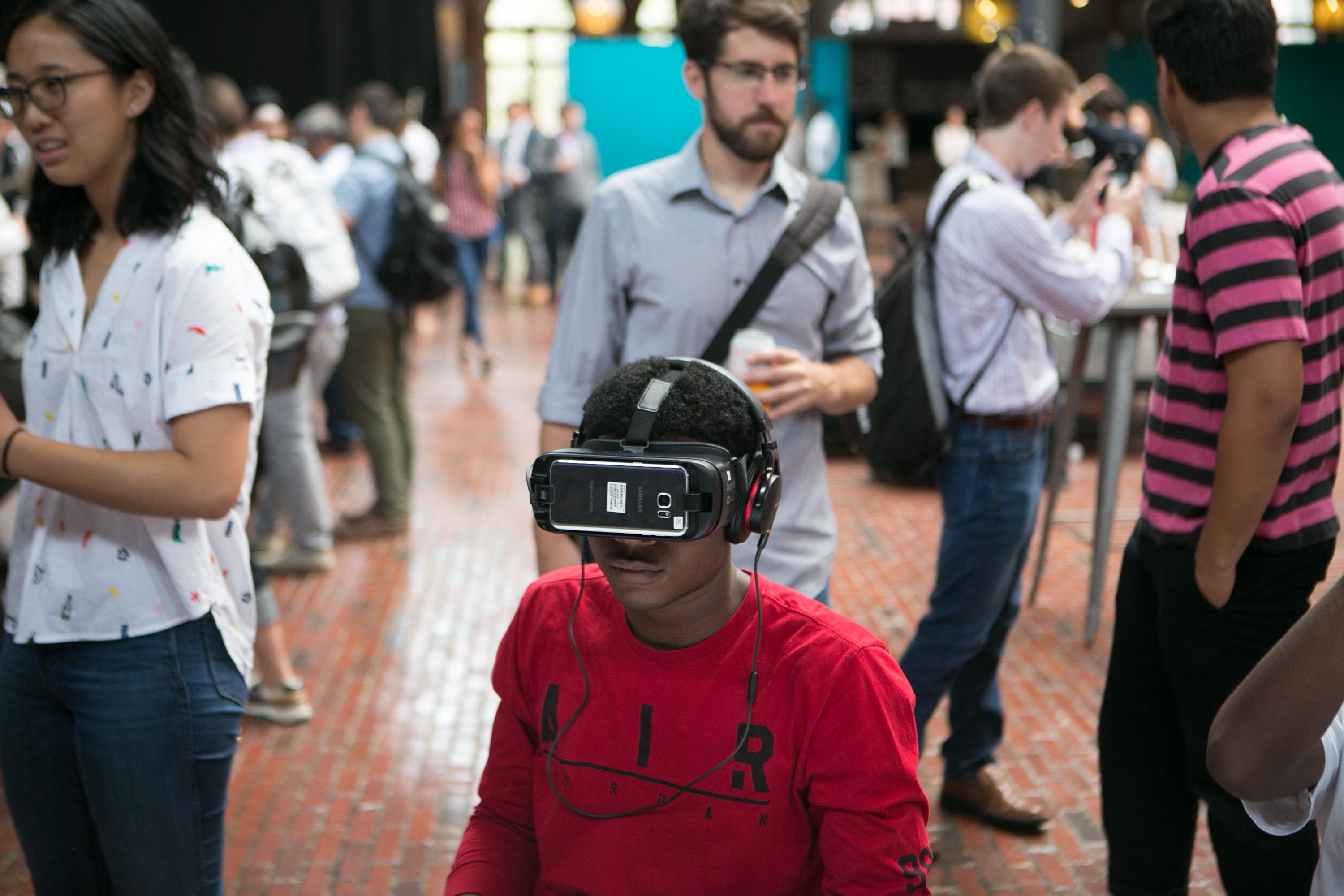
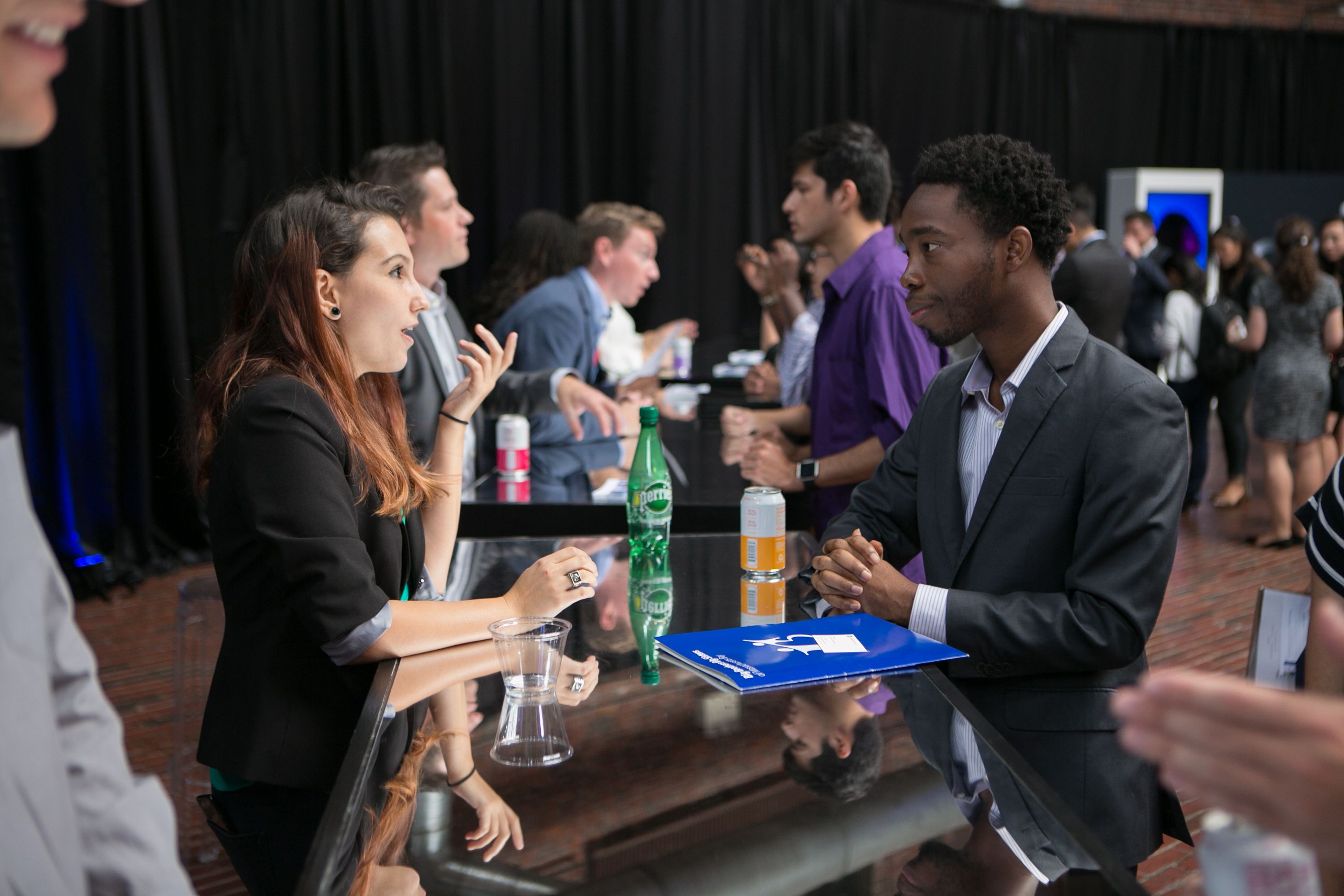
Friday morning, Boston-area college students joined Axios in the South End to hear how technology and innovation are shaping the future of work. Harvard, MIT, Boston University, and Boston College students took a break from the first week of classes to hear interviews with GM Chairman and CEO Mary Barra, NBA All-Star Chris Bosh, and Venture Capitalist Bradley Tusk.
Why it mattered: With this peek into the worlds of autonomous vehicles, technology, and venture capitalism, college students gained a better sense of the tech and business landscapes they'll encounter upon graduation.
GM Chairman and CEO Mary Barra
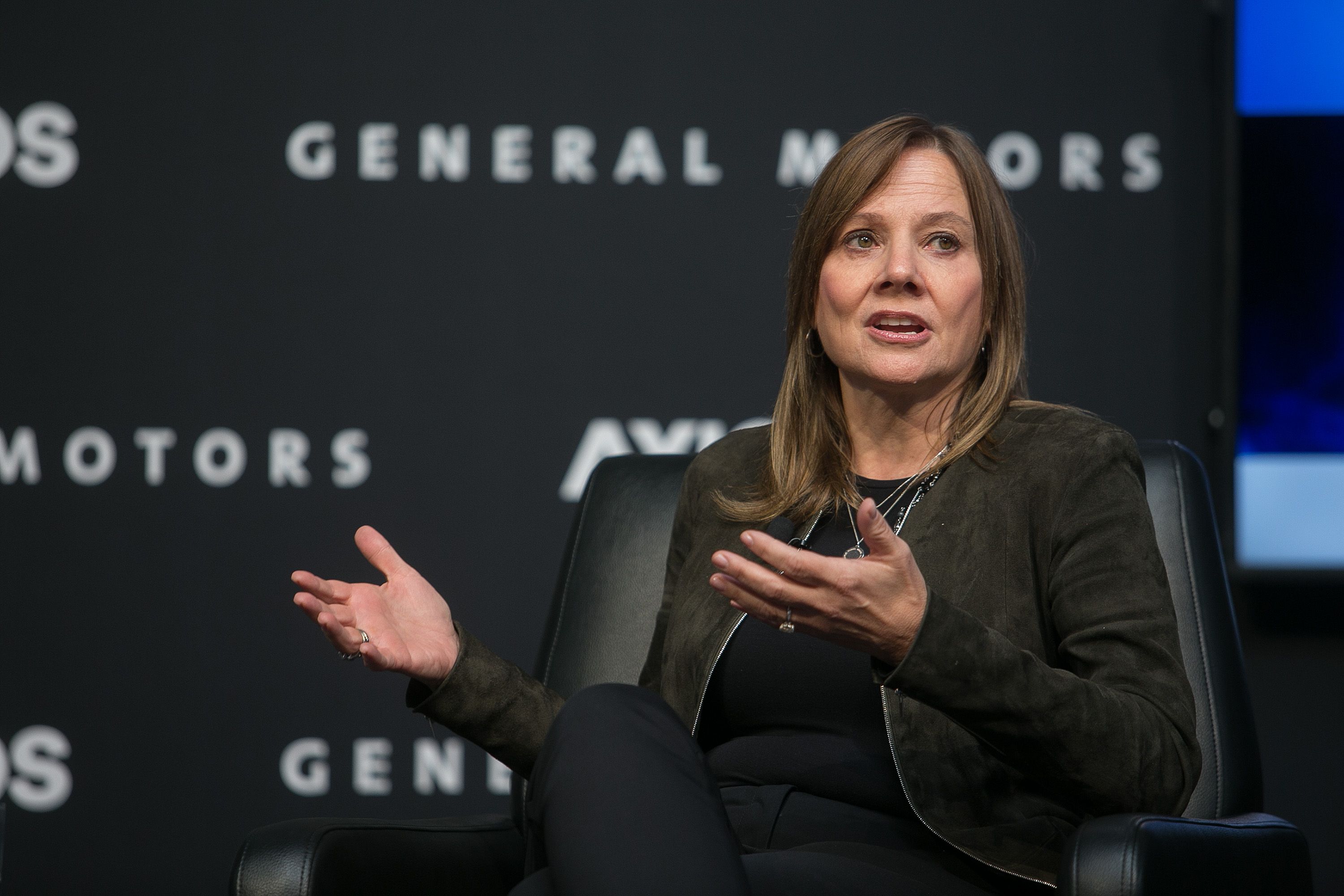
As part of today's transportation revolution, General Motors envisions a world with zero crashes, zero emissions and zero congestion. Barra discussed this vision with Axios Business Editor Dan Primack and GM's path toward achieving it.
- A world with autonomous vehicles. "The technology exists to use AVs to limit crashes due to human error, reduce emissions, and reduce congestion in ways that would be a huge benefit for humanity."
- The future of traffic. "AV technology will lead to a more efficient system, changing the way urban areas come together, opening up more space, particularly with less need for parking, and bringing congestion down."
- The competition. "General Motors is the only company working on autonomous that has all the different components under one roof. A lot of very capable competition is a motivating factor to continue investing aggressively and moving quickly."
NBA All-Star Chris Bosh
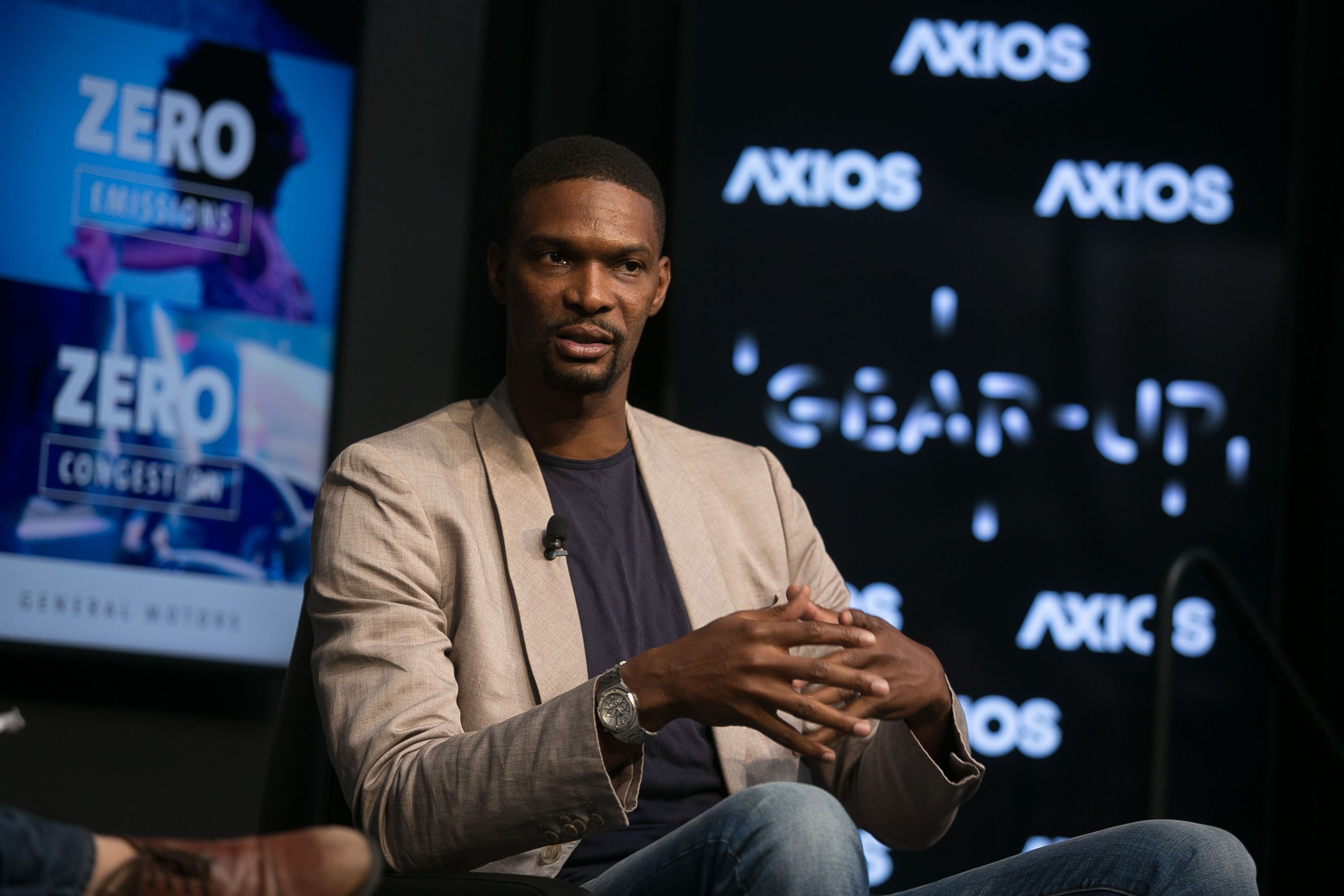
Bosh has always had a passion for tech and innovation. In his interview with Dan Primack, he discussed where his passion came from, how it's affected his investments, and what he hopes for kids growing up today.
- Why he joined his high school's computer graphics clubs. "School was over at 3:45 and practice didn't start until 5 o'clock ... I went to school in an area where there was a lot of trouble. Trouble was right there — all you had to do was walk right across the street. I wasn't interested in that, so I had to do something to take up my time and I just enjoyed it."
- Investing in tech. "Just because [you're investing] in technology doesn’t mean you’re going to automatically double or triple your money in a year. Just because you’re putting your money in something — and you’re famous and cool — it doesn’t mean anything."
- The power of access to information. "I just want kids to be able to know that they can access anything that comes from their imagination and be able to build things from that."
Tusk Ventures Founder and CEO Bradley Tusk
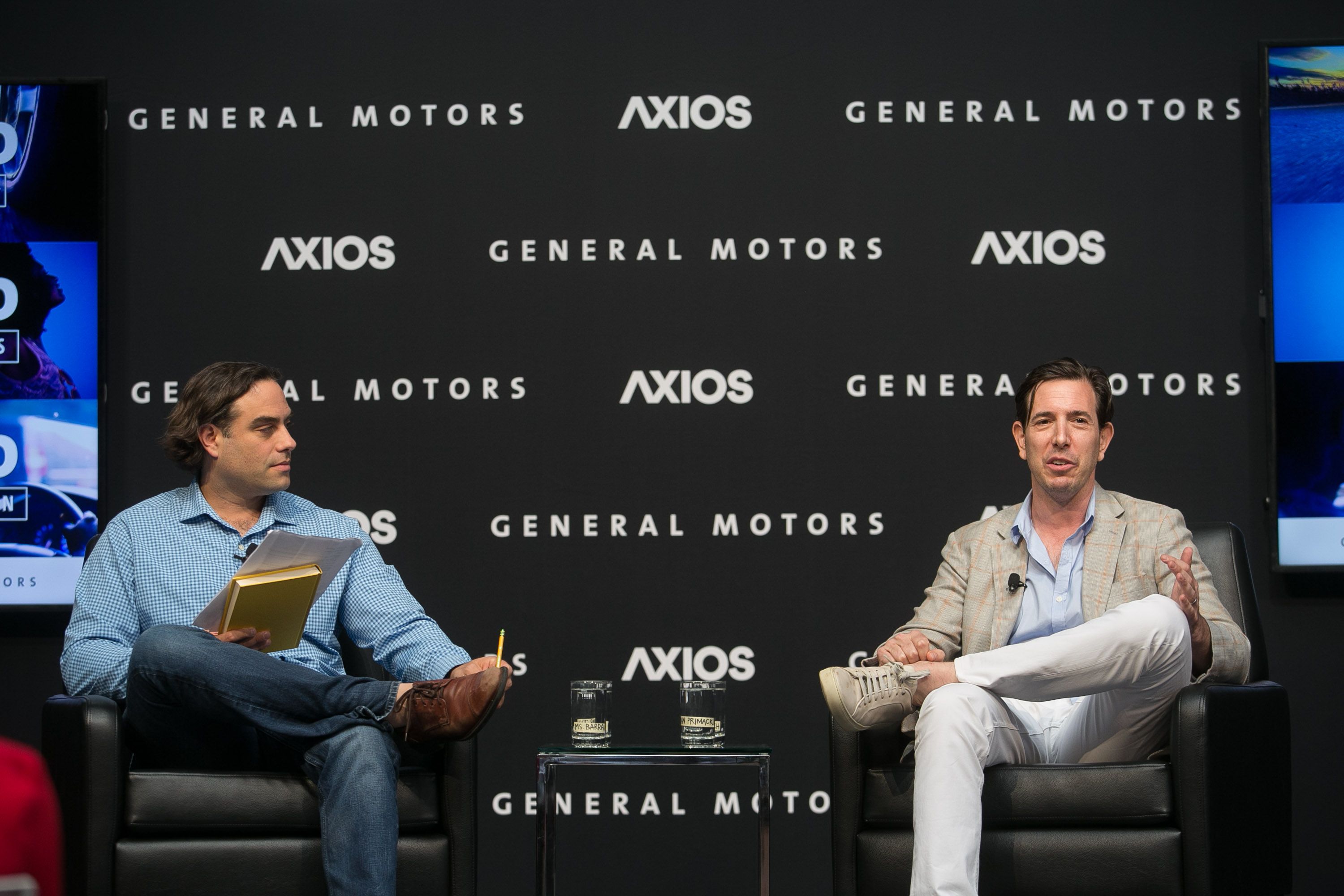
Tusk drew from his knowledge as a venture capitalist and political strategist to discuss breaking into markets, what he won't invest in, and how blockchain could upend politics.
- Breaking into markets. When explaining how and why Uber and Bird—an electric scooter company — broke into regulated markets without asking for permission, he said "If the only way to get into a market is to have to beg for forgiveness, then that's what you do."
- Not investing. Even though Tusk Ventures doesn't shy away from investing in companies in regulated markets, he drew the line at EdTech and recreational drones, saying they "can't work from a regulatory standpoint."
- A potential for blockchain. Tusk explained how blockchain-based voting could mitigate political polarization. It would "allow participation to expand exponentially" by drawing out less-extreme voters to low-turnout elections, which would, in turn, incentivize politicians to take less-extreme stances.
Go Deeper:
- Livestream
- GM CEO Mary Barra calls Tesla "capable" competition
- GM keeping "options open" for autonomous ride-sharing service
Thank you General Motors for sponsoring this event.

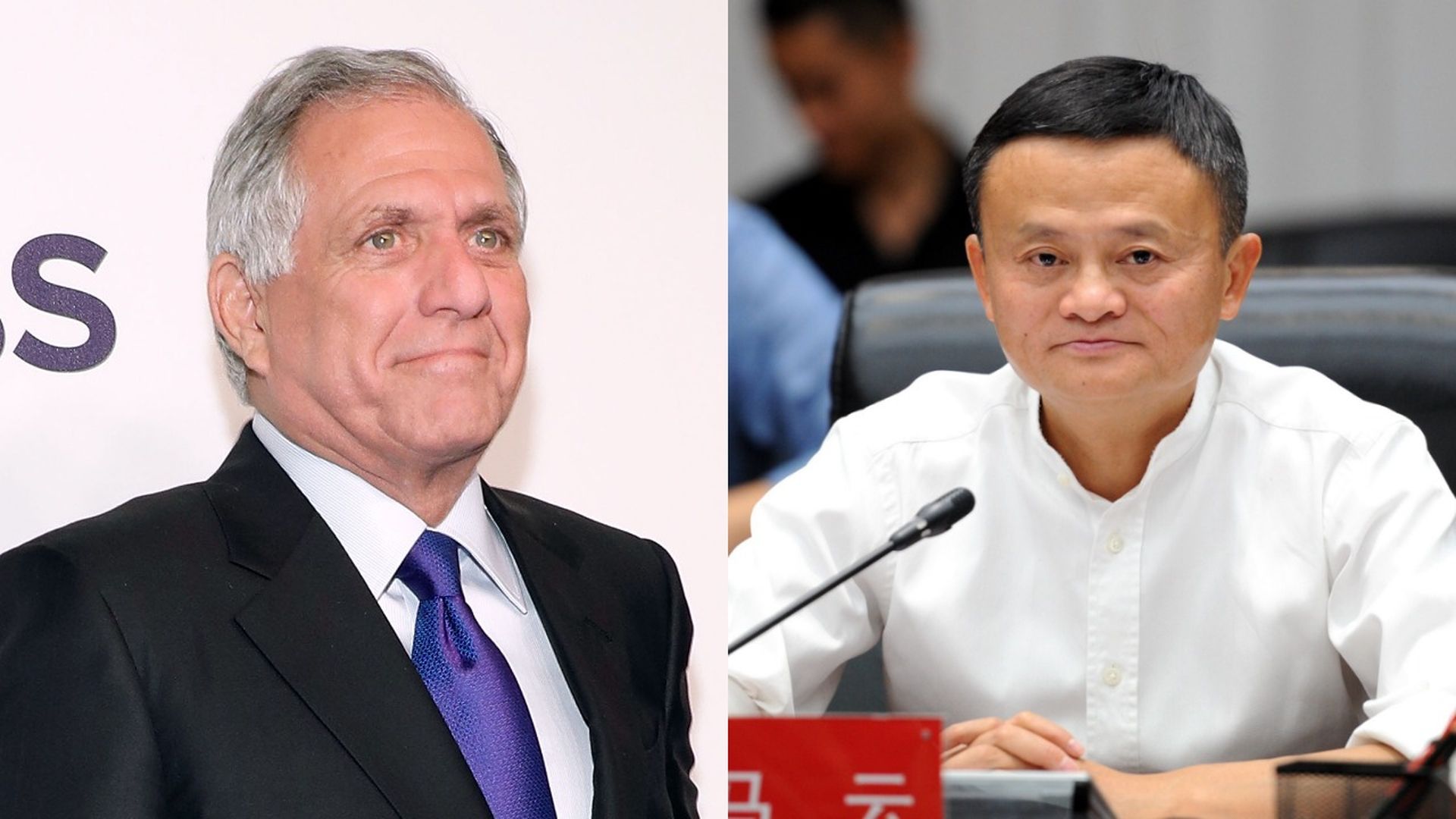
CEO shakeups: The mighty are leaving
It's been a whirlwind weekend for big names leaving big jobs.
The big picture: Major decision-makers at massive companies on both sides of the Pacific are stepping down — for varied reasons and on different timetables. Some, like CBS' Les Moonves, were unexpectedly forced out due to their own indiscretions, while others, like Alibaba's Jack Ma, are stage-managing their own planned departures.

Snap's number two exec to depart
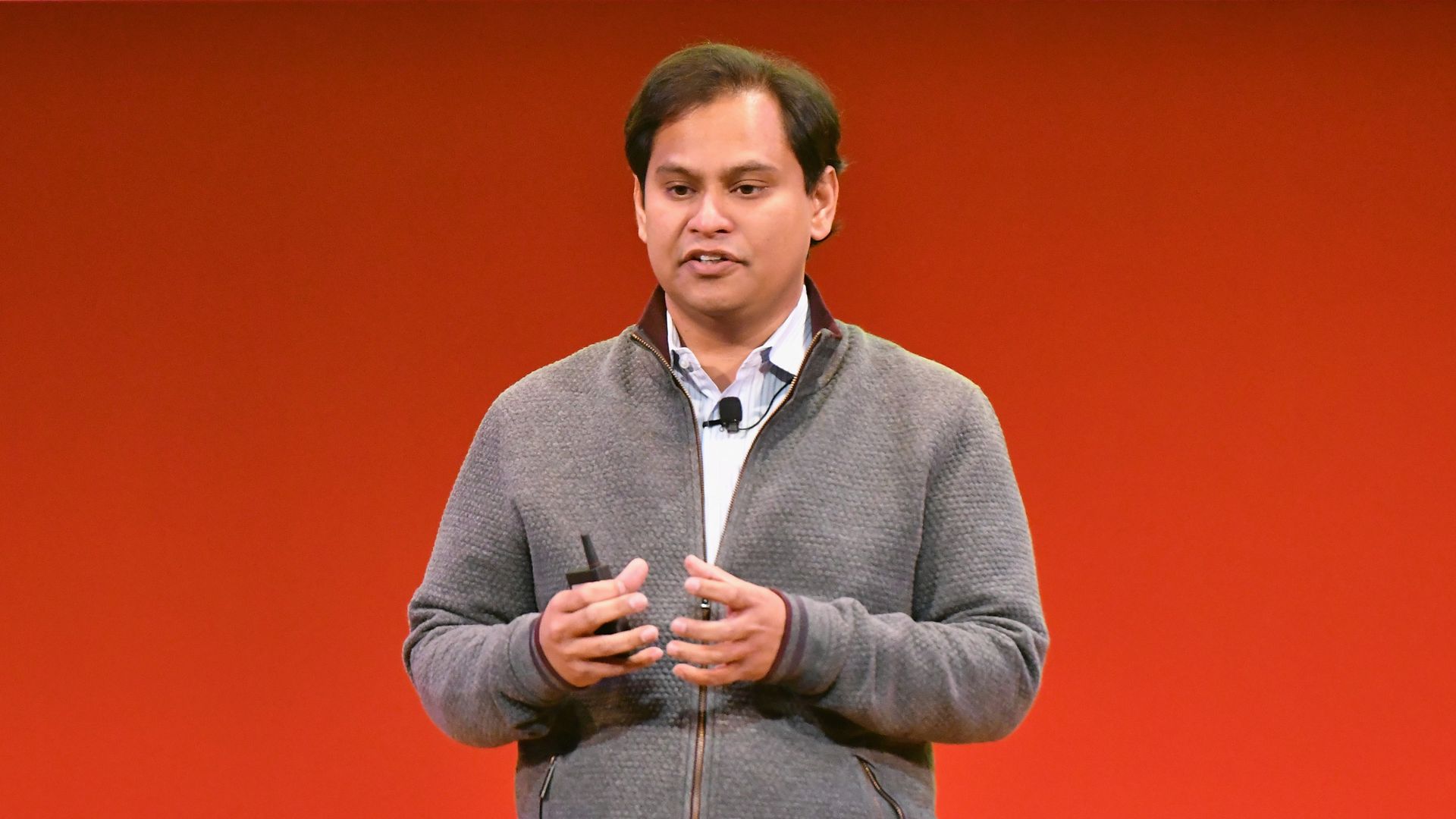
Imran Khan, Snap's chief strategy officer since 2015, is leaving "to pursue other opportunities."
Why it matters: Khan, a former banker who is viewed as CEO Evan Spiegel's right-hand man, is leaving as the company's stock is at an all-time low.

How bad code can make good art
PORTLAND, Ore. — A new generation of artist-programmers, weaned on code and disdainful of discipline boundaries, is starting to offer pointed and frequently hilarious critiques of artificial intelligence and social media — using tech itself as the medium. A dozen of them introduced their work this weekend at the XOXO Festival in Portland.
Why it matters: Tech's biggest problems today developed because the industry tends to apply a pure-engineering mindset to stubbornly organic realms of human behavior — and while these projects don't solve problems themselves, they spark the kind of creative thinking we'll need to do so.

Zuckerberg strains to corral his baby
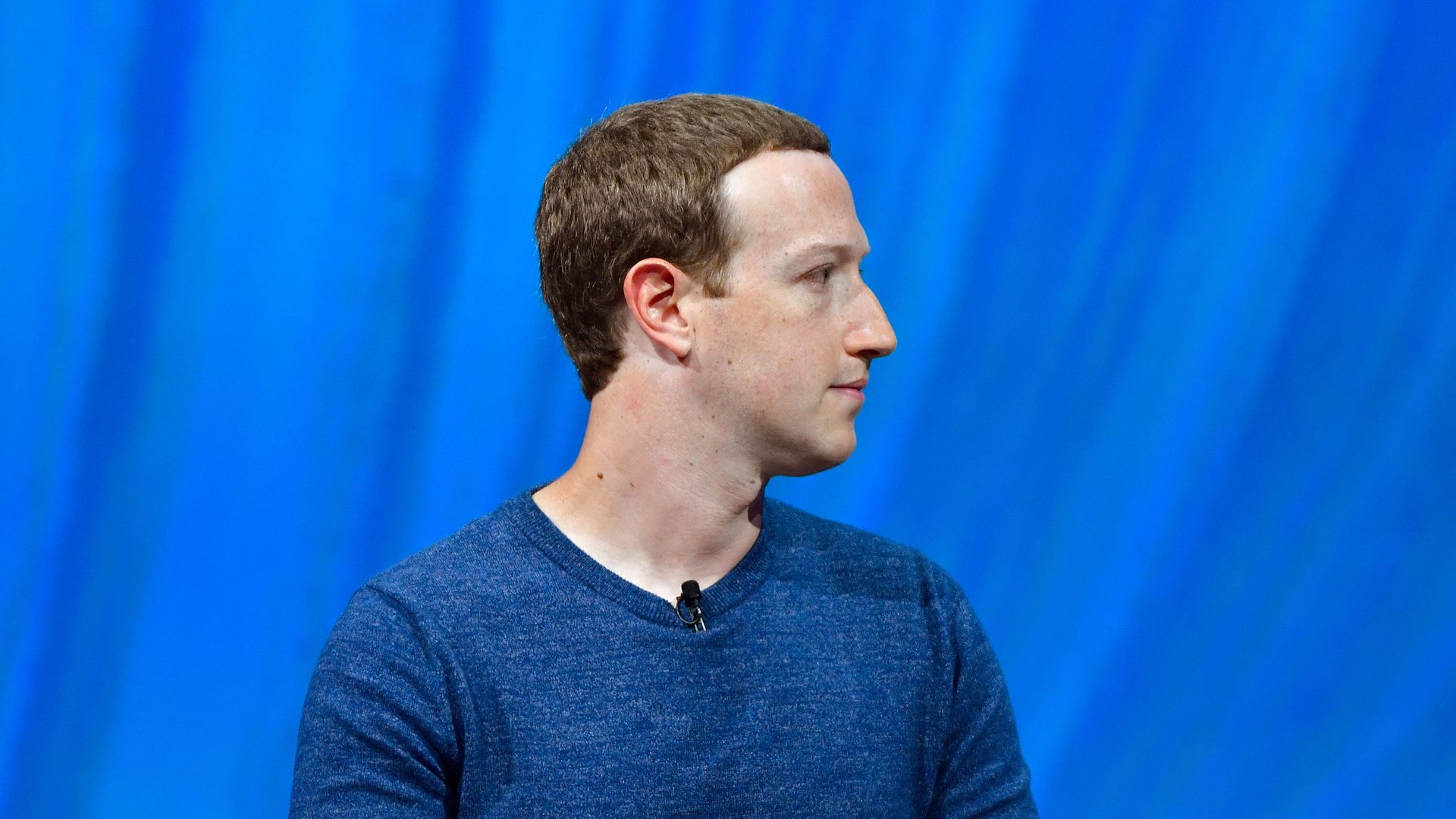
As Facebook grew, Mark Zuckerberg and his executives adopted a core belief, Evan Osnos writes in The New Yorker after spending hours with Zuckerberg: "[E]ven if people criticized your decisions, they would eventually come around."
The big picture: For years, that was true. And Facebook reveled in its power: "Zuckerberg was convinced that he was ahead of his users, not at odds with them." It no longer is, of course, as Facebook faces blowback from users and government around the world: "As Facebook expanded, so did its blind spots."