Since 2016, we've learned in drip-drip-drip revelations how our social media giants, especially Facebook, have made us disconnected — divided, discordant, isolated into like-minded silos, and manipulated by hackers working for the Kremlin.
Why it matters: For many years, becoming "connected" has been the zeitgeist — to long-lost family, friends, whole new communities, potential business partners at home and abroad, perhaps a romantic interest.
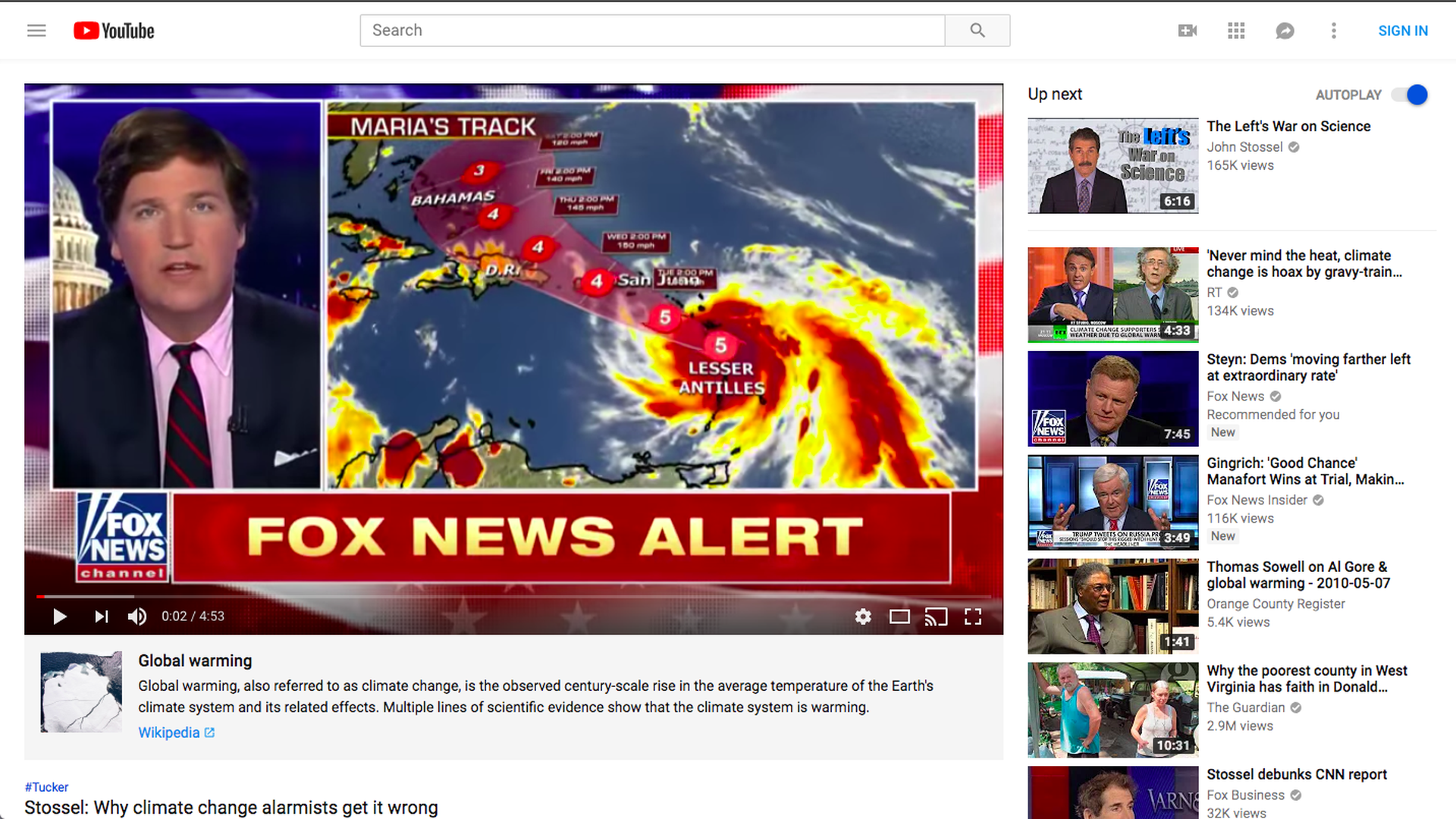
Viewers who click on YouTube videos about climate change, climate science and global warming may now see a small pop-up at the bottom of their videos providing facts on the issue at hand, as reported by Zahra Hirji at Buzzfeed News.
Why it matters: YouTube does not make the full list of conspiracies that it wishes to mediate with third-party information publicly available, but Buzzfeed News' reporting shows that climate-related hoaxes are part of that set.
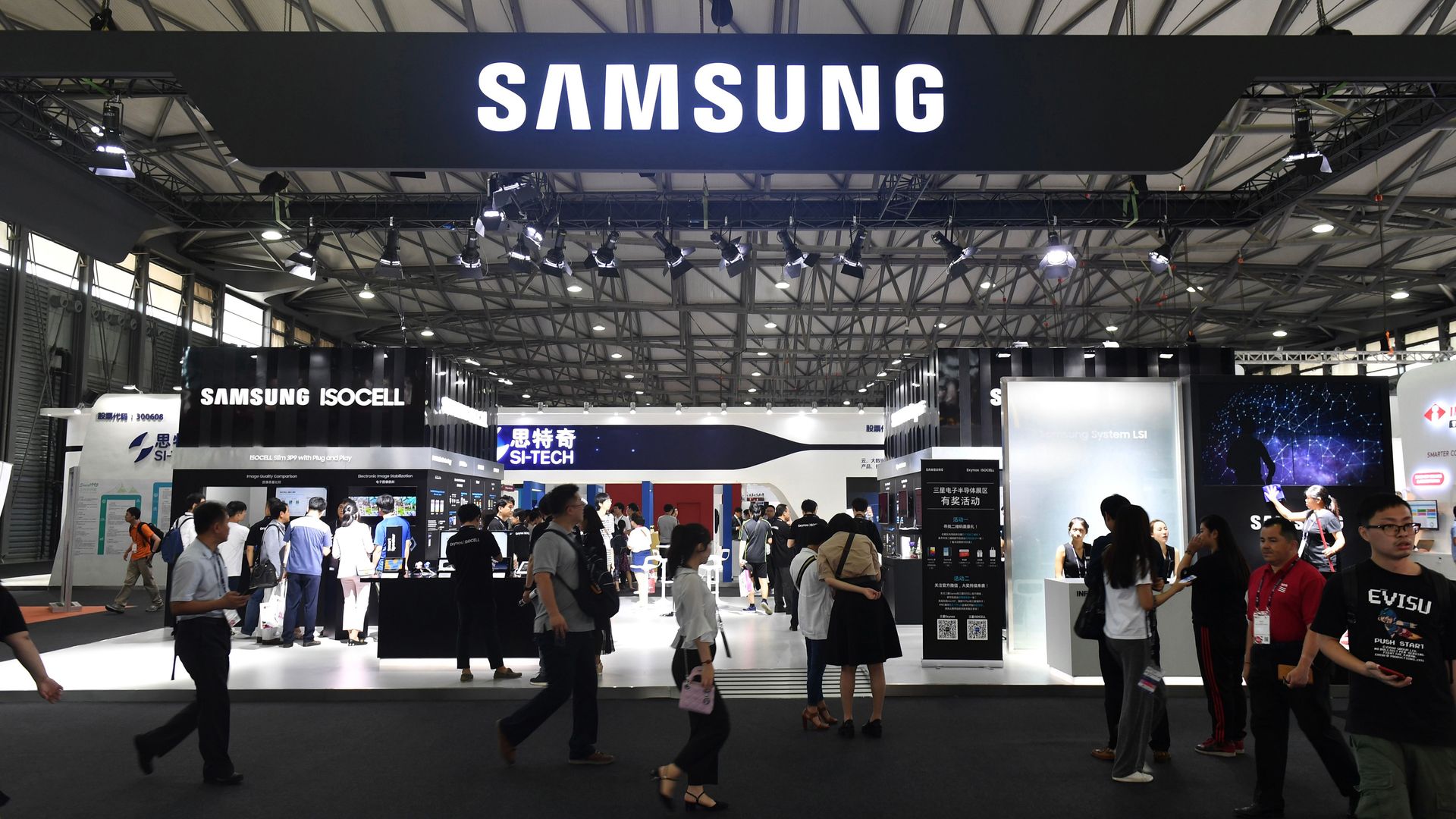
Samsung Electronics announced it will invest $22 billion into artificial intelligence, 5G cellular technology and auto tech through 2021, per The Wall Street Journal.
Why it matters: With the move, the company is set to move beyond its traditional consumer electronics base by strategically turning its gaze to the technologies of the future, creating 40,000 jobs in the process.
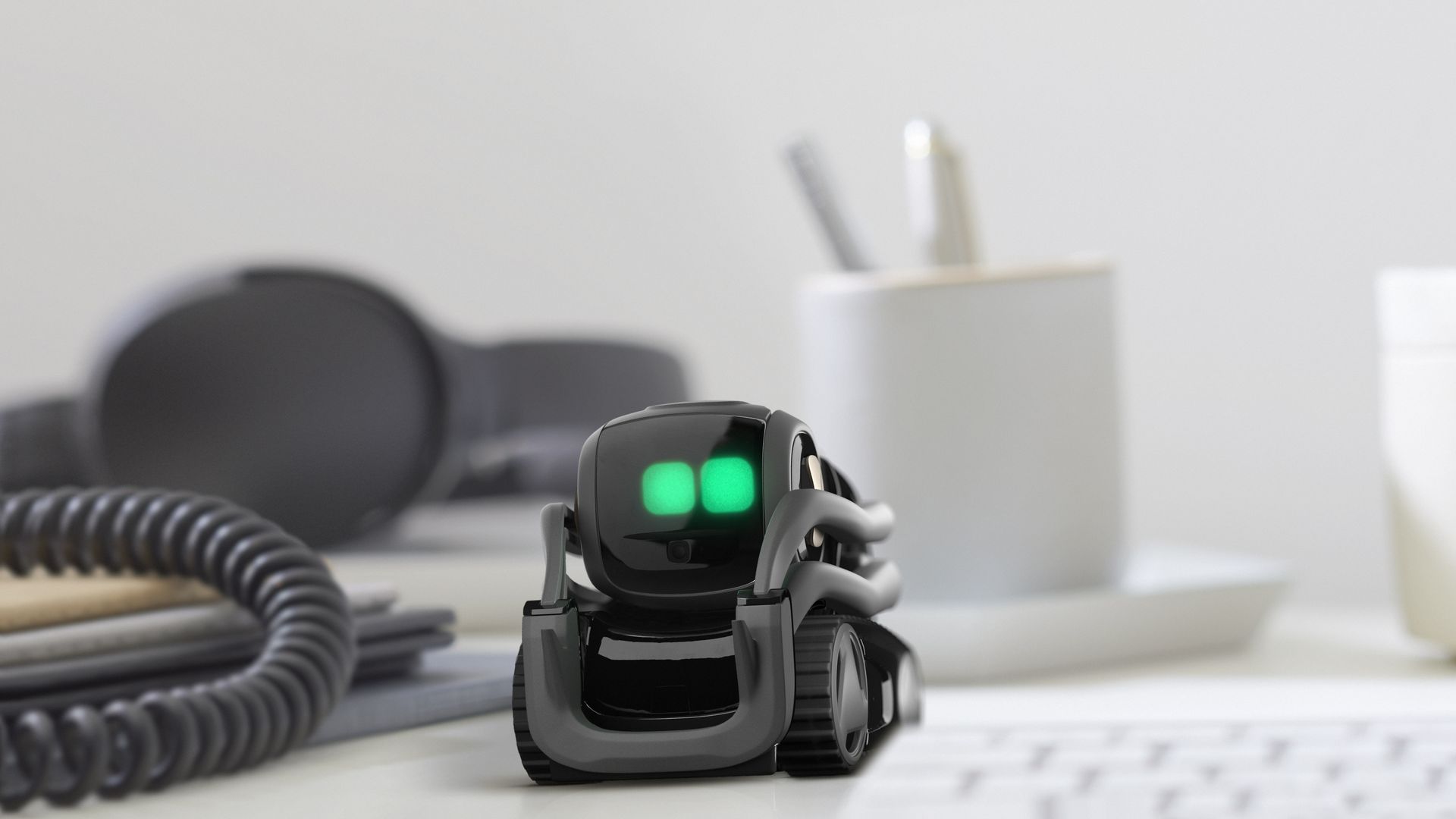
Anki, known for its Overdrive iPhone-controlled race cars and Cozmo robot, is launching a third product called Vector. It's like Cozmo's older brother — capable of running on its own without a smartphone and able to find its own way to a charger.
Why it matters: Anki has bigger ambitions than most people realize, but believes the key to building Rosie from "The Jetsons" is to start small and get better over time.
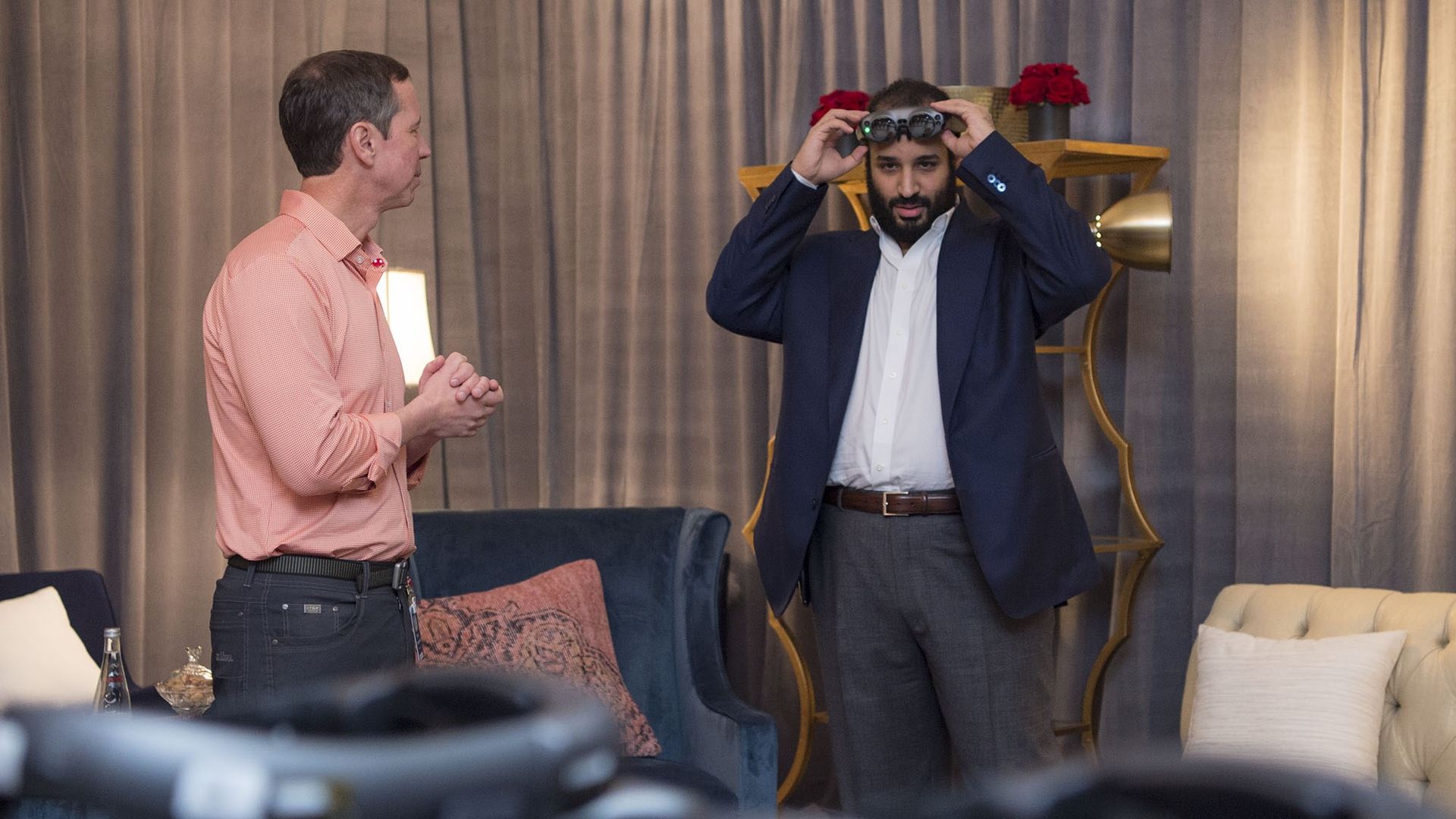
Magic Leap, the secretive virtual reality company, announced the launch of its long-awaited first commercial product on Wednesday.
The details: Priced at $2,295, the Magic Leap One Creator Edition is an augmented reality headset that "brings digital content to life here in the real world with us," per the company's press release, by superimposing computer-generated effects over the user's surroundings.
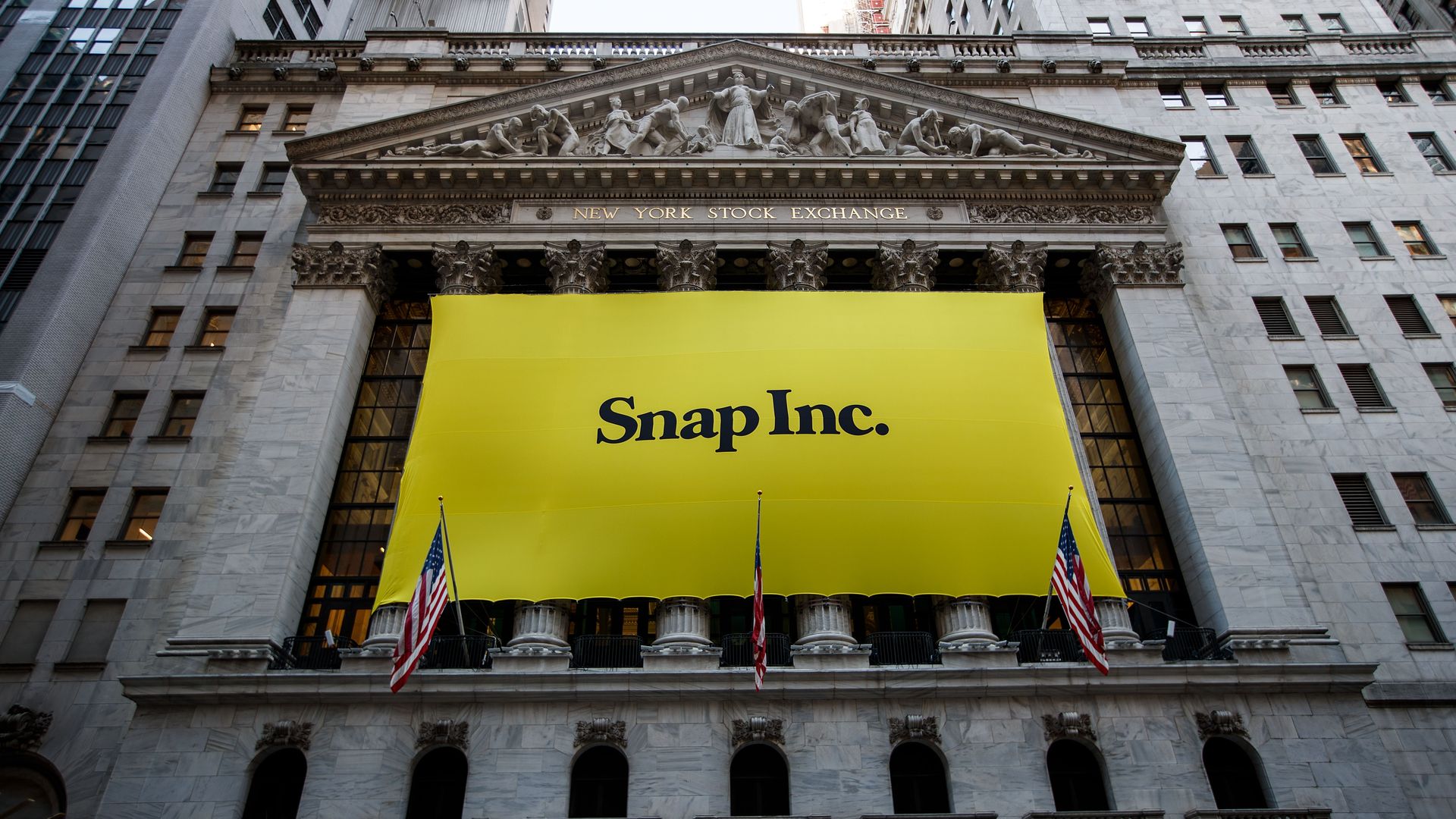
Tuesday was a roller coaster day for Snap, which posted quarterly earnings with mixed results and revealed that Saudi Prince Al-Waleed bin Talal has made a $250 million investment in the company.
Bottom line: The company is making efforts to show a more stable and growing business despite an app redesign that didn't go as well as planned, and user growth that declined for the first time.
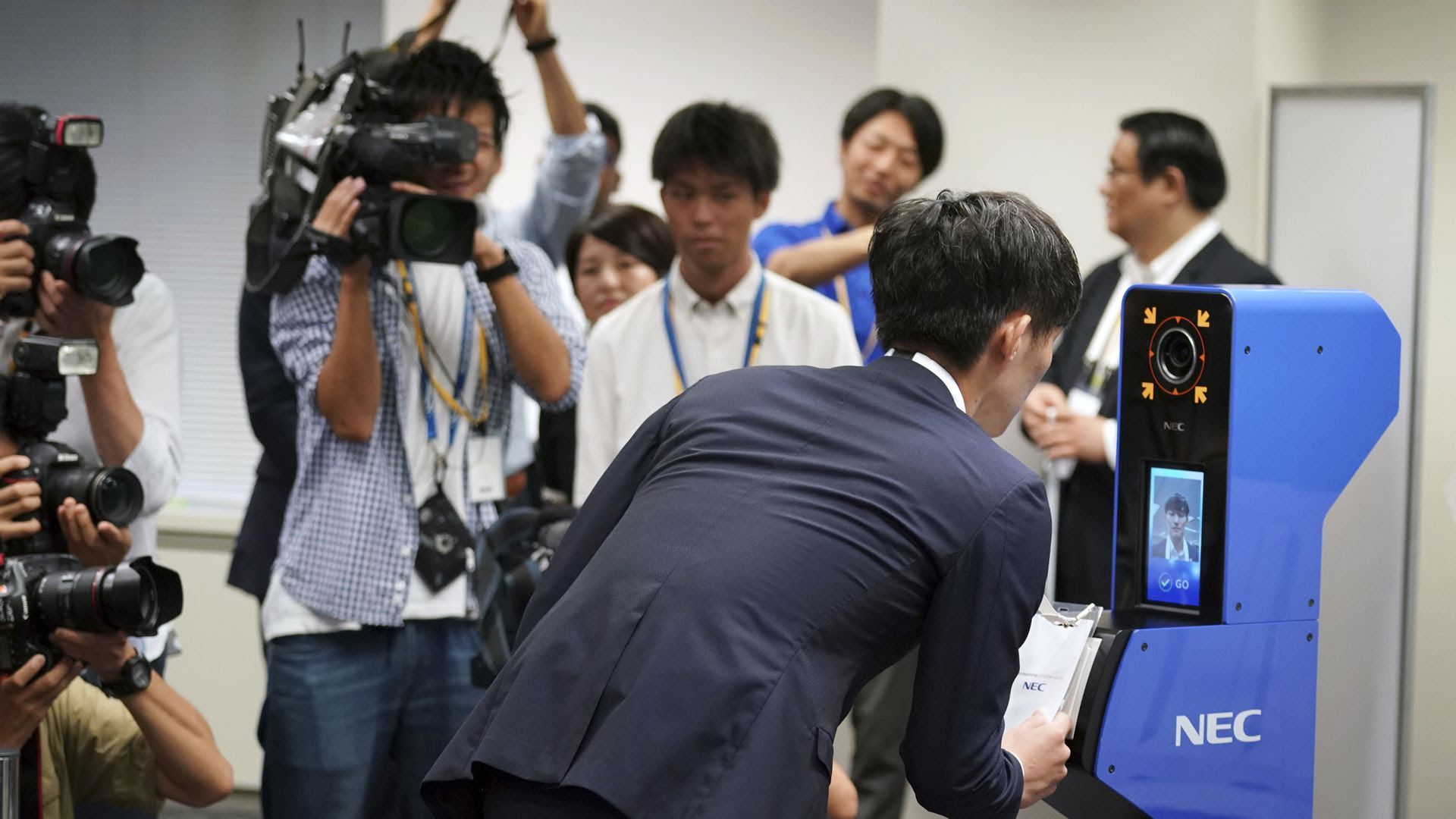
Your face is increasingly serving as your password, whether for boarding on some international flights, clearing a security line for an entertainment event or opening your iPhone X.
Why it matters: The privacy tradeoffs for this added convenience and security will be a major issue for companies and governments.
Snapchat reported Tuesday that it lost over 3 million daily active users in the second quarter of 2018, the first time the company has ever reported a loss in its user base.
Why it matters: The company blames its very controversial redesign earlier this year for the drop.
Lior Ron, who co-founded Otto, the controversial self-driving truck company Uber acquired two years ago, is back after leaving in March to lead Uber Freight — which will now be a standalone unit and not include autonomous driving development.
Why it matters: Uber spent a year in court over Waymo's allegations that Ron and his co-founder plotted with Uber to steal its trade secrets. Now, Ron's return makes clear that Uber sees trucking as a huge business opportunity.
43% of Republicans — compared to 21% of independents and 12% of Democrats — believe that "the president should have the authority to close news outlets engaged in bad behavior," according to a new Ipsos poll provided to The Daily Beast.
The big picture: The results starkly illustrate a growing partisan divide in support for press freedom and faith in fair reporting, but still suggests that measurable skepticism about the media's motives exists on all sides of the political spectrum.
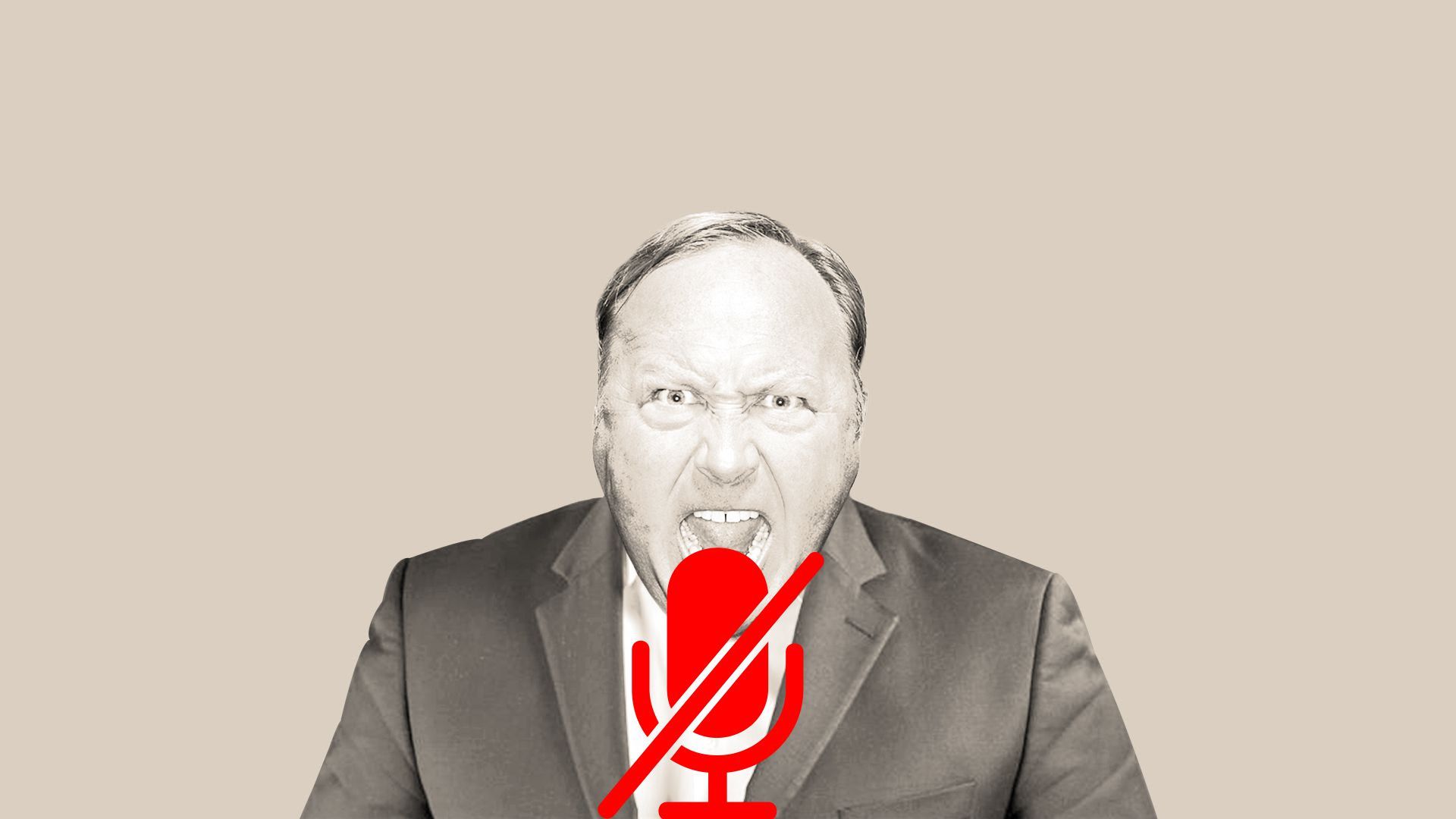
In less than a week, Spotify, Stitcher, Apple, Facebook, YouTube, LinkedIn and Pinterest have all taken action to either ban or crack down on InfoWars and its conspiratorial leader Alex Jones. The only platform exception so far has been Twitter, which says Jones has not violated its policies.
Why it matters: The sudden and collective boycott of Alex Jones is a significant tipping point for Big Tech, where values of openness and inclusivity have been tested for years by conspiracy theorists and bad actors.
Google — and its products like YouTube and Waze — combined to account for 34.2% of all time on digital media in June, according to Pivotal Research analyst Brian Wieser.
The details: Pivotal found that as Google increases its foothold into America's daily routines, Facebook is seeing declines in time spent at a faster rate than before.
Indian ride-hailing company Ola will begin operating in the U.K. within the next month, starting with South Wales and Greater Manchester, it said on Tuesday. It hopes to roll out to the rest of the U.K. by the end of the year.
Why it matters: This expansion will pit the company even more aggressively against Uber, which it's been competing with in its native India. Earlier this year, it also began taking on Uber in Australia.
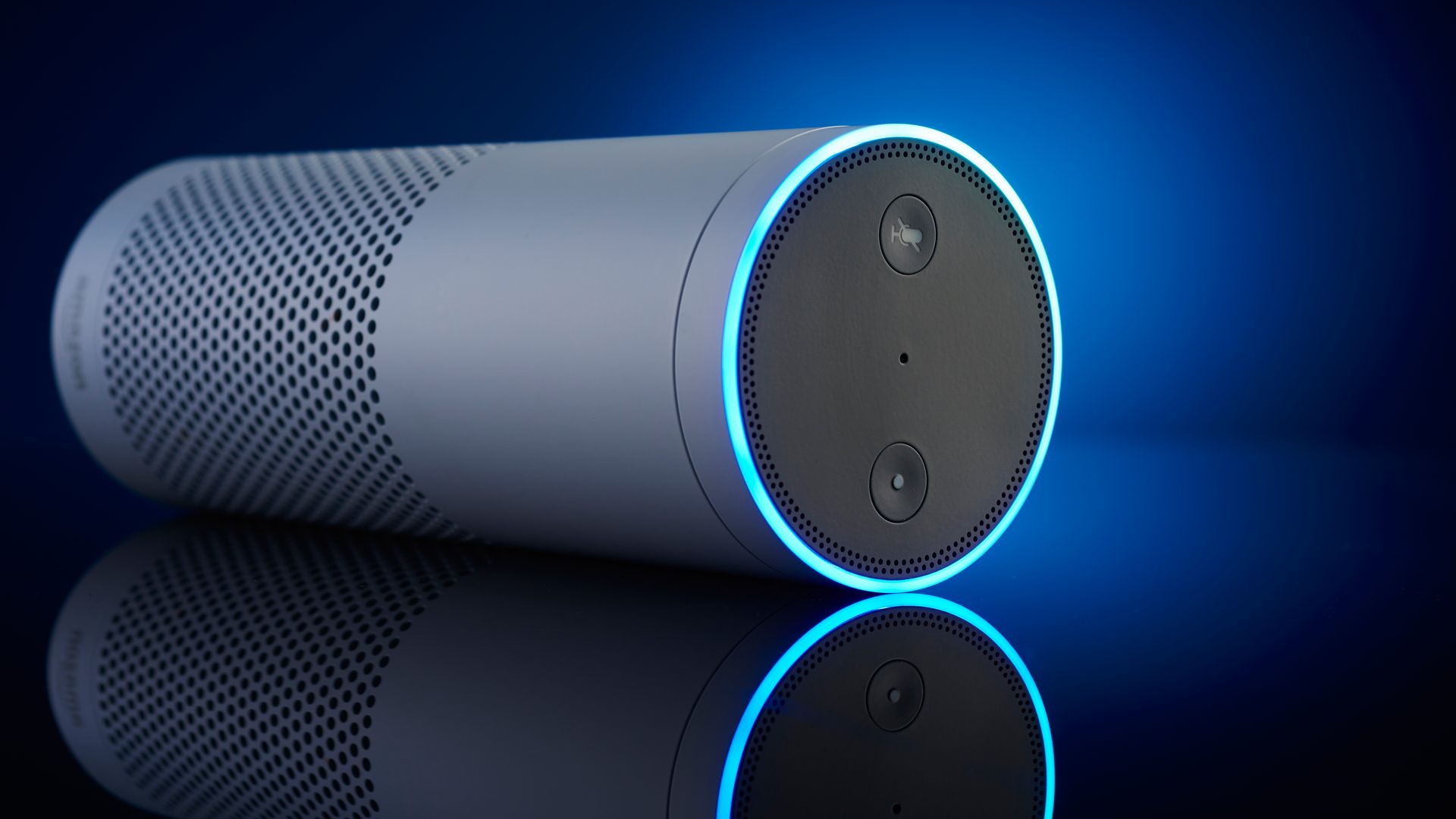
Amazon is leaning into Alexa and betting that voice ordering is the next big retail trend — but declining market share against Google Home and Chinese competitors as well as a rare leak of Alexa numbers suggest it's struggling to make headway.
The bottom line: Fewer than 2% of Amazon Alexa users have used Alexa to buy something in 2018, the Information reports, citing company sources. That number is even lower for repeat users, with just 10% of those purchasers buying something else.