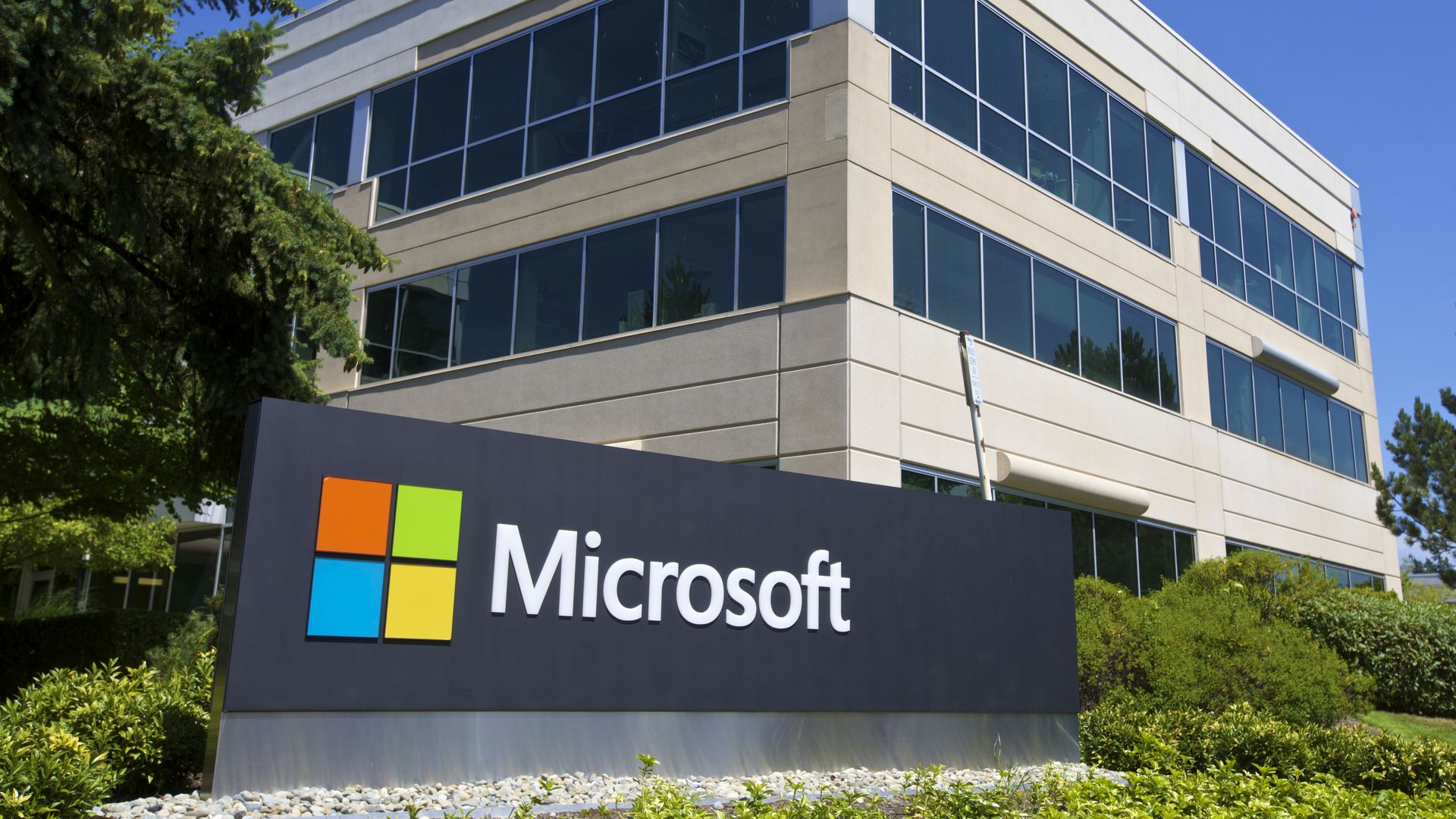
The founder of Gab, a social network favored by some on the far right, said it had deleted two anti-Semitic posts from a user after Microsoft told it Thursday that failure to do so would imperil its ability to continue to be hosted by the giant's Azure cloud service.
The big picture: Online platforms like Facebook and YouTube have faced a slew of controversies over removing users who engage in hate speech. But the hosts and service providers for individual websites and software systems can crack down, too.
Oracle this week challenged the Department of Defense’s decision to award a major, $10-billion cloud computing contract to just one company as "anti-competitive," according to a 40-page challenge document obtained by Axios and originally reported by The Washington Post.
Why it matters: Several industry leaders have expressed concerns that the proposal is written to favor Amazon. Oracle has already been vocal about its concerns with this contracting process this year.
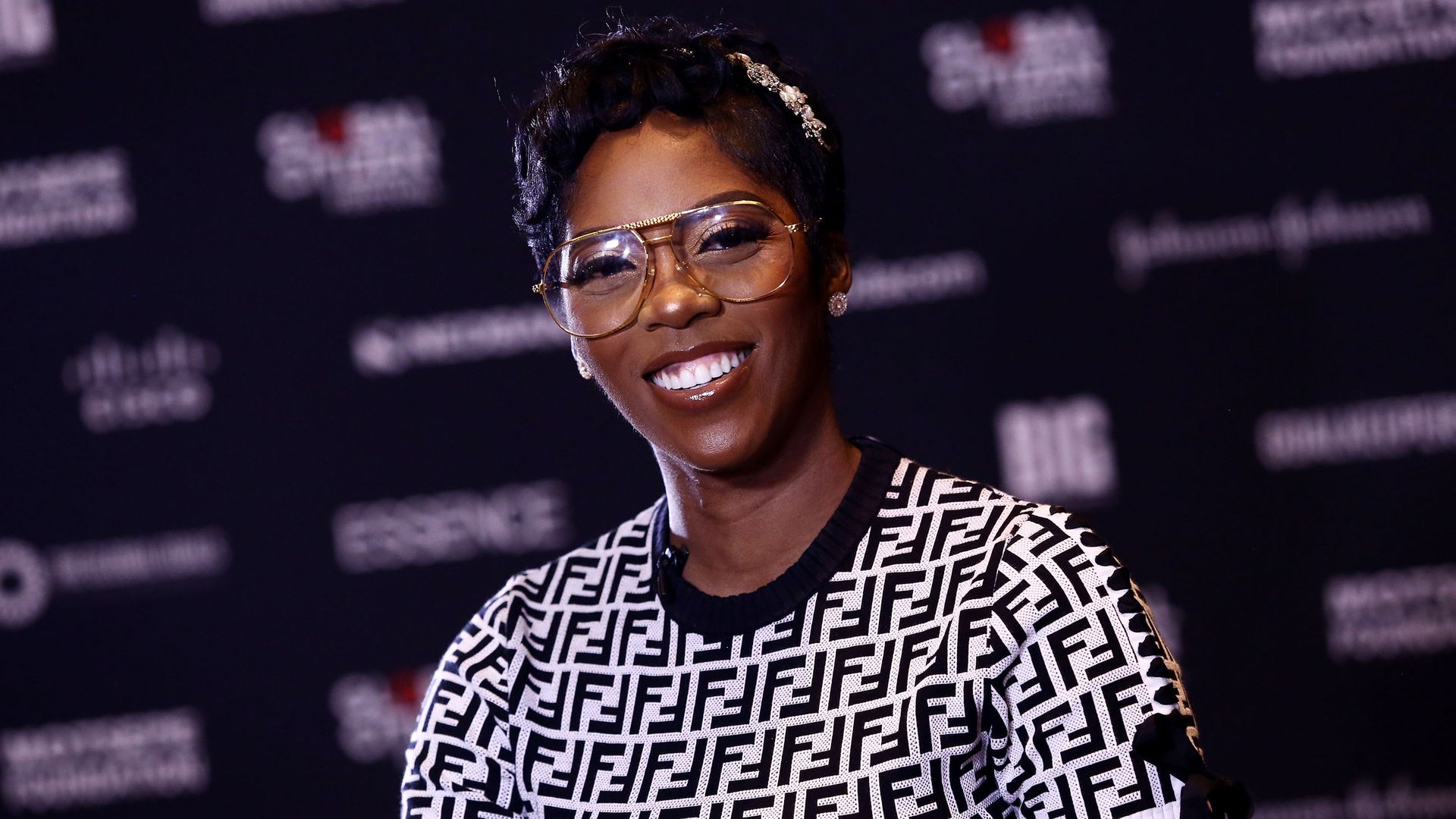
Los Angeles–based Universal Music Group, the world’s biggest music company, opened a new office in Nigeria in July, in the hopes that the next "Despacito" might come from Africa. Since January, Universal also acquired a Kenyan record label and expanded its live music business, while Spotify launched in South Africa in March.
The big picture: Africa is the youngest continent in the world, with 70% of people under the age of 30, and Nigeria is the most populous nation on the continent with a population of 180 million. Using social media, from YouTube to Twitter, African musicians are gaining continental and global recognition. Industry giants are taking notice.
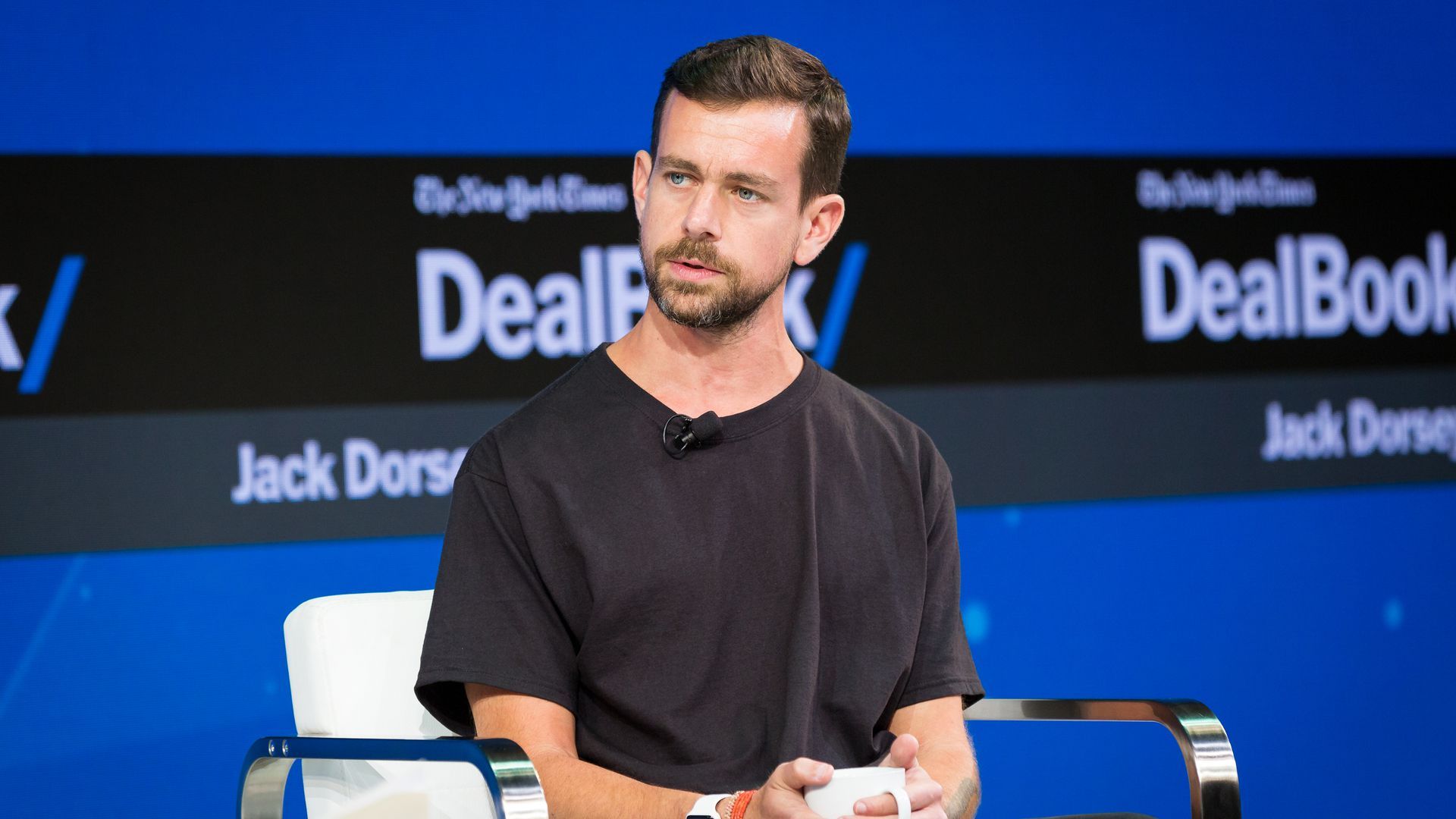
Dan is joined by Uber executive Josh Gold to talk about how New York City just voted to limit the number of ride-hail vehicles and enforce a minimum wage for drivers. Dan also talks about how Twitter CEO Jack Dorsey is trying to address the controversy surrounding Alex Jones, and the failure of a big media merger.
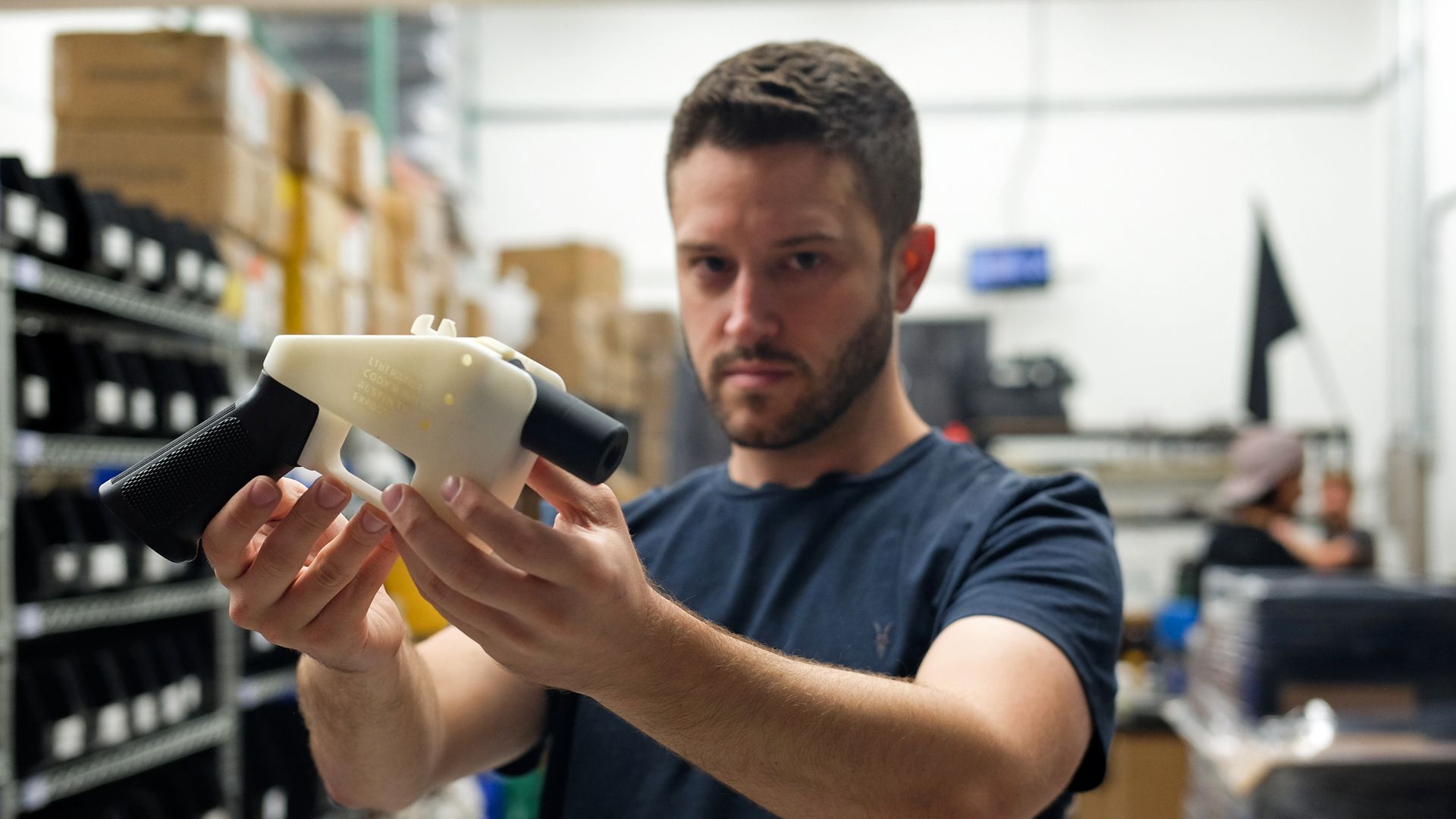
Facebook is banning websites that host downloadable files for 3D-printed guns from its platform, BuzzFeed News reports.
Why it matters: A government settlement from earlier this year was poised to allow 3D-printed guns to be available for download beginning August 1, before a federal judge halted the decision with a temporary restraining order. At least 19 states are currently suing the Trump administration to permanently prevent the settlement from taking effect.
Twitter CEO Jack Dorsey will be making more stops on his media tour amid the Alex Jones controversy and is planning to speak with NBC's Lester Holt on Nightly News next week and CNN's Brian Stelter on Reliable Sources next Sunday, according to sources familiar with the sit-downs.
Why it matters: Twitter is being criticized for appealing to the right by doing a radio interview with Fox News' Sean Hannity on Wednesday, but Dorsey's charm offensive is about to go wider.
Since 2016, we've learned in drip-drip-drip revelations how our social media giants, especially Facebook, have made us disconnected — divided, discordant, isolated into like-minded silos, and manipulated by hackers working for the Kremlin.
Why it matters: For many years, becoming "connected" has been the zeitgeist — to long-lost family, friends, whole new communities, potential business partners at home and abroad, perhaps a romantic interest.
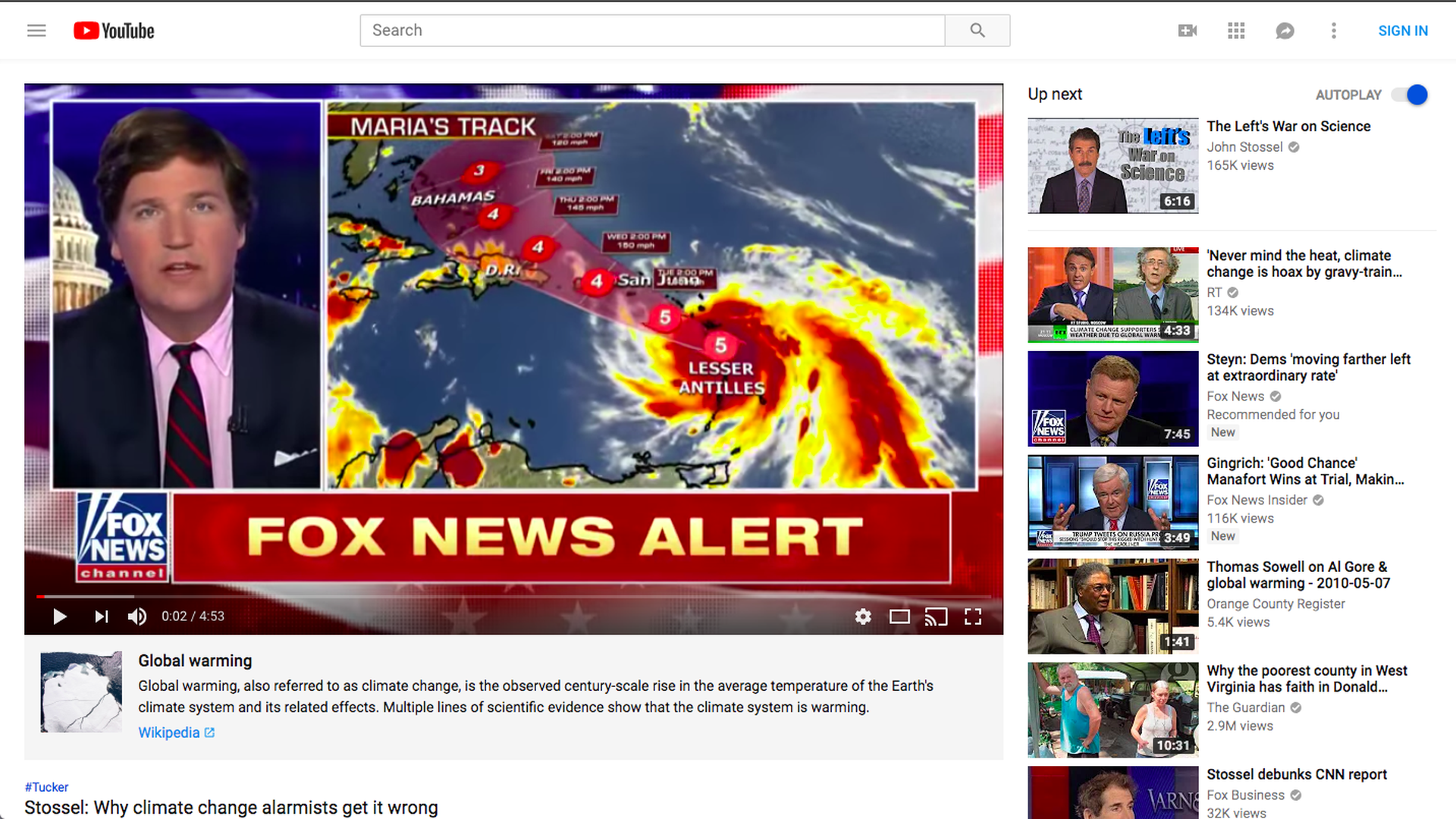
Viewers who click on YouTube videos about climate change, climate science and global warming may now see a small pop-up at the bottom of their videos providing facts on the issue at hand, as reported by Zahra Hirji at Buzzfeed News.
Why it matters: YouTube does not make the full list of conspiracies that it wishes to mediate with third-party information publicly available, but Buzzfeed News' reporting shows that climate-related hoaxes are part of that set.
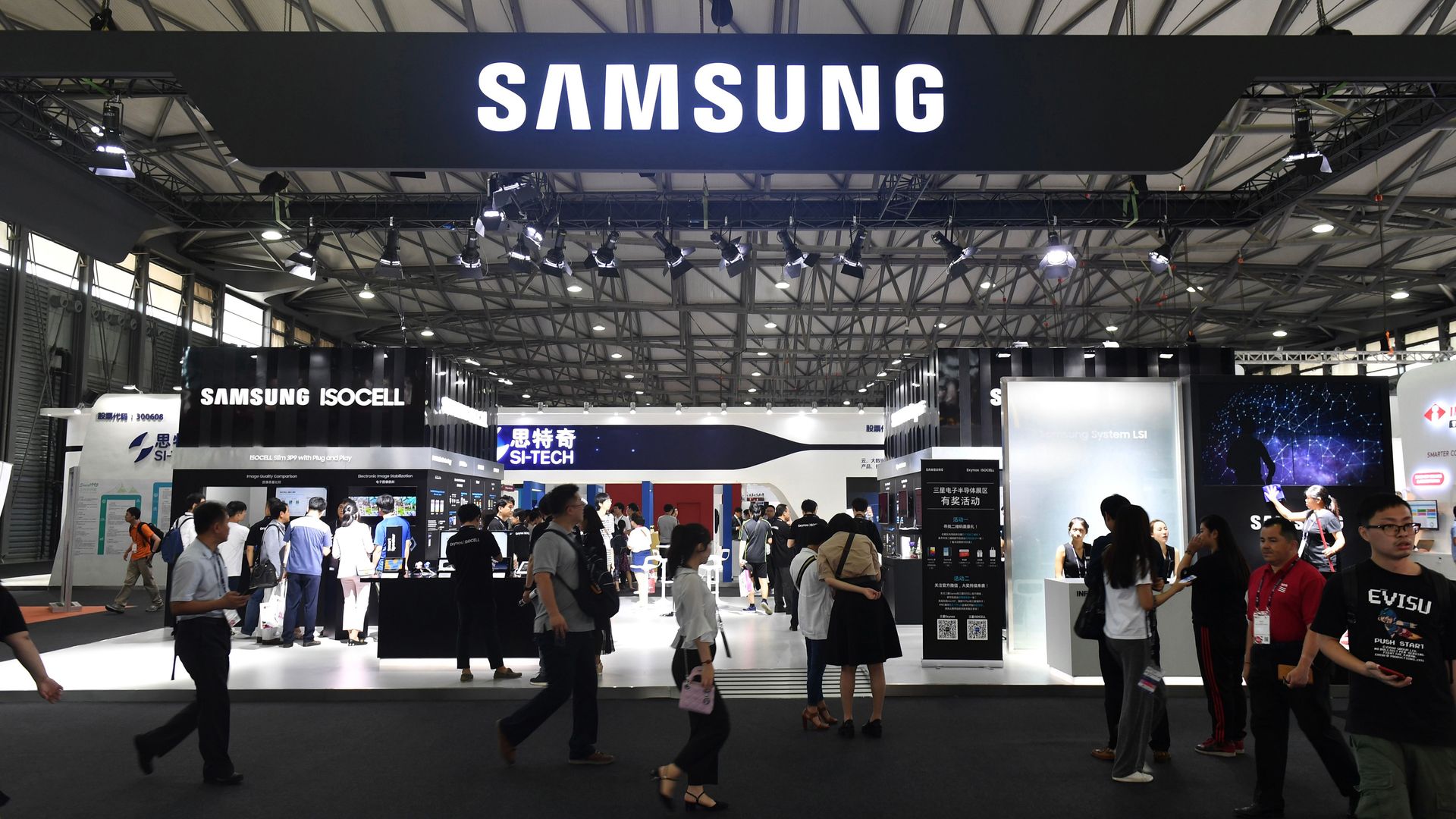
Samsung Electronics announced it will invest $22 billion into artificial intelligence, 5G cellular technology and auto tech through 2021, per The Wall Street Journal.
Why it matters: With the move, the company is set to move beyond its traditional consumer electronics base by strategically turning its gaze to the technologies of the future, creating 40,000 jobs in the process.
Anki, known for its Overdrive iPhone-controlled race cars and Cozmo robot, is launching a third product called Vector. It's like Cozmo's older brother — capable of running on its own without a smartphone and able to find its own way to a charger.
Why it matters: Anki has bigger ambitions than most people realize, but believes the key to building Rosie from "The Jetsons" is to start small and get better over time.
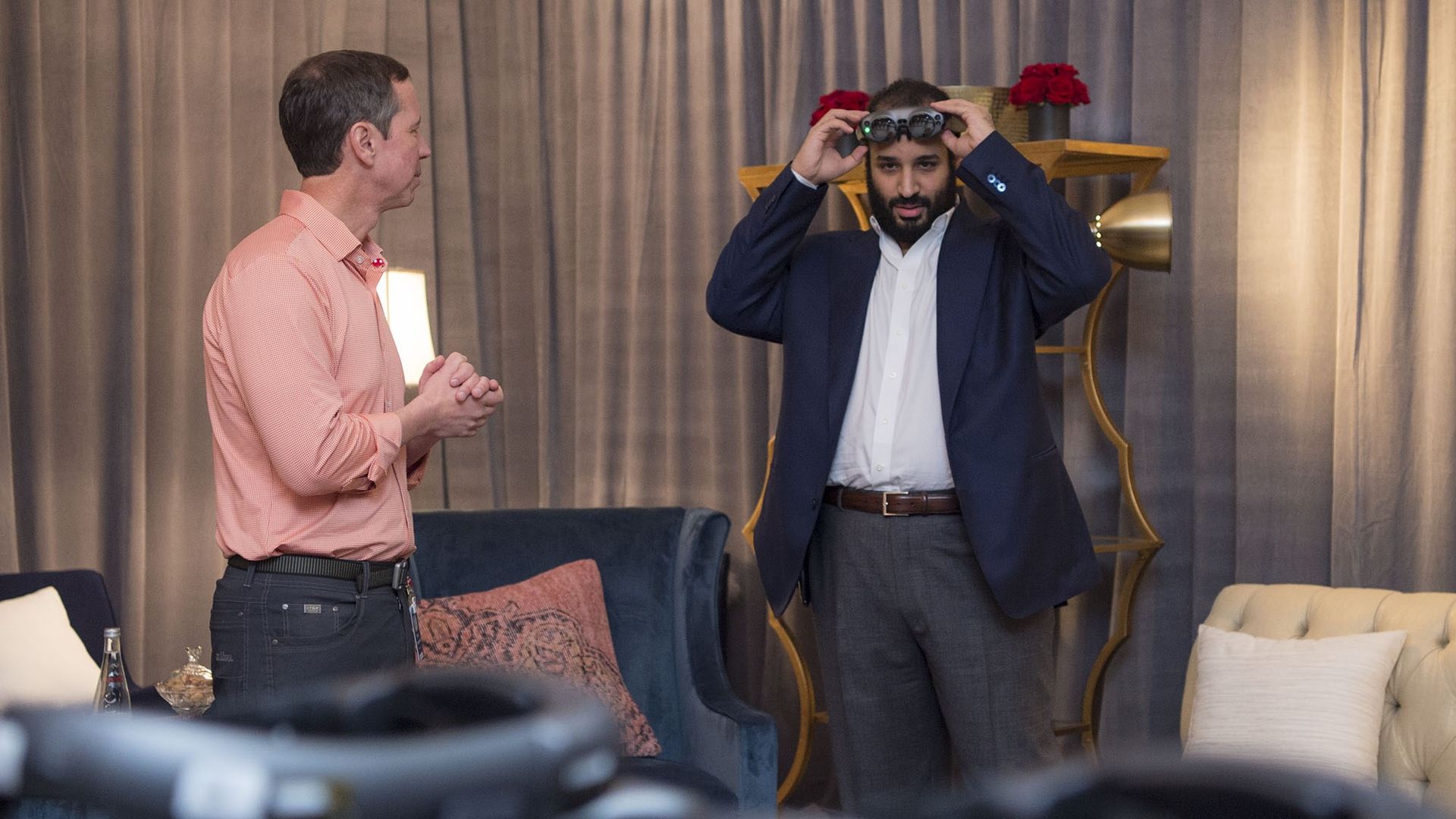
Magic Leap, the secretive virtual reality company, announced the launch of its long-awaited first commercial product on Wednesday.
The details: Priced at $2,295, the Magic Leap One Creator Edition is an augmented reality headset that "brings digital content to life here in the real world with us," per the company's press release, by superimposing computer-generated effects over the user's surroundings.
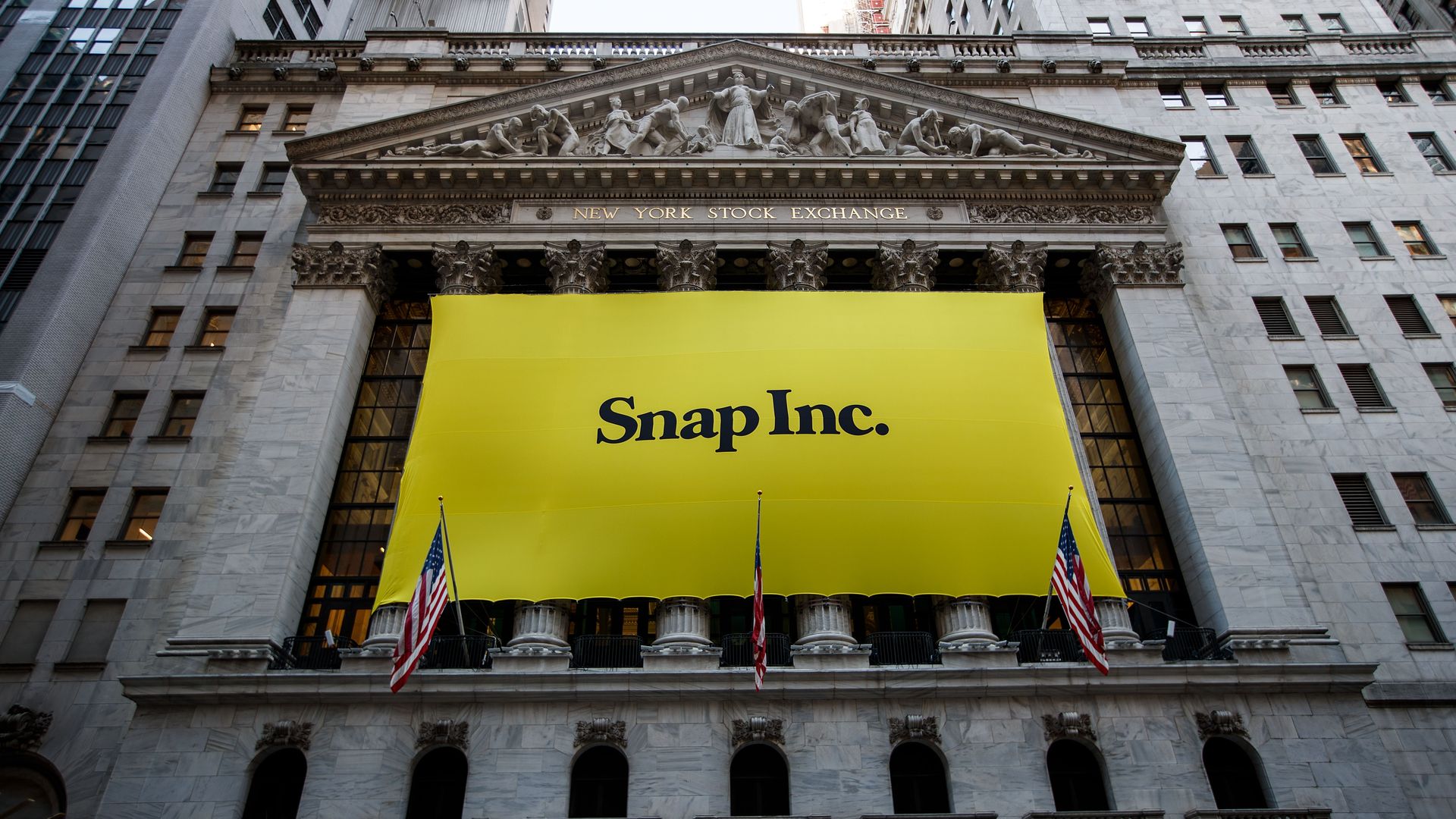
Tuesday was a roller coaster day for Snap, which posted quarterly earnings with mixed results and revealed that Saudi Prince Al-Waleed bin Talal has made a $250 million investment in the company.
Bottom line: The company is making efforts to show a more stable and growing business despite an app redesign that didn't go as well as planned, and user growth that declined for the first time.