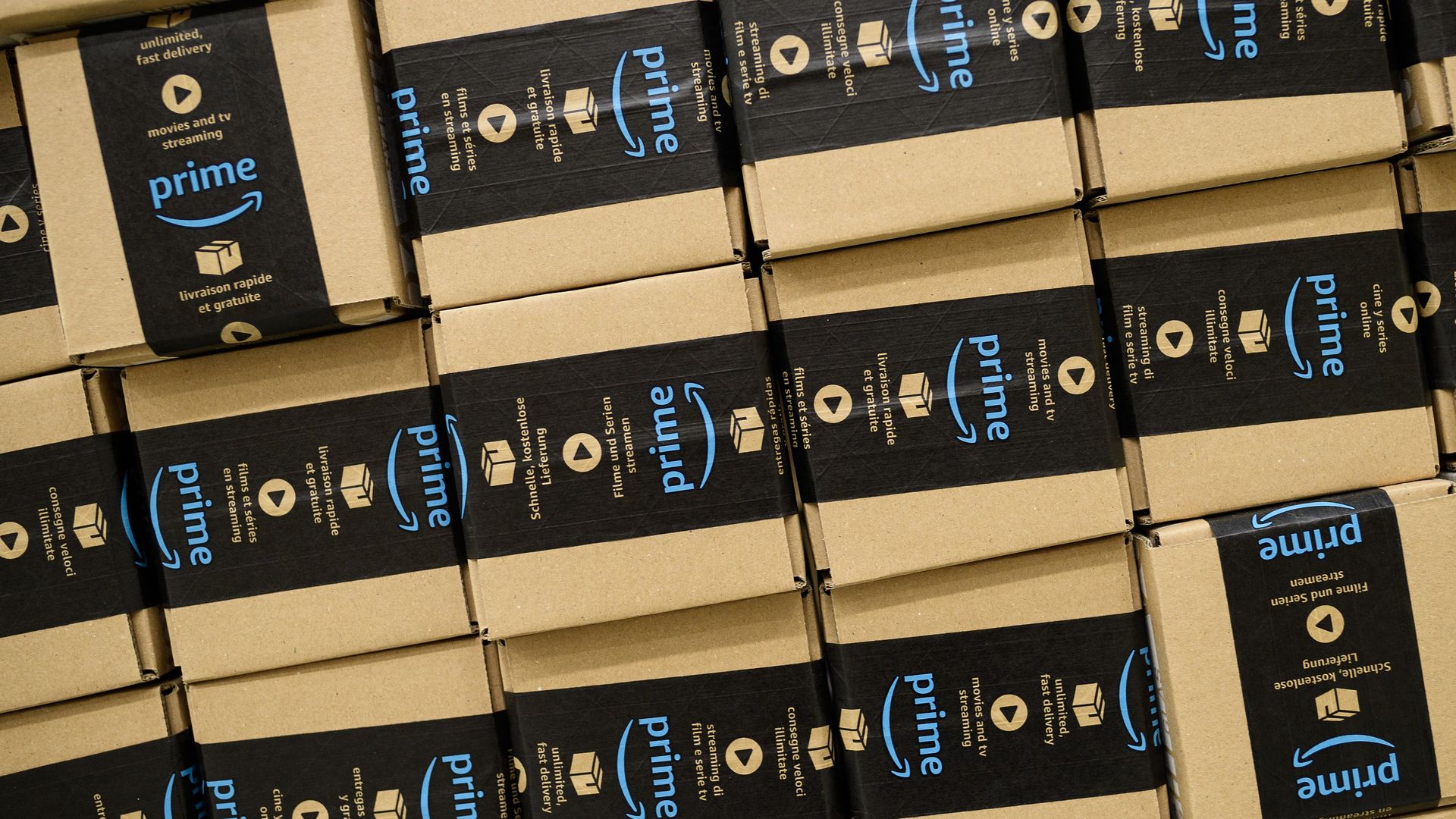
After Amazon missed deliveries across the country, the U.K.'s Advertising Standards Authority (ASA) will rule this week whether the retail giant's 2-day Prime delivery claims are misleading and will stop allowing the company to promise one-day delivery to its customers, according to The Times U.K.
Why it matters: The ultra-fast, one to two day delivery is a hallmark of Amazon’s pitch to customers and forced the industry to match this in order to compete with it. So whether or not it lives up to it is a big deal for Amazon, and by not living up to the delivery promise, the company puts its U.K. customer base at risk. According to the Times, Amazon brought substantial criticism in the country after paying only £1.7 million in taxes on revenues of £2 billion.
A Twitter spokesperson told CNN that seven of the tweets from conspiracy theorist Alex Jones flagged in a previous CNN investigation violated the platform's rules, but that no action is being taken because the tweets were recently deleted.
A pileup of controversies over how Facebook, Twitter, YouTube and Microsoft moderate content on their sites is highlighting how thoroughly major tech companies have become arbiters of speech.
Why it matters: This isn't a job Silicon Valley wants — these companies have long argued the value of freewheeling, unsupervised, boundary-stretching online discourse. But it's the new normal in a media world where power to publish and unpublish now sits with a few companies that aren't prepared for that role.
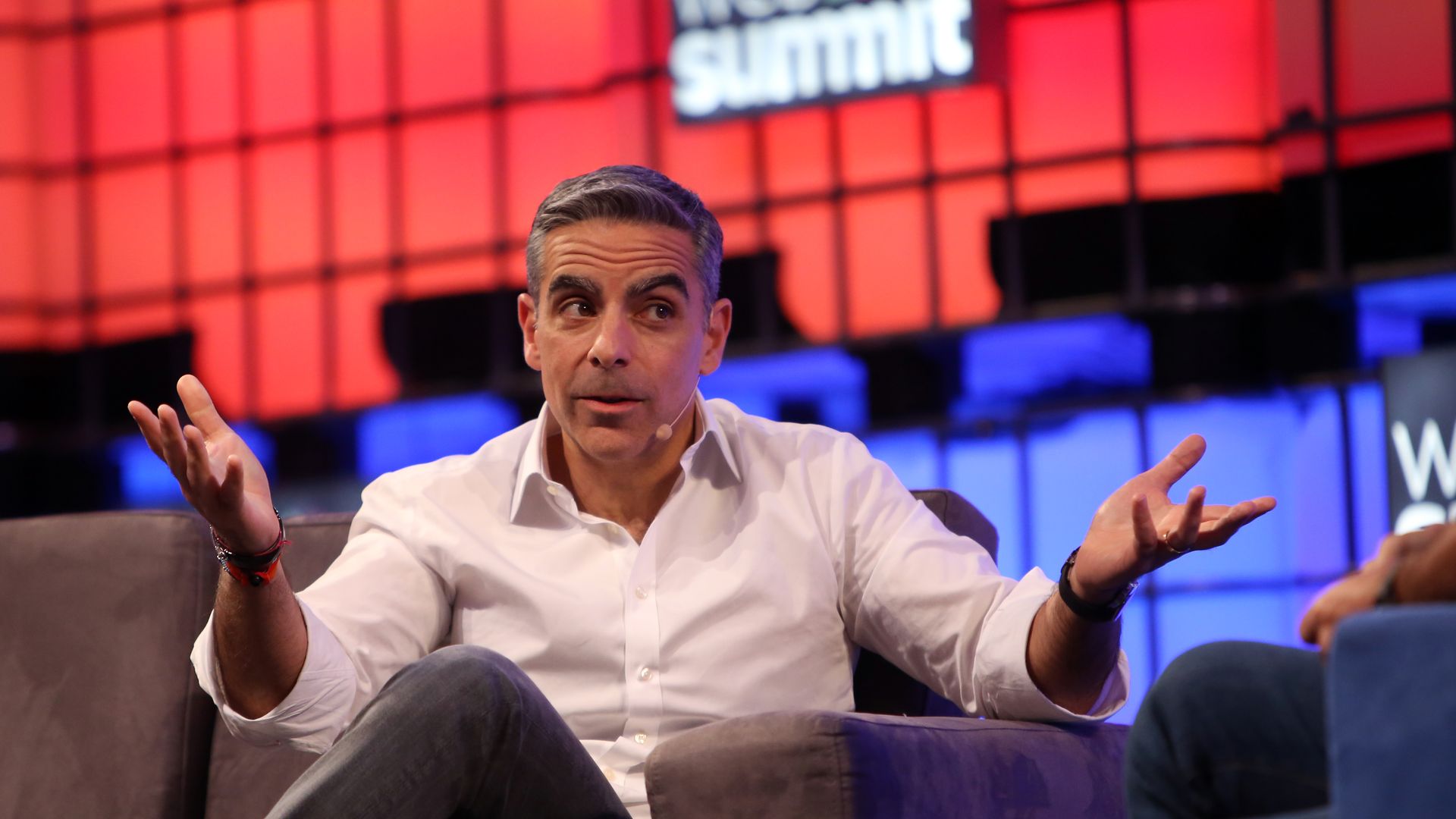
Facebook executive David Marcus has resigned from the board of cryptocurrency exchange Coinbase, according to Coindesk.
Why it matters: Marcus was leading Facebook Messenger when he joined the Coinbase board last December, but he subsequently launched an internal group seeking to "leverage blockchain" for the social network. His resignation suggests that there could soon be some sort of competition between the two companies.