Your face is increasingly serving as your password, whether for boarding on some international flights, clearing a security line for an entertainment event or opening your iPhone X.
Why it matters: The privacy tradeoffs for this added convenience and security will be a major issue for companies and governments.
Snapchat reported Tuesday that it lost over 3 million daily active users in the second quarter of 2018, the first time the company has ever reported a loss in its user base.
Why it matters: The company blames its very controversial redesign earlier this year for the drop.
Lior Ron, who co-founded Otto, the controversial self-driving truck company Uber acquired two years ago, is back after leaving in March to lead Uber Freight — which will now be a standalone unit and not include autonomous driving development.
Why it matters: Uber spent a year in court over Waymo's allegations that Ron and his co-founder plotted with Uber to steal its trade secrets. Now, Ron's return makes clear that Uber sees trucking as a huge business opportunity.
43% of Republicans — compared to 21% of independents and 12% of Democrats — believe that "the president should have the authority to close news outlets engaged in bad behavior," according to a new Ipsos poll provided to The Daily Beast.
The big picture: The results starkly illustrate a growing partisan divide in support for press freedom and faith in fair reporting, but still suggests that measurable skepticism about the media's motives exists on all sides of the political spectrum.
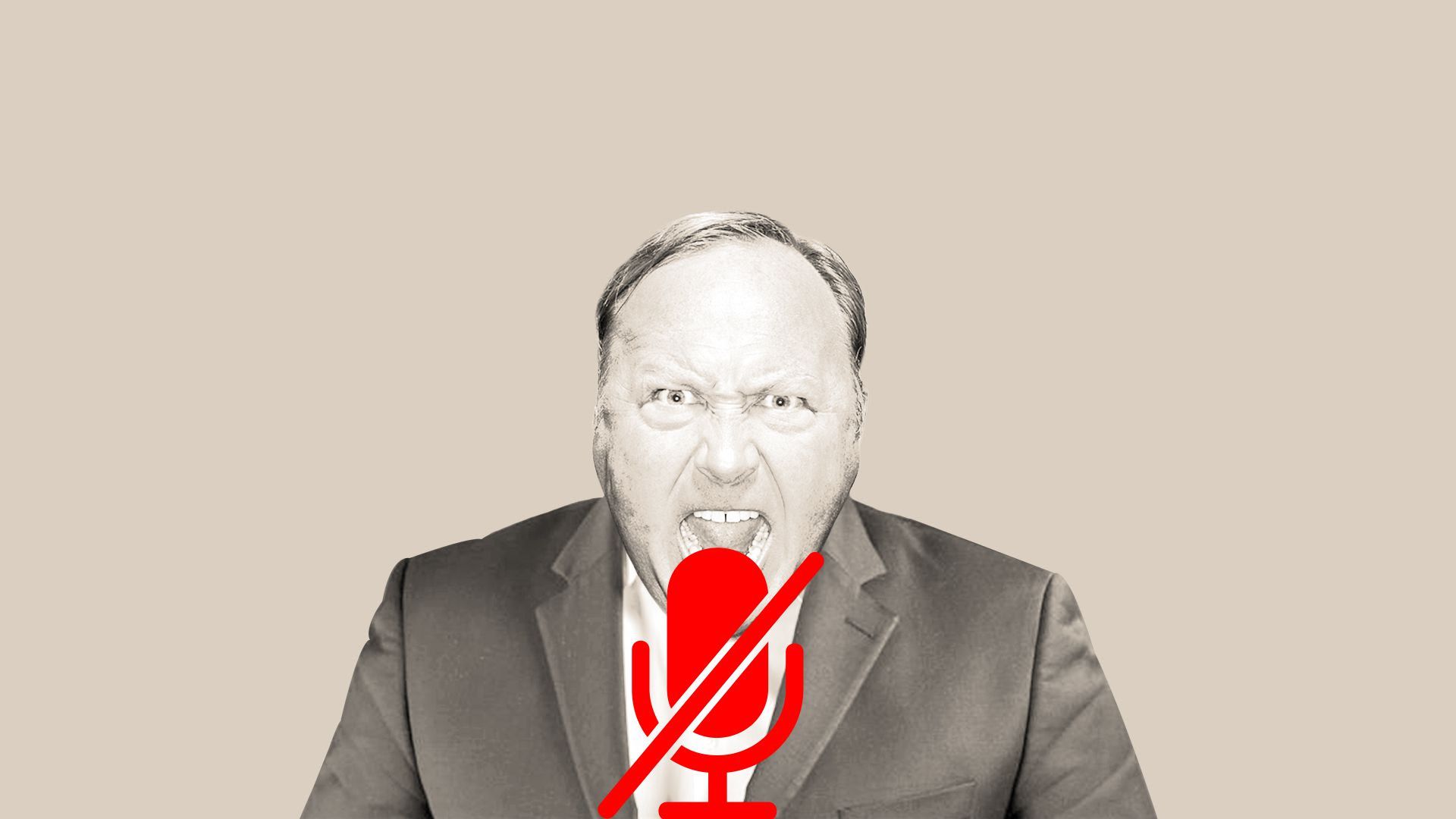
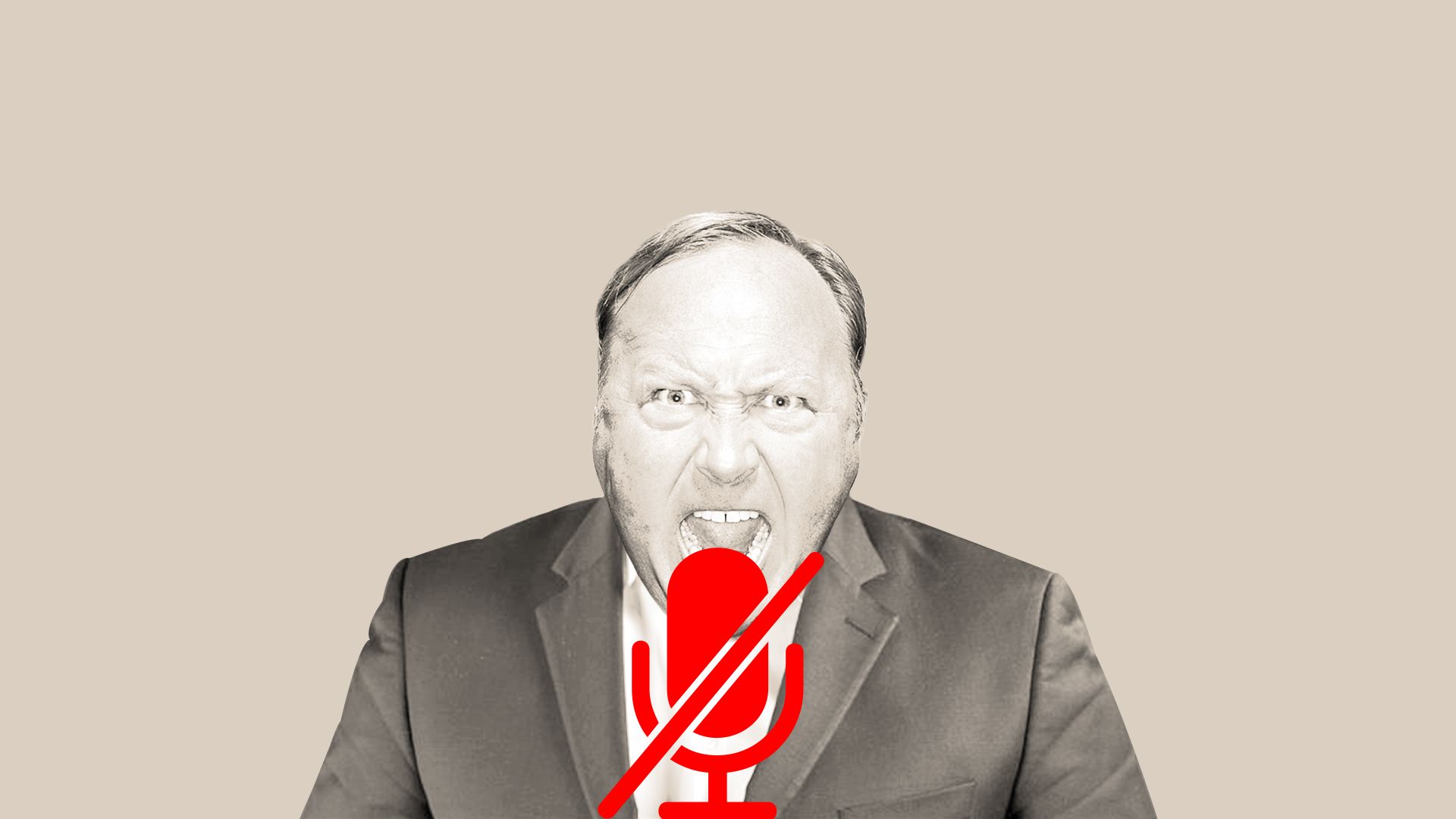
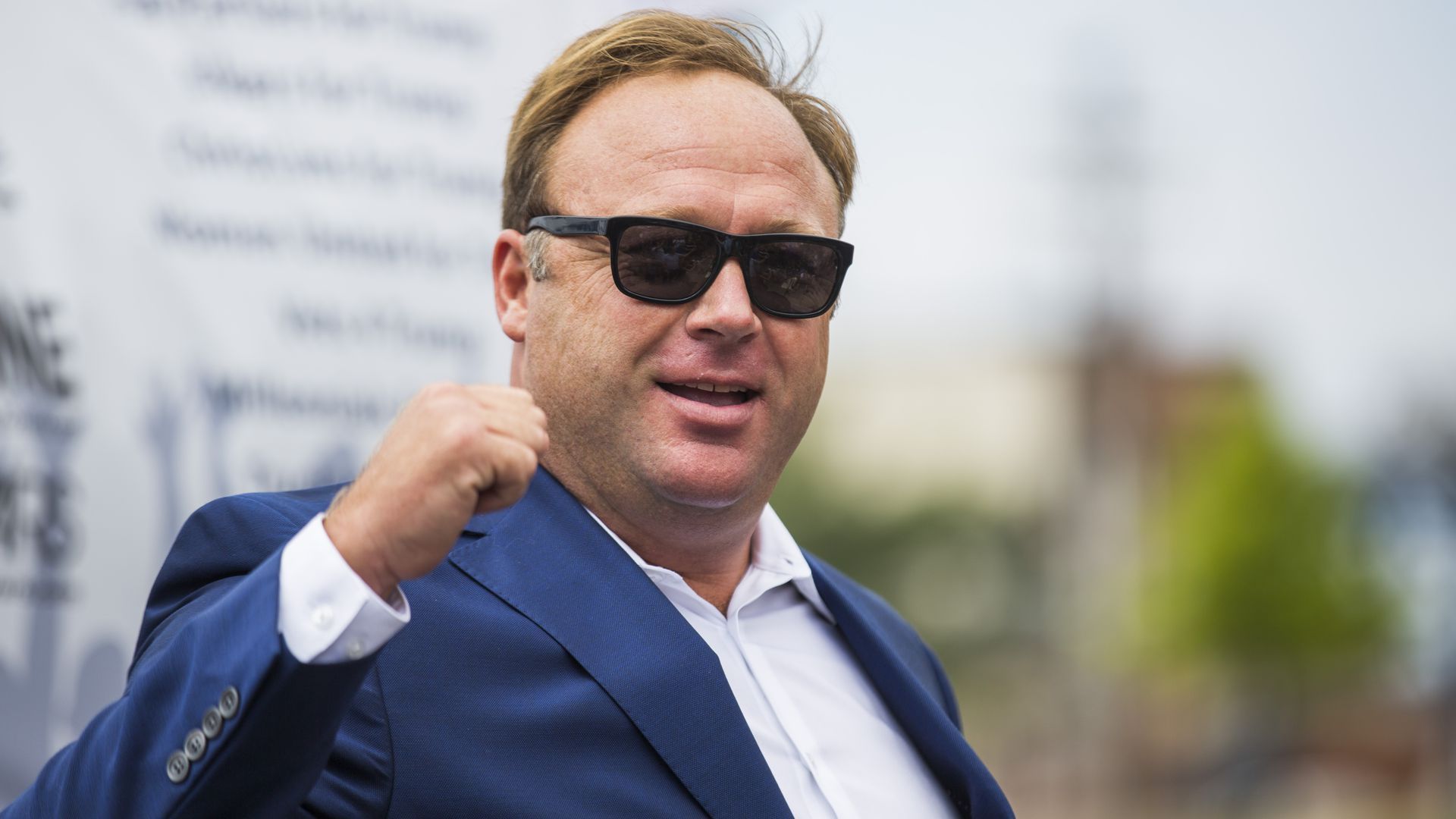
In less than a week, Spotify, Stitcher, Apple, Facebook, YouTube, LinkedIn and Pinterest have all taken action to either ban or crack down on InfoWars and its conspiratorial leader Alex Jones. The only platform exception so far has been Twitter, which says Jones has not violated its policies.
Why it matters: The sudden and collective boycott of Alex Jones is a significant tipping point for Big Tech, where values of openness and inclusivity have been tested for years by conspiracy theorists and bad actors.
Google — and its products like YouTube and Waze — combined to account for 34.2% of all time on digital media in June, according to Pivotal Research analyst Brian Wieser.
The details: Pivotal found that as Google increases its foothold into America's daily routines, Facebook is seeing declines in time spent at a faster rate than before.
Indian ride-hailing company Ola will begin operating in the U.K. within the next month, starting with South Wales and Greater Manchester, it said on Tuesday. It hopes to roll out to the rest of the U.K. by the end of the year.
Why it matters: This expansion will pit the company even more aggressively against Uber, which it's been competing with in its native India. Earlier this year, it also began taking on Uber in Australia.
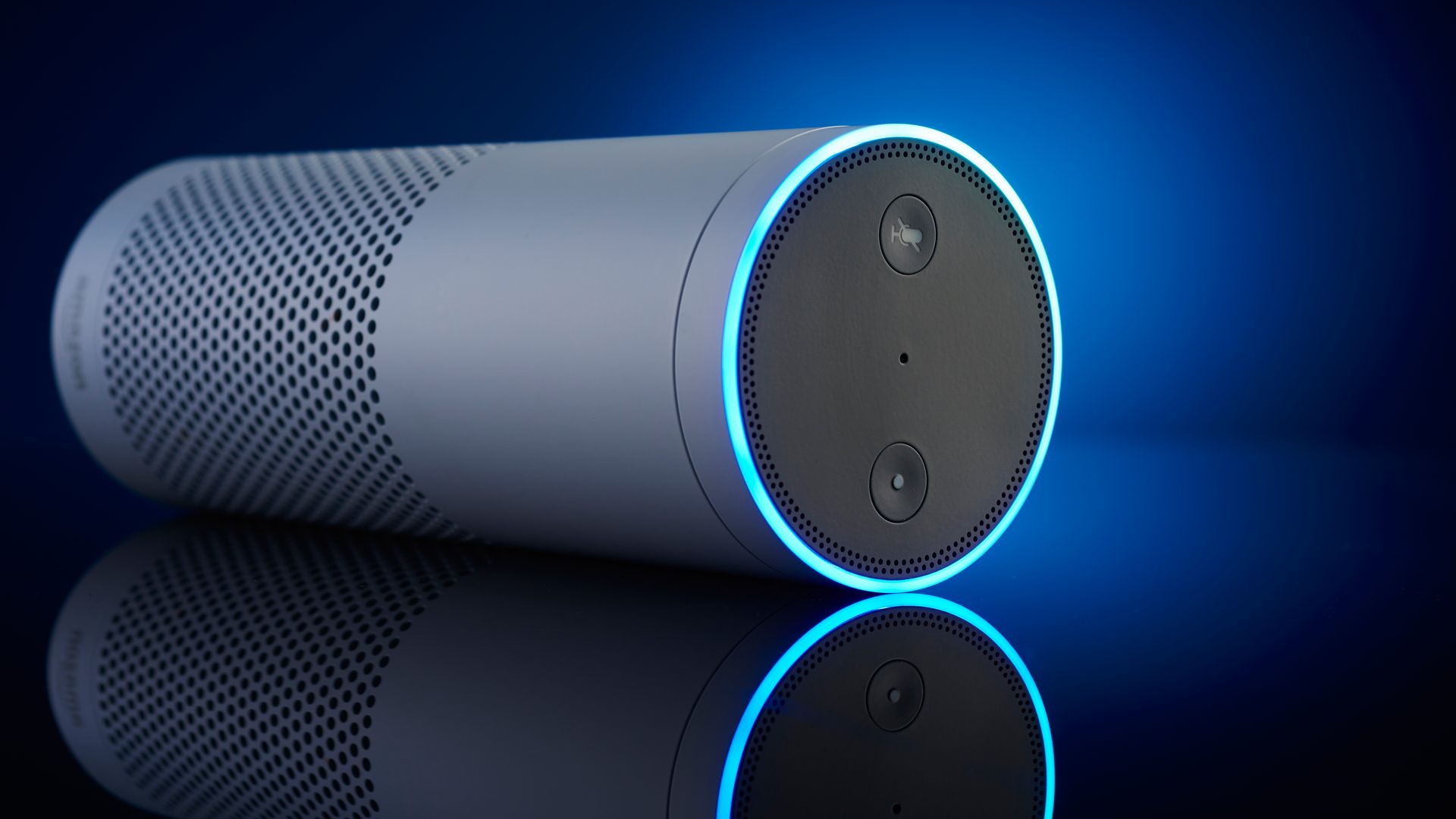
Amazon is leaning into Alexa and betting that voice ordering is the next big retail trend — but declining market share against Google Home and Chinese competitors as well as a rare leak of Alexa numbers suggest it's struggling to make headway.
The bottom line: Fewer than 2% of Amazon Alexa users have used Alexa to buy something in 2018, the Information reports, citing company sources. That number is even lower for repeat users, with just 10% of those purchasers buying something else.
For the first time ever, Consumer Reports has issued rankings based on the security and privacy of products and services, with an initial focus on peer-to-peer payment services such as Apple Pay and Venmo.
Why it matters: The nonprofit is one of the most trusted sources of information on products and companies in the United States and it intends these rankings to hold developers "more accountable."
The last 24 hours have been brutal for Alex Jones' media empire InfoWars, banned from Facebook and YouTube — and deleted from Apple's podcast library, Spotify and Stitcher.
The big picture: Alex Jones hasn't changed. His most notorious comments, including calling Sandy Hook a hoax, are years old. The platforms have changed, with a domino effect that marks a major shift in how online harassment and censorship is handled by Silicon Valley.
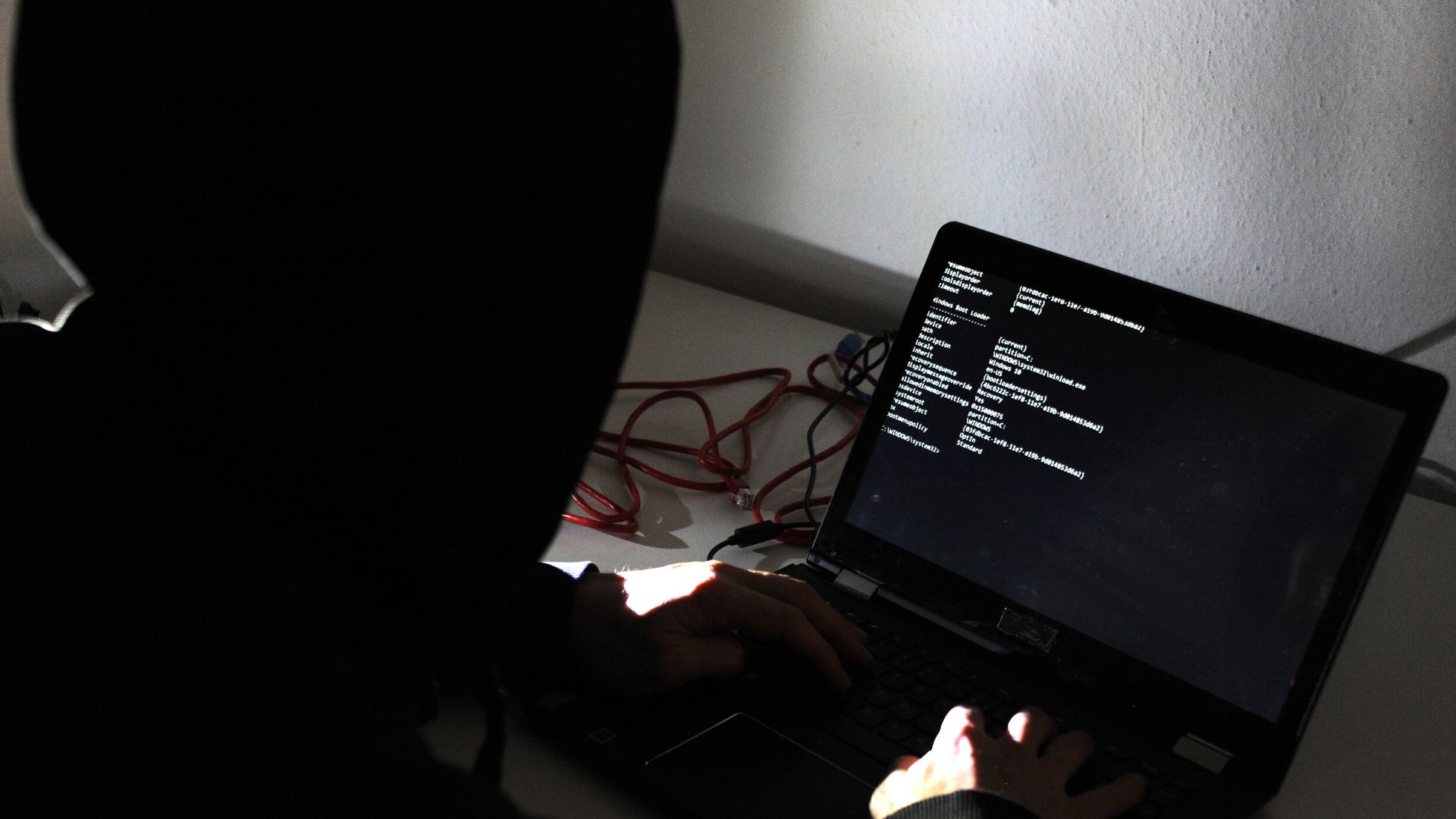
Researchers have used "[email protected]," a single email address listed in one of special prosecutor Robert Mueller's indictments, as a key to trace new details of the inner workings of social media disinformation campaigns.
Why it matters: The "allforusa" account was a real email address that had been abandoned by its creator and then compromised and reused, a tactic that allows hackers to evade detection and legitimize deceptive activity — in this case, including thousands of comments posted on the FCC's site about net neutrality rules.
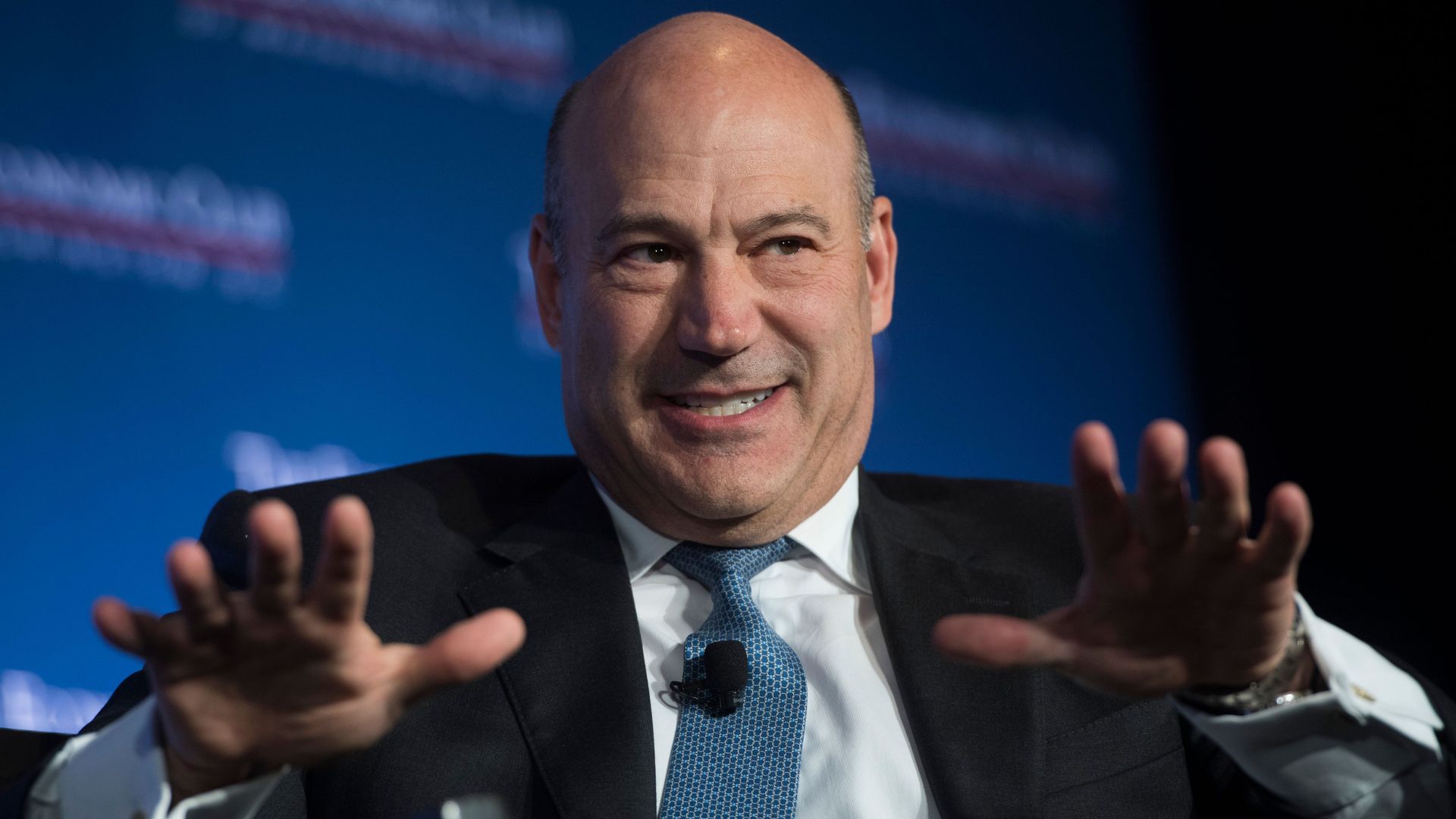
Gary Cohn, the former Goldman Sachs president who later served as President Trump's first national economic advisor, believes social media companies like Facebook are a larger societal danger than were banks before the financial crisis, due to their dissemination of misinformation.
“In ’08 Facebook was one of those companies that was a big platform to criticize banks, they were very out front of criticizing banks for not being responsible citizens. I think banks were more responsible citizens in ’08 than some of the social media companies are today. And it affects everyone in the world. The banks have never had that much pull.”
Pinterest has become the latest tech company to pull down Infowars leader Alex Jones' page, Mashable reports. YouTube said it terminated Jones' channel earlier Monday, just hours after Facebook removed four of his pages. Apple and Spotify have also removed Infowars content over the past week for violating their conduct policies.
The big picture: The rush of Big Tech action against Jones and his organization has occurred while he is embroiled in a defamation lawsuit brought against him by Sandy Hook parents — due to his repeated false claims that the elementary school shooting is a hoax — and as his brand of conspiracy theories hit the GOP mainstream last week.
Facebook has had conversations with large banks about getting access to their customers' data for new features, the Wall Street Journal reports.
Why it matters: Facebook's recent privacy controversies may collide with its attempts to keep users engaged, and the Journal reported that one of the banks had exited conversations with the company over privacy questions. A Facebook spokesperson told the newspaper that it doesn't "use purchase data from banks or credit card companies for ads."
Researchers at Duo Security have developed an algorithm to hunt Twitter bots at Twitter-sized scale.
Why it matters: On a big social media platform, using humans to hunt automated scam accounts is a particularly difficult game of whack-a-mole. That is exactly the kind of problem Duo's algorithm can help solve. One of the moles it whacked during a testing was a large network of cryptocurrency scammers.
The first weekend in August is the peak of back-to-school shopping for parents, but Amazon Prime Day stealthily advertised deals that extended the shopping season over a few months.
Why it matters: Parents are expected to spend more than ever on clothing, electronics and school supplies, but Prime Day's deals last month jumpstarted the back-to-school season, allowing buyers to plan out purchases over a longer period of time instead of just one or two impulse-driven weekends.