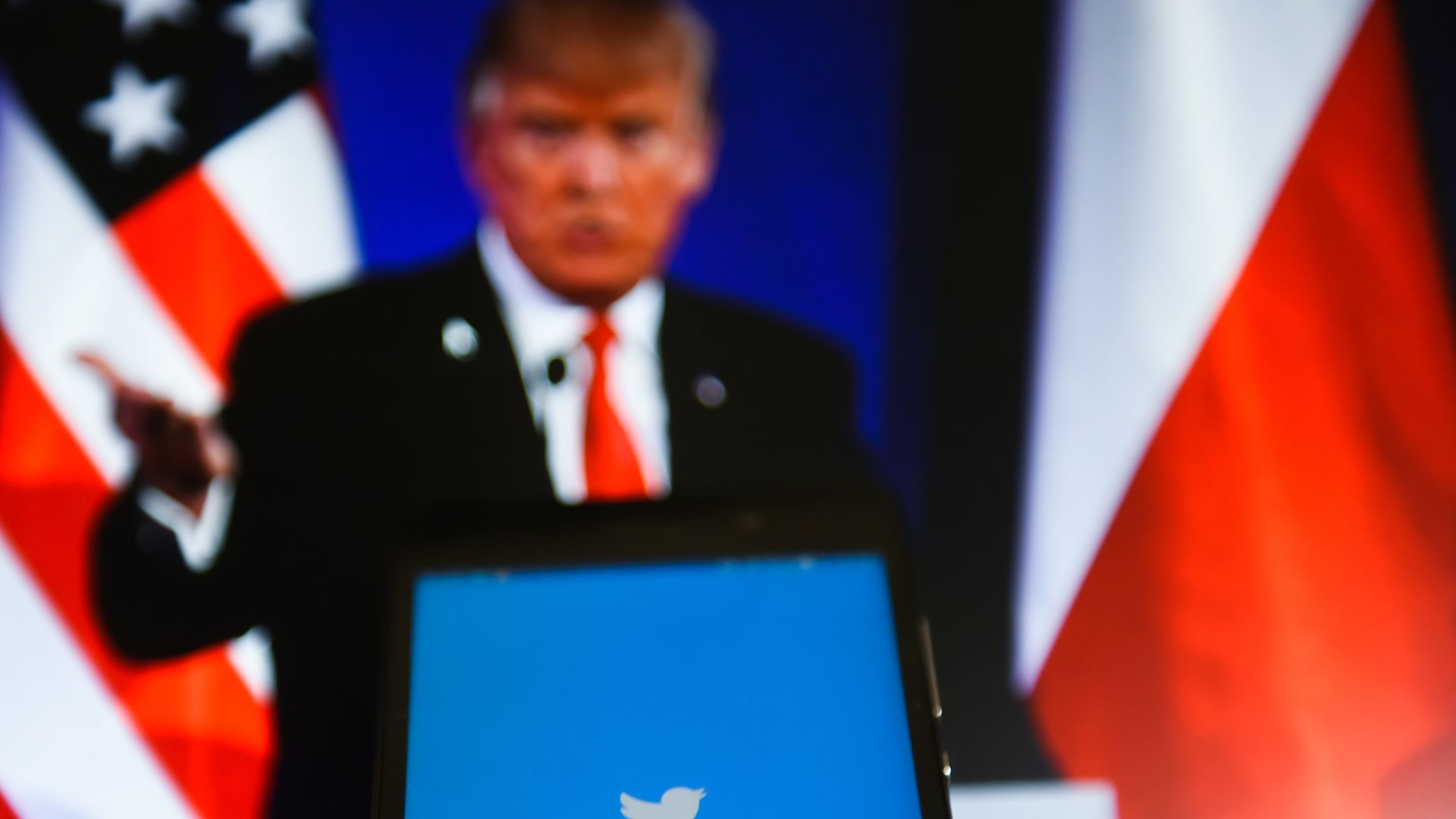
"Nina Tomasieski logs on to Twitter before the sun rises. Seated at her dining room table with a nearby TV constantly tuned to Fox News, the 70-year-old grandmother spends up to 14 hours a day tweeting the praises of President Trump and his political allies, particularly those on the ballot this fall, and deriding their opponents," AP's Sara Burnett reports from Chicago.
The big picture: "She's part of a dedicated band of Trump supporters who tweet and retweet Keep America Great messages thousands of times a day. ... She and her friends have been swept up in an expanded effort by Twitter and other social media companies to crack down on nefarious tactics used to meddle in the 2016 election."
"The Fake News hates me saying that they are the Enemy of the People only because they know it’s TRUE. I am providing a great service by explaining this to the American People. They purposely cause great division & distrust. They can also cause War! They are very dangerous & sick!"
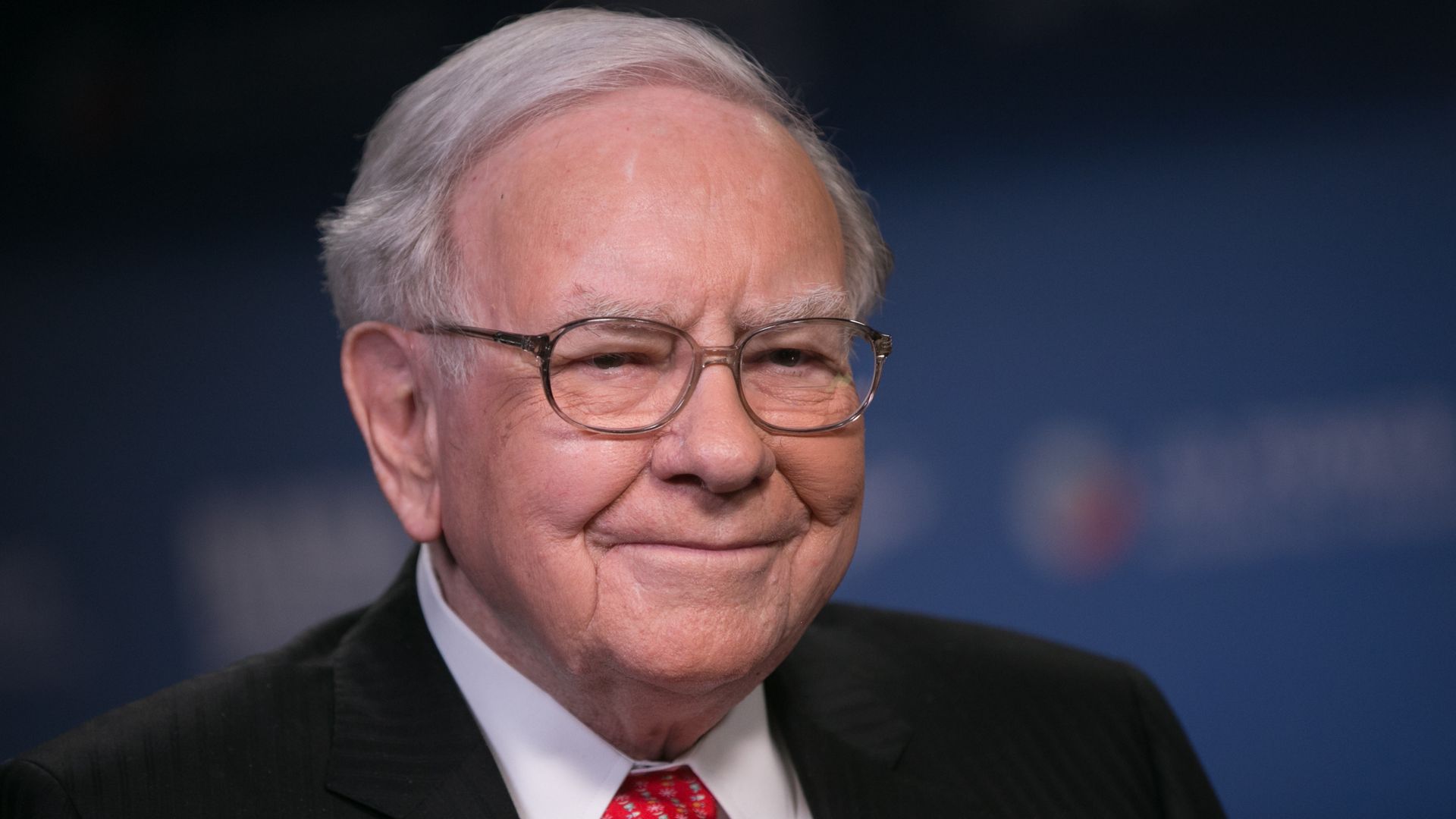
Two years after purchasing 10 million shares of Apple then-valued at $1.1 billion — and with numerous incremental additions since — Warren Buffett's Berkshire Hathaway's stake in the company is now worth nearly $50 billion, CNN reports, citing a regulatory filing.
Why it matters: Earlier this week, Apple became the first-ever U.S. company to have its market cap hit $1 trillion. Berkshire's stake in Apple is the largest of its substantial investment portfolio.
Correction: This article has been updated to note that Berkshire purchased stock multiple times after its purchase two years ago.
Amazon has pulled items from its website that showed "white nationalist and neo-Nazi paraphernalia," Vice News reports.
The backdrop: Rep. Keith Ellison (D-MN) criticized Amazon last month, BuzzFeed reports, telling CEO Jeff Bezos he was "alarmed that hate groups can make money by selling propaganda...and that Amazon is able to profit from these transactions."
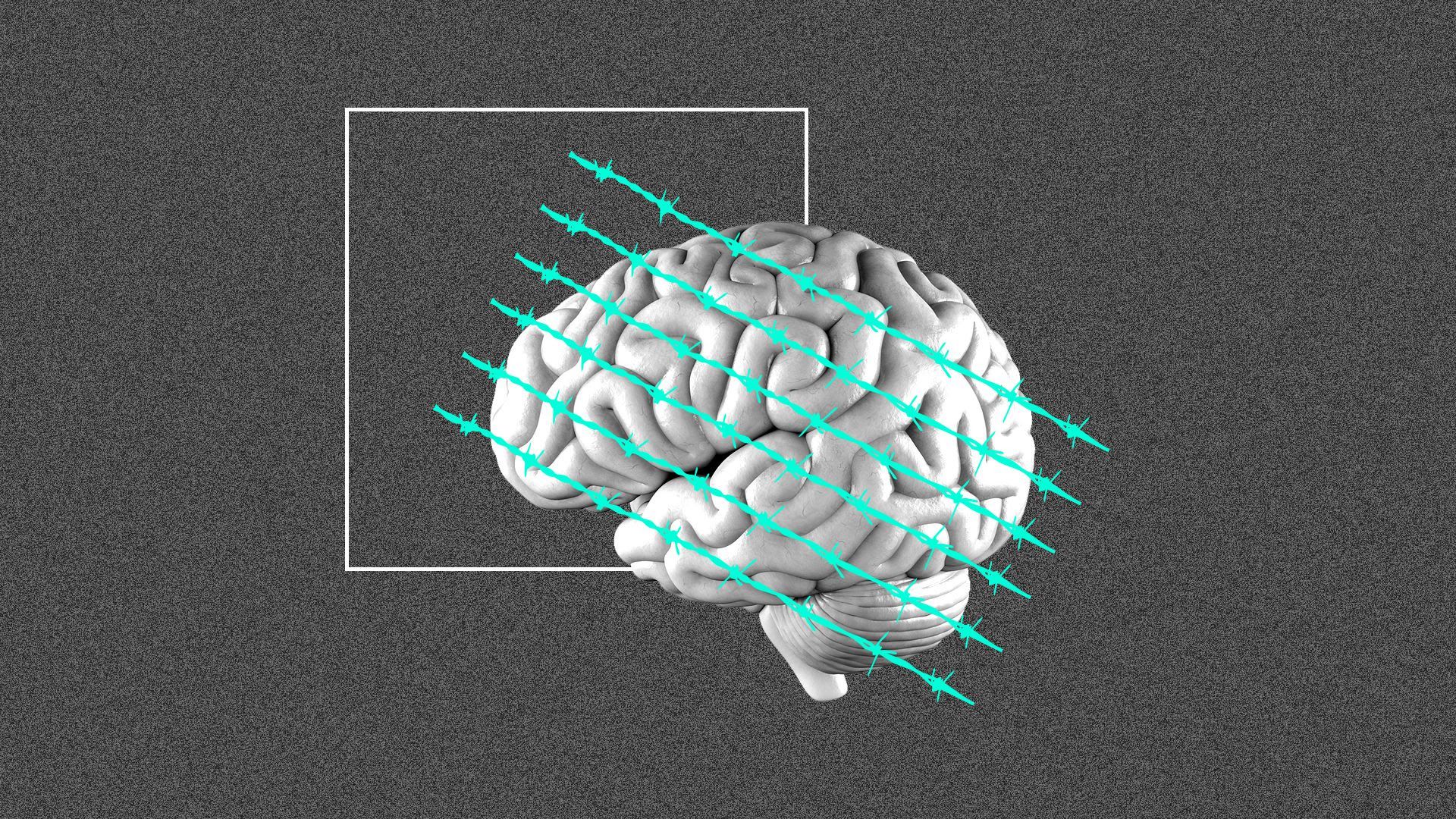
Multiple experts cited artificial intelligence as a force multiplier amplifying existing threats. Axios Future Editor Steve LeVine explains how AI creates a danger all its own:
For the U.S. and China, AI is the equivalent of the Cold War arms race. The security and political apparatus in both countries view dominating the AI future as both an economic and military imperative.