Facebook's stock price was free-falling (down 23% at one point) in after-hours trading on Wednesday, as the company warned investors on its earnings call that changes to its platform will continue to depress its revenue growth rate for the rest of the year.
Why it matters: Facebook's business appeared invincible for the past two years despite a string of controversies. That tide may now be turning.
Qualcomm acknowledged Wednesday that it expects Apple will go exclusively with rival chipmakers to supply the modems on the next iPhone. The move comes as the two companies remained locked in a bitter licensing dispute.
Why it matters: Although Apple designs its own processors, it relies on others for modem chips and had been a big Qualcomm customer until recently. Apple has used a mix of Intel and Qualcomm modems in recent iPhones. Qualcomm will still supply some modem chips for older iPhone models.
Facebook stock was down double digits after hours Wednesday after the company reported that it missed revenue and user growth estimates for the second quarter and predicted it will continue to see slowed revenue growth in future quarters.
Why it matters: For months the tech giant seemed unstoppable, posting record earnings continually despite months of public relations fallout and product changes. Today's earnings show that product changes to address user privacy and engagement are starting to affect the company's bottom line.
As expected, Qualcomm plans to drop its long-running bid to buy rival NXP Semiconductors, instead spending up to $30 billion to buy back its own stock. The company announced the moves alongside a better-than-expected quarterly earnings report.
The bottom line: The deal, announced back in 2016, had been stalled awaiting Chinese regulatory approval. Qualcomm's latest tender offer had been slated to expire later this evening.
Alphabet-owned self-driving vehicle company Waymo is starting a test pilot program in Phoenix that will allow Walmart customers to use its autonomous car service to pick up groceries at stores as soon as this week.
Why it matters: This is one of several partnerships Waymo is piecing together in the summer to get people into cars and test out the service. Companies such as AutoNation and Avis Budget Group are also in on the testing. Walmart customers will save on their groceries when they order groceries on Walmart's website and use the service, per Waymo's blog post.
Qualcomm is likely to announce later today it is dropping its stalled plan to acquire NXP Semiconductors and instead launch a stock buyback, CNBC reported.
Why it matters: The deal's end was expected as Qualcomm's bid has been caught up in US-China politics with no end in sight. Qualcomm's current offer expires just before midnight (Eastern Time) tonight and Qualcomm reports earnings later today.
Just hours after official approval for a Facebook subsidiary to operate in Hangzhou appeared on a Chinese government website, the approval was withdrawn, reports The New York Times' Paul Mozur, citing a source familiar with the matter.
The bottom line: China has kept Facebook out of the country for a decade, and the abrupt withdrawal of approval indicates that Mark Zuckerberg's quest to crack the Chinese market is still a long shot.
Longtime Democratic strategist Joe Trippi, who worked on Doug Jones’ victorious Senate campaign, told CNN's Jake Tapper that Russian actors interfered in the special election last year using Twitter, but said they didn't influence the outcome.
"We literally have ten thousands Russian bots that were ... popping out forty-thousand post per minute, not per hour — on Twitter. ... There's active engagement in our politics. I'm not saying they change any votes, but what are we doing to stop it."
— Joe Trippi
Correction: An earlier version of this story incorrectly referred to Joe Trippi as Sen. Jones' campaign manager. Trippi was a consultant to the campaign, not the campaign manager.
Facebook entered into a new agreement with Washington state forcing the social media giant to change its policies nationwide to prevent advertisers of housing, credit, employment, insurance and public accommodations from discriminating based on race, the state's Office of the Attorney General announced.
The details: An investigation by Washington Attorney General Bob Ferguson into Facebook found that advertisers were excluding people by race when using Facebook's a "multicultural affinity" category in its ad targeting tool. This new regulation removes that category from its exclusion tool on all advertisements.
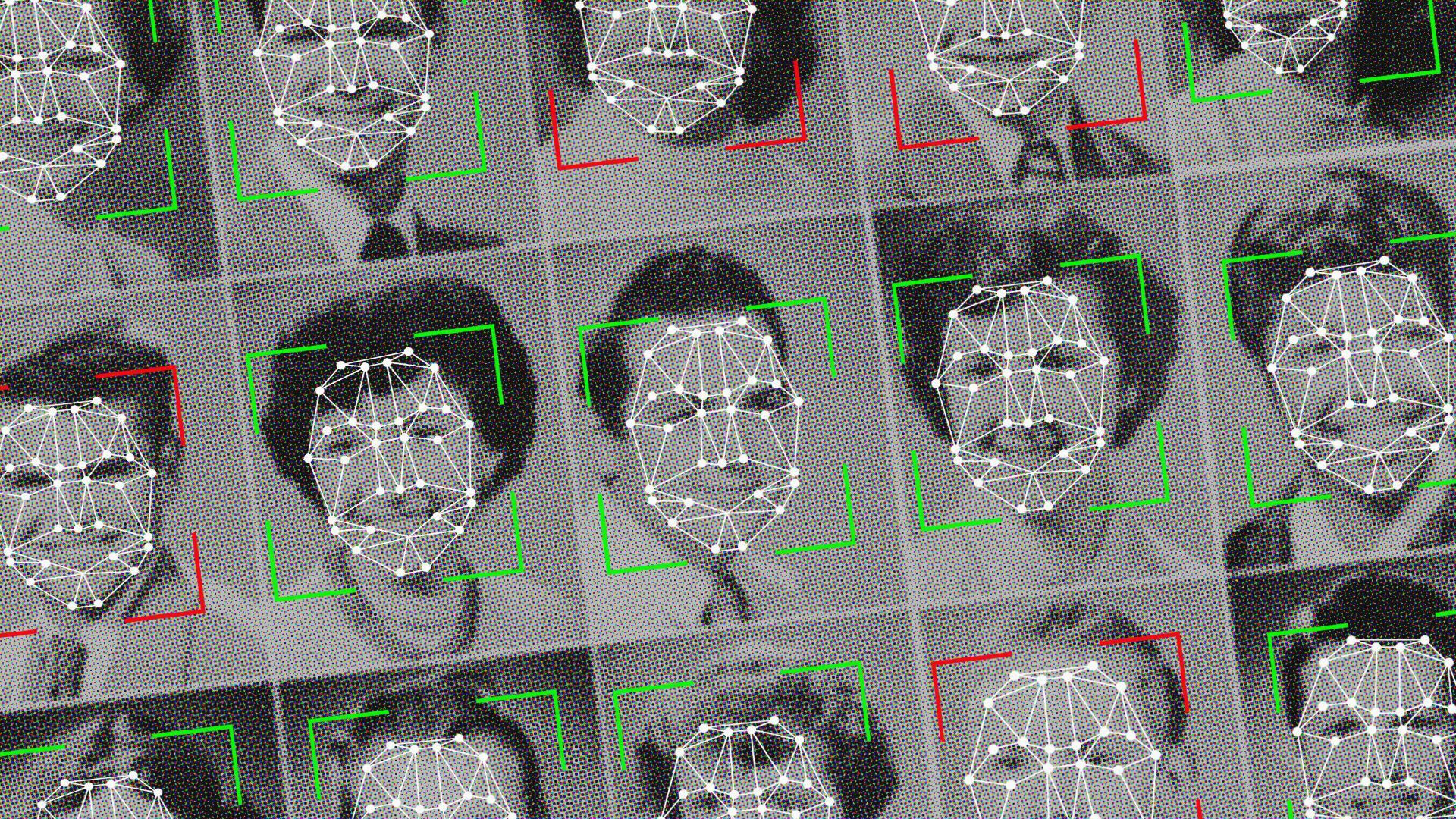
Facial recognition could be coming to a high school near you, with a western New York school district set to become the first in the nation to match its technology to databases of suspected threats, the AP's Carolyn Thompson reports.
Why it matters: This is another example of a school taking a safety measure that sacrifices student privacy as the gun safety debate rages nationwide.
For a decade, China repeatedly blocked Mark Zuckerberg's best efforts to crack its massive market of 770 million internet users. Now, Facebook has found a way in through a subsidiary registered in Hangzhou, according to government records reported by the New York Times.
The big picture: Even if it is allowed to do business in China, the Facebook subsidiary will be just a small step into China.
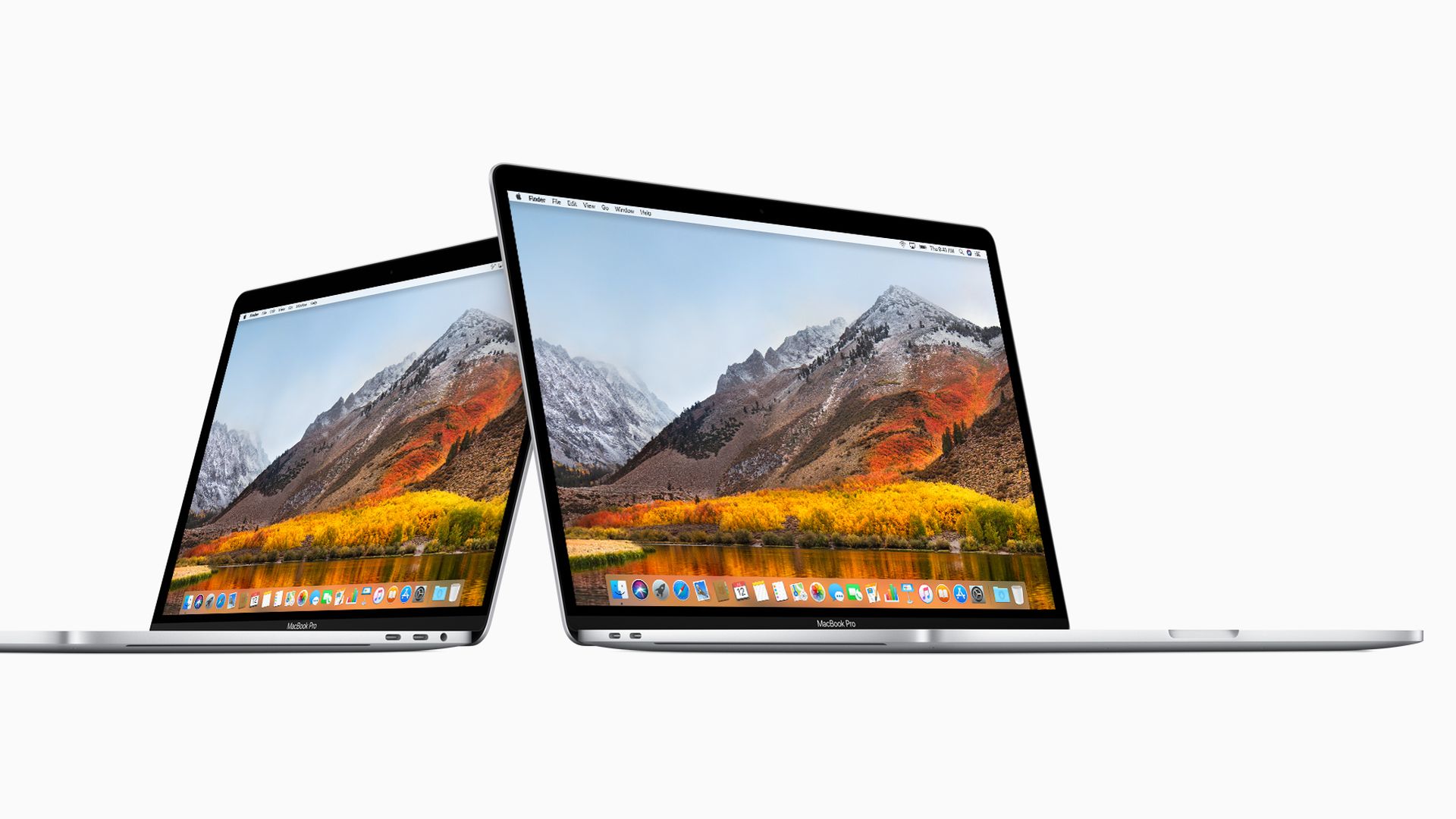
Apple says it has found a bug causing its latest MacBook Pros to deliver lower-than-expected performance, but says a software fix being released today should fix the issue.
Why it matters: Some reviewers and bloggers had noticed that the new MacBook Pros were, in some cases, delivering what appeared to be less than full performance from the Intel chip.
Mark Zuckerberg says Facebook shouldn't be in the business of removing pages that spread fake news and conspiracy theories on its platform. But there's still plenty of debate inside and outside the company over whether that's the right approach.
The bottom line: There are lots of ideas out there, but no consensus:
A new Pew Research Center study finds that after the 2016 election, Democrats in Congress posted on Facebook more often than Republicans, which is a startling difference from prior to the 2016 election.
Why it matters: The same Pew study from 2017 found that before Donald Trump became president, Republicans were much more likely to leverage social distribution networks, like Facebook, to communicate with their constituencies over press releases.
Microsoft is working with a small broadband provider to bring Internet service to portions of New York and Maine using so-called TV "white spaces."
Why it matters: After years about talking up the notion of bringing broadband to rural america via gaps in the TV airwaves, Microsoft has struck a commercial deal to do just that.
Facebook’s prioritization of openness and accessibility has made it a target of critics who say it isn't doing enough to stomp out fake news and misinformation.
Why it matters: Experts argue Facebook could do a number of things to reduce fake news. But almost every option could hit its bottom line or would challenge CEO Mark Zuckerberg’s long-term vision for the company.