Alphabet's stock was up over 5% Monday following the company's successful earnings reports.
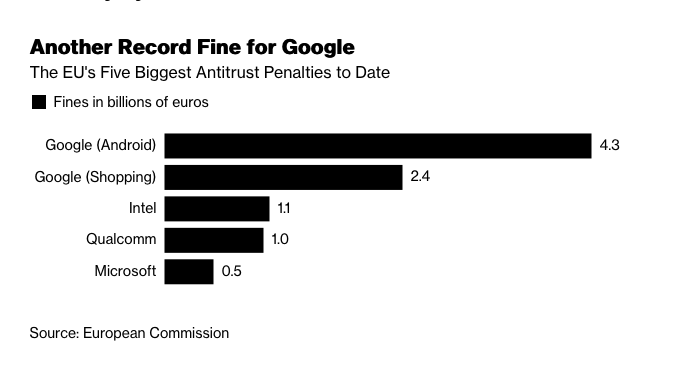
Why it matters: The figures were reported just days after the EU announced that it would be slapping Google with one of it's biggest antitrust penalties ever.
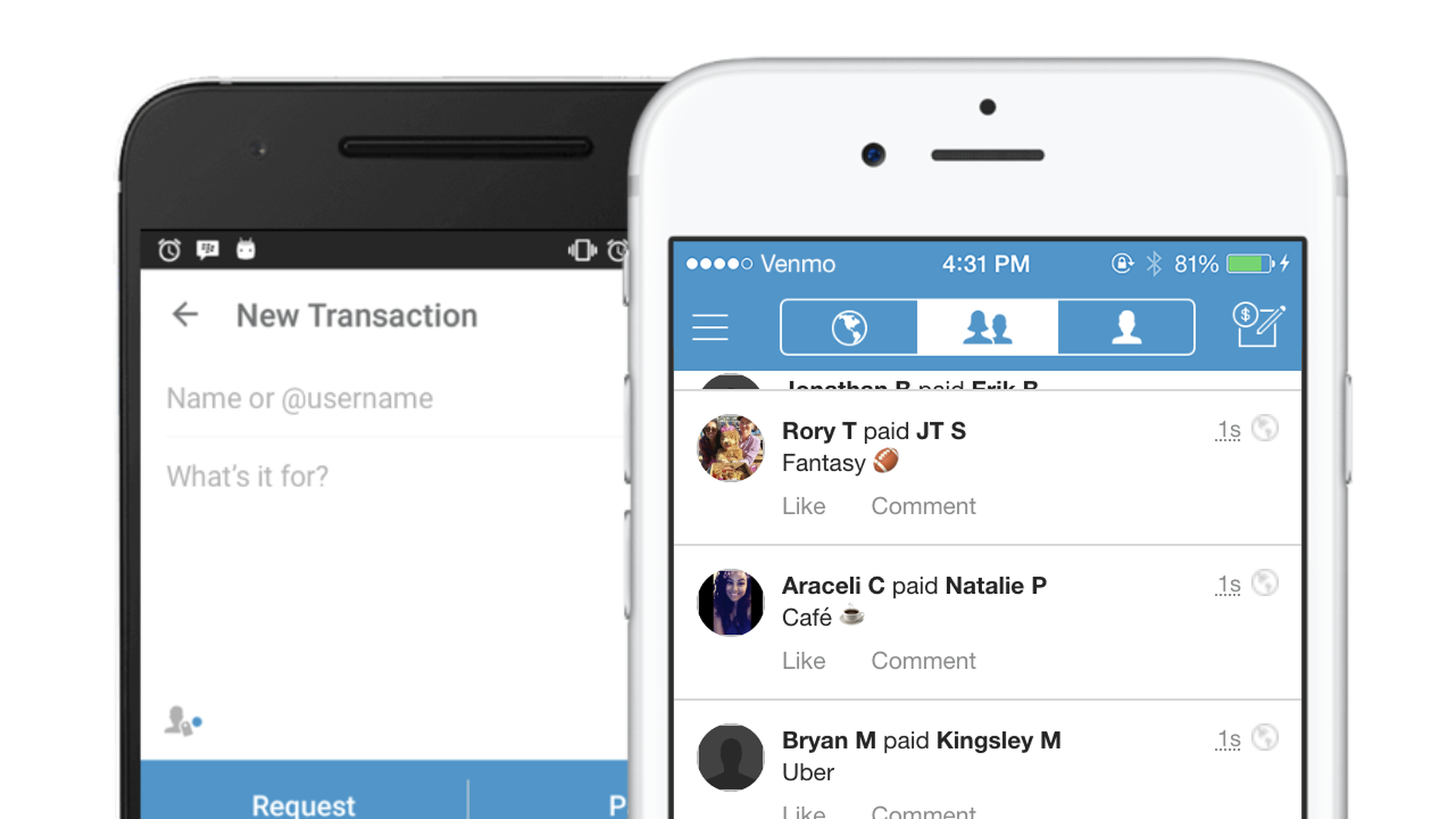
I'm late to the Venmo craze. I only signed up last week in hopes of getting everyone to pay me back for drinks and food for a tech reporter meet-up, but the craziest part to me was learning that transactions are made public by default.
Between the lines: Sharing transaction information publicly could reveal a lot, especially if one makes a lot of transactions over time. While designed for friends, information shared publicly could find its way into the hands of data brokers, credit monitors or others.
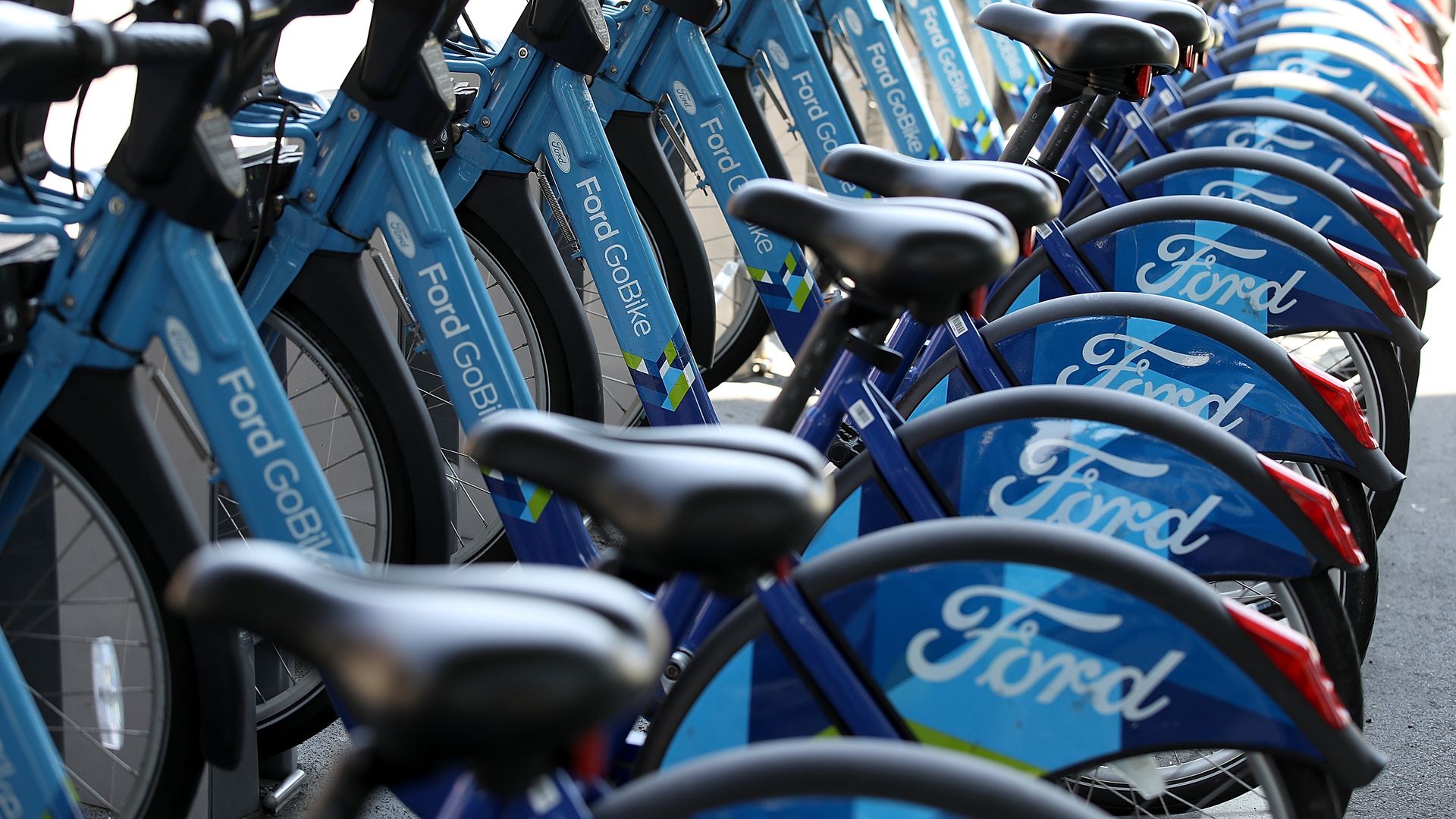
As well-funded tech companies are getting in the highly regulated scooter and bike-share business, subsidies for certain groups like low-income communities and students are emerging as the next battleground.
Why it matters: In cities like San Francisco, long-standing tensions between city officials and tech companies, namely Uber and Lyft, are back in the spotlight and could create problems for the latter group.
Researchers are in a pitched battle against deepfakes, the artificial intelligence algorithms that create convincing fake images, audio and video, but it could take years before they invent a system that can sniff out most or all of them, experts tell Axios.
Why it matters: A fake video of a world leader making an incendiary threat could, if widely believed, set off a trade war — or a conventional one. Just as dangerous is the possibility that deepfake technology spreads to the point that people are unwilling to trust video or audio evidence.
Following last week's announcement that EU competition commissioner Margrethe Vestager hit Google with the biggest penalty in antitrust enforcement history — $5 billion — some began thinking, "it didn't have to be that way."
Bloomberg's Aoife White and Stephanie Bodoni write, "A year earlier, ... the company ... made quiet attempts to settle ... The Silicon Valley search giant had waited at least a year too long to broach the subject of a settlement, ... Vestager said in an interview."
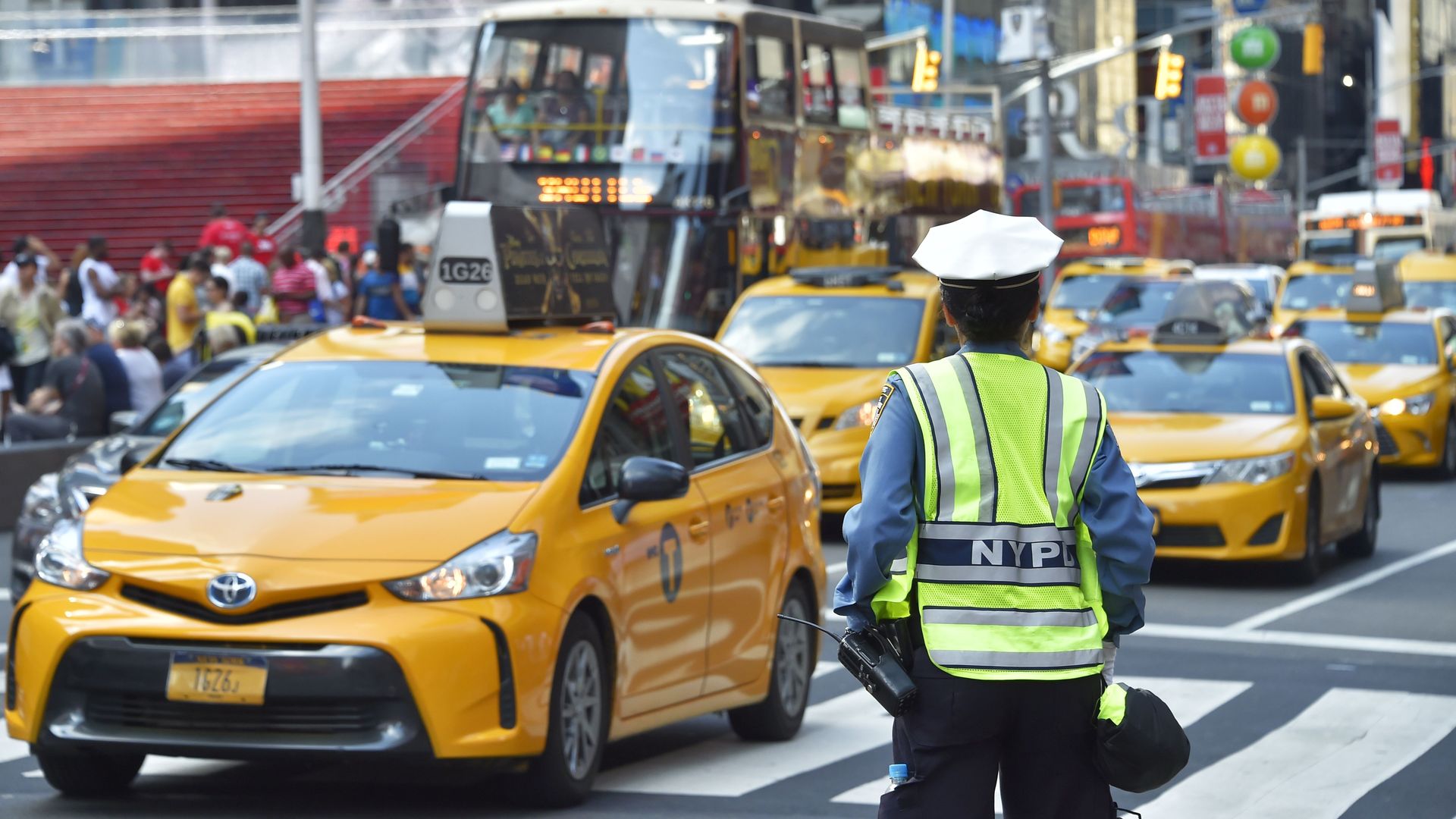
"When Uber regulars get into traditional cabs, they exchange blank stares with taxi drivers, wondering why the car isn’t moving even though they haven’t said where they want to go," per the Wall Street Journal's Katherine Bindley.
The details: "Adam Murray, 39, said that on the rare occasion he takes a cab home from work in San Francisco instead of an Uber or Lyft ... 'There’s this moment of telepathy where you expect the driver to just know and you pause and you look back at them like, "OK, are we ready to go?" And nothing happens."
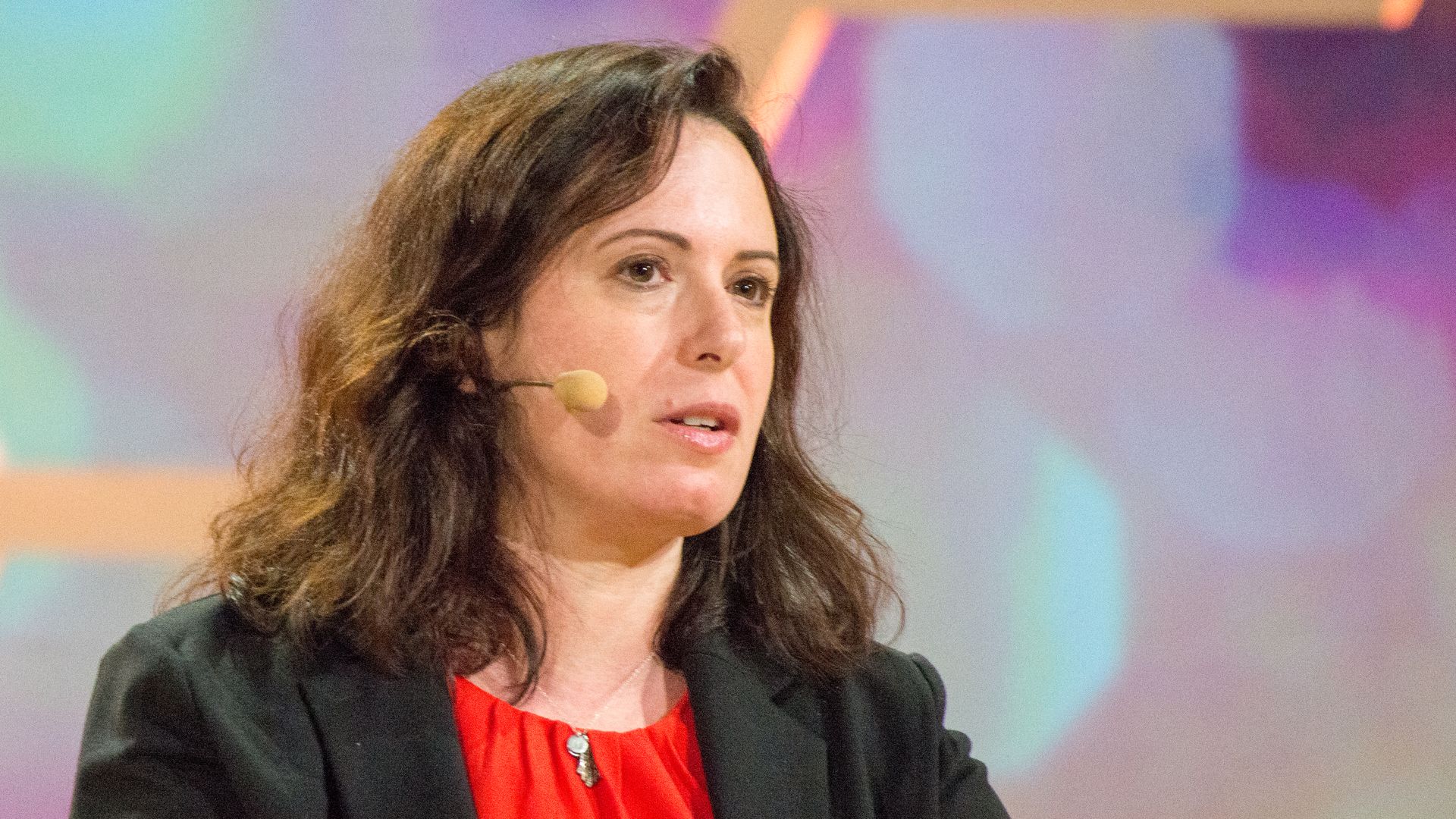
The New York Times' Pulitzer Prize winning White House Correspondent, Maggie Haberman has decided to leave Twitter after 187,000 tweets, a year and a half into Trump's presidency.
"I have used Twitter enough to know that it no longer works well for me. I will re-engage eventually, but in a different way," Haberman writes in the N.Y. Times Sunday Review. "The viciousness, toxic partisan anger, intellectual dishonesty, motive-questioning and sexism are at all-time highs, with no end in sight. It is a place where people who are understandably upset about any number of things go to feed their anger, where the underbelly of free speech is at its most bilious."