Facebook entered into a new agreement with Washington state forcing the social media giant to change its policies nationwide to prevent advertisers of housing, credit, employment, insurance and public accommodations from discriminating based on race, the state's Office of the Attorney General announced.
The details: An investigation by Washington Attorney General Bob Ferguson into Facebook found that advertisers were excluding people by race when using Facebook's a "multicultural affinity" category in its ad targeting tool. This new regulation removes that category from its exclusion tool on all advertisements.
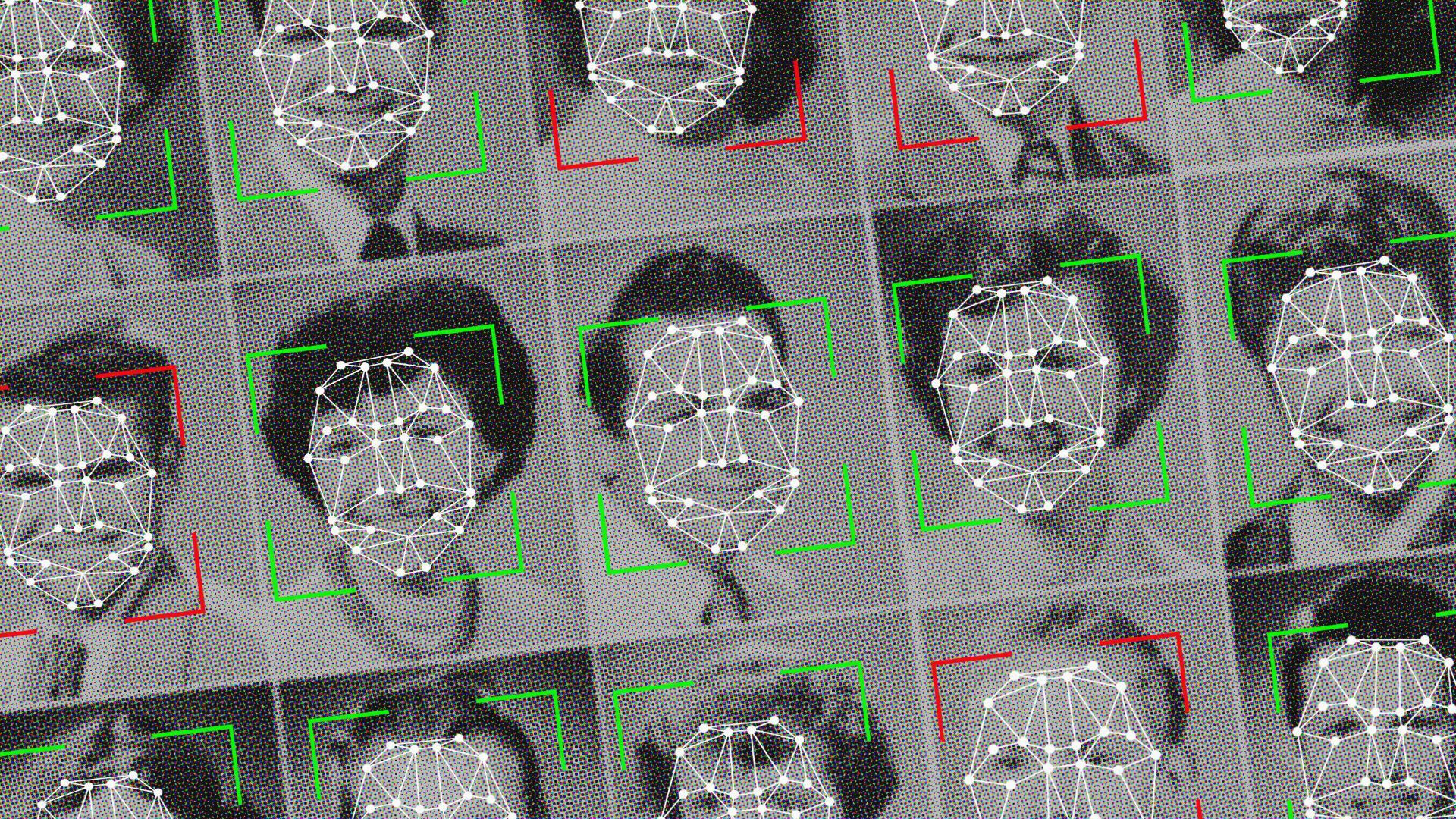
Facial recognition could be coming to a high school near you, with a western New York school district set to become the first in the nation to match its technology to databases of suspected threats, the AP's Carolyn Thompson reports.
Why it matters: This is another example of a school taking a safety measure that sacrifices student privacy as the gun safety debate rages nationwide.
For a decade, China repeatedly blocked Mark Zuckerberg's best efforts to crack its massive market of 770 million internet users. Now, Facebook has found a way in through a subsidiary registered in Hangzhou, according to government records reported by the New York Times.
The big picture: Even if it is allowed to do business in China, the Facebook subsidiary will be just a small step into China.
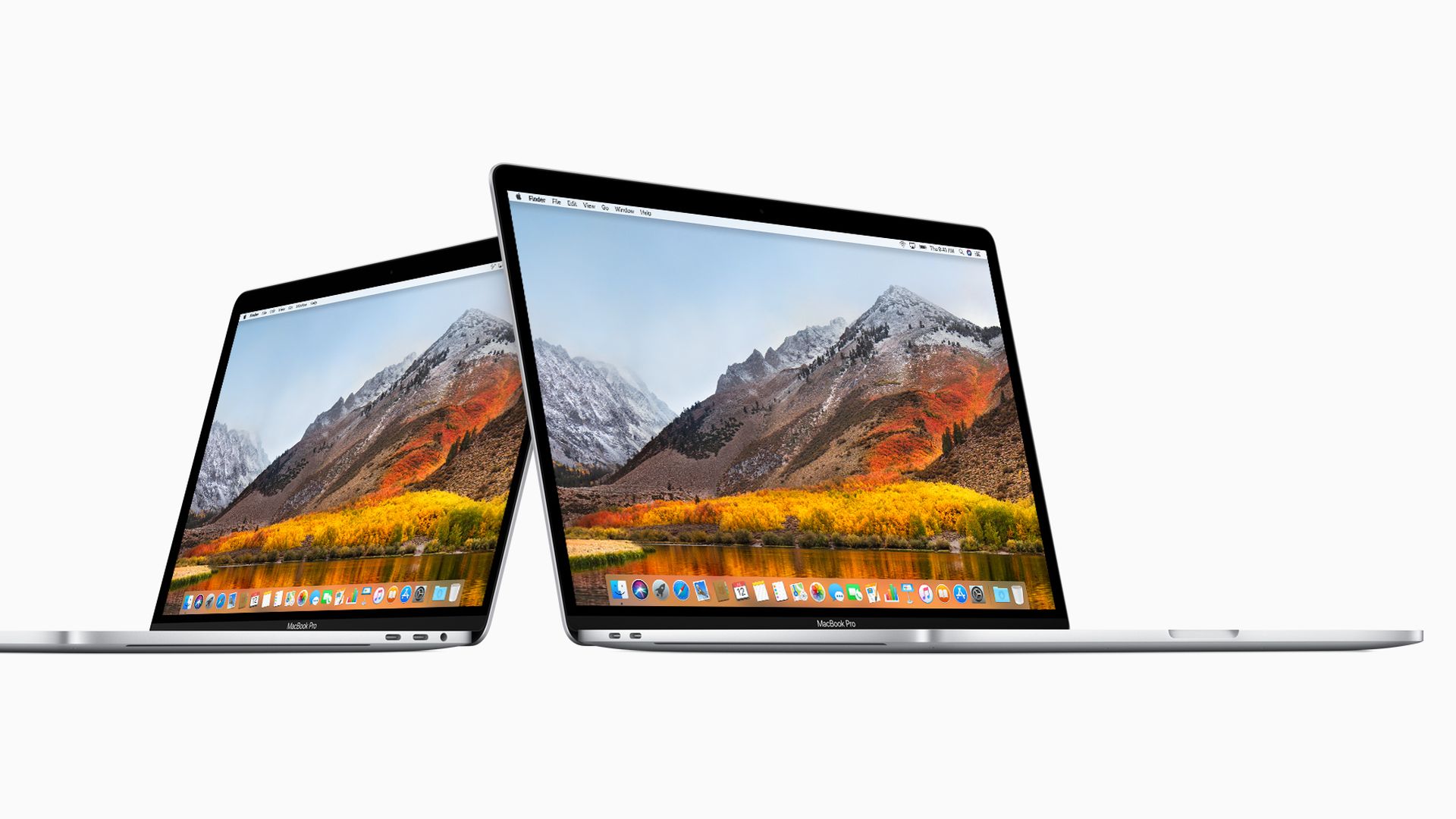
Apple says it has found a bug causing its latest MacBook Pros to deliver lower-than-expected performance, but says a software fix being released today should fix the issue.
Why it matters: Some reviewers and bloggers had noticed that the new MacBook Pros were, in some cases, delivering what appeared to be less than full performance from the Intel chip.
Mark Zuckerberg says Facebook shouldn't be in the business of removing pages that spread fake news and conspiracy theories on its platform. But there's still plenty of debate inside and outside the company over whether that's the right approach.
The bottom line: There are lots of ideas out there, but no consensus:
A new Pew Research Center study finds that after the 2016 election, Democrats in Congress posted on Facebook more often than Republicans, which is a startling difference from prior to the 2016 election.
Why it matters: The same Pew study from 2017 found that before Donald Trump became president, Republicans were much more likely to leverage social distribution networks, like Facebook, to communicate with their constituencies over press releases.
Microsoft is working with a small broadband provider to bring Internet service to portions of New York and Maine using so-called TV "white spaces."
Why it matters: After years about talking up the notion of bringing broadband to rural america via gaps in the TV airwaves, Microsoft has struck a commercial deal to do just that.
Facebook’s prioritization of openness and accessibility has made it a target of critics who say it isn't doing enough to stomp out fake news and misinformation.
Why it matters: Experts argue Facebook could do a number of things to reduce fake news. But almost every option could hit its bottom line or would challenge CEO Mark Zuckerberg’s long-term vision for the company.
Alphabet's stock was up over 5% Monday following the company's successful earnings reports.
Why it matters: The figures were reported just days after the EU announced that it would be slapping Google with one of it's biggest antitrust penalties ever.
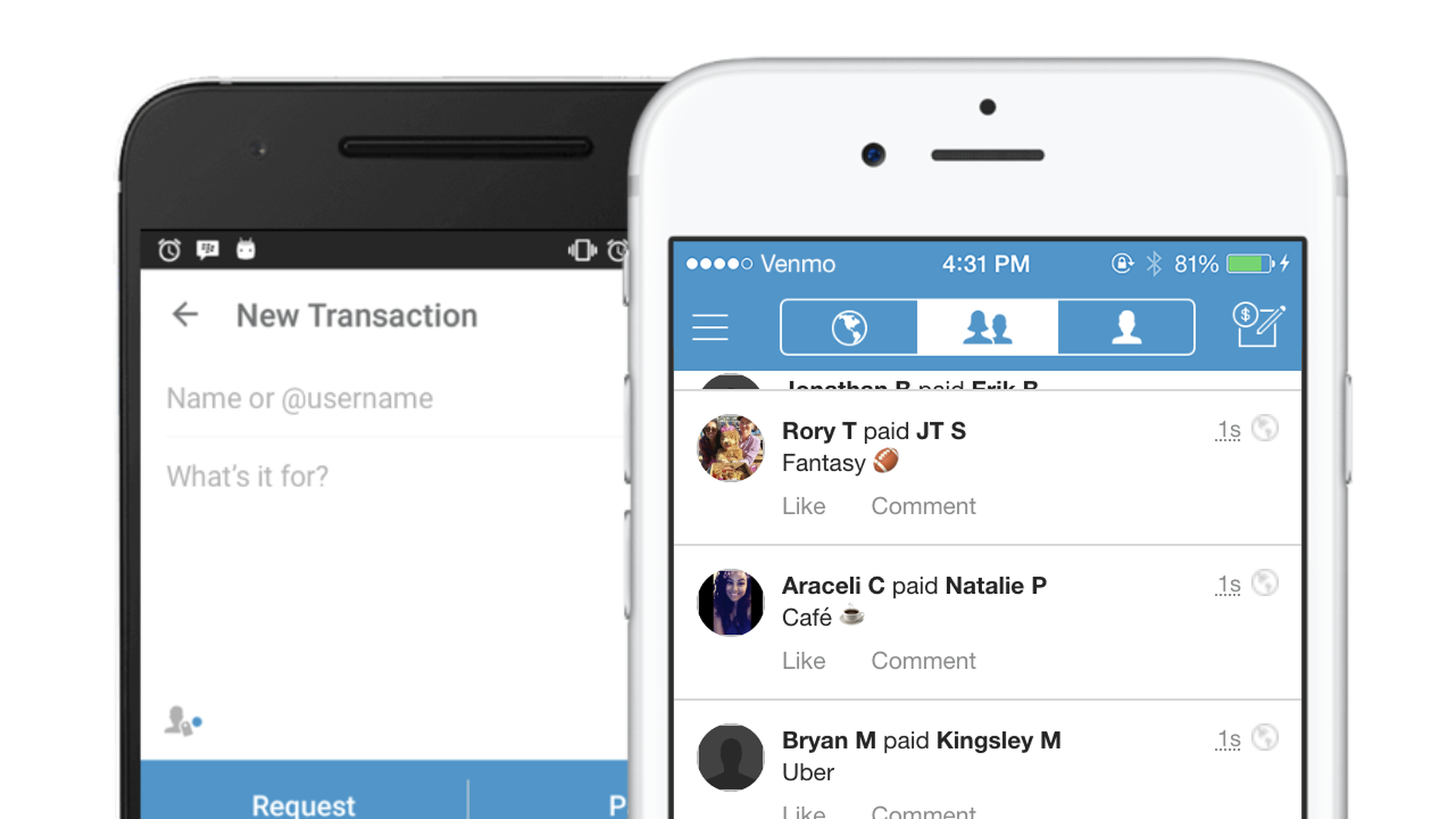
I'm late to the Venmo craze. I only signed up last week in hopes of getting everyone to pay me back for drinks and food for a tech reporter meet-up, but the craziest part to me was learning that transactions are made public by default.
Between the lines: Sharing transaction information publicly could reveal a lot, especially if one makes a lot of transactions over time. While designed for friends, information shared publicly could find its way into the hands of data brokers, credit monitors or others.
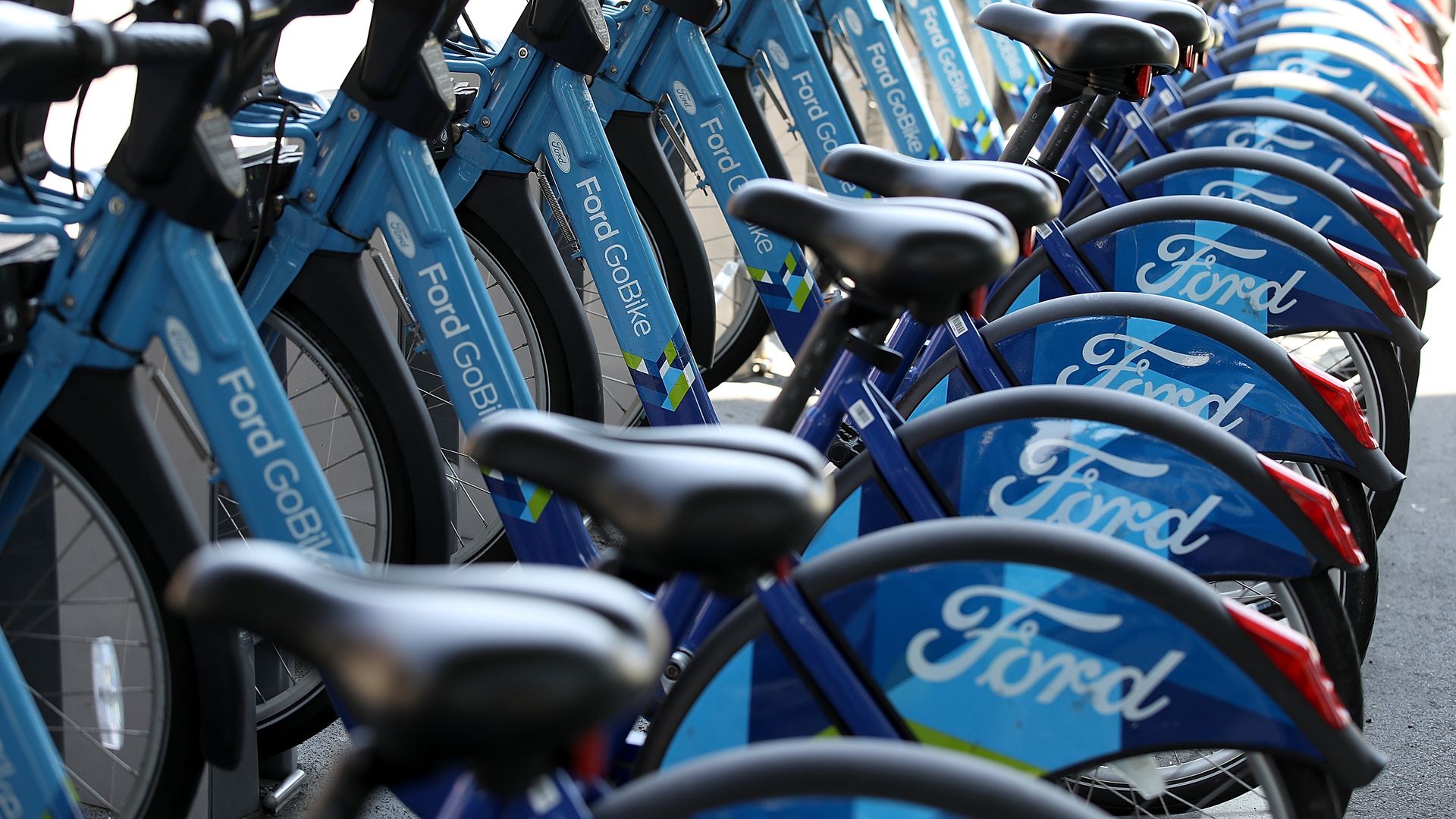
As well-funded tech companies are getting in the highly regulated scooter and bike-share business, subsidies for certain groups like low-income communities and students are emerging as the next battleground.
Why it matters: In cities like San Francisco, long-standing tensions between city officials and tech companies, namely Uber and Lyft, are back in the spotlight and could create problems for the latter group.