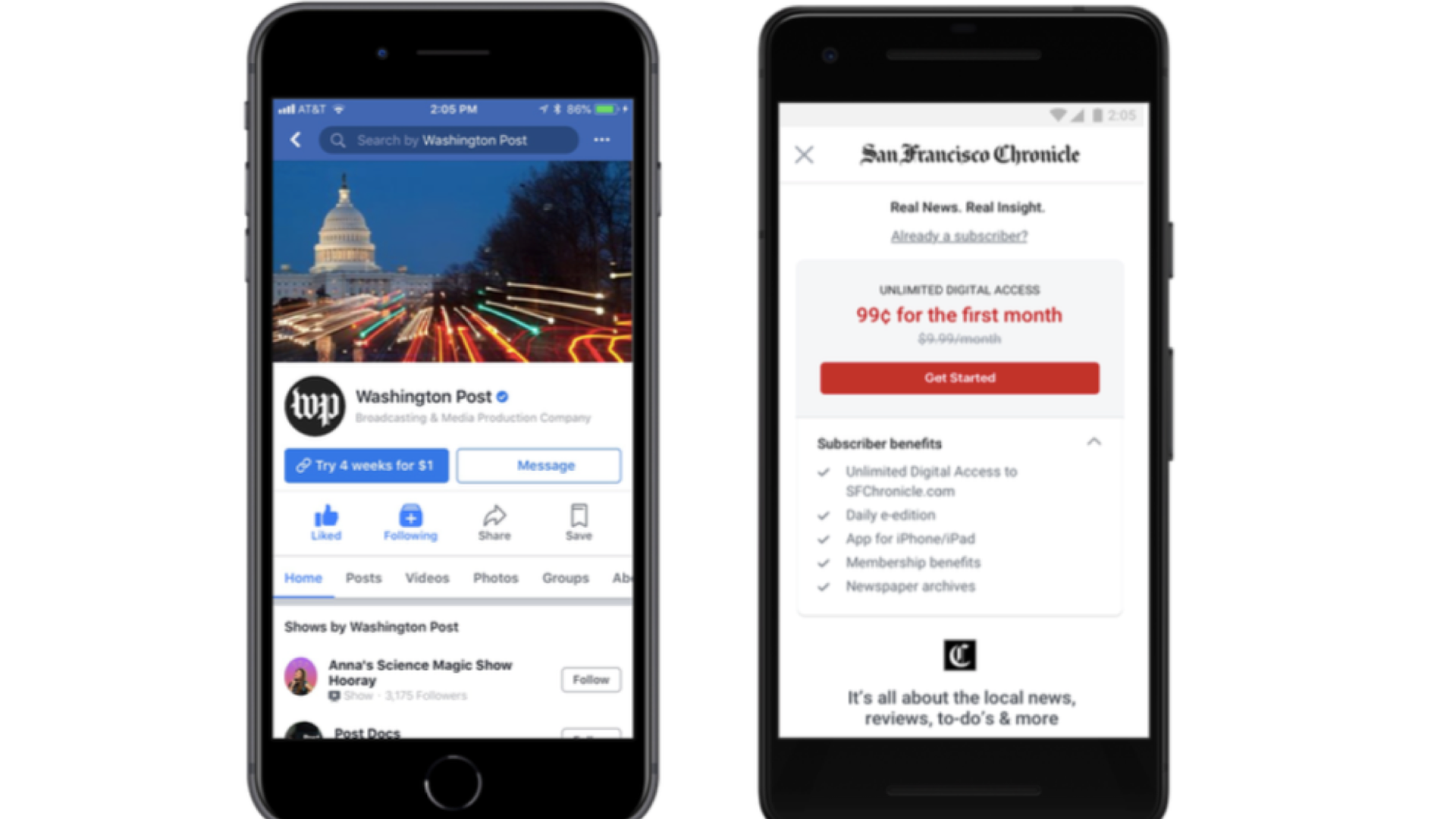
Facebook says that early tests for its news subscription product have been successful: People who saw Instant articles from publishers in its test group in May were 17% more likely to subscribe to those publications directly from Facebook than people who saw standard web links.
Why it matters: Facebook says the results show that its efforts to help publishers create meaningful revenue streams outside of advertising on are effective.
Apple and Samsung today settled their long-running dispute over smartphone patents.
Why it matters: The two sides began their fight in 2011, and it went as far as the Supreme Court. While the case has had less and less strategic importance in recent years, at one time it could have shifted the balance of the smartphone market.
If AI learns to think like a human, it could one day also be susceptible to stress and disorders like depression, according to a new paper from a trio of AI safety researchers.
Why it matters: Robots may not need therapy yet, but cognitive psychology is already a useful lens for understanding AI decision-making. And, some researchers say it's not too early to start planning for machines that could develop obsessive or depressive tendencies.
Trying to balance an open company culture against the pressures of Trump-era politics, Google last week rolled out new rules for internal debate, The Wall Street Journal reports.
Why it matters: The same dynamics that turned many public internet forums into free-fire zones between culture war antagonists and red state/blue state zealots have begun to roil the worlds inside Silicon Valley's walled gardens.
Brian Brackeen, CEO of facial-recognition company Kairos, said in an op-ed this week that police use of the technology is "irresponsible and dangerous."
The big picture: Last month, controversy erupted around news that at least two police departments have deployed or tested Amazon's Rekognition platform. Facial-recognition algorithms have been shown to be less accurate at identifying people of color, often because their images are underrepresented in the datasets that algorithms are trained on.
Lyft has raised $600 million in new funding led by existing investor Fidelity at a valuation of $15.1 billion post-money, up from $11.7 billion at the previous round.
Why it matters: Though Uber and Lyft remain in tight competition in the U.S. ride-hailing market, Lyft has been touting steady gains over its much larger competitor.
Snap Inc. is preparing to launch a platform this fall that will let developers create games that can be played on the Snapchat app, two sources tell The Information.
Why it matters: The company recently rolled out third-party developer tools that would allow developers to plug into the app's data, and vice versa. The move, which will help it compete with the likes of Facebook, will also help Snap build out new features, like games, to engage users.
IBM plans to release more than 1 million facial images to help better train the artificial intelligence behind facial recognition systems.
Why it matters: The risk of bias being built into AI systems is a major hurdle for all companies developing facial analysis algorithms to, for example, recognize different skin colors and other attributes in a non-discriminatory way. Since AI is only as good as the data that trains it, IBM thinks making a diverse dataset available will help root out bias.
Nearly all Republicans and Republican-leaning independents (92%) say that traditional news outlets knowingly report false or misleading stories at least sometimes, according to a new Axios/SurveyMonkey poll. Democrats and non-leaning independents also feel this way, but not nearly to the same extent.
Why it matters: The data shows that trust in the media is heavily influenced by partisan politics, with Republicans more skeptical of mainstream media than their Democratic and independent counterparts. Other studies from Gallup and Pew Research Center have drawn similar conclusions.
Get more stories like this bysigning up for our daily morning newsletter, Axios AM.
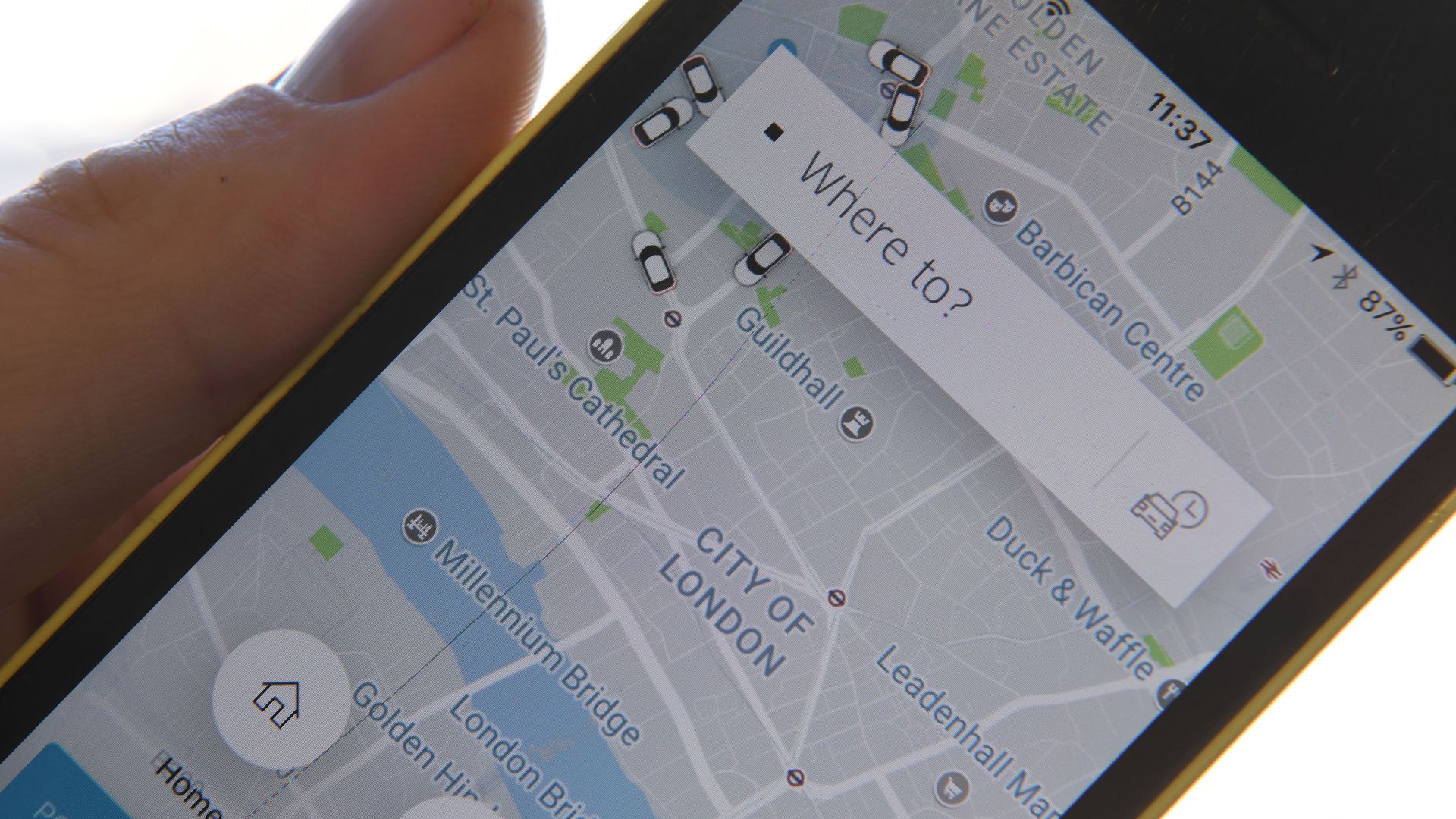
A London court has granted Uber a 15-month probationary license to operate in the city after the company appealed its transportation agency's decision not to renew its license last year.
Why it matters: Uber's new CEO, Dara Khosrowshahi, has been on a quest to improve the company's image and relationship with regulators since taking over in August.
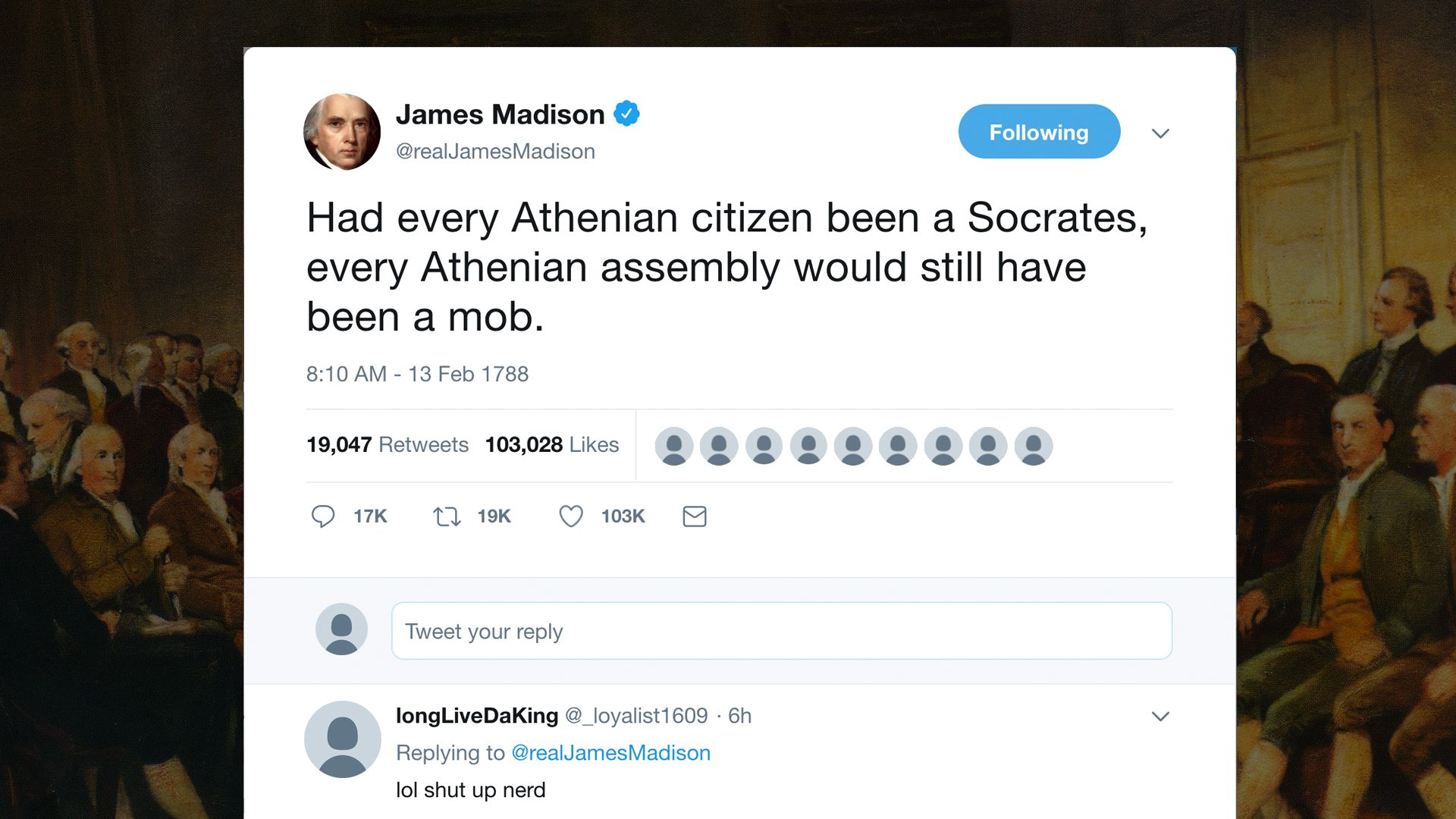
When people think about the challenge that Facebook and Twitter pose to our democracy, they don't often think about James Madison and the Federalist Papers. But perhaps they should, argues constitutional scholar Jeff Rosen.
The big picture: Social media runs counter to the type of government Madison and others hoped to create, Rosen argues. The whole point of having a republic with representative democracy was to slow down deliberation so that reason could prevail.
A quiet wager has taken hold among researchers who study AI techniques about whether someone will create a so-called Deepfake video about a political candidate that receives more than 2 million views before getting debunked by the end of 2018, writes Jeremy Tsu for IEEE Spectrum, a magazine edited by the Institute of Electrical and Electronics Engineers.
The bottom line: "It all comes down to when the technology may mature enough to digitally create fake but believable videos of politicians and celebrities saying or doing things that never actually happened in real life," Tsu writes.
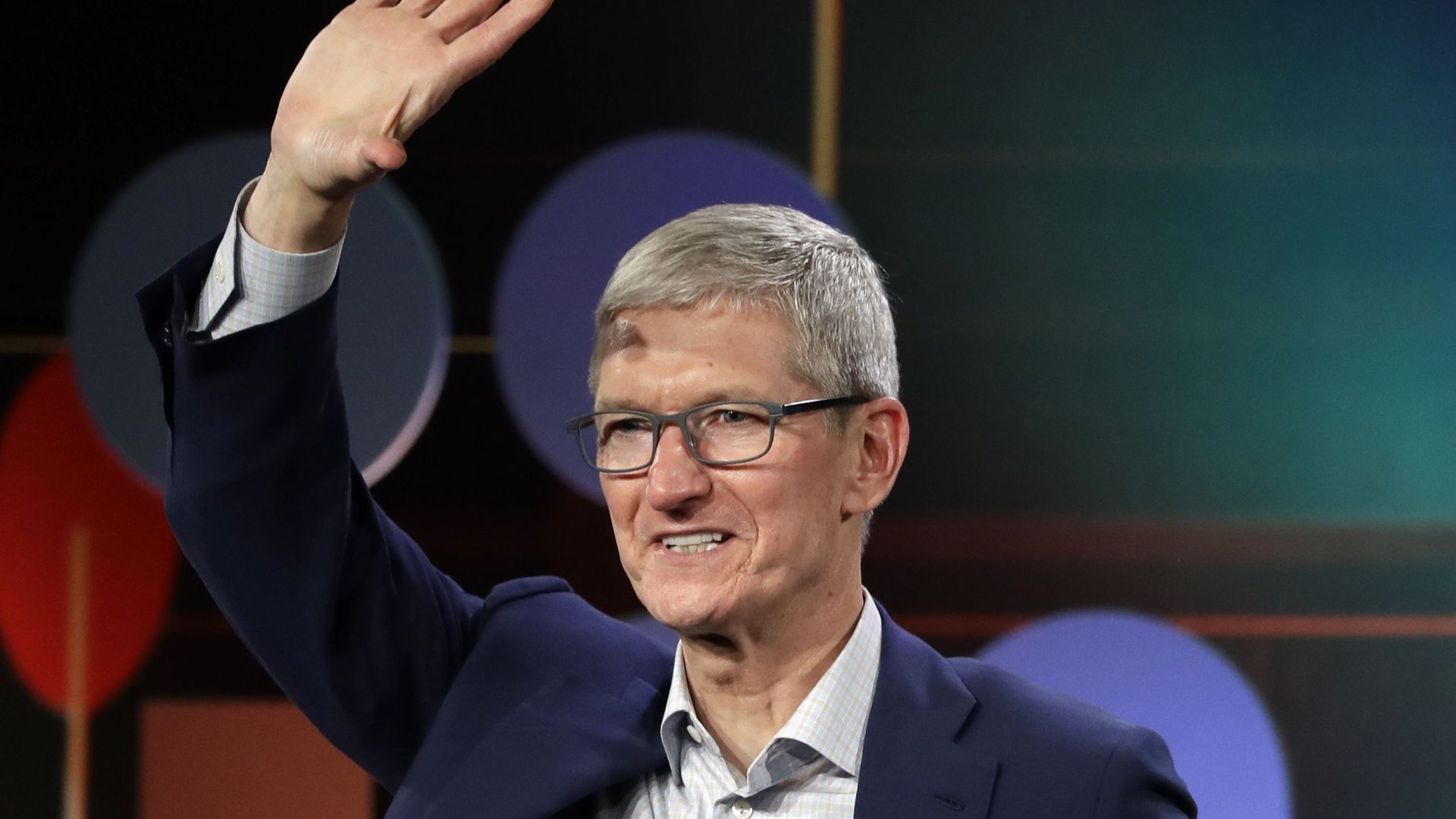
Apple CEO Tim Cook said in San Francisco last evening that the company will continue speaking out on issues that include education, privacy, human rights, immigration and the environment because the company has special expertise and "something to offer in those spaces."
What he's saying: "I don't want Apple to be another talking head, right? We should only speak when we have certain knowledge to bring to the subject ... It's not enough to be a large company."
The ripples of a Monday Supreme Court ruling in favor of American Express could be felt on the West Coast, with some arguing it would make it harder for antitrust enforcers to take on big online platforms like Google, Facebook and Amazon.
Why that matters: Many of tech’s most profitable firms have created two-sided markets: Google and Facebook serve consumers on one side and marketers on another. Uber links up riders and drivers. Amazon serves customers and also the merchants who use its platform. All these situations make defining a monopoly more difficult.
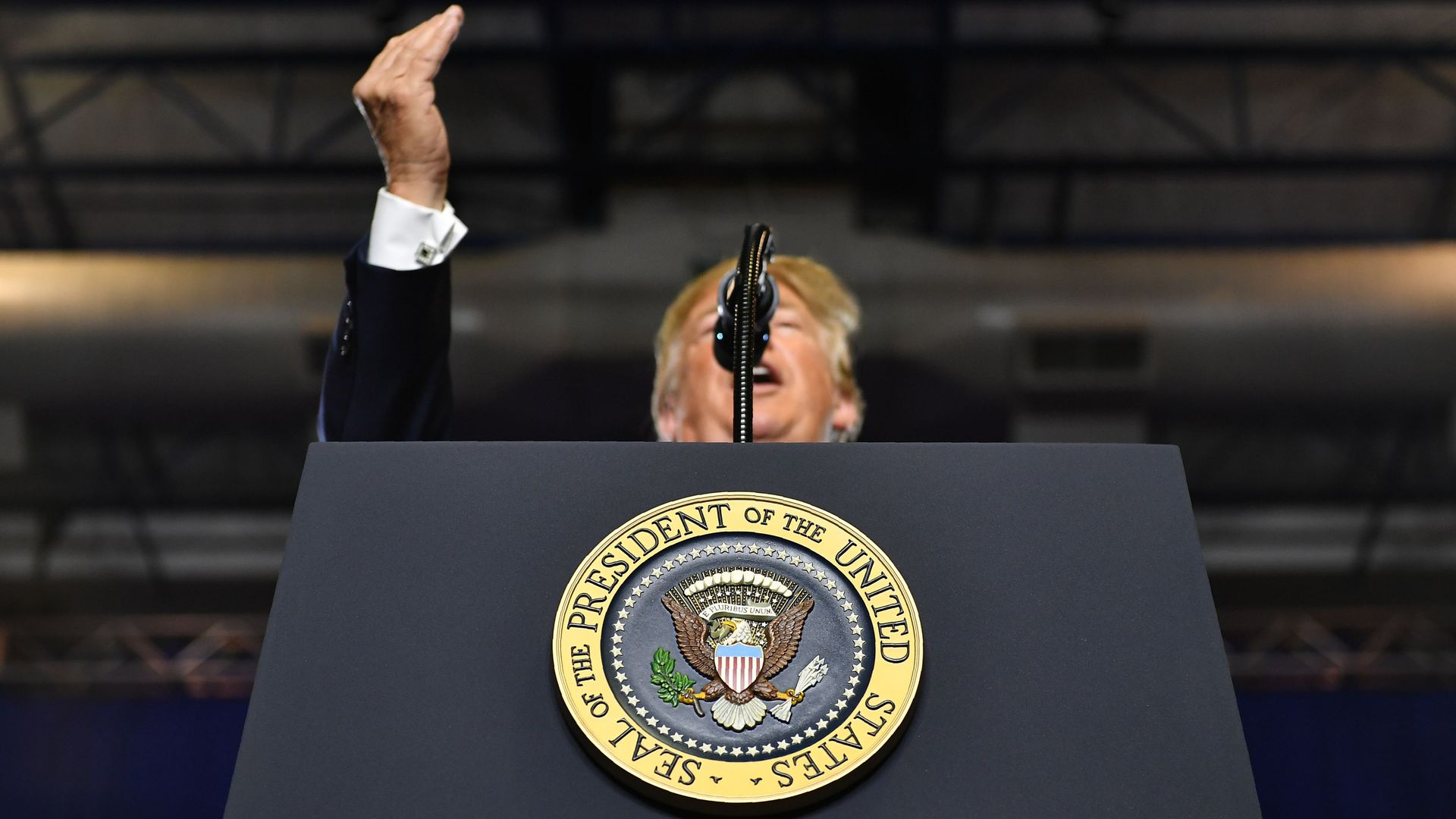
The U.S. is putting up relatively meager competition in a potent new global tech race that, combined with the wave of go-it-alone nationalism led by President Trump, is reshaping global politics and may lead to war, according to a major new report.
Why it matters: In the late 1950s, the U.S., facing a similar momentous challenge in Sputnik, threw all its resources into a single-minded effort to dominate the future. But this time the U.S is failing to grasp the urgency, argues the Atlantic Council, and it could blow the race to lead the age of "geotechnology."
Representatives from eight leading tech companies met last month with federal officials at Facebook's headquarters in Menlo Park to discuss ways to protect November's midterm elections, according to a New York Times report.
Why it matters: The companies at the meeting were a roster of industry power, including Apple, Amazon, Google, and Microsoft. Two of them, Facebook and Twitter, have faced particularly strong criticism for failing to limit the spread of misinformation on their platforms during the 2016 presidential election.