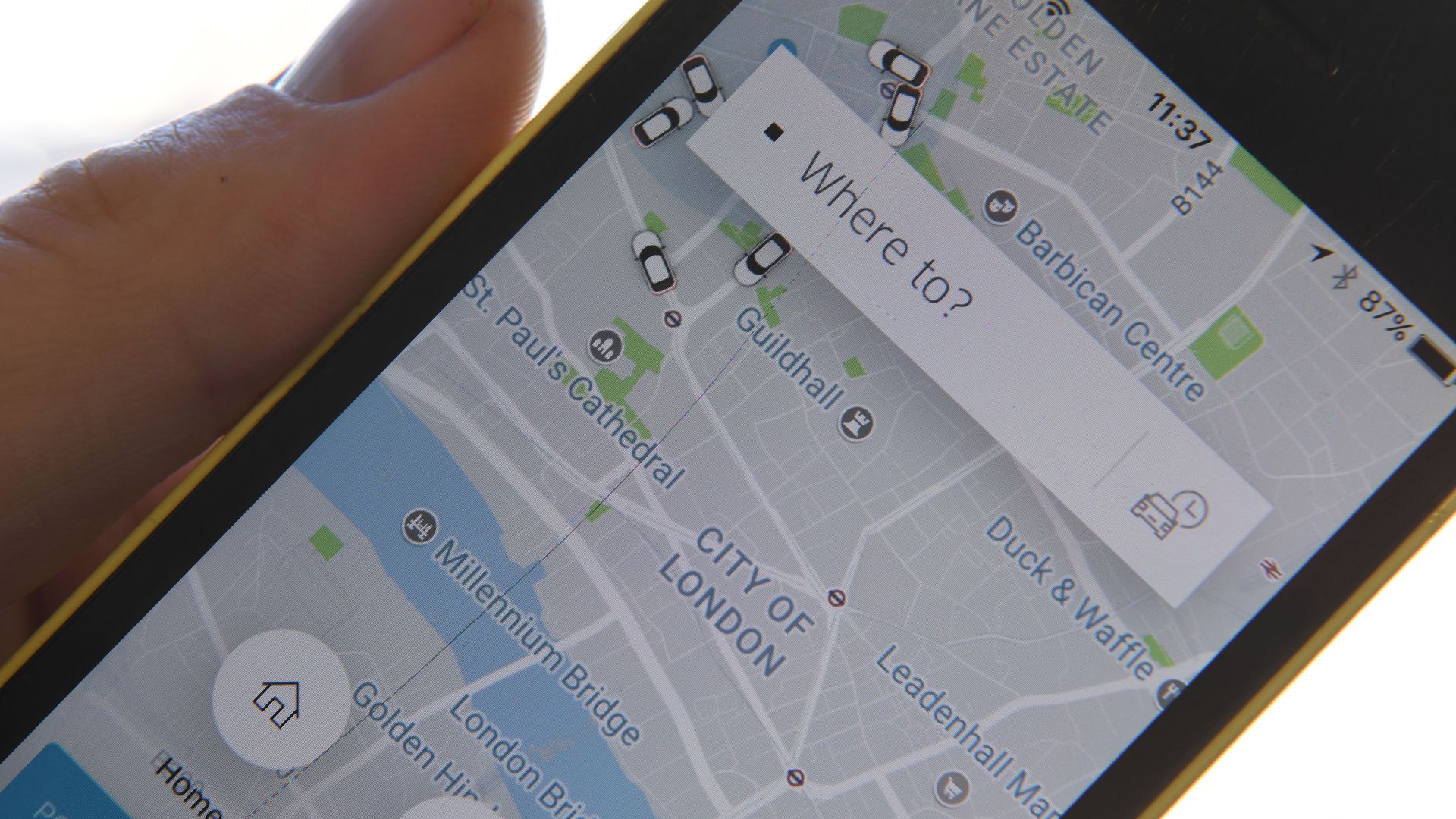
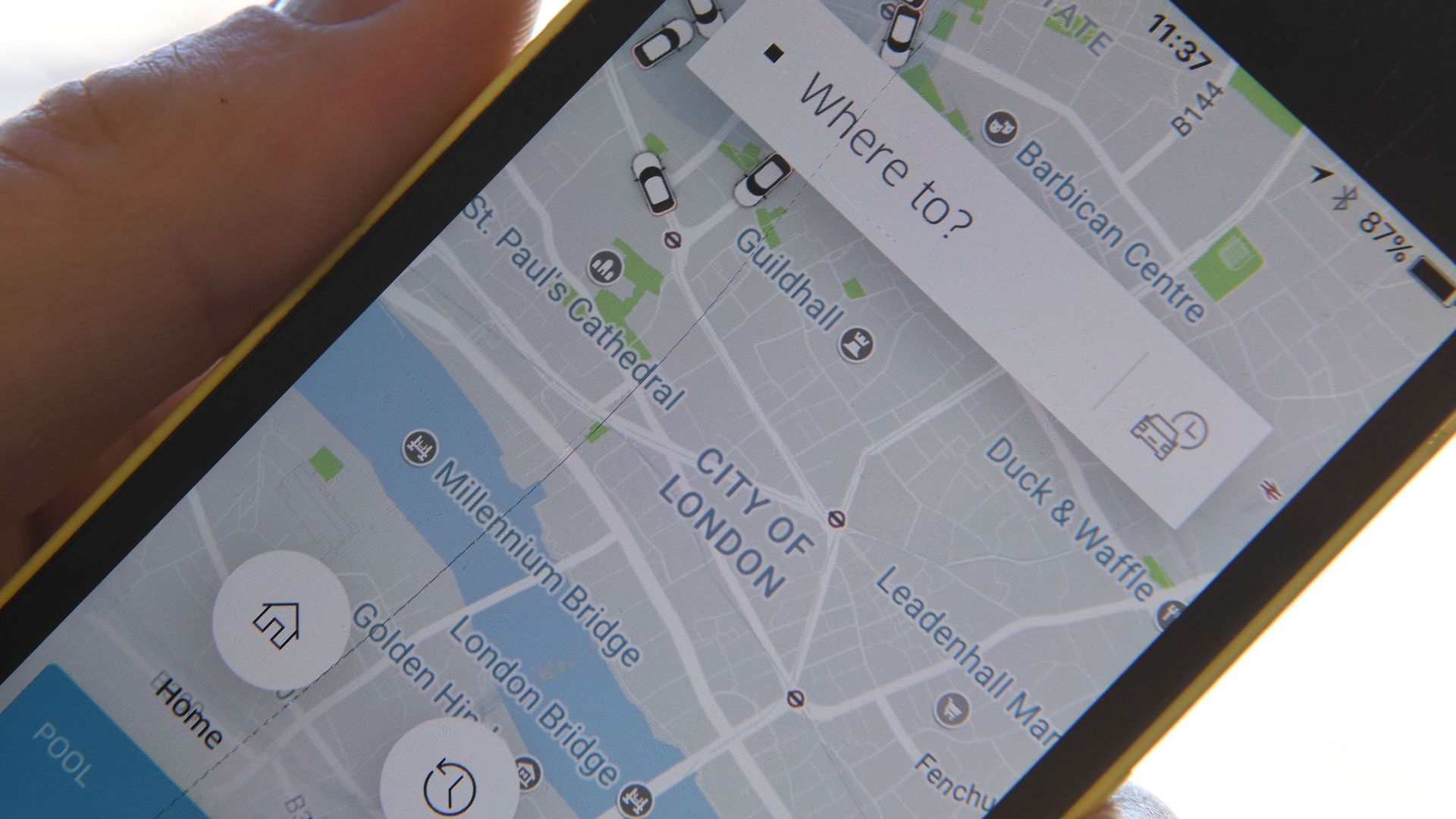
A London court has granted Uber a 15-month probationary license to operate in the city after the company appealed its transportation agency's decision not to renew its license last year.
Why it matters: Uber's new CEO, Dara Khosrowshahi, has been on a quest to improve the company's image and relationship with regulators since taking over in August.
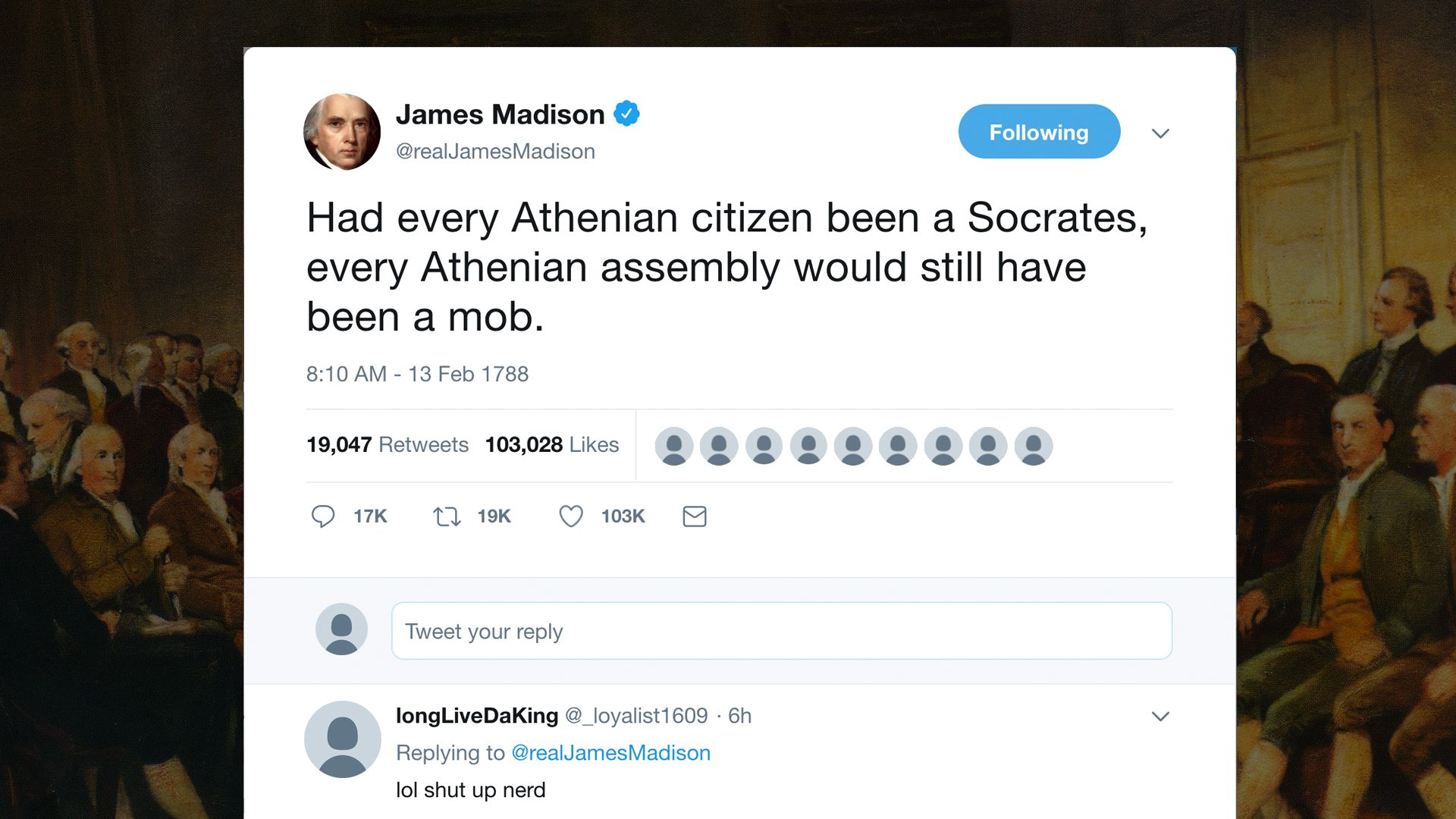
When people think about the challenge that Facebook and Twitter pose to our democracy, they don't often think about James Madison and the Federalist Papers. But perhaps they should, argues constitutional scholar Jeff Rosen.
The big picture: Social media runs counter to the type of government Madison and others hoped to create, Rosen argues. The whole point of having a republic with representative democracy was to slow down deliberation so that reason could prevail.
A quiet wager has taken hold among researchers who study AI techniques about whether someone will create a so-called Deepfake video about a political candidate that receives more than 2 million views before getting debunked by the end of 2018, writes Jeremy Tsu for IEEE Spectrum, a magazine edited by the Institute of Electrical and Electronics Engineers.
The bottom line: "It all comes down to when the technology may mature enough to digitally create fake but believable videos of politicians and celebrities saying or doing things that never actually happened in real life," Tsu writes.
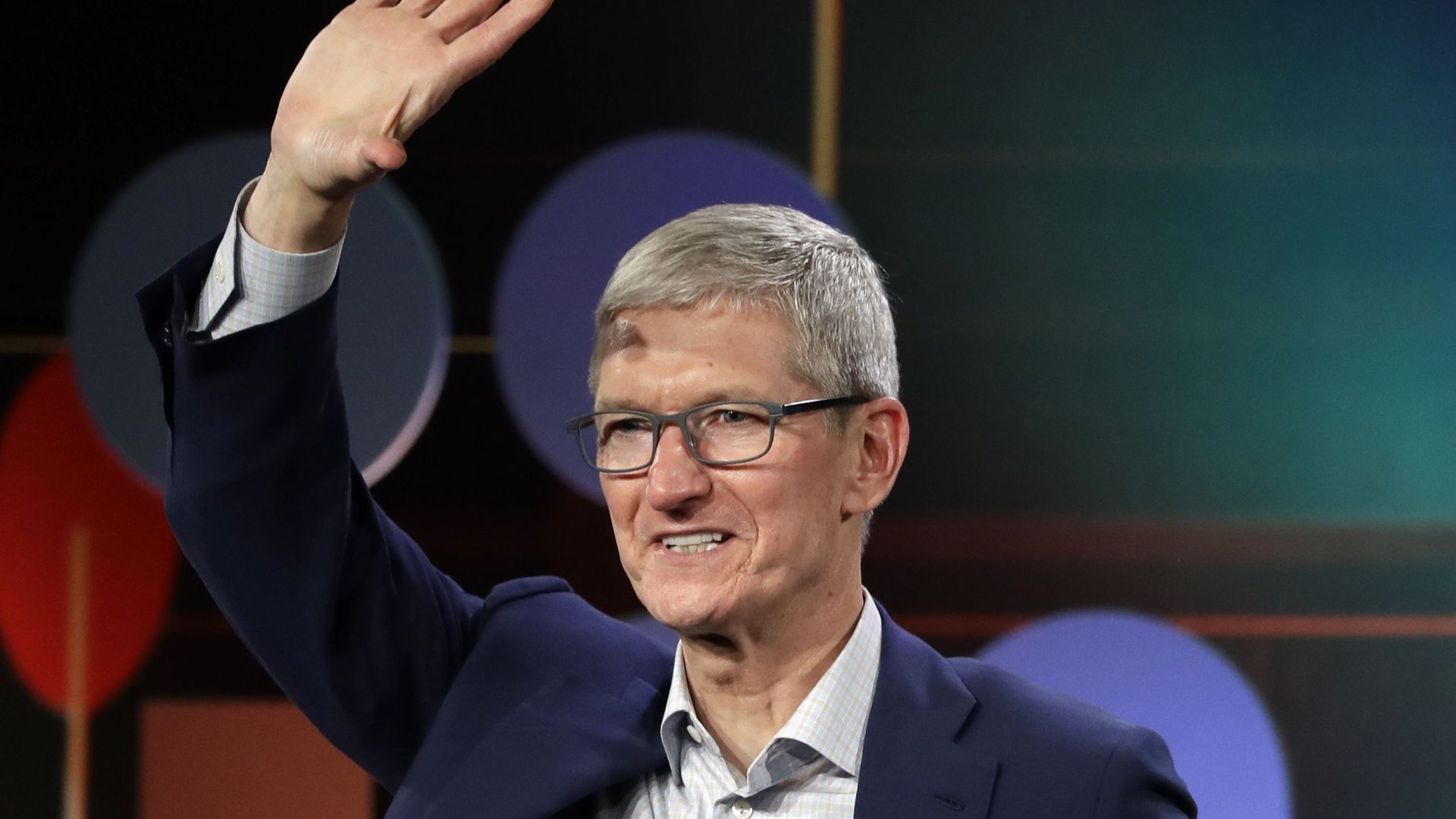
Apple CEO Tim Cook said in San Francisco last evening that the company will continue speaking out on issues that include education, privacy, human rights, immigration and the environment because the company has special expertise and "something to offer in those spaces."
What he's saying: "I don't want Apple to be another talking head, right? We should only speak when we have certain knowledge to bring to the subject ... It's not enough to be a large company."
The ripples of a Monday Supreme Court ruling in favor of American Express could be felt on the West Coast, with some arguing it would make it harder for antitrust enforcers to take on big online platforms like Google, Facebook and Amazon.
Why that matters: Many of tech’s most profitable firms have created two-sided markets: Google and Facebook serve consumers on one side and marketers on another. Uber links up riders and drivers. Amazon serves customers and also the merchants who use its platform. All these situations make defining a monopoly more difficult.
The U.S. is putting up relatively meager competition in a potent new global tech race that, combined with the wave of go-it-alone nationalism led by President Trump, is reshaping global politics and may lead to war, according to a major new report.
Why it matters: In the late 1950s, the U.S., facing a similar momentous challenge in Sputnik, threw all its resources into a single-minded effort to dominate the future. But this time the U.S is failing to grasp the urgency, argues the Atlantic Council, and it could blow the race to lead the age of "geotechnology."
Representatives from eight leading tech companies met last month with federal officials at Facebook's headquarters in Menlo Park to discuss ways to protect November's midterm elections, according to a New York Times report.
Why it matters: The companies at the meeting were a roster of industry power, including Apple, Amazon, Google, and Microsoft. Two of them, Facebook and Twitter, have faced particularly strong criticism for failing to limit the spread of misinformation on their platforms during the 2016 presidential election.
Apple just released a public beta version of iOS 12, the next version of the iPhone operating system due out this fall.
Why it matters: Apple’s software update provides a strong sense of where the iPhone is going. While you can’t buy a new iPhone until the fall, you can make yours new with a free software update.
The Red Hen, a popular D.C. restaurant, has learned the hard way that sharing a name with a restaurant at the center of a viral story can be “truly insane.”
The big picture: The restaurant was mistaken for the Red Hen in Lexington, Va., which asked White House Press Secretary Sarah Sanders to leave on Friday. In a testament to the power of social media and how quickly misinformation can spread, owner and chef Michael Friedman's restaurant has fielded a barrage of threats and attacks.
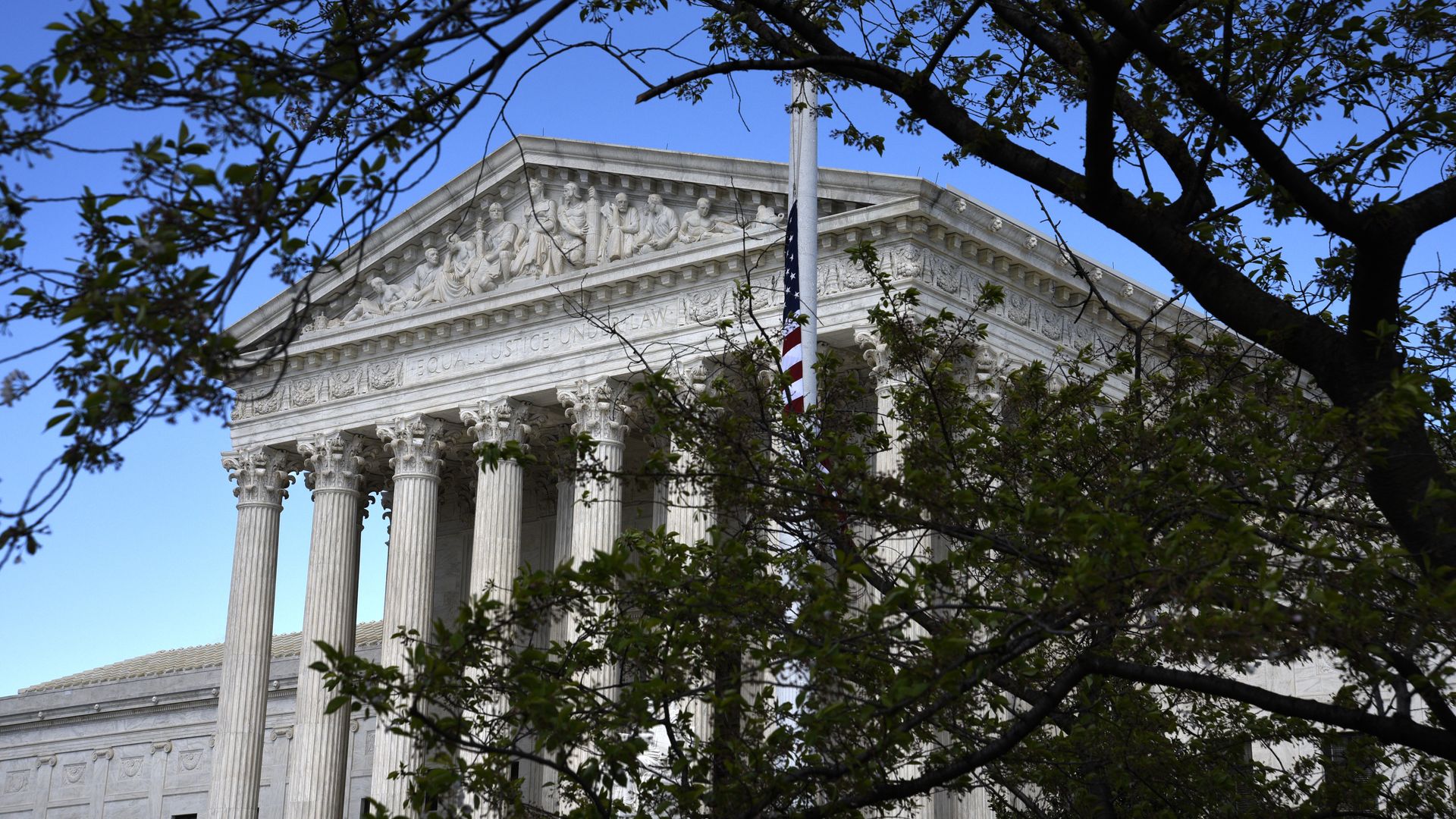
The Supreme Court upheld Monday a lower court ruling that American Express didn't violate federal antitrust laws when it told retailers that took Amex that they couldn't encourage customers to use cards, like Discover, that charge merchants lower fees.
Why it matters: Today's decision may give the tech giants more ammunition to argue against the growing number of critics who believe their power is an competitive concern. Amazon, Facebook, Google and Uber — like American Express — run two-sided markets. The court said, effectively, that antitrust cases against two-sided market companies should sometimes have to consider both sides.
VSCO, a mobile app for editing and sharing photos, has made a couple key hires as it looks to capitalize on its growing popularity among teens.
The bottom line: Despite being much smaller than some other photo-sharing apps — Instagram now has one billion monthly users —VSCO thinks it has a chance at building a sustainable business. It recently revealed that its one-year-old subscription product, VSCO X, now has more than one million paying users. Plus, with only 20% of its users being in the U.S., it believes there’s a large global market where it can grow.
Privacy and government affairs officers from a number of the largest tech companies plan to convene in San Francisco on Wednesday to discuss how to tackle growing questions and concerns about consumer privacy online.
Why it matters: It's been a tough year for the industry on the privacy front, driven largely by Europe's new privacy regime and the media frenzy around Facebook's Cambridge Analytica data scandal.
On Monday, hearings will begin at London's Westminster Magistrates’ Court for Uber's appeal of a September decision by the city's transportation authority not to renew its operating license, according to Reuters.
Why it matters: Though Uber will be allowed to continue operating throughout the legal fight, which could span years, this will be one of the biggest tests of CEO Dara Khosrowshahi's efforts since taking over to improve the ride-hailing giant's image and relationship with authorities.
Two U.S. Supreme Court decisions last week, about online sales taxes and law enforcement access to cellphone location data, landed like thunderbolts in two key tech-industry domains — e-commerce and privacy law.
Why it matters: While Silicon Valley has been preoccupied with Congressional hearings and regulators both at home and abroad, these decisions were a reminder that the Supreme Court's refittings of constitutional principles to new technological realities will have a strong hand in shaping the digital future.
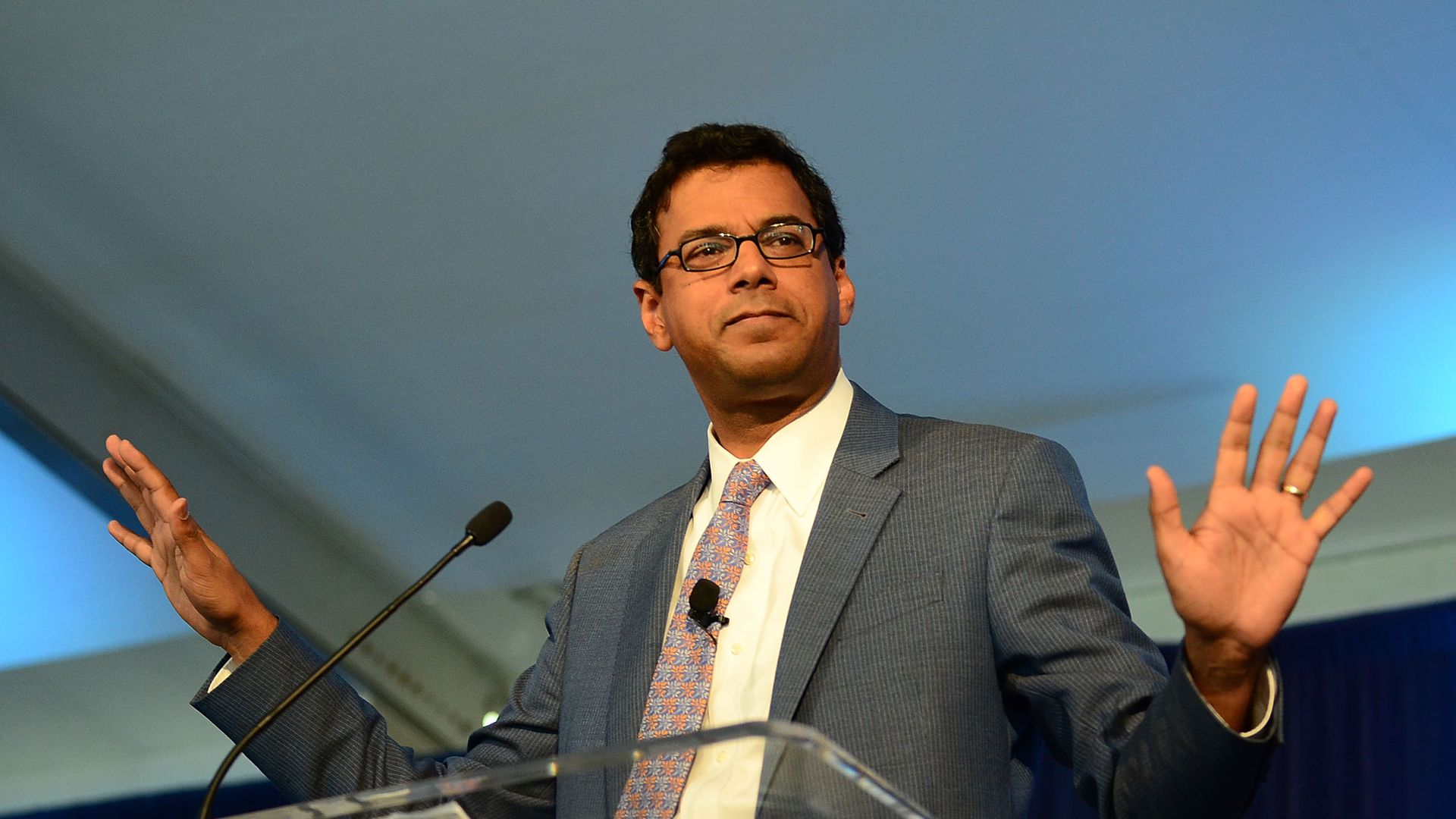
Atul Gawande, the newly minted CEO of the new health care project from Amazon, Berkshire Hathaway and JPMorgan Chase shared some initial thoughts about the venture at the Aspen Ideas Festival this weekend.
His priorities: "Better outcomes, better satisfaction with care, and better cost efficiency, with new models that can be incubated for all."