The Securities and Exchange Commission has charged a former software developer, Sudhakar Reddy Bonthu, with insider trading in advance of last year’s massive data breach that exposed 148 million Americans’ personal information.
Timing: The former chief information officer of Equifax’s U.S. Information Solutions, Jun Ying, was charged with insider trading in March.
California's governor has signed a bill placing new data privacy restrictions on companies like Google and Facebook that will go into effect in 2020.
Why it matters: The approval of the law heads off a ballot measure on the same issue that was moving toward a statewide vote in the November election — its supporters agreed to pull the measure if the law was approved.
A new company wants to help people make movies by outsourcing the grunt work — scheduling, budgeting, script analysis — to AI. Starting from a human-written script, its algorithms can draft a budget and a shooting schedule, and even look for plot holes.
Why it matters: Debajyoti Ray, the founder of Rivet.ai, says that AI tools can cut down on uncertainty and allow production companies to take bigger risks rather than re-making the same superhero movie dozens of times.
More than half of Republicans believe it is "very likely" that social media platforms intentionally censor political views that they consider “objectionable,” according to a new poll from the Pew Research Center.
Why it matters: Surveys show that Americans of all stripes don't always trust the information they receive from both mainstream media and Silicon Valley's online platforms. The trend is especially marked among Republicans.
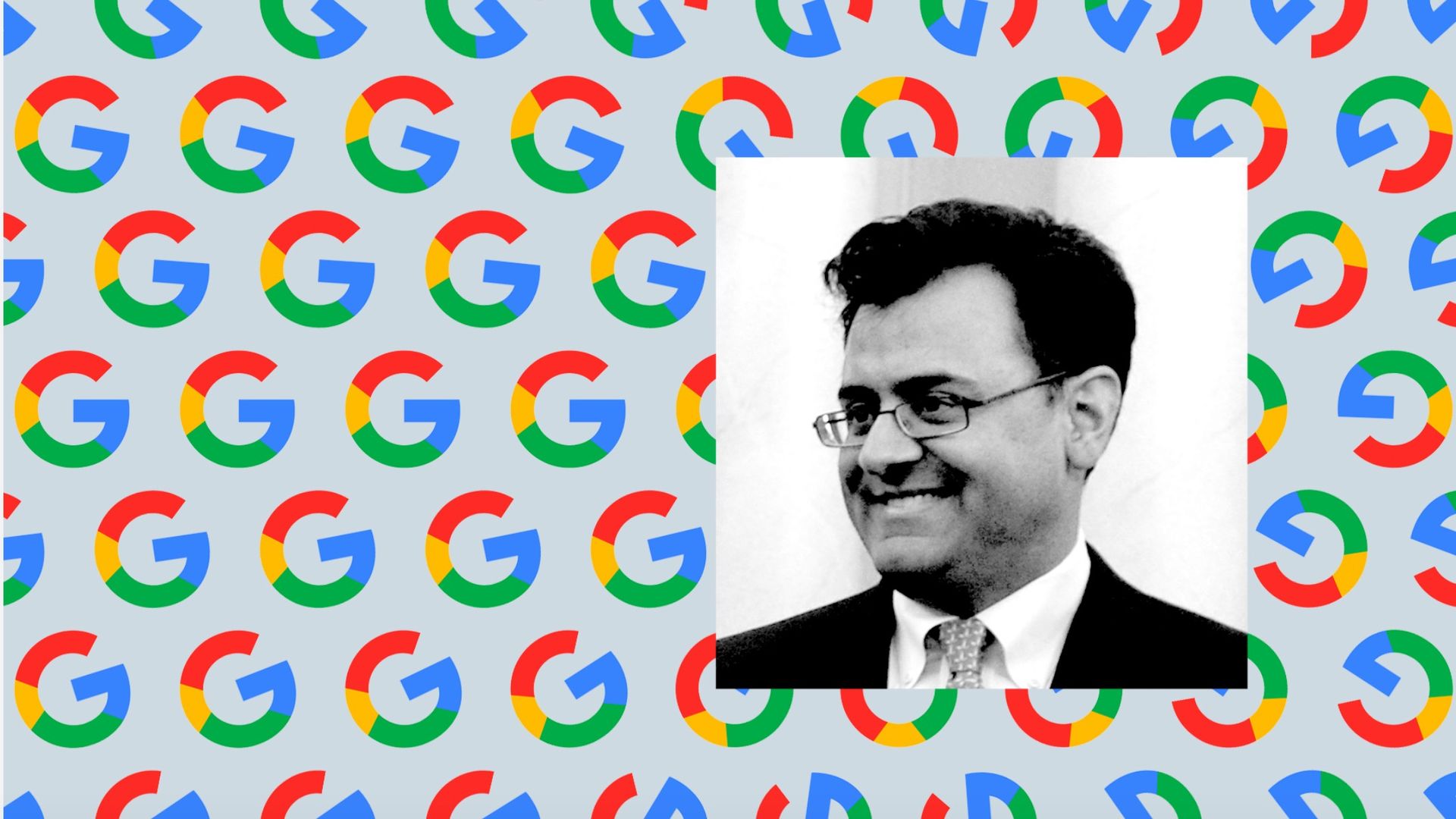
Google has hired Karan Bhatia as its new Global Head of Policy to lead the company's policy discussions around major topics such as AI, job creation and infrastructure. Bhatia comes from GE, where he is President of GE's Government Affairs and Policy function.
Why it matters: The global policy role has been vacant for some time, just as Google and other tech companies are dealing with increased scrutiny domestically and internationally.
Amazon has agreed to acquire Boston-based online pharmacy PillPack, which had previously been in takeover talks with Walmart.
Our thought bubble, via Axios tech editor Scott Rosenberg:Amazon's entry into the prescription market is a natural follow-on to its move (with Warren Buffett and JP Morgan Chase) into the broader healthcare field. But while that high-profile effort seems to be aimed, at least for now, at its own workforce, this acquisition is more likely to make big waves sooner in the competitive and huge drug market.
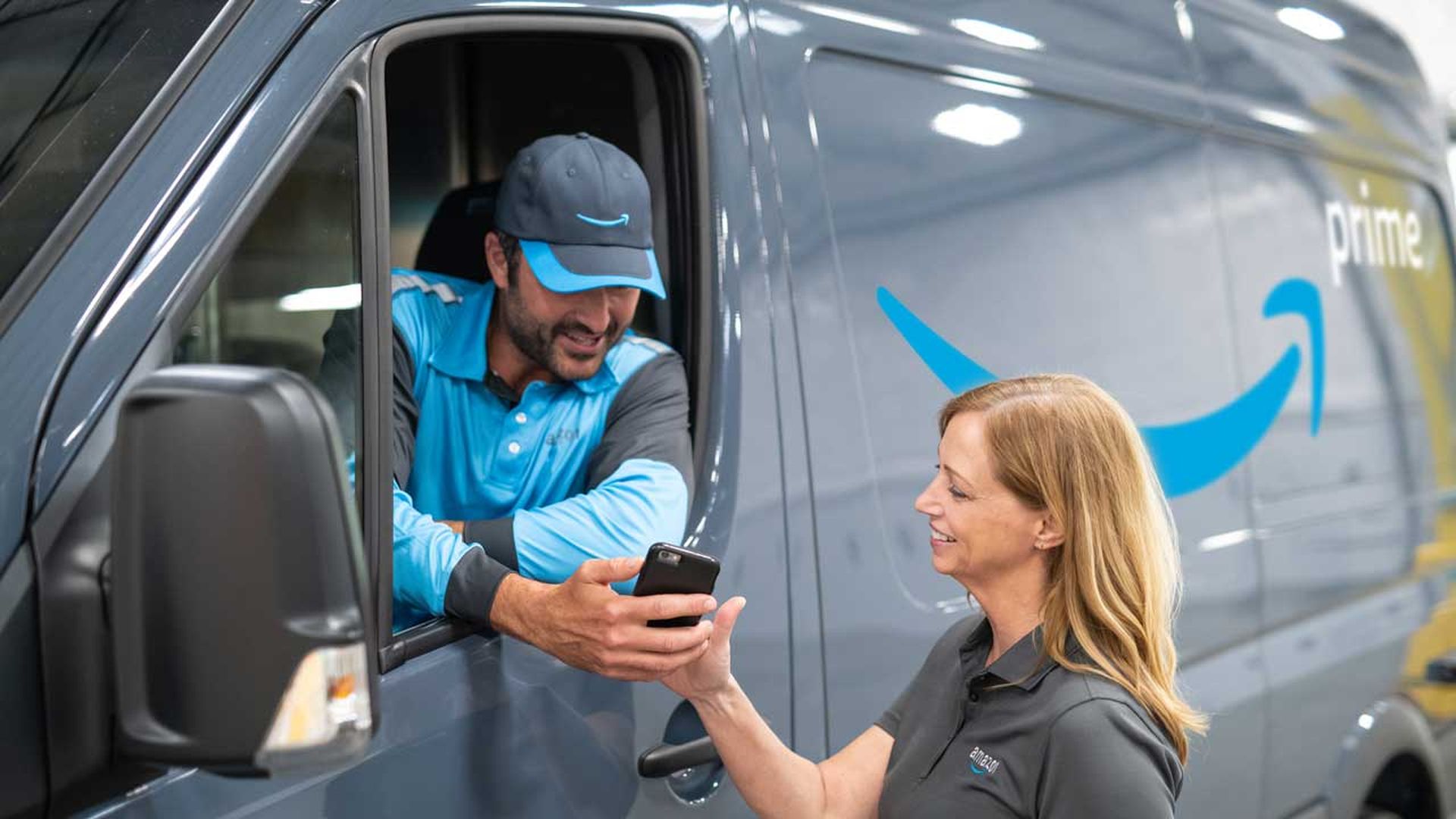
Amazon has unveiled a new program that lets entrepreneurs set up their own delivery business — with the option to lease and buy Amazon-branded vans and gear and handle some of the retail giant's deliveries.
The big picture: Amazon is known for constantly looking for new ways to fulfill and deliver its orders more efficiently, often by gaining more control over the process. Last year, for example, the company announced a fleet of cargo planes. It also already pays people to deliver orders with their own cars through its Flex program.
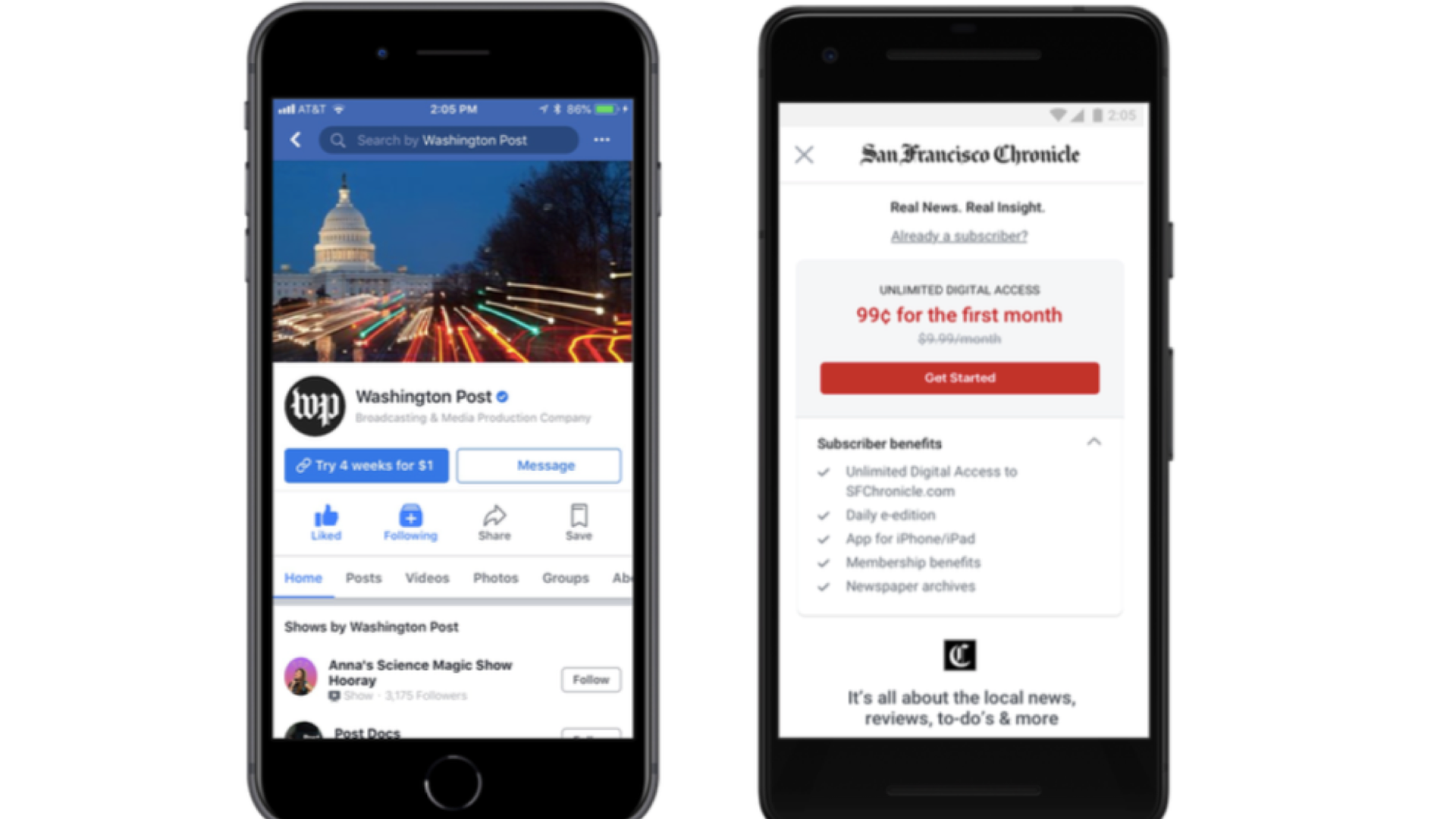
Facebook says that early tests for its news subscription product have been successful: People who saw Instant articles from publishers in its test group in May were 17% more likely to subscribe to those publications directly from Facebook than people who saw standard web links.
Why it matters: Facebook says the results show that its efforts to help publishers create meaningful revenue streams outside of advertising on are effective.
Apple and Samsung today settled their long-running dispute over smartphone patents.
Why it matters: The two sides began their fight in 2011, and it went as far as the Supreme Court. While the case has had less and less strategic importance in recent years, at one time it could have shifted the balance of the smartphone market.
If AI learns to think like a human, it could one day also be susceptible to stress and disorders like depression, according to a new paper from a trio of AI safety researchers.
Why it matters: Robots may not need therapy yet, but cognitive psychology is already a useful lens for understanding AI decision-making. And, some researchers say it's not too early to start planning for machines that could develop obsessive or depressive tendencies.
Trying to balance an open company culture against the pressures of Trump-era politics, Google last week rolled out new rules for internal debate, The Wall Street Journal reports.
Why it matters: The same dynamics that turned many public internet forums into free-fire zones between culture war antagonists and red state/blue state zealots have begun to roil the worlds inside Silicon Valley's walled gardens.
Brian Brackeen, CEO of facial-recognition company Kairos, said in an op-ed this week that police use of the technology is "irresponsible and dangerous."
The big picture: Last month, controversy erupted around news that at least two police departments have deployed or tested Amazon's Rekognition platform. Facial-recognition algorithms have been shown to be less accurate at identifying people of color, often because their images are underrepresented in the datasets that algorithms are trained on.
Lyft has raised $600 million in new funding led by existing investor Fidelity at a valuation of $15.1 billion post-money, up from $11.7 billion at the previous round.
Why it matters: Though Uber and Lyft remain in tight competition in the U.S. ride-hailing market, Lyft has been touting steady gains over its much larger competitor.
Snap Inc. is preparing to launch a platform this fall that will let developers create games that can be played on the Snapchat app, two sources tell The Information.
Why it matters: The company recently rolled out third-party developer tools that would allow developers to plug into the app's data, and vice versa. The move, which will help it compete with the likes of Facebook, will also help Snap build out new features, like games, to engage users.
IBM plans to release more than 1 million facial images to help better train the artificial intelligence behind facial recognition systems.
Why it matters: The risk of bias being built into AI systems is a major hurdle for all companies developing facial analysis algorithms to, for example, recognize different skin colors and other attributes in a non-discriminatory way. Since AI is only as good as the data that trains it, IBM thinks making a diverse dataset available will help root out bias.
Nearly all Republicans and Republican-leaning independents (92%) say that traditional news outlets knowingly report false or misleading stories at least sometimes, according to a new Axios/SurveyMonkey poll. Democrats and non-leaning independents also feel this way, but not nearly to the same extent.
Why it matters: The data shows that trust in the media is heavily influenced by partisan politics, with Republicans more skeptical of mainstream media than their Democratic and independent counterparts. Other studies from Gallup and Pew Research Center have drawn similar conclusions.
Get more stories like this bysigning up for our daily morning newsletter, Axios AM.