Uber's head of ride-hailing in the U.S. and Canada, Rachel Holt, is taking on a new role: overseeing the company's "new modalities" efforts, which include bike and scooter-sharing, and hourly car rentals.
Why it matters: The move underscores Uber's ambition to go beyond car rides to offer a number of modes of transportation to customers, as new-CEO Dara Khosrowshahi has explained. In the last few months, Uber has acquired bike-sharing company Jump and announced plans to add a scooter service.
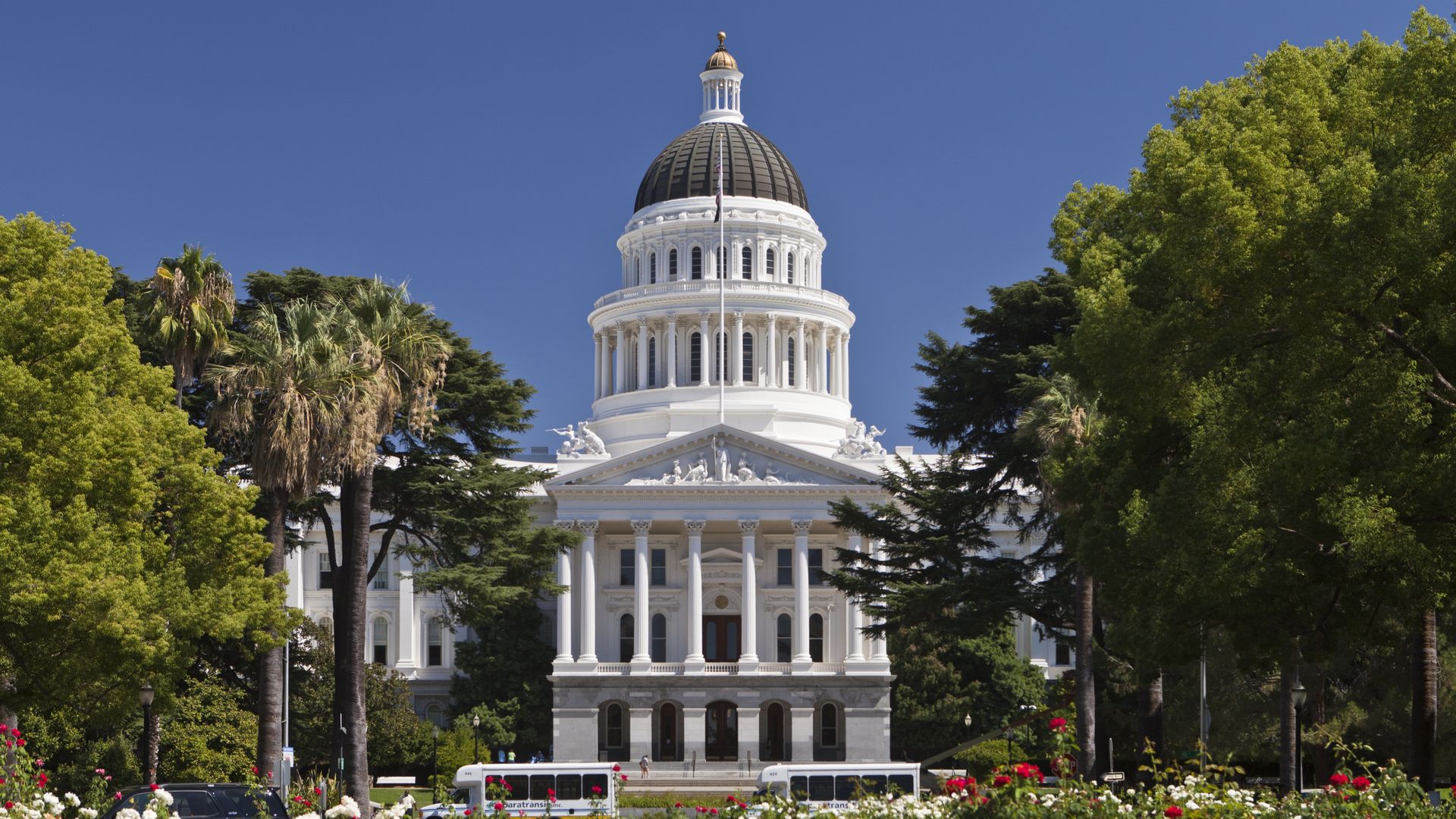
California's privacy bill was signed into law on Thursday, and the reaction has been an assortment of mixed feelings.
The big picture: Several tech companies, nonprofits and interest groups released statements about the new privacy law anticipating what it may mean for how future policy will be introduced on a global scale.
The privacy bill signed into law in California on Thursday won’t settle the global fight over privacy, but it does usher in a new phase that could lead to a new national model for regulating data online.
The big picture: Policymakers around the globe — in Washington, Brussels and now Sacramento — are all articulating different visions of how consumer data should be handled online. There may only be one internet, but there are many jurisdictions, and tech's colossus companies must deal with all of them.
Instagram is becoming one of the most significant drivers of user growth and revenue for its parent company, Facebook Inc.
Why it matters: Facebook's acquisition of Instagram has proven to be one of its most important business moves. The Instagram surge comes as Facebook's flagship platform is experiencing slowed user growth in North America due to already-high user penetration.
Top pharmacy stocks were hammered Thursday after Amazon announced plans to purchase online pharmacy startup Pillpack for a reported $1 billion in cash.
The bottom line: Six of America's largest pharmacies lost$15.2 billion in market cap, while Amazon gained $19.6 billion.
The Securities and Exchange Commission has charged a former software developer, Sudhakar Reddy Bonthu, with insider trading in advance of last year’s massive data breach that exposed 148 million Americans’ personal information.
Timing: The former chief information officer of Equifax’s U.S. Information Solutions, Jun Ying, was charged with insider trading in March.
California's governor has signed a bill placing new data privacy restrictions on companies like Google and Facebook that will go into effect in 2020.
Why it matters: The approval of the law heads off a ballot measure on the same issue that was moving toward a statewide vote in the November election — its supporters agreed to pull the measure if the law was approved.
A new company wants to help people make movies by outsourcing the grunt work — scheduling, budgeting, script analysis — to AI. Starting from a human-written script, its algorithms can draft a budget and a shooting schedule, and even look for plot holes.
Why it matters: Debajyoti Ray, the founder of Rivet.ai, says that AI tools can cut down on uncertainty and allow production companies to take bigger risks rather than re-making the same superhero movie dozens of times.
More than half of Republicans believe it is "very likely" that social media platforms intentionally censor political views that they consider “objectionable,” according to a new poll from the Pew Research Center.
Why it matters: Surveys show that Americans of all stripes don't always trust the information they receive from both mainstream media and Silicon Valley's online platforms. The trend is especially marked among Republicans.
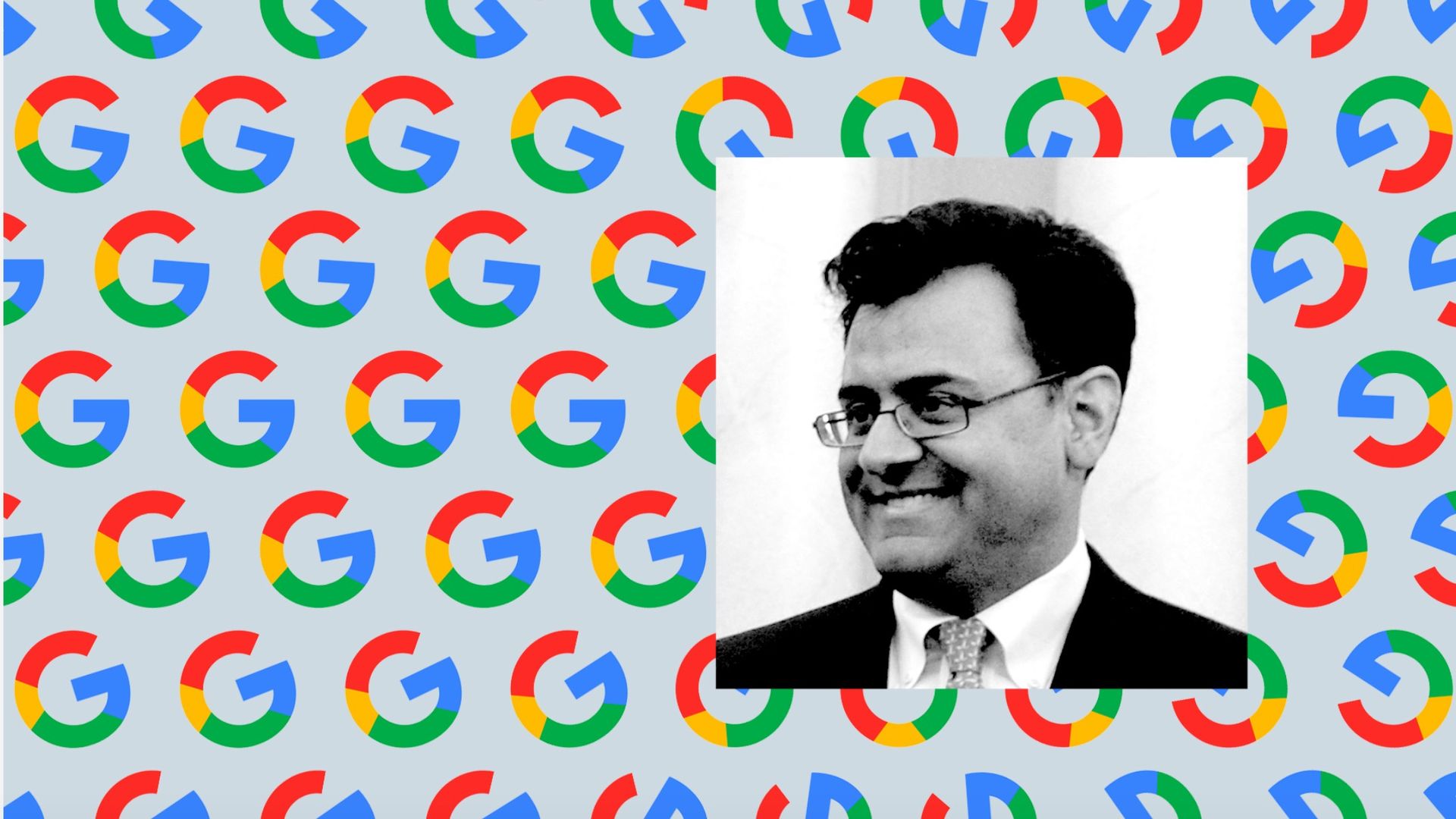
Google has hired Karan Bhatia as its new Global Head of Policy to lead the company's policy discussions around major topics such as AI, job creation and infrastructure. Bhatia comes from GE, where he is President of GE's Government Affairs and Policy function.
Why it matters: The global policy role has been vacant for some time, just as Google and other tech companies are dealing with increased scrutiny domestically and internationally.
Amazon has agreed to acquire Boston-based online pharmacy PillPack, which had previously been in takeover talks with Walmart.
Our thought bubble, via Axios tech editor Scott Rosenberg:Amazon's entry into the prescription market is a natural follow-on to its move (with Warren Buffett and JP Morgan Chase) into the broader healthcare field. But while that high-profile effort seems to be aimed, at least for now, at its own workforce, this acquisition is more likely to make big waves sooner in the competitive and huge drug market.
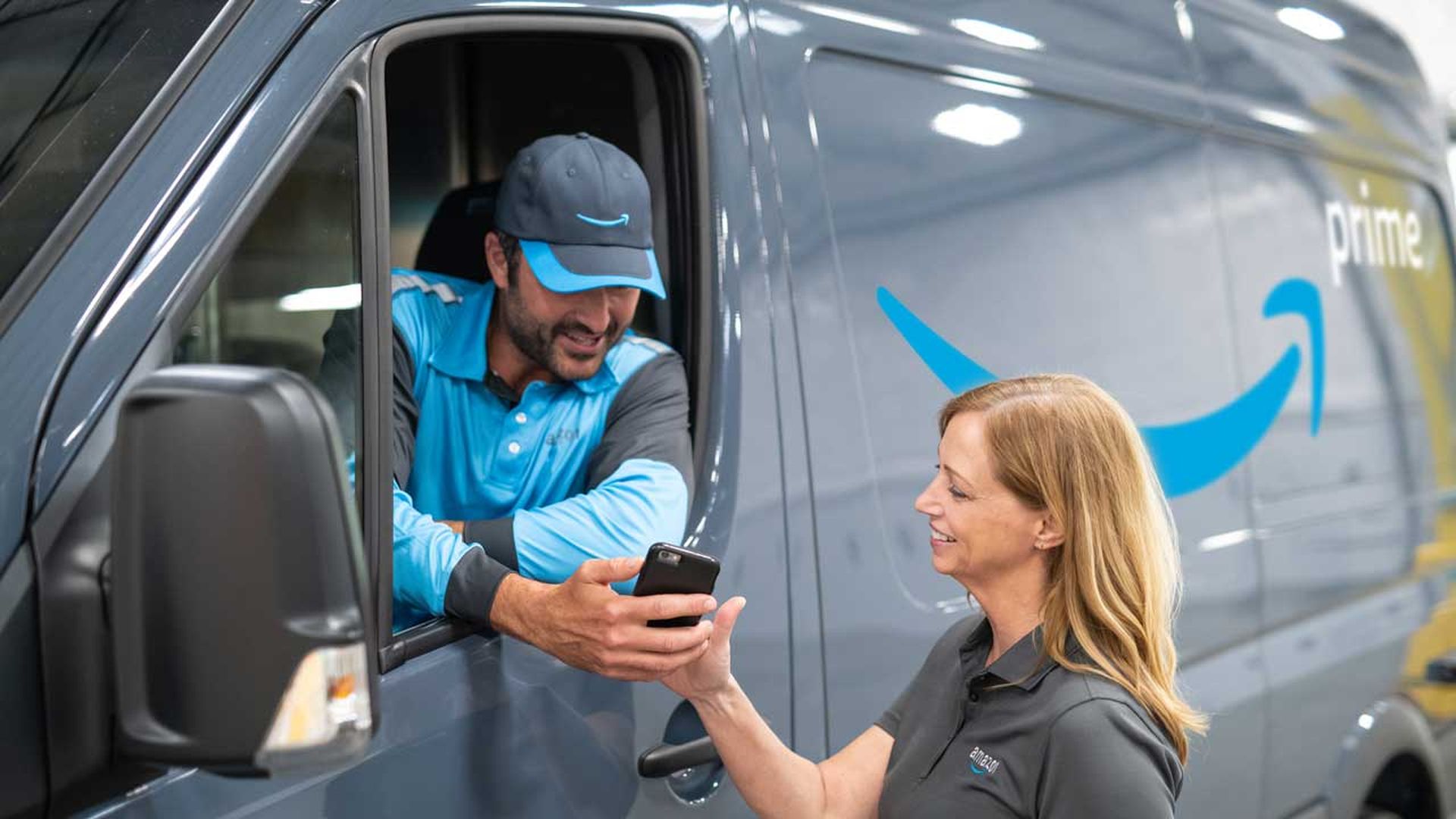
Amazon has unveiled a new program that lets entrepreneurs set up their own delivery business — with the option to lease and buy Amazon-branded vans and gear and handle some of the retail giant's deliveries.
The big picture: Amazon is known for constantly looking for new ways to fulfill and deliver its orders more efficiently, often by gaining more control over the process. Last year, for example, the company announced a fleet of cargo planes. It also already pays people to deliver orders with their own cars through its Flex program.



/2018/06/28/1530227299490.gif?w=3840)