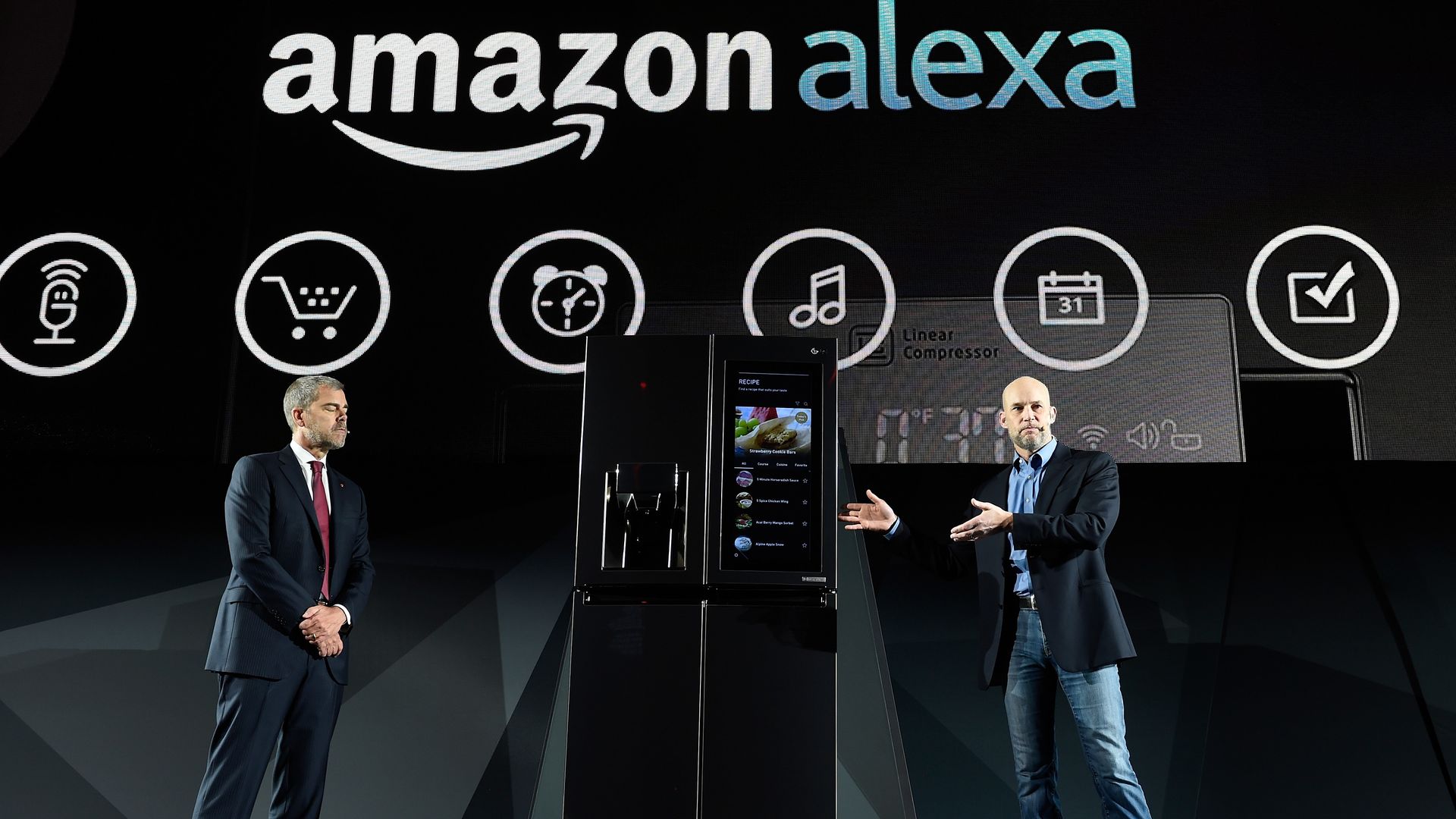
A Portland couple asked Amazon to investigate when they learned their Amazon Alexa smart speaker had recorded them talking and then sent the recording to the phone of a random Seattle person in their contacts, KIRO reports.
Amazon told the station: "We investigated what happened and determined this was an extremely rare occurrence. We are taking steps to avoid this from happening in the future."
Why it matters: Everyone jokes about smart speakers as surveillance devices, but when that actually happens, even by accident, it's chilling. "Rare" isn't so comforting when what you want is "never."
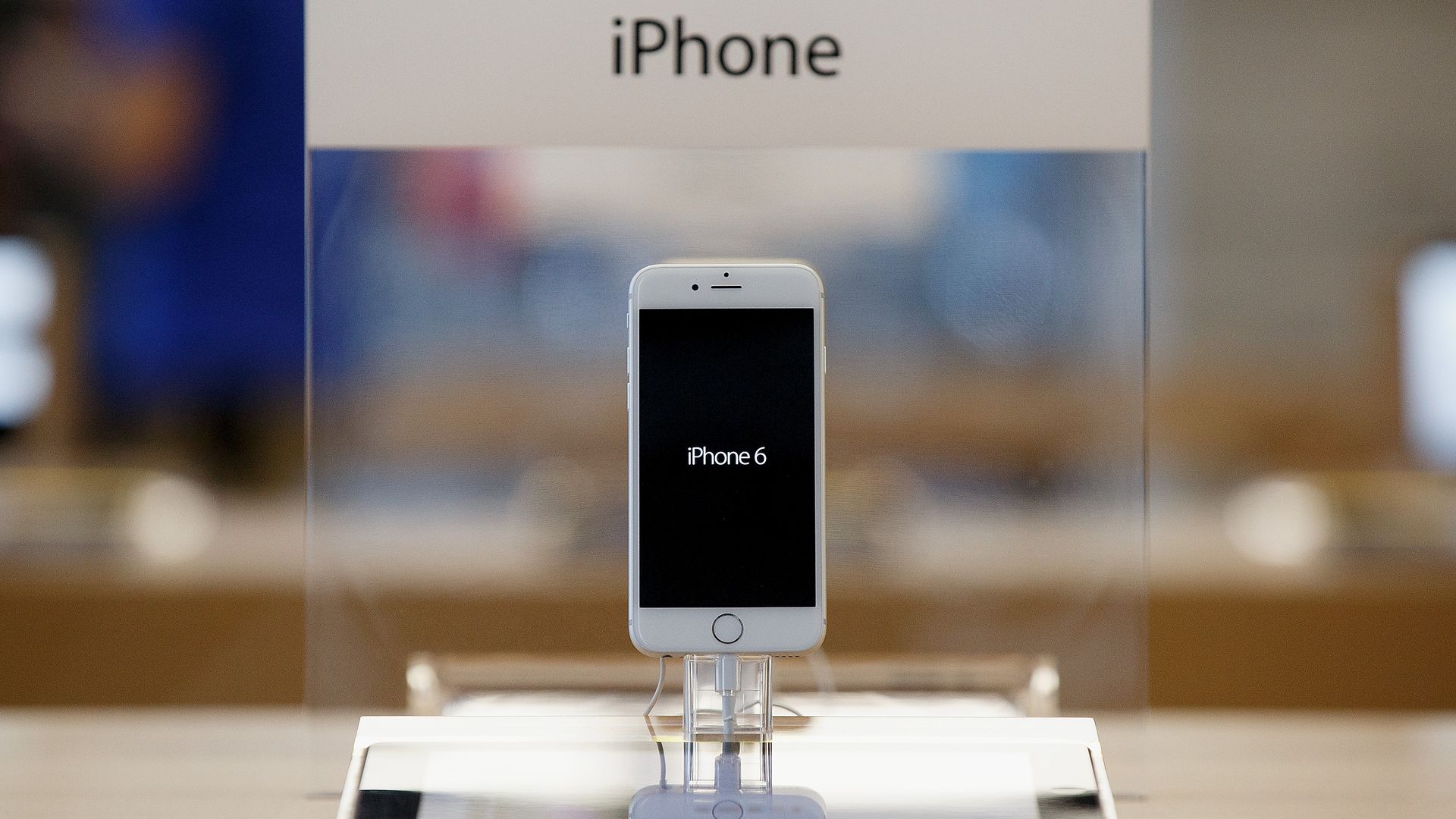
Although Apple downplayed complaints its iPhone 6 was more prone to bending than previous models, the company apparently knew that the phone was bendier, according to internal documents reported by Motherboard.
Why it matters: The issue is the subject of a class-action lawsuit and also could affect Apple's credibility in the future as new issues arise.
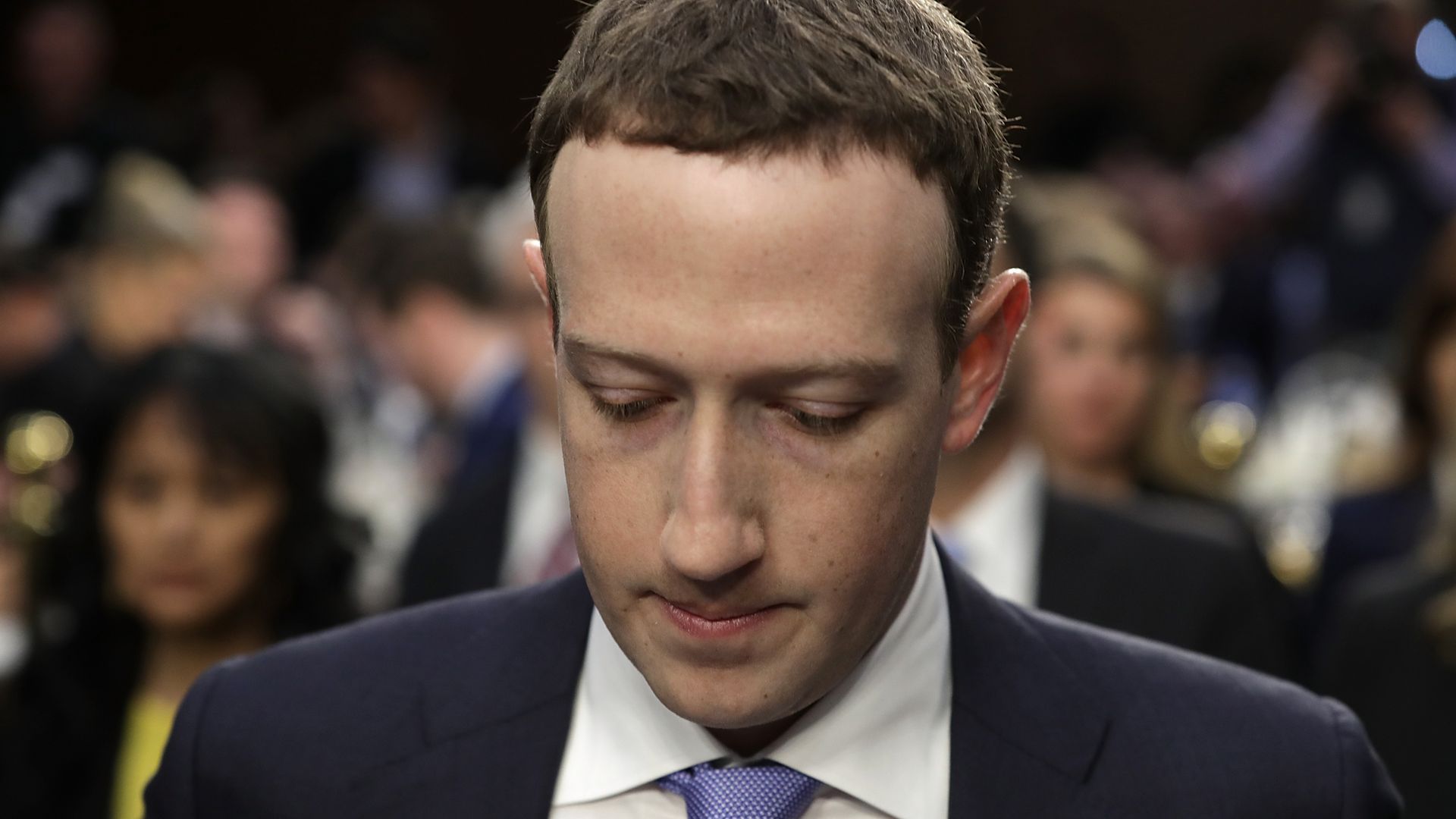
Facebook turned on its new political ad transparency regime on Thursday.
Why it matters: After the 2016 election manipulation scandal, Facebook's efforts to police ads on its platform will be closely watched ahead of the midterms. In a call with reporters, the company indicated it's paying close attention to developments regarding political ad regulation.
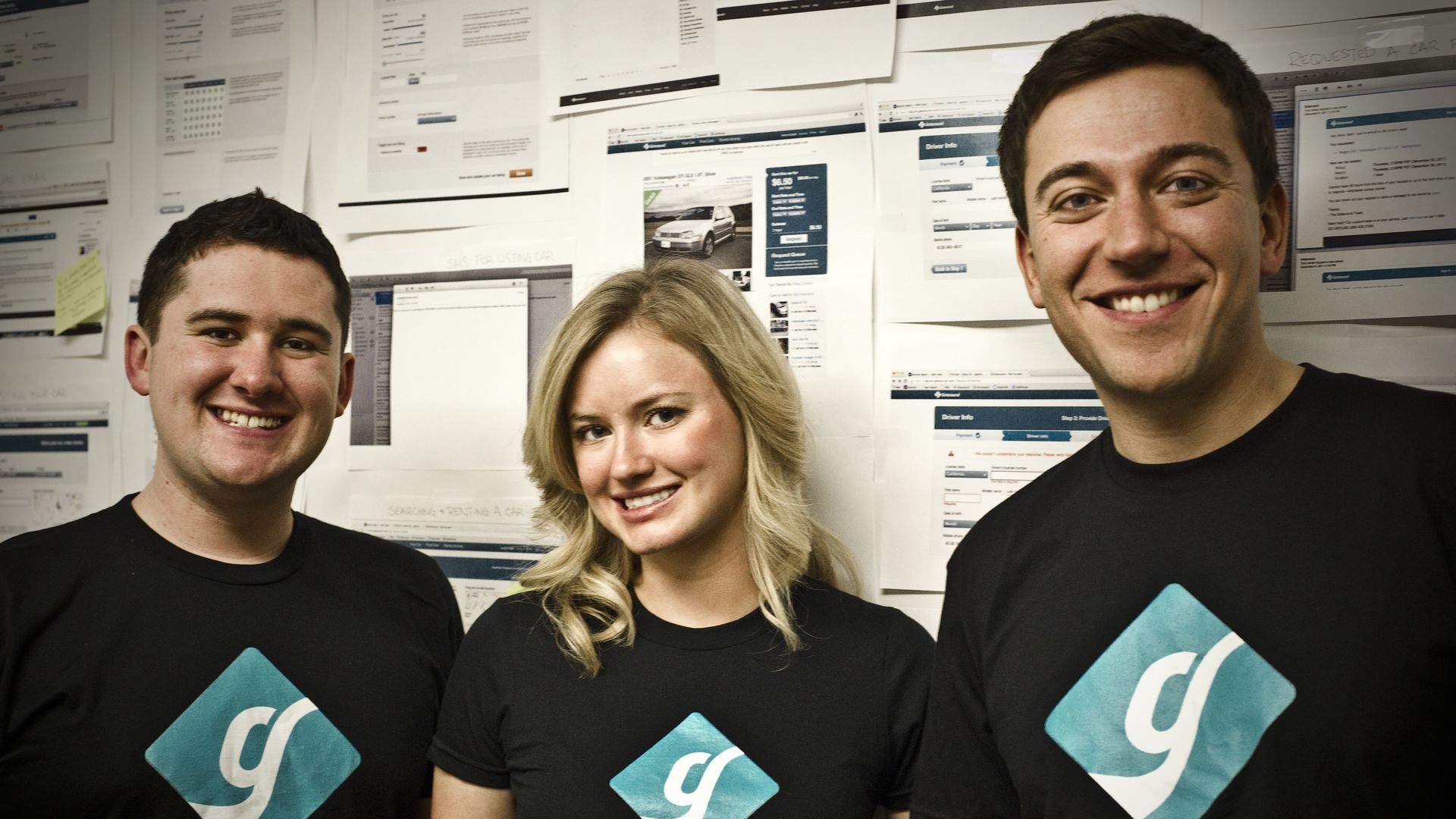
SoftBank is investing in Getaround, a peer-to-peer car rental service that is raising around $100 million in new funding, Axios has learned from multiple sources.
All in the family: SoftBank's backing of Getaround shouldn't be a total surprise—the latter has a partnership with Uber, which is one of SoftBank's largest investments.
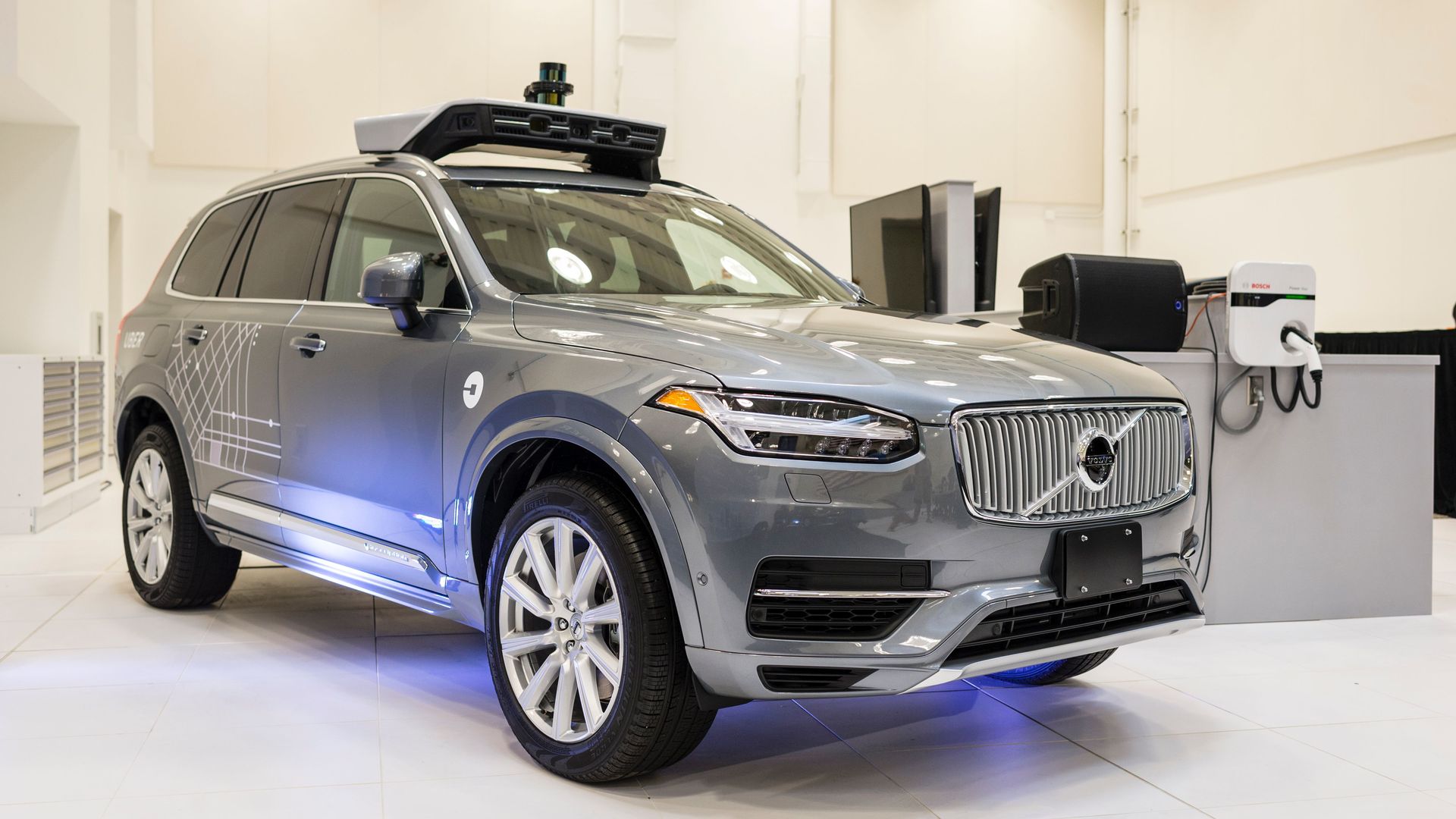
What they're saying: The National Transportation Safety Board stated that Uber engineers had intentionally disabled the Volvo's emergency braking system while the car was operating autonomously, because it lessens the "potential for erratic vehicle behavior." Instead, Uber relies on the human backup driver to take over, but "the system is not designed to alert the operator," NTSB added. The system noticed the woman 6 seconds before the car struck her and would have needed only 1.3 seconds to stop in time, the report says (The timing in this sentence has been corrected from earlier versions.)
A pecking order is evolving in the newest stage of the digital era: aggressive early adopters of artificial intelligence are reporting elevated earnings and may be forming "an insurmountable advantage" over rivals, according to the McKinsey Global Institute.
Why it matters: Companies failing to quickly embrace AI to improve growth risk falling further and further behind, paring their ability to attract top talent and leading to more concentration of market power within a few "superstar" firms.
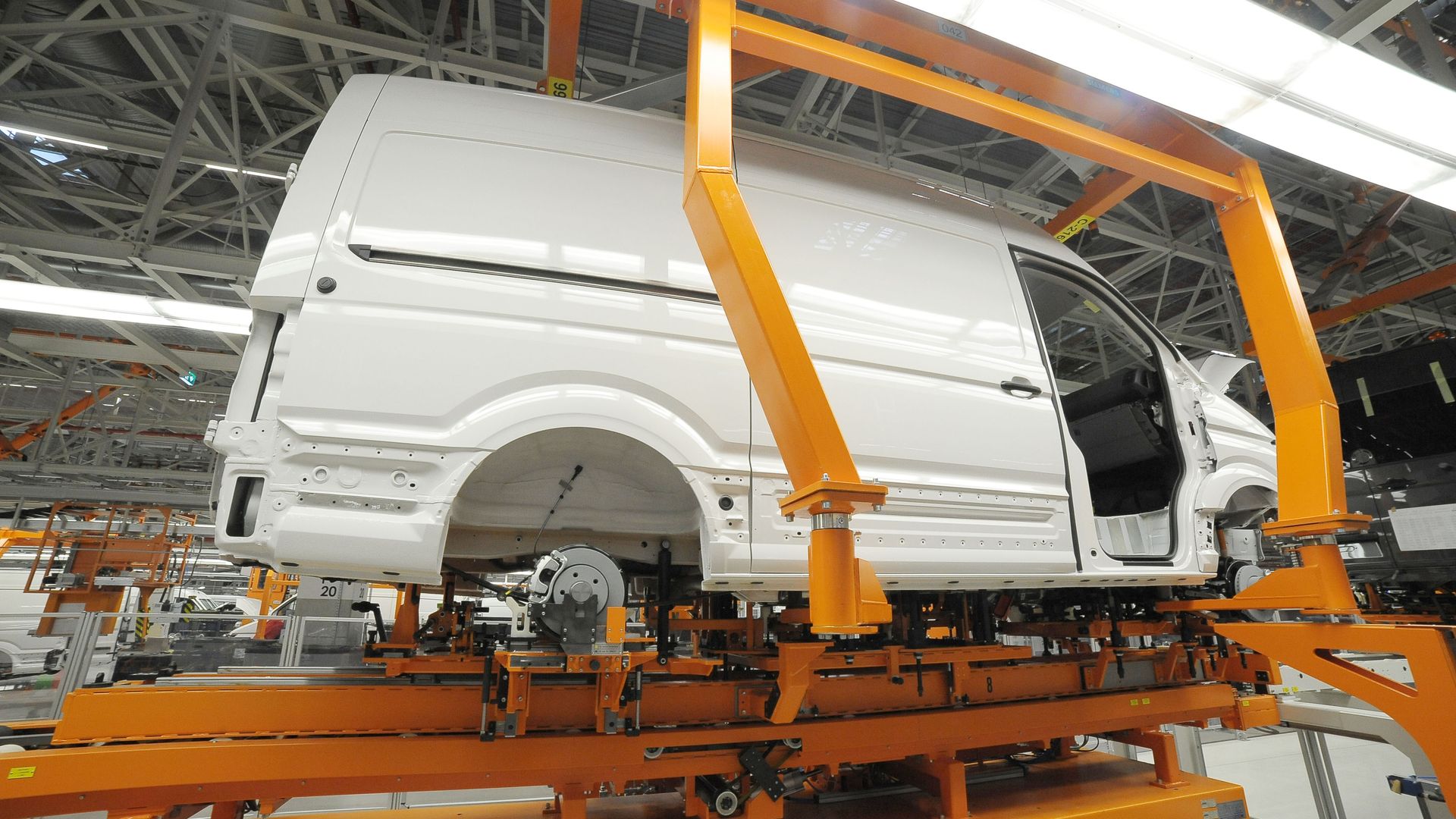
The New York Times reported Wednesday that Apple has signed a deal with Volkswagen to supply vans that the iPhone maker would use to create a self-driving shuttle for employees.
The bottom line: While not in the fast lane, Apple's self-driving car effort is apparently chugging along. Apple has gotten permits to test autonomous vehicles in California.
Yelp is breathing new life into its antitrust fight against Google, filing a complaint in Europe with the EU's competition secretary and launching an ad-driven advocacy campaign targeting Google employees about how their design decisions pull business and traffic from smaller sites, like Yelp and TripAdvisor.
Why it matters: With an uptick in concerns about Big Tech, Yelp clearly sees blood in the water and wants to ramp up its longtime campaign against Google, which it thinks uses its search dominance to unfairly undermine Yelp (and other companies') services. A Google spokesperson declined to comment on the new push, which is largely an extension of existing efforts.
Netflix has surpassed Comcast in market value after decades of tailing the telecom giant.
Why it matters: Netflix's rise speaks to the power of on-demand video, which is its core product. Comcast's core product is Pay-TV subscriptions for live, commercial-driven programming. Data shows that the modern consumer is abandoning commercials and live TV.
Uber continued to shrink its losses in the first quarter of 2018, according to financial documents the company shared with Axios. It also is launching a stock tender offer for early employees and investors, at an implied valuation of $62 billion.
Why it matters: Uber wants to go public in 2019, so getting at least close to profitability is of paramount importance.
President Trump violated some of his critics’ First Amendment rights when he blocked them on Twitter, a federal judge ruled today, explaining Trump should have muted them instead.
The big picture: It’s unconstitutional for the government to discriminate against speech based on its content, and the court said that’s exactly what happened here — because Trump and his administration use @realDonaldTrump to carry out the duties of the president, and users were blocked because of their critical replies to Trump’s tweets.
If you use two-factor authentication to lock down your Facebook account, you can now do it without registering your phone number with the social network, Facebook announced Wednesday, opening its service to third-party tools like Google Authenticator.
Why it matters: "Facebook users are one of the juiciest targets for cyberfraudsters looking to launch mass phishing attacks," according to new data from cybersecurity firm Kaspersky Labs. The more information you put into Facebook, the more incentive you provide for hackers to steal it — so anything Facebook does to streamline securing accounts helps. Don't know how to turn on two-factor authentication? Wired walks you through the steps.
There are 14 vulnerabilities in BMW’s vehicles that allow remote hacks that could affect drivers’ control of the vehicles, Tencent’s Keen Security Lab has found. The vulnerabilities were found in the location tracking systems; infotainment systems, including voice recognition services; and, in some cases, malicious hacks could be launched using "serious vulnerabilities" in the USB interfaces.
The big picture: BMW won't be the last auto company to have security gaps unearthed. As connected cars become more and more ubiquitous, we will see more researchers focusing on potential flaws in security design in automobiles.
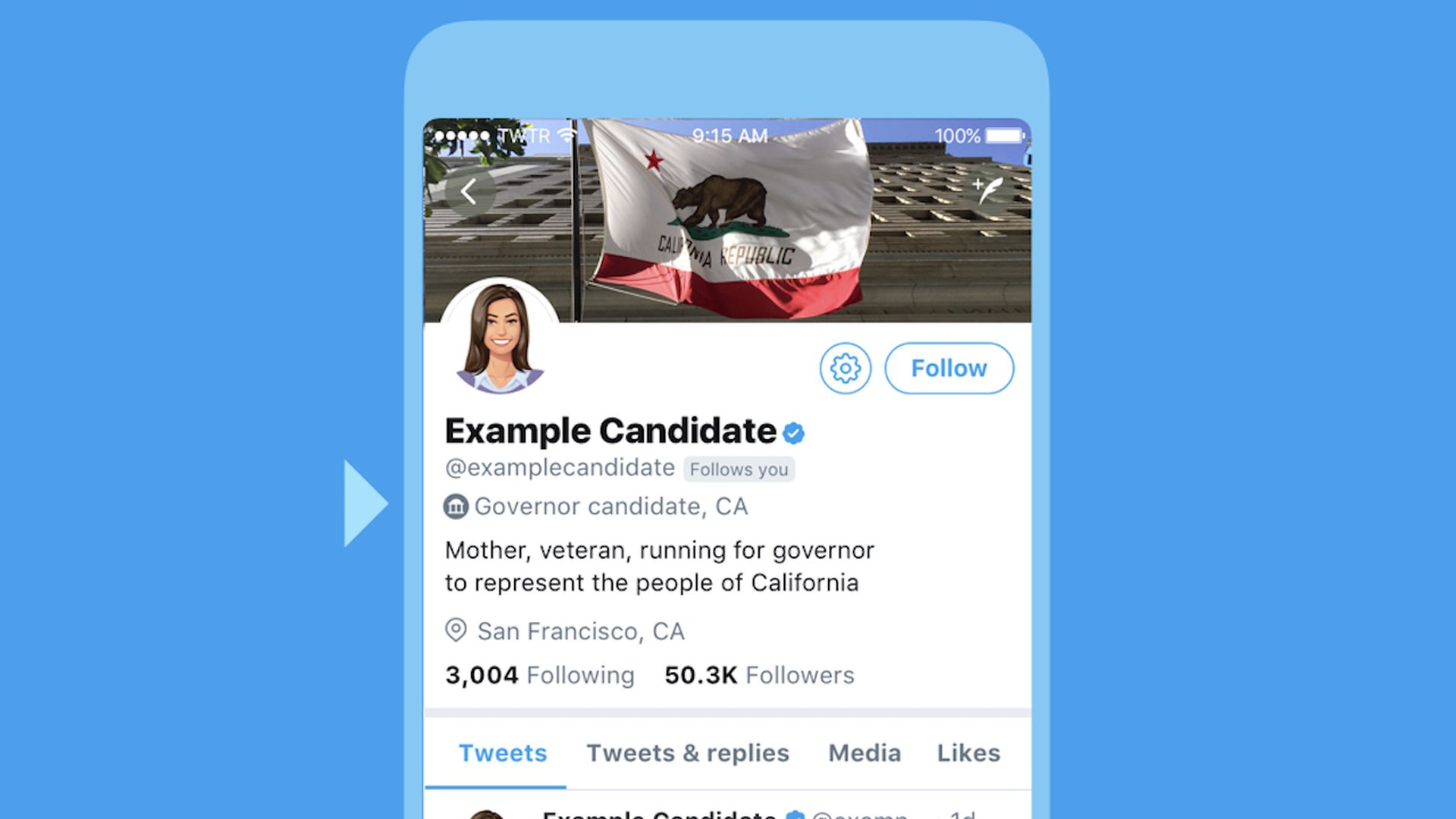
Twitter will start adding labels to the profiles of candidates running in the 2018 midterm elections after May 30th.
Why it matters: The move underscore's Twitter's ongoing effort to bring transparency to political discourse on their platform, fake accounts for politicians and political groups have caused confusion in the past.
Facebook Marketplace users in the U.S. can now search for vetted home service professionals like plumbers, handymen, home cleaners and contractors, with the workers populated by partners Handy, HomeAdvisor and Porch, TechCrunch reports.
The bigger picture: This is one of the ways Facebook's Marketplace is trying to become a stronger competitor to Craigslist — by working with partners to bring in new listings for items like cars. Amazon, Walmart and Google are also expanding in this area to connect consumers with nearby services, TechCrunch notes.
Comcast confirmed Wednesday morning its preparing an all-cash offer for 21st Century Fox's entertainment assets, properties Fox has already agreed to sell to Walt Disney Company. Comcast says their offer is higher.
Why it matters: Fox initially rejected a higher bid from Comcast, fearing regulatory hurdles with a vertical merger, according to SEC filings. But if AT&T's merger with Time Warner is allowed, Fox may have incentive to take Comcast's higher bid, leaving Disney in the dust.
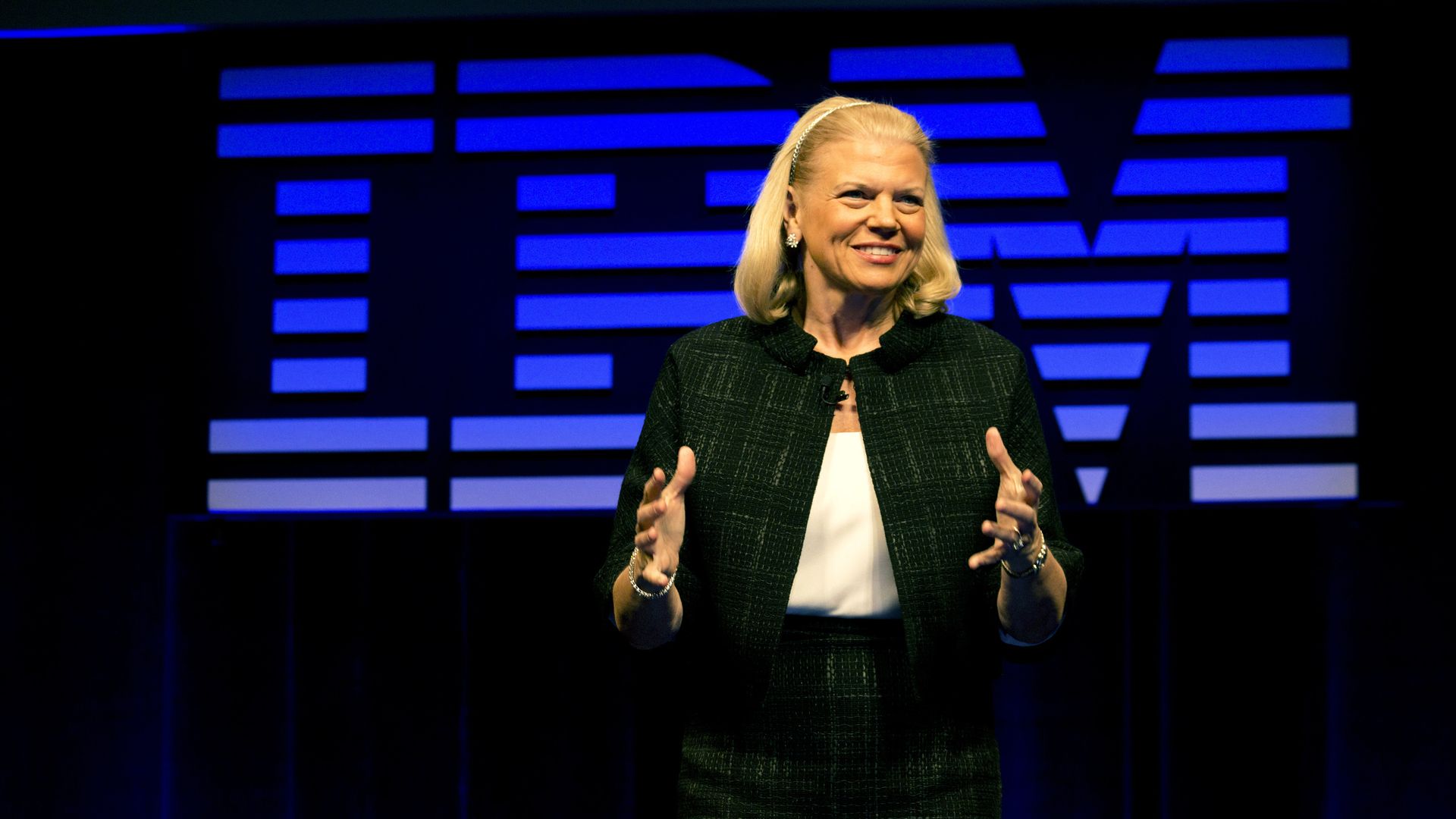
IBM CEO Ginni Rometty will announce a plan to create 1,800 jobs over the next two years in France in areas like AI, blockchain, cloud computing and IoT. On Thursday, Rometty will also make new moves around privacy and social good efforts.
The bottom line: IBM continues to make moves aimed at distancing itself from peers caught up in the techlash.