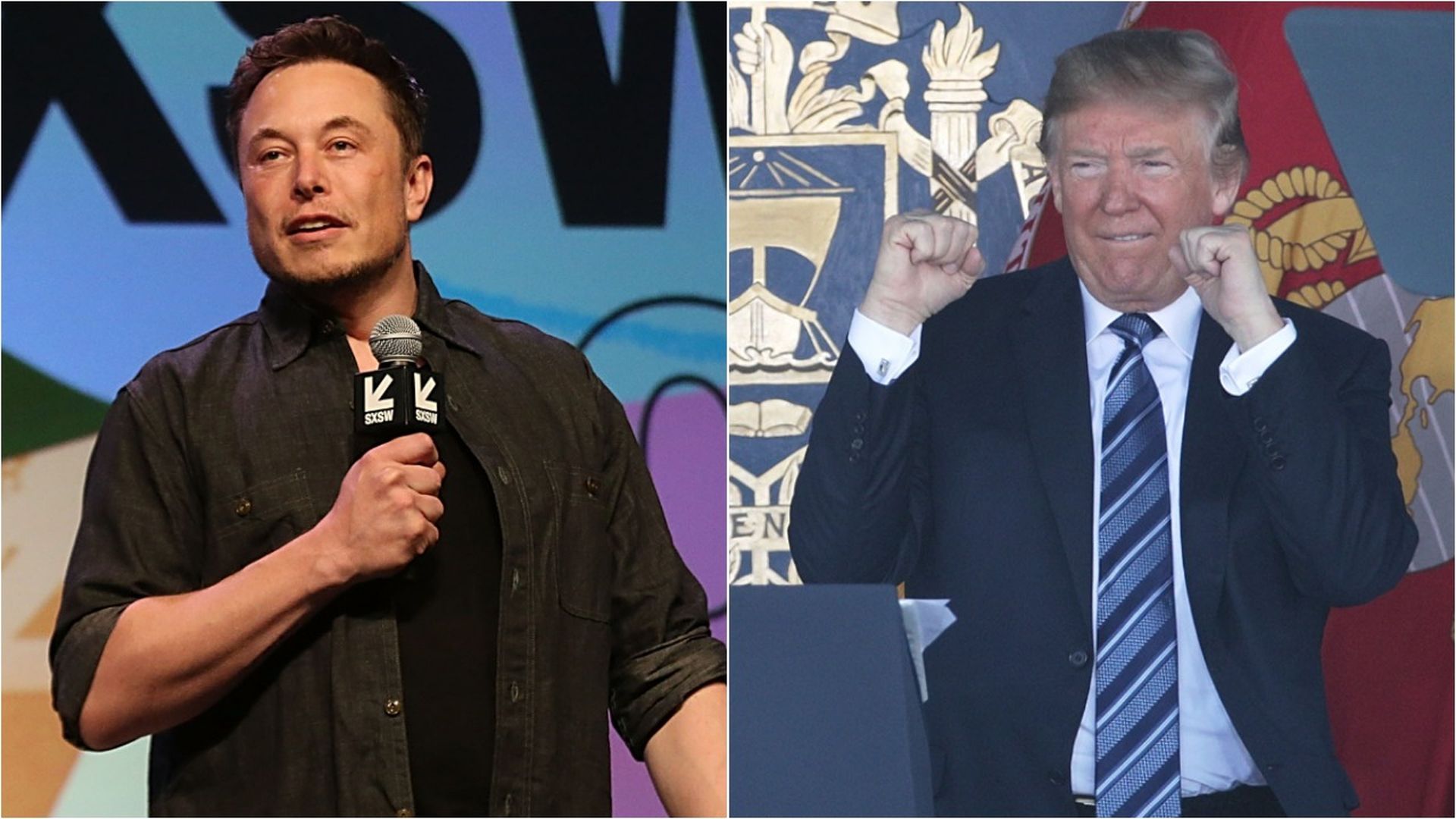
Elon Musk, CEO of Tesla, continued his criticism of the media on Saturday, saying he was "stunned to see the level of contempt many in media have for their readers."
The big picture: As previously reported, Musk appears to have taken a cue from President Trump in his opposition of the media on Twitter. Axios' Steve Levine reported in December that Musk has a different persona online than he does in person — he "can seek to humiliate people who challenge him or, in his view, cast him in an adverse light." That kind of response is similar to what Trump has used Twitter for as well.
On Friday Apple released its bi-annual transparency report on government requests which showed a 20% increase in national security requests and announced it will begin reporting government requests to remove Apps in its App Store "in instances related to alleged violations of legal and/or policy provisions."
Why it matters: Tracking such requests could provide "valuable insight into both Apple’s activities and the asks of governments around the world," TechCrunch explains. Reports from July 2018 through December 2018 are expected to detail which government made the request and if the company followed through with said request.
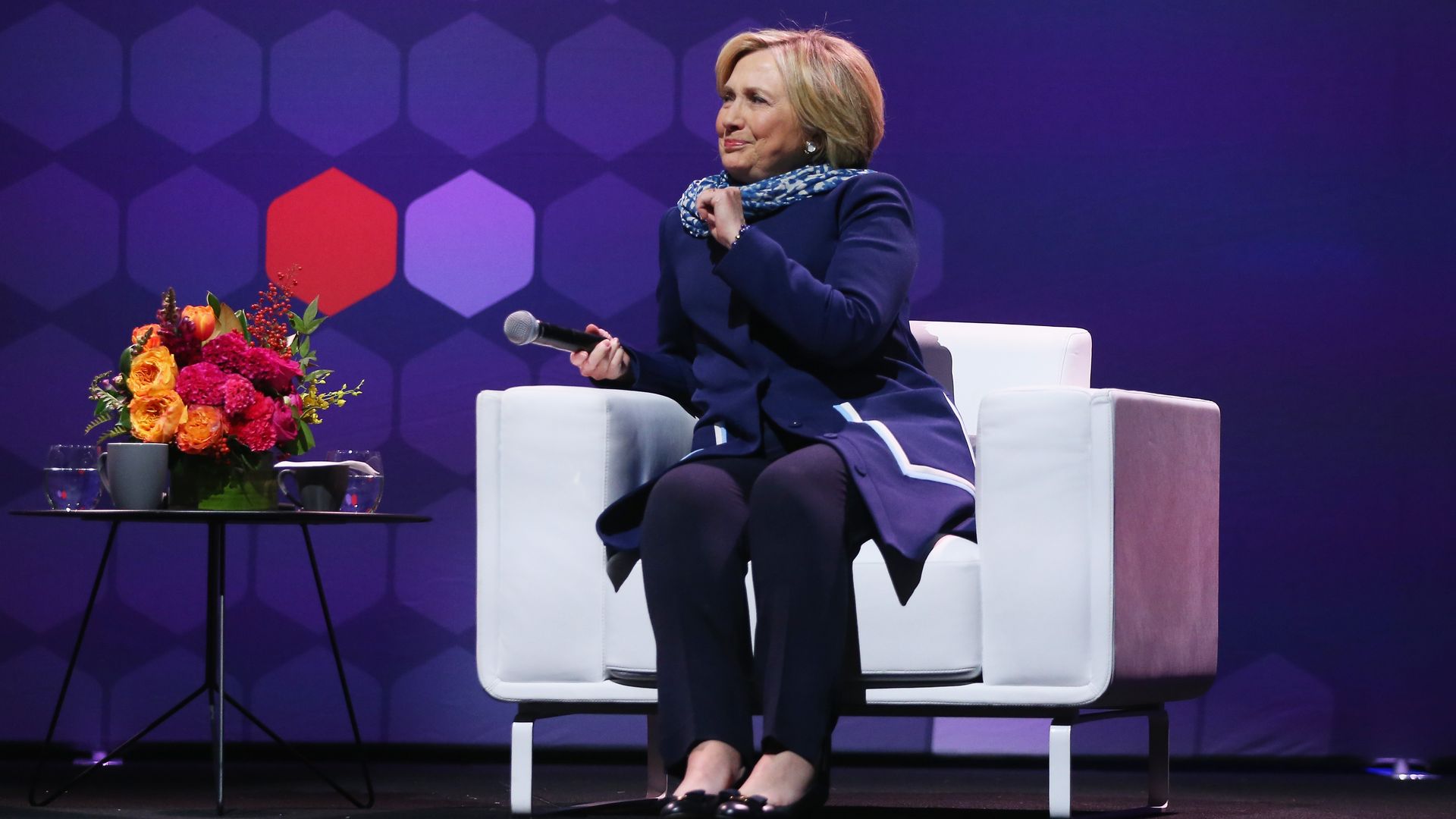
Hillary Clinton said in an interview with Massachusetts attorney general Maura Healey on Friday that if she could be CEO of any company right now, she'd choose Facebook, the Washington Post reports.
Why it matters: Facebook has had a tough few months, as it dealt with a serious data privacy scandal. But Clinton said she's drawn to the company because it's "the biggest news platform in the world. ...I, for one, hope they get it right, because it really is critical to our democracy that people get accurate information on which to make decisions."
The corner convenience store is being disrupted, driven by the increasingly familiar consumer desires for technology-driven convenience and healthier products.
Why it matters: Global, national and even regional brands need to plan accordingly as the next generation of convenience stores starts to gain traction with millennial consumers and investors. This could prove yet another example of technology hollowing out working-class jobs, as convenience store clerks go the way of gas station attendants.
Just hours after Europe's new online privacy policy went into effect, Facebook and Google are already facing their first complaints, filed by none other than European privacy advocate Max Schrems.
Why it matters: Schrems, via a non-profit, has filed complaints against Facebook, Instagram, WhatsApp, and Google's Android on behalf of unnamed individuals, arguing the companies are violating the GDPR through their "all or nothing" user consent prompts.
The emails cluttering your inbox this past week with privacy settings updates are happening for a reason: A sweeping new European data privacy law goes into effect today that is having a profound impact on American businesses.
Why it matters: The General Data Protection Regulation (GDPR), which the European Commission passed more than two years ago, was at first largely ignored by U.S. companies and regulators. But it's now becoming the global standard for how businesses mine and use consumer data, in part because of recent data breaches and scandals, like Cambridge Analytica's misuse of Facebook data.







/2018/05/24/1527195215589.gif?w=3840)