Google is testing a new kind of email experience that would allow for more interactive messages.
What it does: The new spec, "AMP for Email," harnesses the power of Accelerated Mobile Pages (AMP), Google's effort to make web pages easier to view on mobile devices. It will allow users to do things like:
RSVP to an event
Schedule an appointment
Fill out a questionnaire
View new flight information
...all within a continually updating and contained email experience.
Venture capitalist and Trump advisor Peter Thiel recently engaged in a wide-ranging conversation at Stanford University with LinkedIn founder Reid Hoffman, during which he said:
“Crypto is decentralizing, AI is centralizing. Or, if you want to frame it more ideologically, crypto is libertarian and AI is communist."
Thiel added that he believes only the first half of that equation is regularly discussed in Silicon Valley, owing to left-wing bias.
Californians say technology is the most trusted industry, but social media, a product of technology, is one of the least-trusted sectors, according to The 2018 Edelman Trust Barometer California Supplemental Survey.
Why it matters: Few California residents site social media companies when asked to name technology companies. Instead they list Apple, Google, Microsoft and Samsung (in that order) as the top four companies that come to mind.
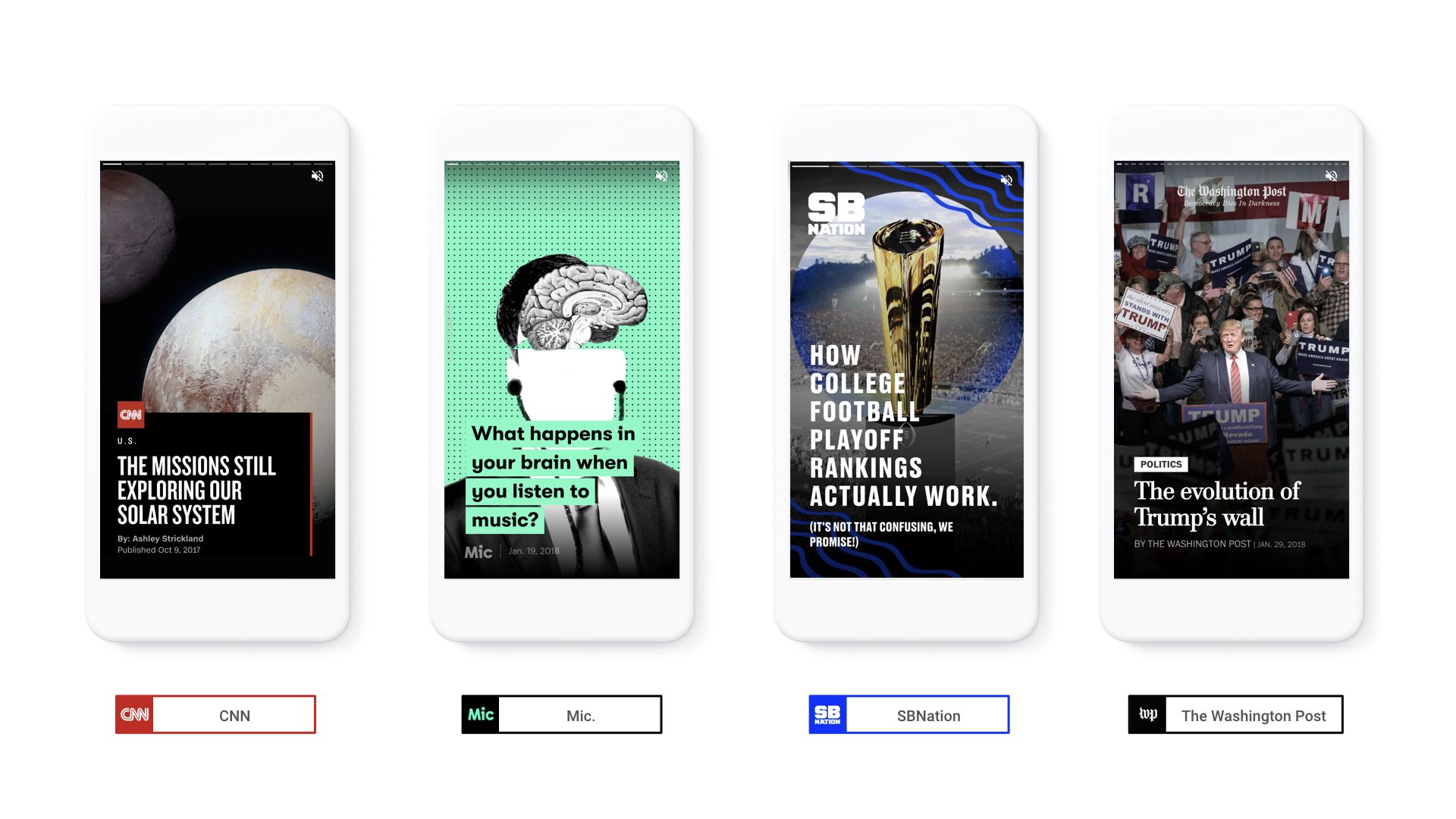
Google is rolling out a feature for all publishers to experiment publishing Snapchat-like "Stories," or strings of vertical video and photos, for its Google Accelerated Mobile Pages feature (AMP) in Google search. With a preview setting available to all outlets today, publishers can see how "AMP Stories" would look in Google search.
Why it matters: It's a way for publishers to expand their content strengths beyond text on Google. The new product will inevitably compete with Snapchat, which announced a few weeks ago that it will be making its Stories content available outside of its app on the web.
Electric scooter-sharing startup Bird has raised $15 million in Series A funding, led by Craft Ventures.
Why it matters: Bird founder Travis VanderZanden is no stranger to successful transportation startups: He previously was head of driver growth at Uber and, before that, was COO of Lyft (spurring a legal spat).
In an interview with Axios, Bill Gates warned Apple and other tech giants that they risk the kind of nightmarish government intervention that once plagued his Microsoft if they act arrogantly.
The big picture: "The companies need to be careful that they're not ... advocating things that would prevent government from being able to, under appropriate review, perform the type of functions that we've come to count on."
Researcher and technologist Aviv Ovadya, one of the first to identify the fake news catastrophe in early 2016, tells Buzzfeed he is worried about an “Information Apocalypse,” which could lead to “reality apathy,” or people just giving up on finding the truth because it is too indistinguishable from misinformation.
Why it matters: Red flags are continuously being waved by engineers, academics, lawmakers and technologists about the dangers of big tech, yet very little is being done to actually stop the crisis from worsening. Meanwhile, big tech companies grow bigger.
Facebook is experimenting with a news section within Facebook's video platform "Watch," the head of the company's journalism project, Campbell Brown, said at Recode's Code Media conference on Monday.
Why it matters: Facebook's had a rocky relationship with publishers as it has tested, launched, and pulled the plug on many news products that news publishers have relied on for traffic and business decisions.
Nifty tricks to revert back from Snapchat's new app design (currently available for select users) are circulating online, but Snapchat is warning users against them:
Why it matters: The new design, which Snapchat's parent company announced last year, has been rolled out to a growing number of users—and many are not happy at all. While the company hopes a new layout will make the app easier to use, especially for older folks, loyal younger users are complaining that it's become more confusing. Many also say it interfered with their "streaks," the app's competitive feature for sending messages to friends frequently.
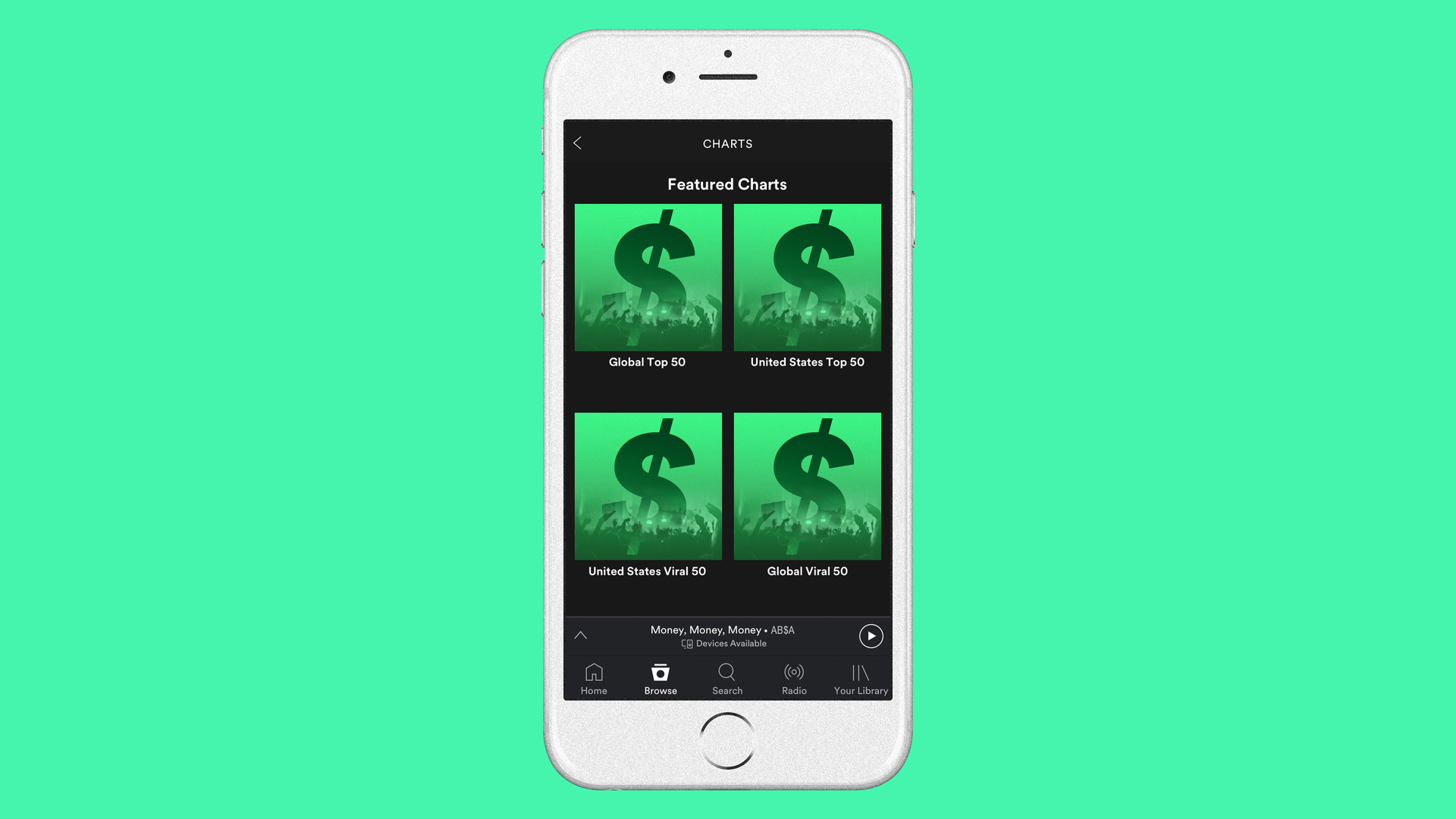
Spotify is a giant step closer to going public without engaging in a traditional IPO process, as the SEC has approved a New York Stock Exchange request to modify certain rules related to direct listings.
Why it matters: The direct listing for Spotify, which confidentially filed to go public in late December, is being closely watched by other tech "unicorns," like Airbnb, Lyft and Uber. If successful, others might follow suit.
Amazon plans to lay off hundreds of employees in its consumer retail division both at its Seattle headquarters and elsewhere around the globe, per a report from The Seattle Times. The tech giant — known for its efficiently brutal performance requirements — is making the cuts to overstaffed teams after years of rapid growth.
Yes, but: The layoffs reflect signs of minor retooling rather than any indication of doom at Amazon. The company has over 500,000 employees worldwide — and 12,500 open corporate roles on its hiring website.
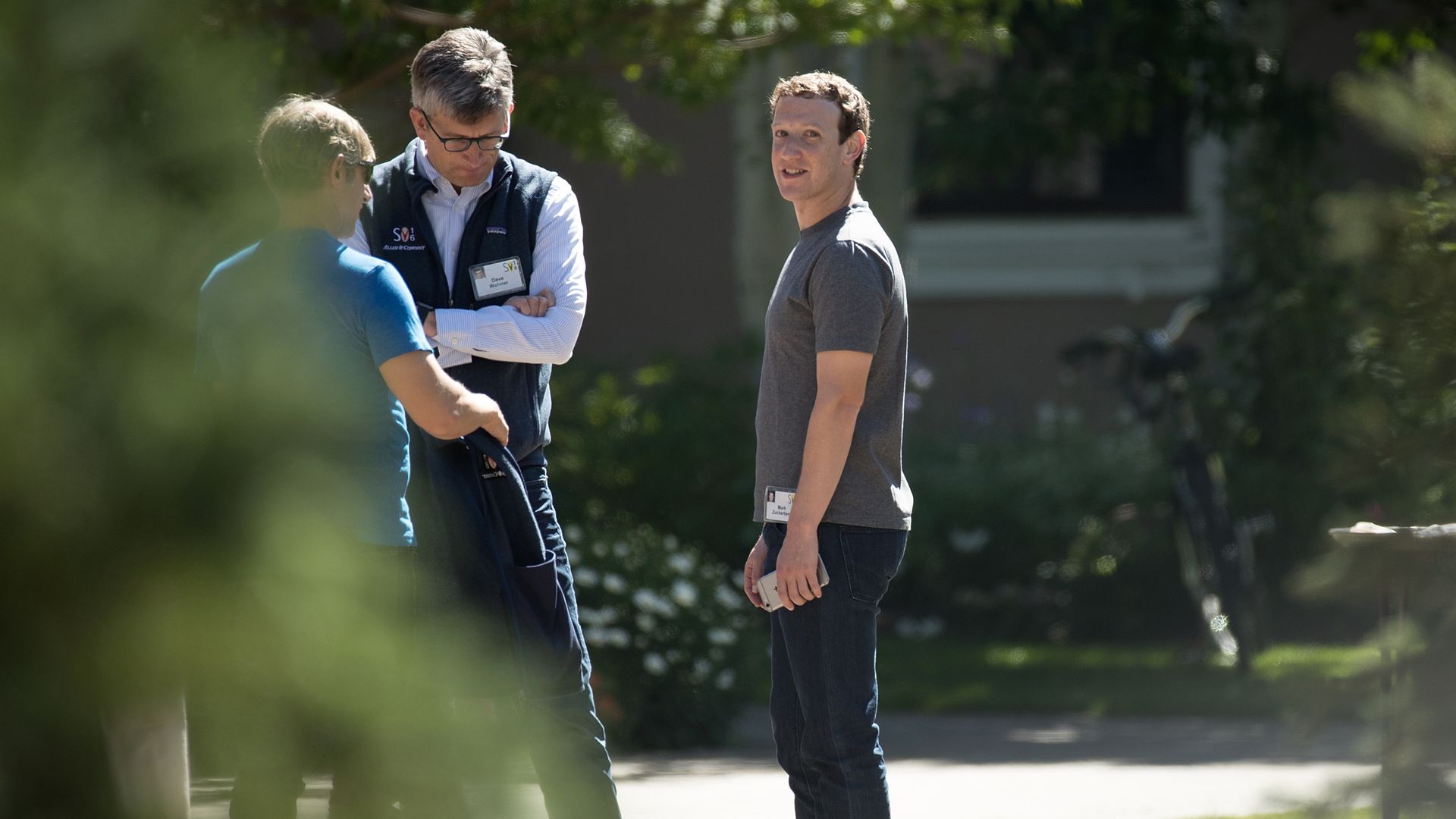
Rupert Murdoch and a top lieutenant threatened Mark Zuckerberg in 2016 over Facebook’s treatment of the news industry, one of several events reported for the first time in a new Wired cover story from Nick Thompson and Fred Vogelstein about how the company came to face a global fracas over its role in society.
The bottom line: Wired’s Thompson and Vogelstein paint a picture of how each Facebook controversy over the last two years — from a blow up among conservatives to outraged publishers — compounded to put the world’s largest social network on the defensive. [Go deeper: Inside the Two Years that Shook Facebook]
Snapchat has struggled to own its narrative, in large part because its service is most popular with a generation that is younger than the journalists who cover it. That's just one of several insights from Billy Gallagher, the author of a new book on Snapchat.
The bottom line: Gallagher addresses that and more, including Snapchat's long-running battle with Facebook. Read on for more from our interview with Gallagher, whose book "How to Turn Down a Billion Dollars: The Snapchat Story," comes out on Tuesday.
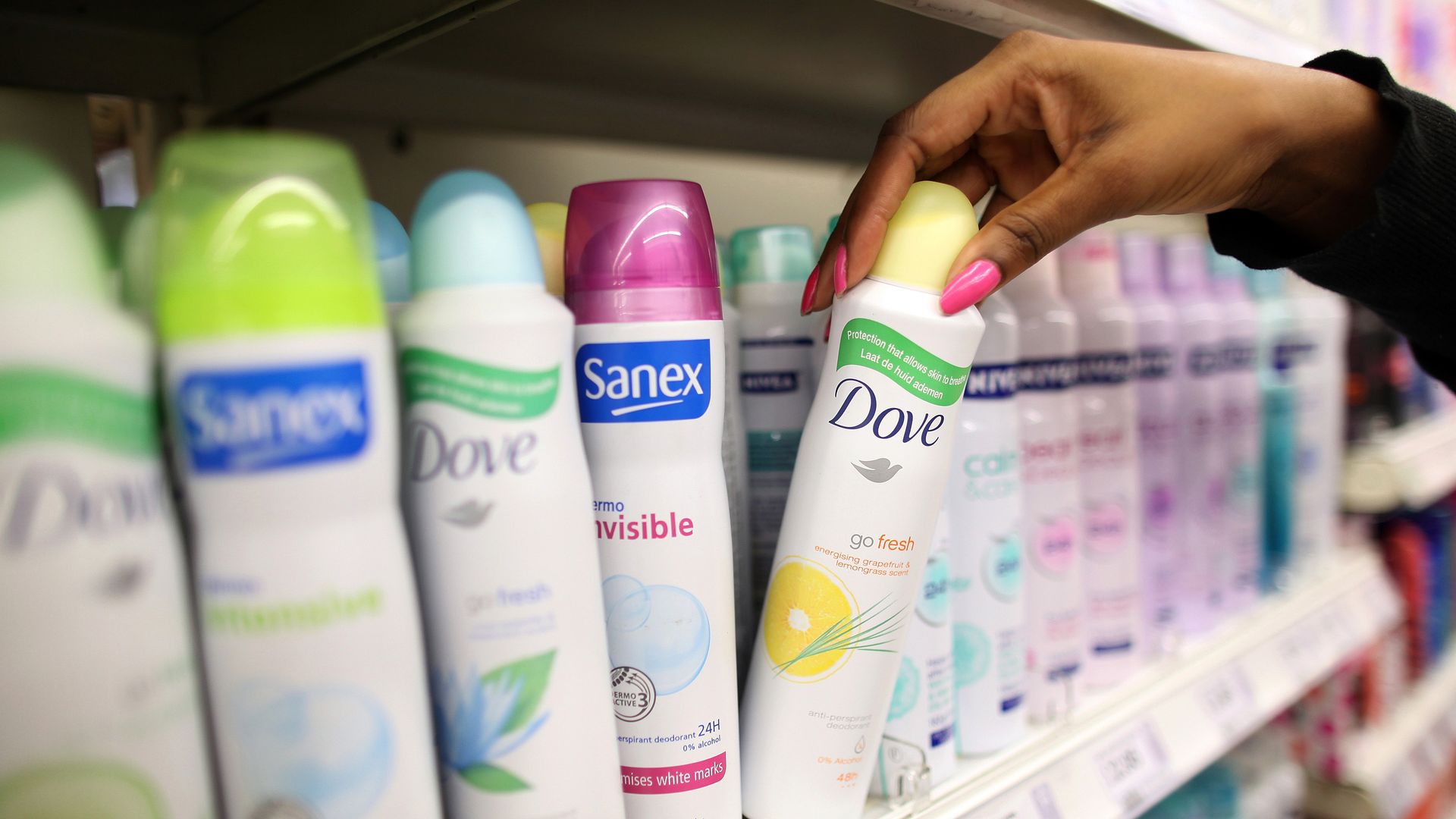
Corporate behemoth Unilever is threatening to stop advertising on digital platforms like Facebook and Google, blasting them for spreading fake news and divisive content, CNN reports, citing a copy of a speech that Unilever chief marketing officer Keith Weed will deliver Monday.
"We cannot continue to prop up a digital supply chain ... which at times is little better than a swamp in terms of its transparency."








/2018/02/13/1518492818811.gif?w=3840)