Nifty tricks to revert back from Snapchat's new app design (currently available for select users) are circulating online, but Snapchat is warning users against them:
Why it matters: The new design, which Snapchat's parent company announced last year, has been rolled out to a growing number of users—and many are not happy at all. While the company hopes a new layout will make the app easier to use, especially for older folks, loyal younger users are complaining that it's become more confusing. Many also say it interfered with their "streaks," the app's competitive feature for sending messages to friends frequently.
Spotify is a giant step closer to going public without engaging in a traditional IPO process, as the SEC has approved a New York Stock Exchange request to modify certain rules related to direct listings.
Why it matters: The direct listing for Spotify, which confidentially filed to go public in late December, is being closely watched by other tech "unicorns," like Airbnb, Lyft and Uber. If successful, others might follow suit.
Amazon plans to lay off hundreds of employees in its consumer retail division both at its Seattle headquarters and elsewhere around the globe, per a report from The Seattle Times. The tech giant — known for its efficiently brutal performance requirements — is making the cuts to overstaffed teams after years of rapid growth.
Yes, but: The layoffs reflect signs of minor retooling rather than any indication of doom at Amazon. The company has over 500,000 employees worldwide — and 12,500 open corporate roles on its hiring website.
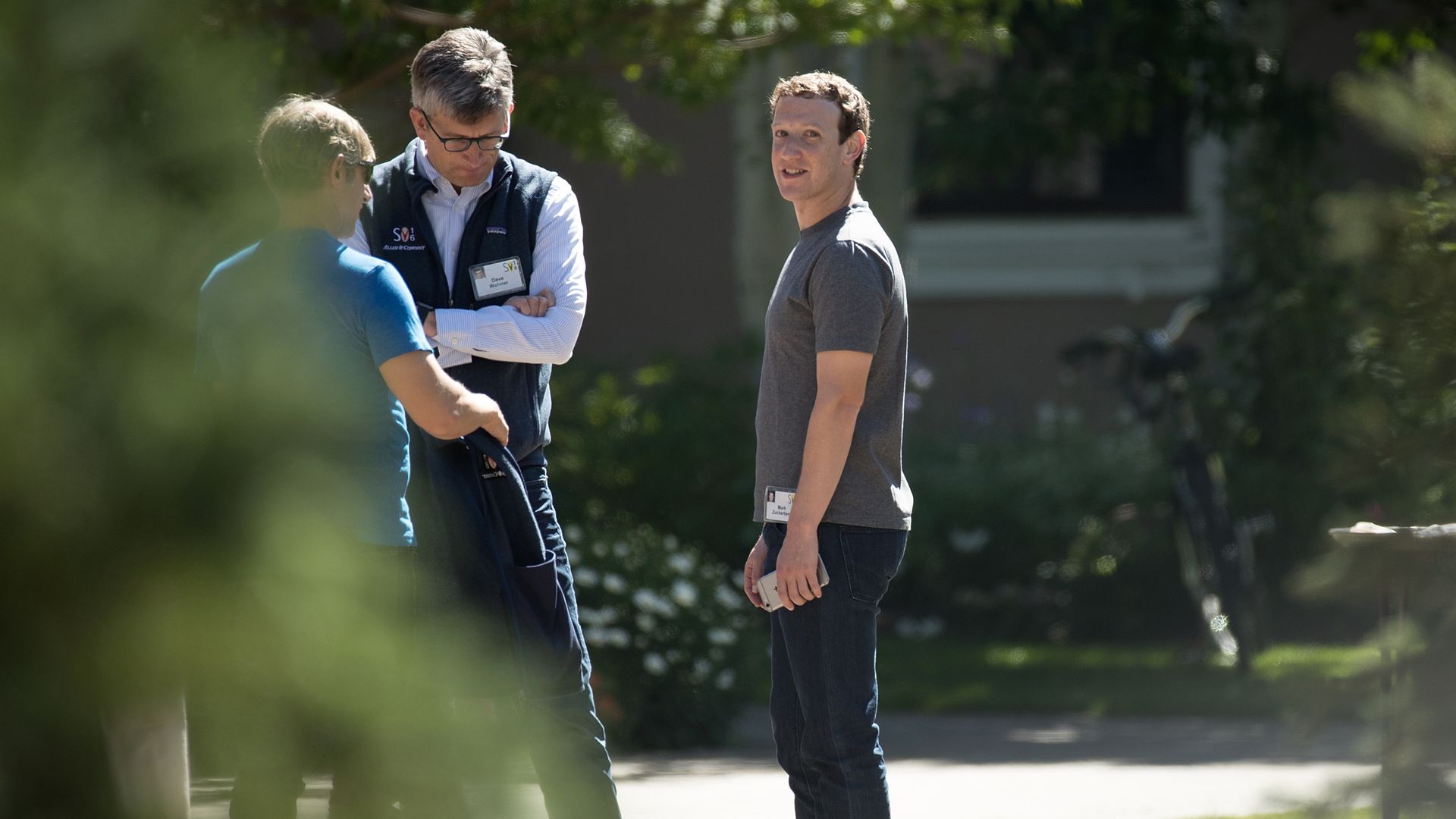
Rupert Murdoch and a top lieutenant threatened Mark Zuckerberg in 2016 over Facebook’s treatment of the news industry, one of several events reported for the first time in a new Wired cover story from Nick Thompson and Fred Vogelstein about how the company came to face a global fracas over its role in society.
The bottom line: Wired’s Thompson and Vogelstein paint a picture of how each Facebook controversy over the last two years — from a blow up among conservatives to outraged publishers — compounded to put the world’s largest social network on the defensive. [Go deeper: Inside the Two Years that Shook Facebook]
Snapchat has struggled to own its narrative, in large part because its service is most popular with a generation that is younger than the journalists who cover it. That's just one of several insights from Billy Gallagher, the author of a new book on Snapchat.
The bottom line: Gallagher addresses that and more, including Snapchat's long-running battle with Facebook. Read on for more from our interview with Gallagher, whose book "How to Turn Down a Billion Dollars: The Snapchat Story," comes out on Tuesday.
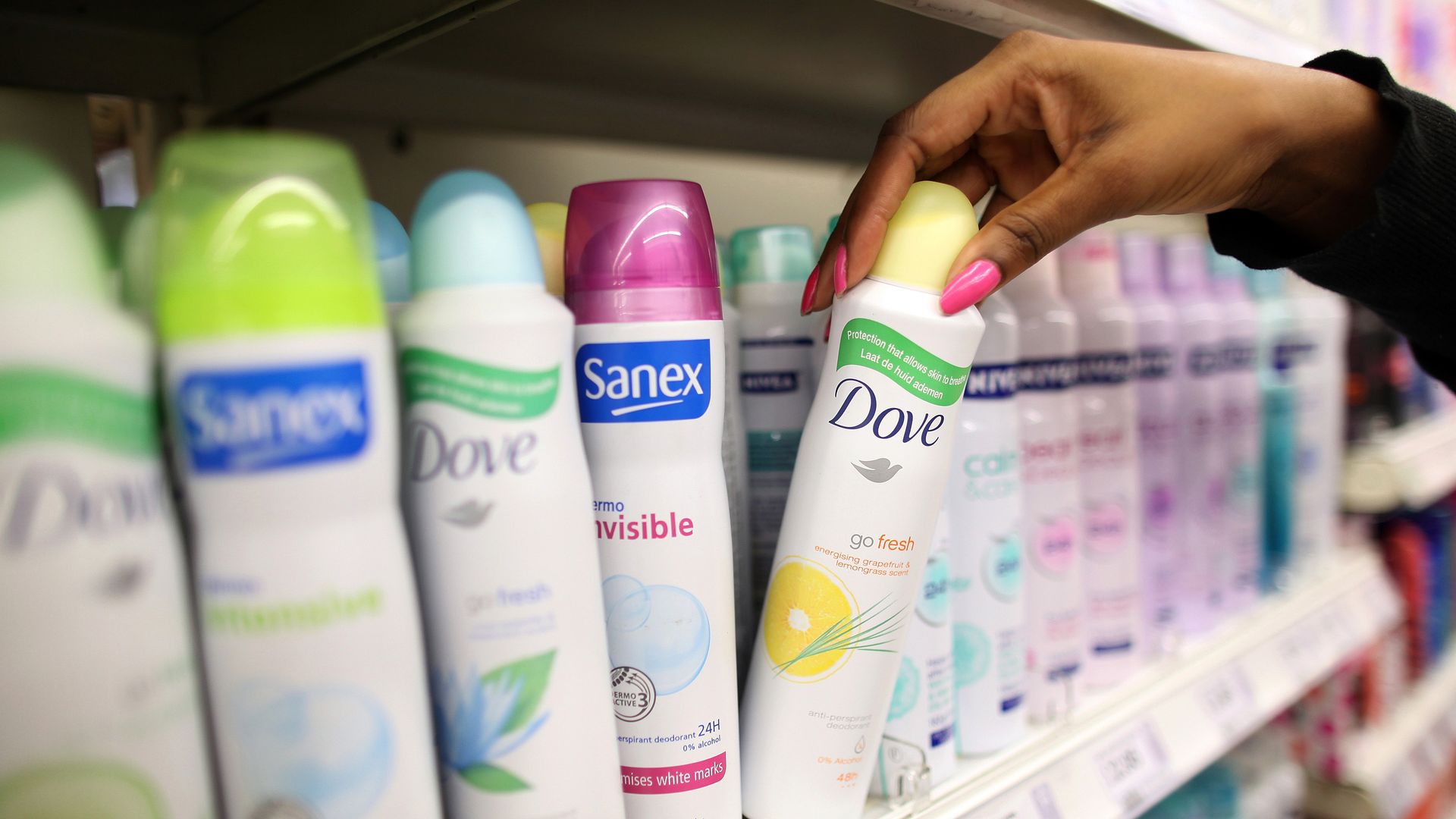
Corporate behemoth Unilever is threatening to stop advertising on digital platforms like Facebook and Google, blasting them for spreading fake news and divisive content, CNN reports, citing a copy of a speech that Unilever chief marketing officer Keith Weed will deliver Monday.
"We cannot continue to prop up a digital supply chain ... which at times is little better than a swamp in terms of its transparency."
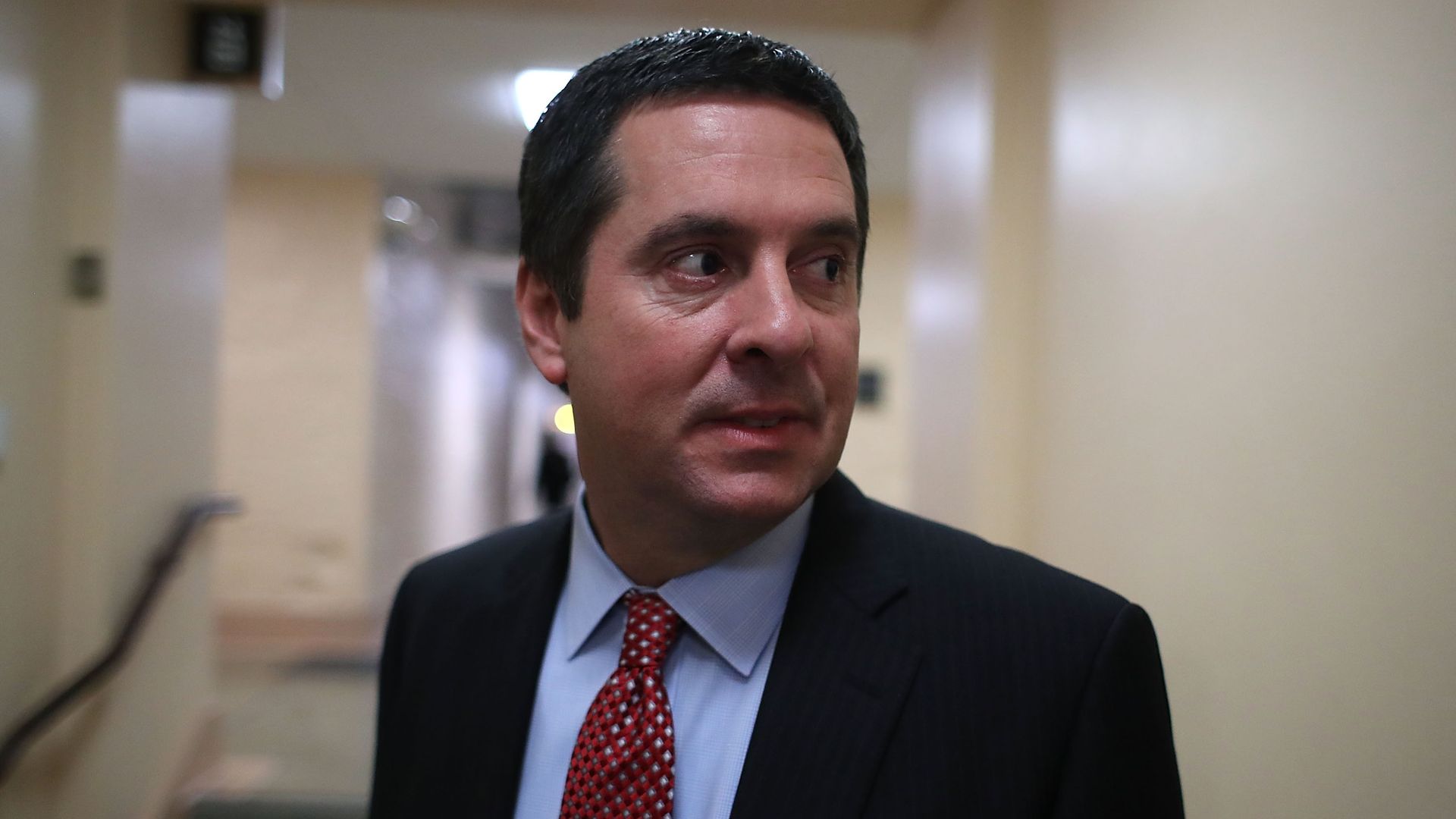
Rep. Devin Nunes' (R-Calif.) campaign committee created its own partisan news site, '"The California Republican,” which claims to put out “the best of US, California, and Central Valley news, sports, and analysis,” Politico reports. The site is currently down due to heavy traffic, but an archive of it, as well as its Facebook page, are still available.
Why it matters: Nunes, a frequent critic of the media who has lamented several stories as "fake news," has become a controversial figure since drafting his memo alleging FISA abuse by the FBI and Justice Department. But with his own news site, his campaign can depict what he believes is accurate and fair coverage.