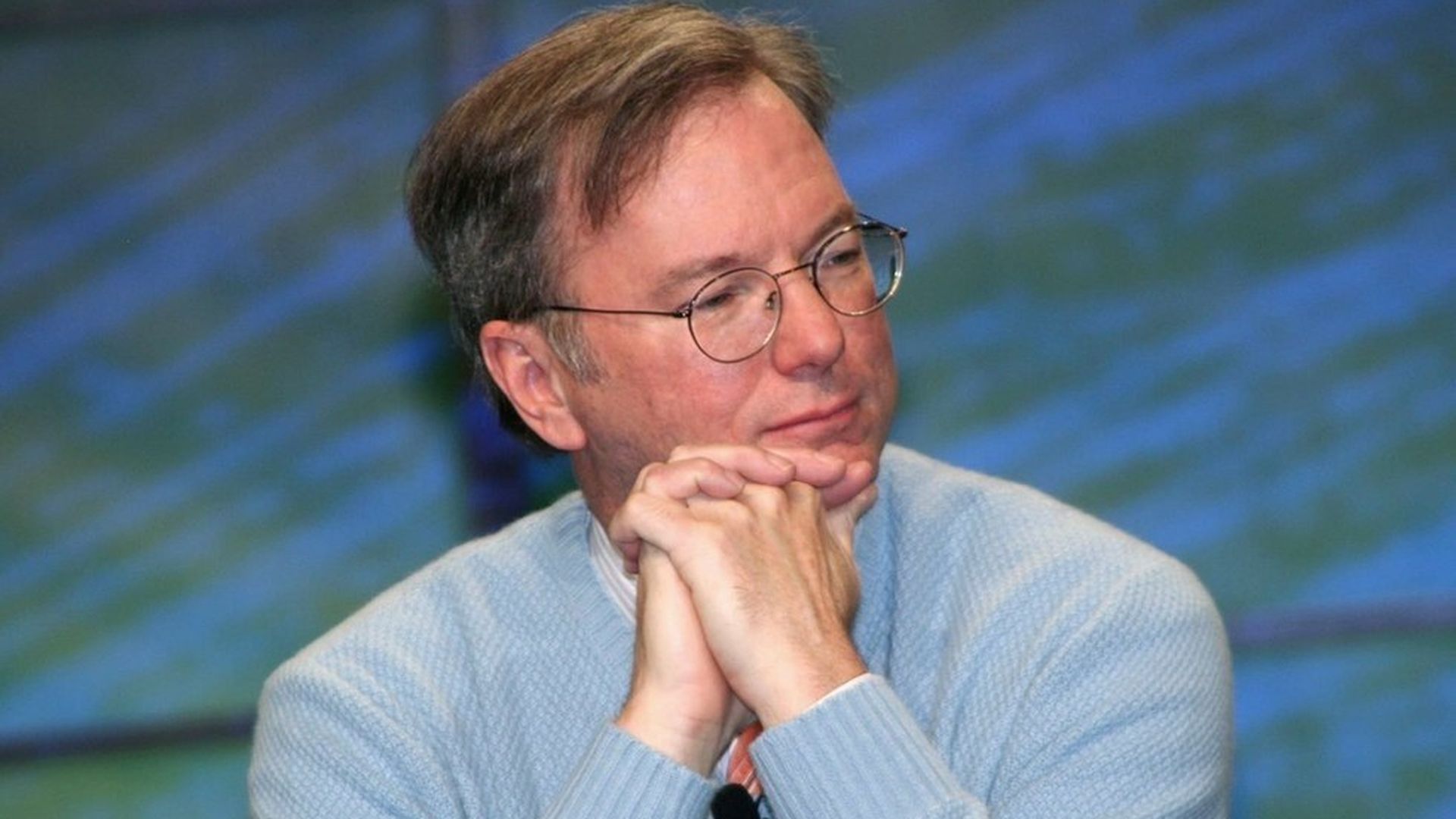
Eric Schmidt, who has helped lead Google since 2001, is stepping down in January from his post as executive chairman of parent company Alphabet. While the company expects to name a new chairman of its board, it doesn't expect that person to serve as a company executive, as Schmidt did.
Why it matters: Schmidt has been the outside force guiding the company's founders for more than a decade.
The Communications Workers of America union filed an age discrimination lawsuit in a San Francisco federal court on Wednesday, challenging Amazon, T-Mobile, Cox Communications Inc. and hundreds of companies and employment agencies for limiting ads to people younger than 38, per Reuters.
Why it matters: While Facebook is not named as a defendant, the lawsuit accused the tech giant of using age filters as part of its own recruitment efforts. This criticism is the latest leveled at Facebook for allowing bad actors to abuse its ad tools to discriminate against certain demographics or take advantage of vulnerable audiences in controversial ways.
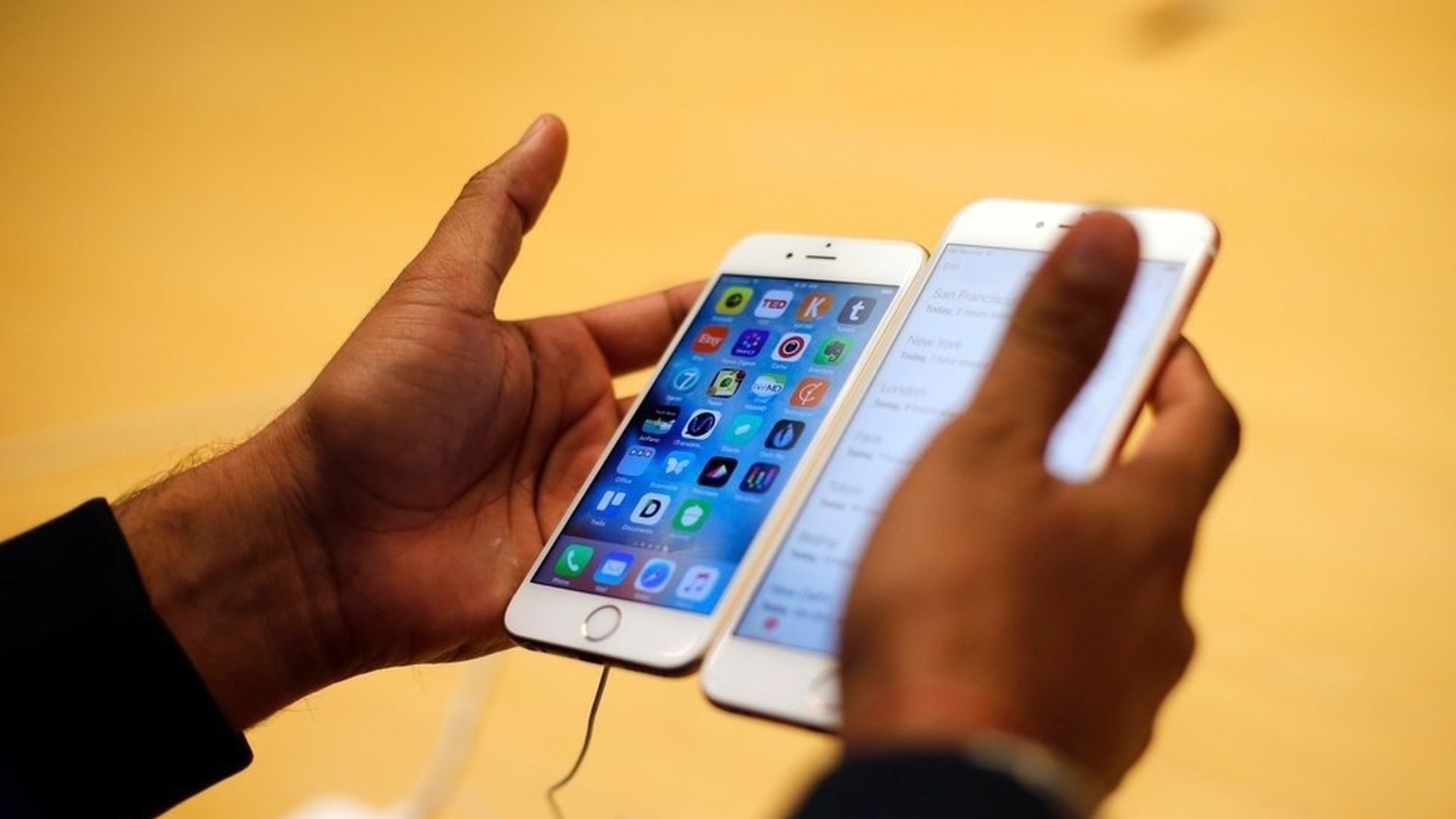
Apple's move to deal with old batteries has thrown gasoline onto a long-simmering debate over why iPhones seem to slow down significantly as they get older.
What's happening: The company said Wednesday that, under specific circumstances, it does reduce performance on devices, but said the move is necessary to avoid total device shutdowns. The acknowledgment came after a Reddit discussion was followed up with a benchmarking firm confirming something amiss in its testing.
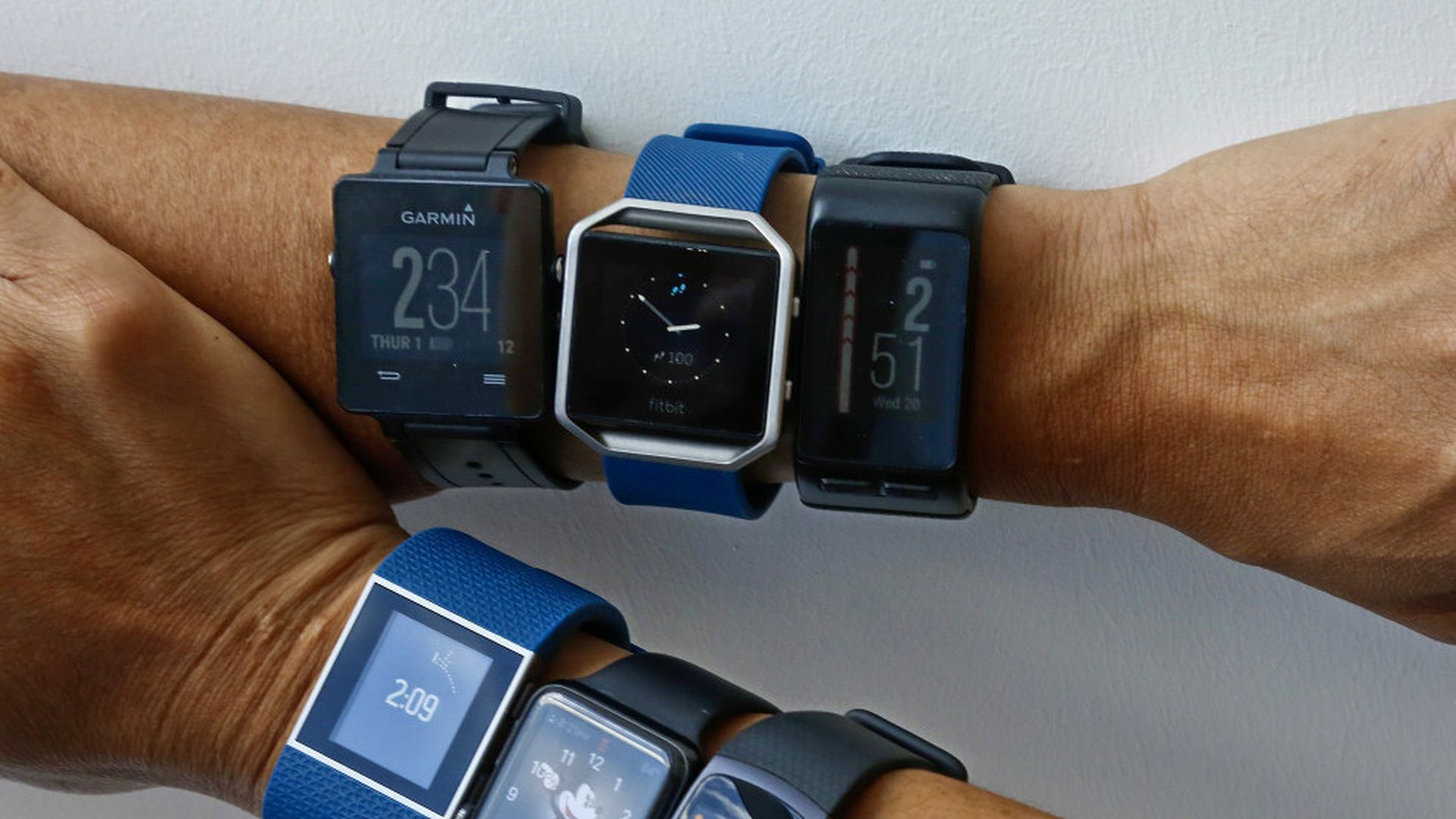
The use of wearable technology devices – like watches, glasses and fitness tracking bracelets – will grow 11.9% next year, eMarketer predicts, with the growth rate continuing to slow compared to previous years. Smartwatches will drive the bulk of wearables growth, but the number of people who use wearable technology will still be less than 20% of the population.
Why it matters: Experts suggest wearable adoption will slow due to cost and unmet user expectations. Still, others, like analyst firm IDC, predict that U.S. wearable use will continue to climb, doubling in size by devices shipped 2021, just at a slower pace. (Meanwhile, adoption is higher in countries like China.)
Why it matters: Commercial availability 5G is still more than a year away, but it is now one step closer to reality. In addition to faster data speeds, 5G is designed to handle far more devices and pave the way remote applications, such as long-distance surgery that require extremely low latency.
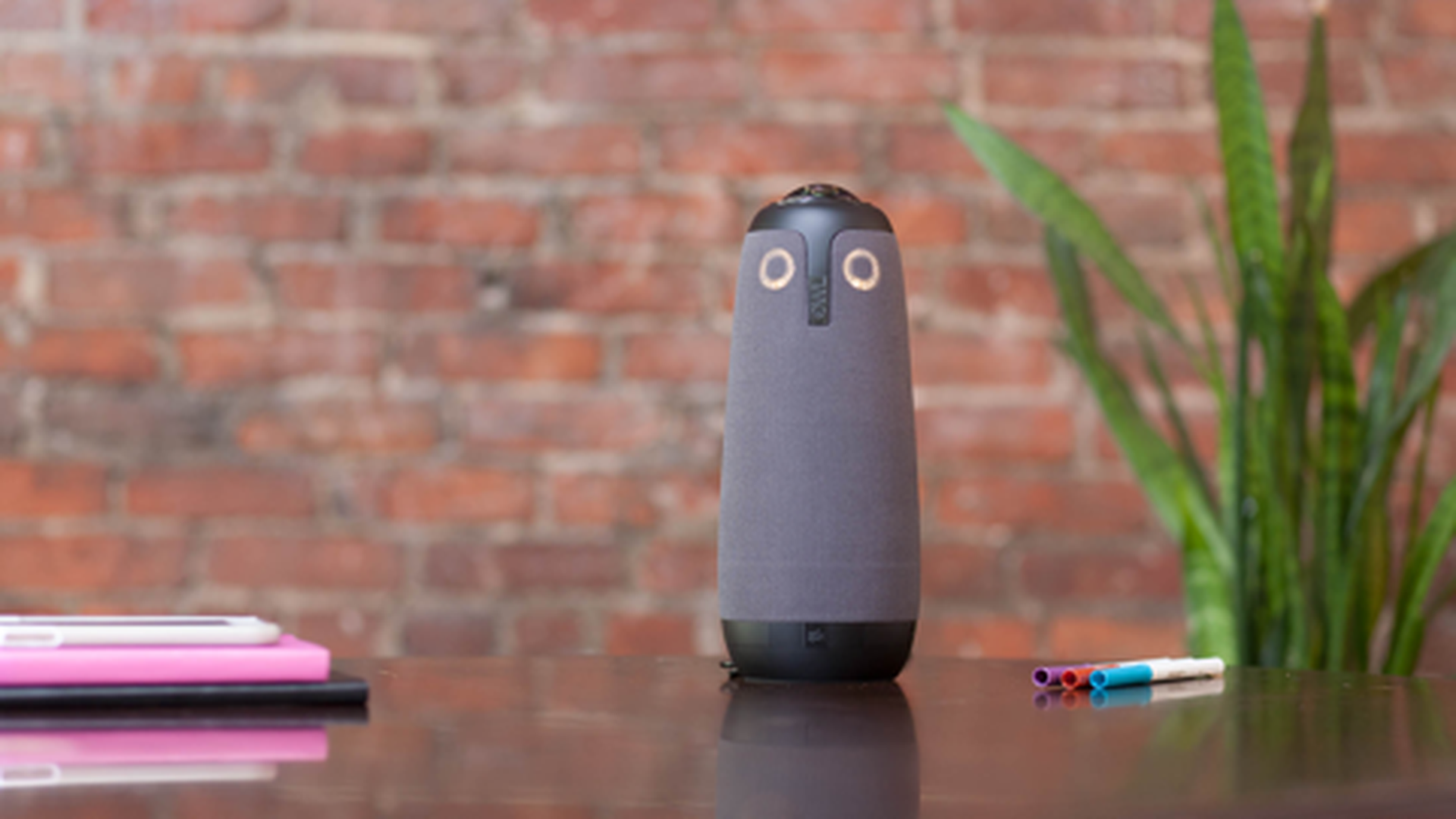
Remote calls into a conference room at headquarters are the worst: too often, voices are muffled, mumbled, delayed and indistinct. When the conversation turns to the whiteboard—forget about it. The best thing to do is hang up and blame it on a bad line.
Meeting Owl, though, seems a long step toward reducing the pain. I got a demo of this smart robot, which you place on your conference room table, where it listens and rotates between people as they speak. A fish-eye, 360-degree lens renders the entire whiteboard visible. If it detects three speakers, and they are in different parts of the room, it shifts to a tri-split screen. And eight microphones make them distinctly clear. "Lots of telepresence robots have been made. The first most important problem is moving around the conference room," Mark Schnittman, the CTO of Owl Labs, told me.
Barney Harford, the former CEO of Orbitz, will be joining Uber as its new chief operating officer, he announced on Twitter. Harford, who has been advising Uber's CEO Dara Khosrowshahi since October, used to work with him at Expedia about a decade ago. When Harford transitioned to Orbitz, they competed against one another until Harford sold Orbitz to Expedia in 2015, per Bloomberg.
Why it matters: Uber's executive team has several empty roles waiting to be filled, and this is Khosrowshahi's second major hire since taking the helm in September after a tumultuous year of revelations about Uber's culture.
An internal email exchange between Twitter executives, obtained by Buzzfeed, over whether to unverify a Twitter troll suggests that even the company's leaders don't understand how to interpret their vague verification and harassment rules.
Why it matters: The emails provide an inside look into Twitter's battle to police abuse on its platform, and show how the dysfunction with its policy starts at the top. Meanwhile, abuse on Twitter is growing in intensity and size, and the network will have to either create more clarity and find new ways stop harassment, or risk losing its credibility.
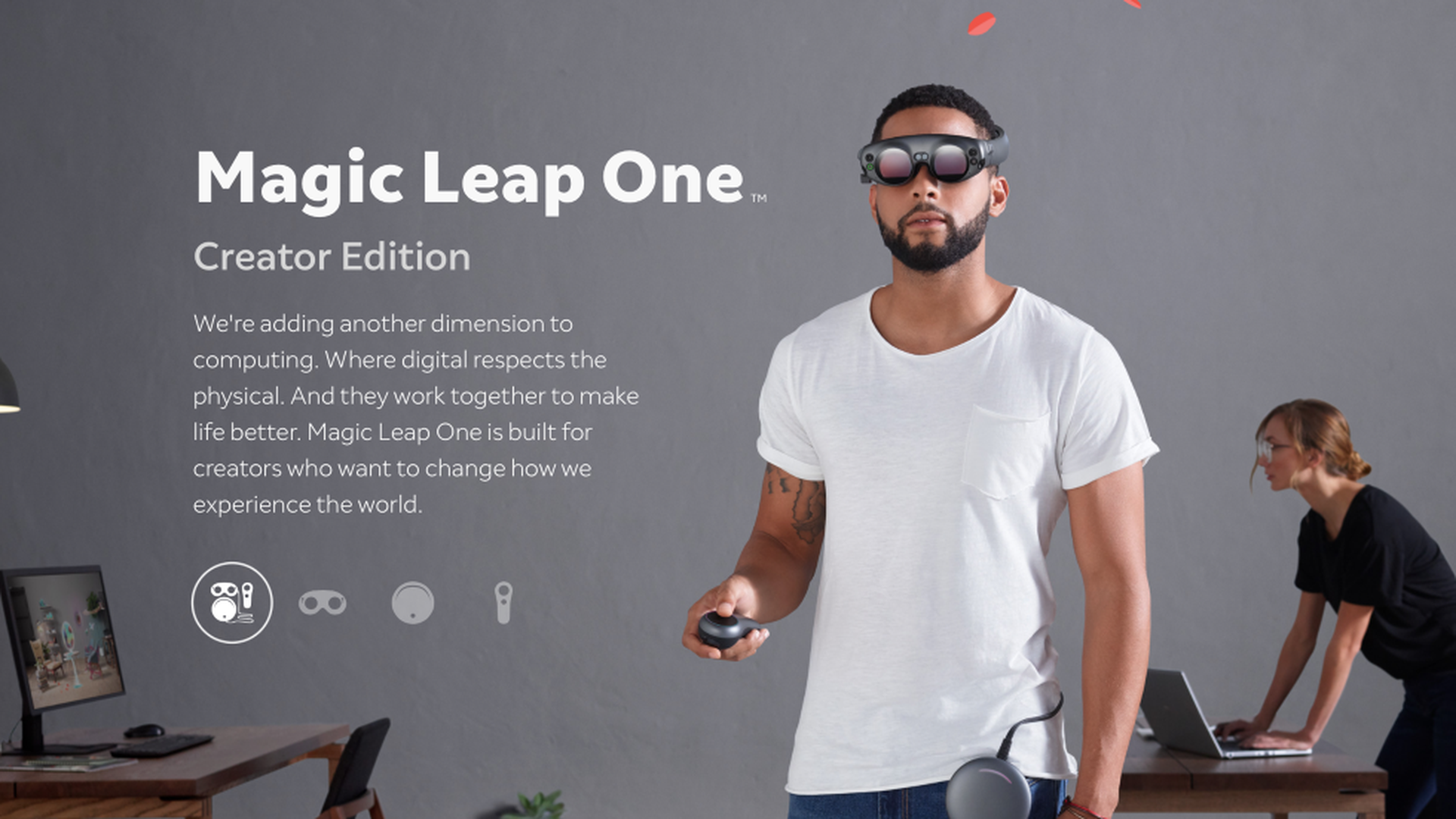
Magic Leap finally showed what its hardware looks like and said the first version of the augmented reality headset will ship next year, though it did not announce pricing. It consists of a headset with multiple cameras and a small hip-worn computer pack.
Why it matters: Magic Leap has been the most talked about AR product for years. Next year we will find out how well the hype lines up with reality.
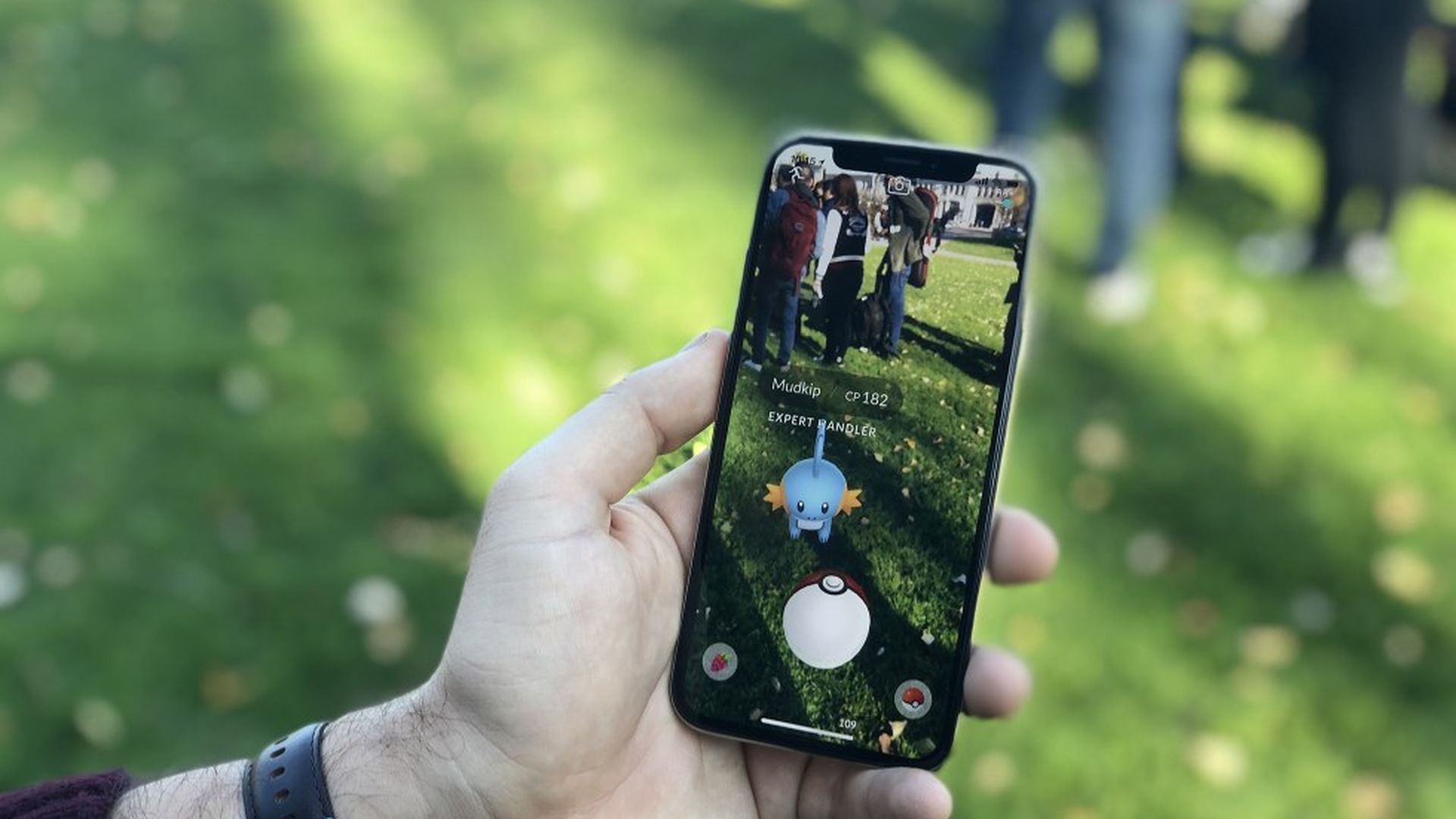
The creators of Pokemon Go are nearly ready to turn on an improved version of the augmented reality component of the game, drawing on the ARKit tools that Apple released with iOS 11. Enthusiasts have already spotted code in the latest update to the game and the new AR+ feature is expected to debut in the coming days.
Why it matters: For Apple, it also gives them a temporary advantage over Android, as Niantic hasn't yet announced similar plans for Google's ARCore. For Niantic, improving the AR experience could draw back some lapsed users and encourage current ones to keep the AR feature turned on. (Many hard-core users keep it turned off to make gameplay easier and preserve battery.)
"China's efforts to snuff out a violent separatist movement by some members of the predominantly Muslim Uighur ethnic group have turned the autonomous region of Xinjiang ... into a laboratory for high-tech social controls that civil-liberties activists say the government wants to roll out across the country," The Wall Street Journal's Josh Chin and Clément Bürge write.
Why it matters: Zhu Shengwu, a Chinese human-rights lawyer who has worked on surveillance cases: "They constantly take lessons from the high-pressure rule they apply in Xinjiang and implement them in the east ... What happens in Xinjiang has bearing on the fate of all Chinese people."
Artificial intelligence — already a much-discussed science in recent years — moved to the center of public conversation in 2017. Leading tech voices continued to ring the alarm about the potential for a super-intelligent bot to take over the world in a very unpleasant way; others said the fears are vastly exaggerated. The latter gained more converts, namely because AI is nowhere near super-human intelligence at the moment.
We surveyed the community asking the following question: What was the most important AI story of 2017? Their answers follow.
On Wednesday, the European Union's highest court ruled that Uber is a transportation service and not a technology company, in line with a court advisor's recommendation in May. The ruling stems from a lawsuit filed by a Spanish taxi association.
What it means: The EU's member countries now have more clarity and authority to regulate Uber as a transportation company (more strictly than as a tech service), though many already do so. As a technology company, Uber would have been protected by EU law from certain restrictions by individual countries, and would have required them to notify the commission of any new regulations.