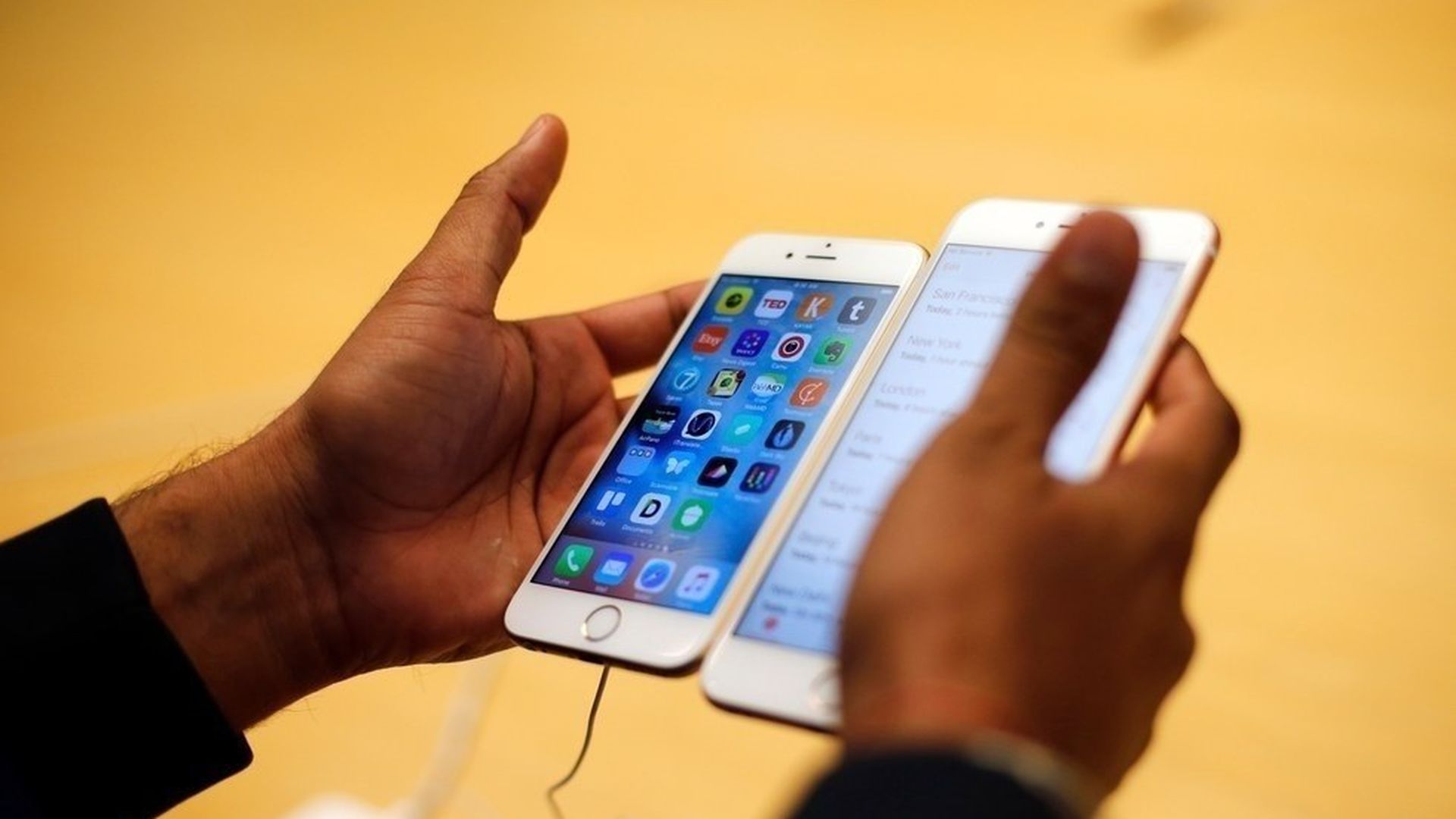
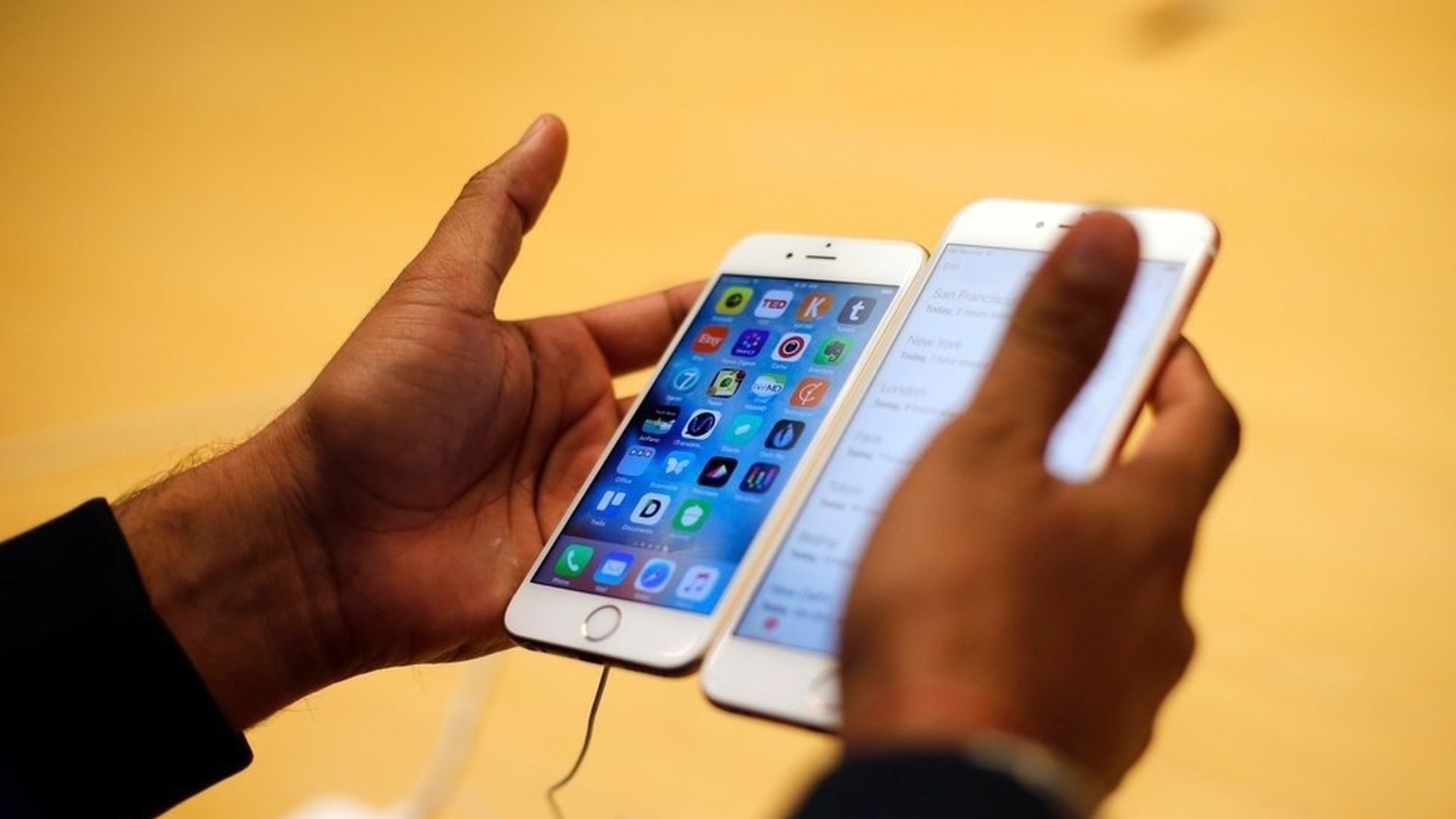
Two lawsuits have been filed against Apple on Thursday by plaintiffs in California and Illinois, who argue that the company did not have consent to slow down their iPhones, according to multiple reports.
Background: The legal challenges come after the company admitted, under specific circumstances, it does reduce performance on devices. However, it said the practice is necessary to avoid total device shutdowns on devices with underperforming batteries. The acknowledgment came after a Reddit discussion was followed up with a benchmarking firm confirming something amiss in its testing.
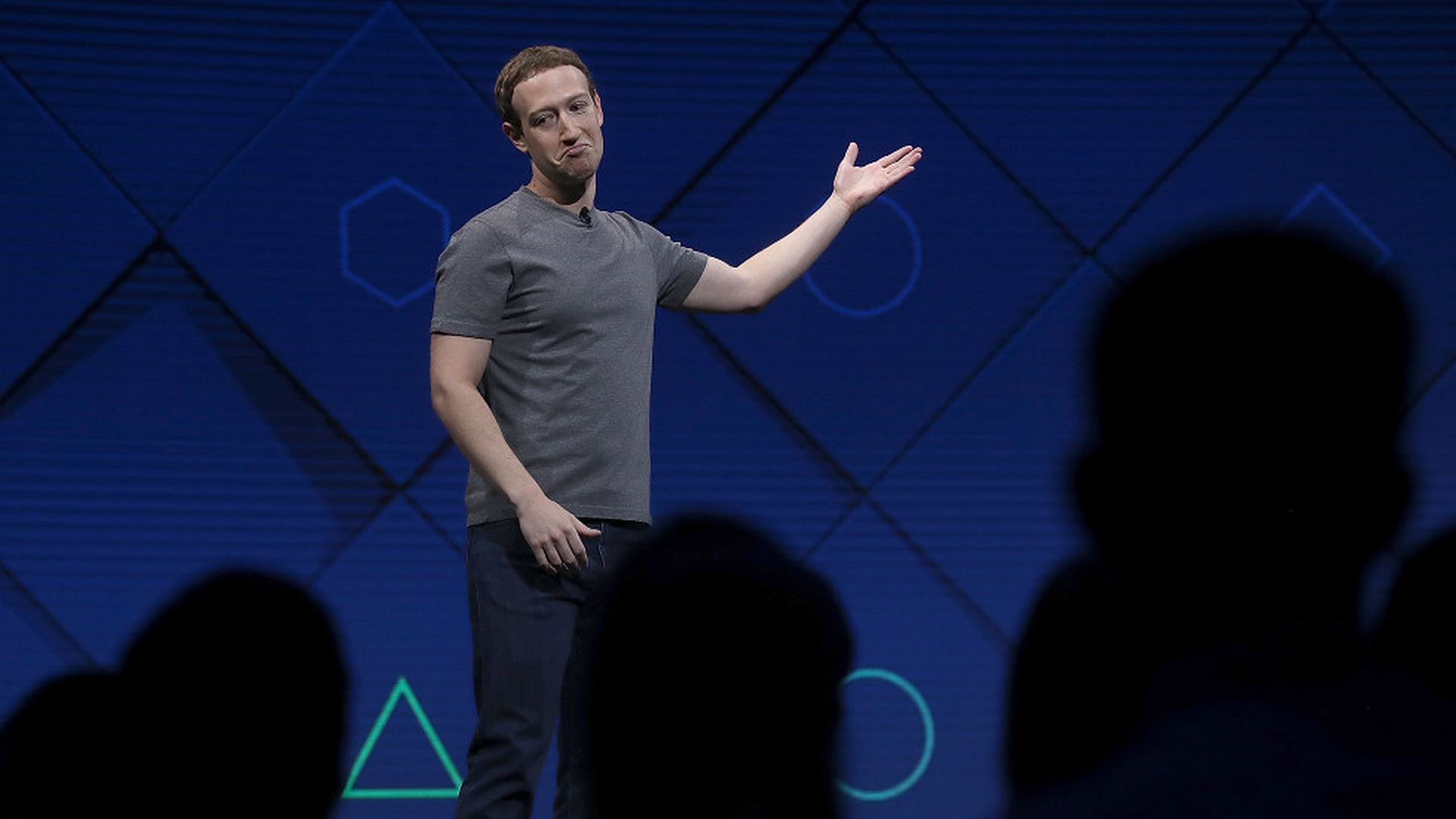
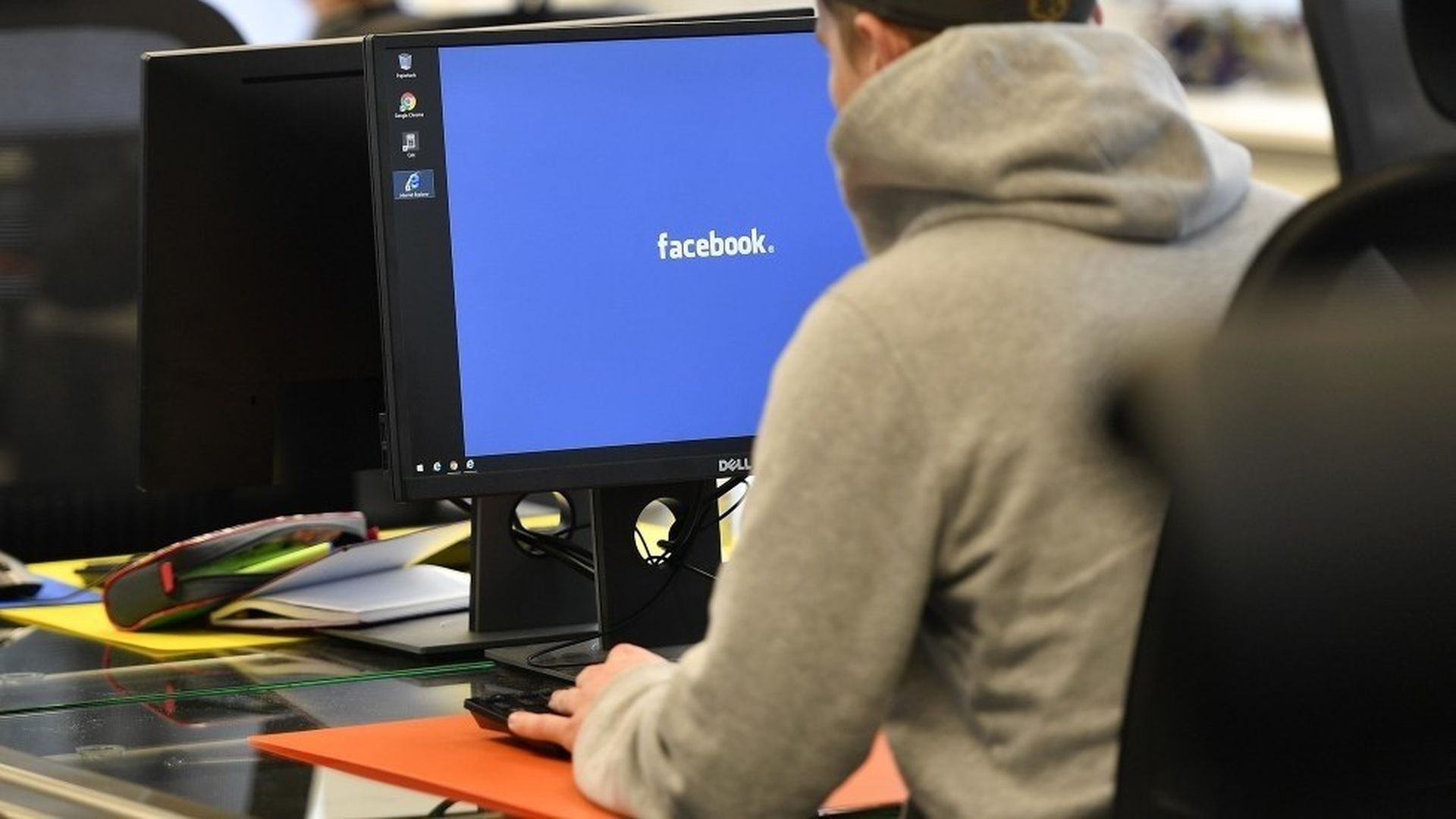
A Facebook tool to show users whether they followed pages placed by Russian operatives in the 2016 election went live on Friday. It covers pages and accounts on the company's main social network and its subsidiary Instagram between between January 2015 and August 2017.
Real talk: Facebook isn't telling users who didn't follow any of the pages whether they were exposed to the divisive content in their newsfeed when, for example, it was shared by a friend during the 2016 election. That's a far broader group than those who connected directly with the accounts.
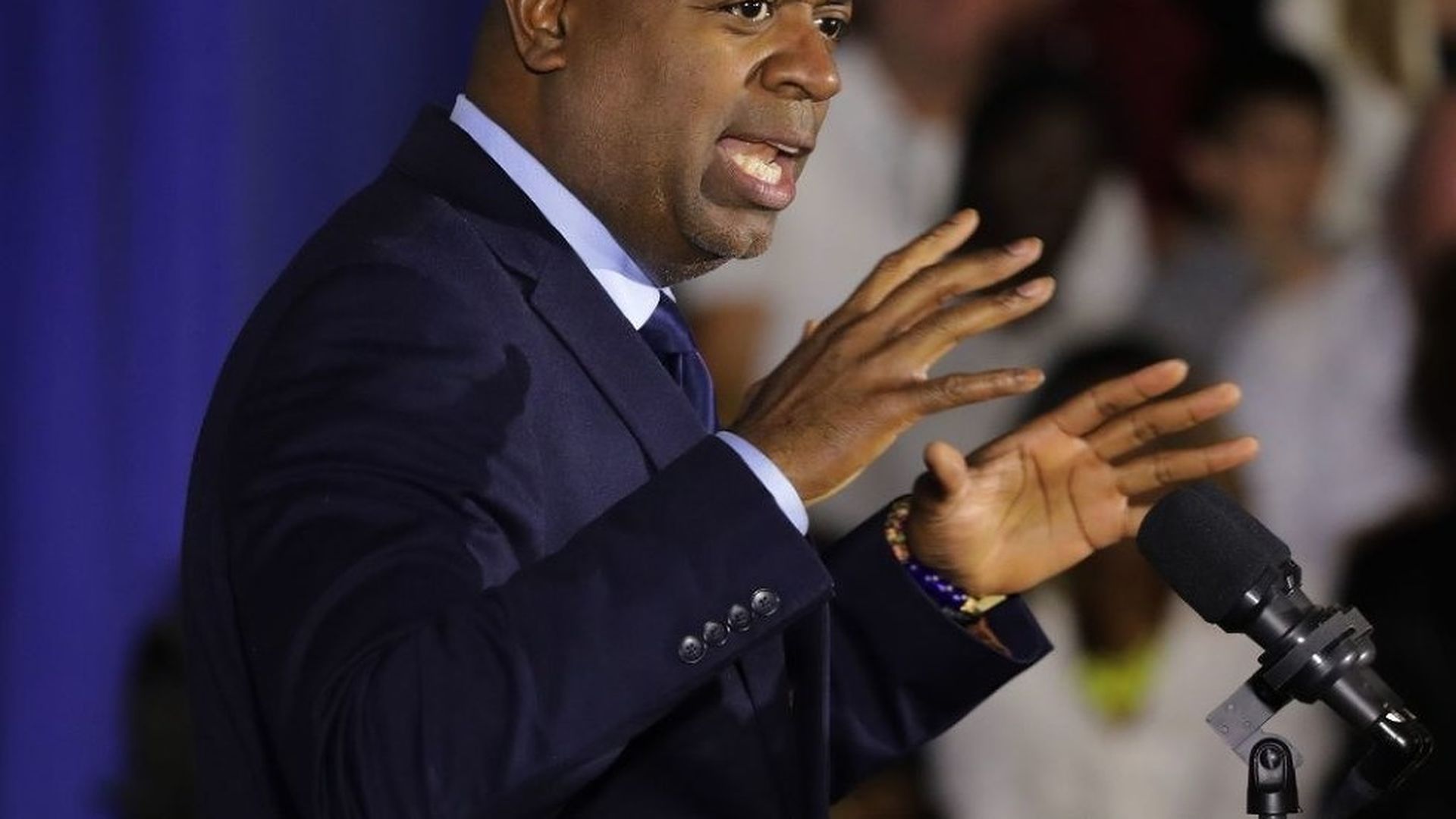
The mayor of Newark, NJ, is taking a stand against the recent FCC decision to overturn net neutrality rules. Ras Baraka will announce today that the city's high-speed fiber optic network will continue to prohibit blocking, throttling and fast lanes on its network even after the FCC rules go away. The city's contracts with third parties that connect its network will also include net neutrality clauses.
Why it matters: It's not the first time local officials have pledged to abide by regulations that the Trump administration has rolled back (remember the Paris Agreement on climate change?). On the net neutrality issue, Newark appears to be the first municipality to take a stand.
Included in the short-term government funding measure that lawmakers passed on Thursday is an extension of a major surveillance law until mid-January.
Why it matters: The fight over the law — which is used to justify the digital surveillance of foreign nationals located abroad but activists says picks of Americans' communications — will be back very, very soon.
President Trump thanked the head of Turning Point USA, a conservative student organization, for complimenting his 2017 agenda while simultaneously blasting the mainstream media for failing to high the same.
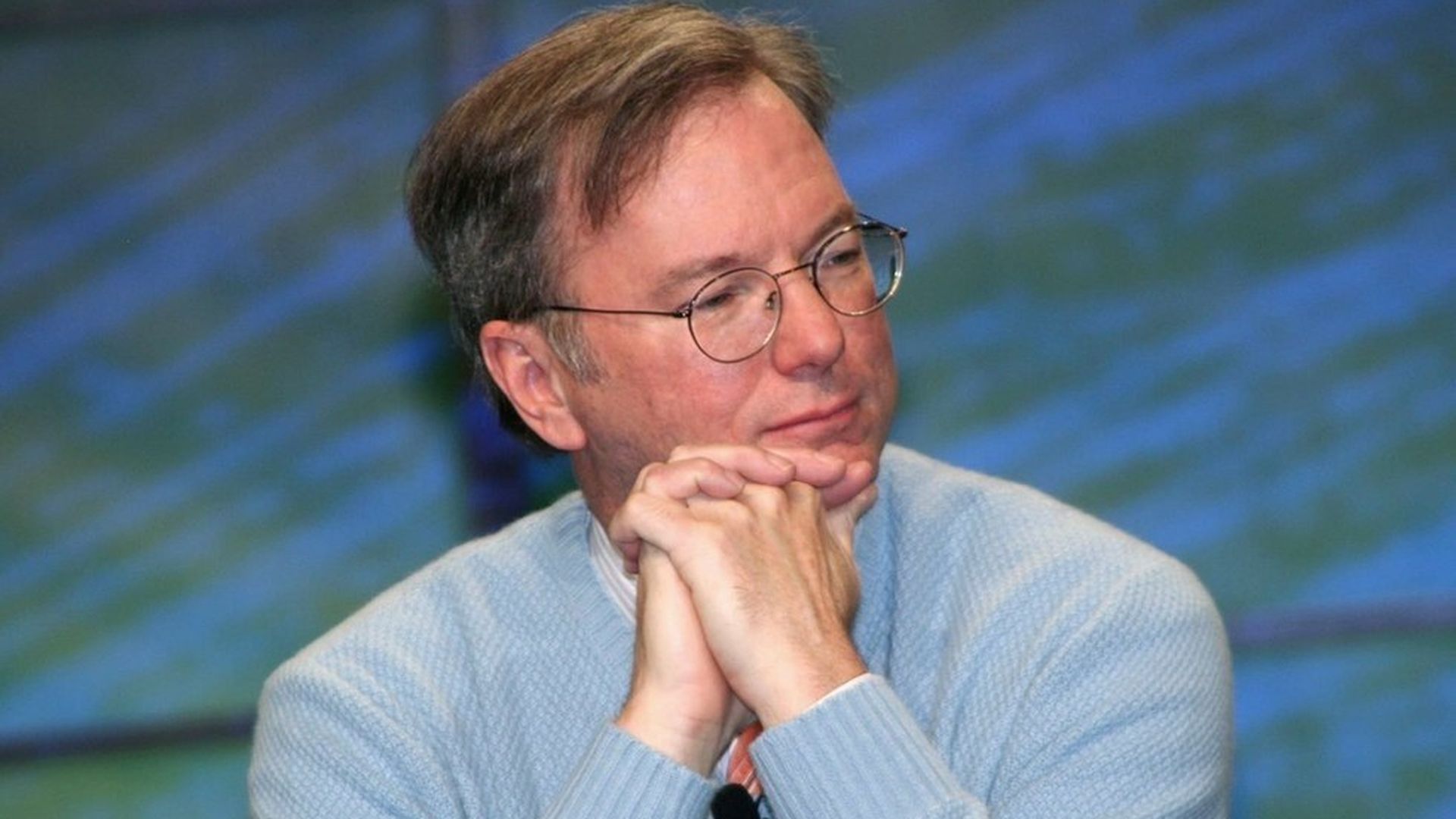
Eric Schmidt, who has helped lead Google since 2001, is stepping down in January from his post as executive chairman of parent company Alphabet. While the company expects to name a new chairman of its board, it doesn't expect that person to serve as a company executive, as Schmidt did.
Why it matters: Schmidt has been the outside force guiding the company's founders for more than a decade.
The Communications Workers of America union filed an age discrimination lawsuit in a San Francisco federal court on Wednesday, challenging Amazon, T-Mobile, Cox Communications Inc. and hundreds of companies and employment agencies for limiting ads to people younger than 38, per Reuters.
Why it matters: While Facebook is not named as a defendant, the lawsuit accused the tech giant of using age filters as part of its own recruitment efforts. This criticism is the latest leveled at Facebook for allowing bad actors to abuse its ad tools to discriminate against certain demographics or take advantage of vulnerable audiences in controversial ways.
Apple's move to deal with old batteries has thrown gasoline onto a long-simmering debate over why iPhones seem to slow down significantly as they get older.
What's happening: The company said Wednesday that, under specific circumstances, it does reduce performance on devices, but said the move is necessary to avoid total device shutdowns. The acknowledgment came after a Reddit discussion was followed up with a benchmarking firm confirming something amiss in its testing.
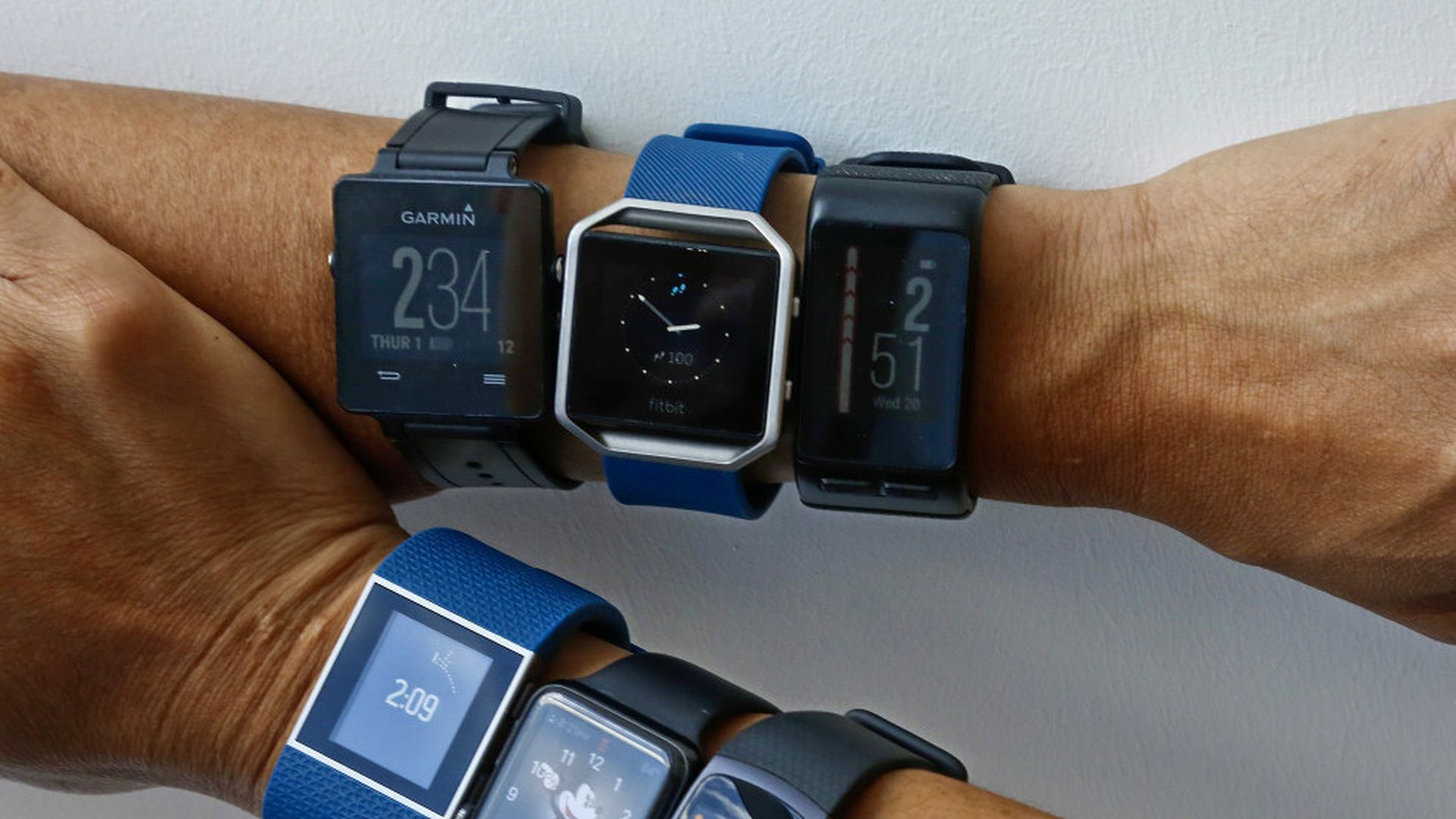
The use of wearable technology devices – like watches, glasses and fitness tracking bracelets – will grow 11.9% next year, eMarketer predicts, with the growth rate continuing to slow compared to previous years. Smartwatches will drive the bulk of wearables growth, but the number of people who use wearable technology will still be less than 20% of the population.
Why it matters: Experts suggest wearable adoption will slow due to cost and unmet user expectations. Still, others, like analyst firm IDC, predict that U.S. wearable use will continue to climb, doubling in size by devices shipped 2021, just at a slower pace. (Meanwhile, adoption is higher in countries like China.)